Walking is one of the simplest yet most powerful forms of exercise available to anyone, anywhere. It requires no special equipment, no gym membership, and can be adapted to any fitness level.

In today’s fast-paced world, finding sustainable ways to improve our health has become more crucial than ever. Graded walking plans offer a structured, progressive approach to fitness that transforms casual strolls into purposeful exercise routines. These plans work by gradually increasing intensity, duration, and complexity, allowing your body to adapt safely while building strength, endurance, and overall well-being. Whether you’re recovering from injury, starting your fitness journey, or looking to enhance your current routine, graded walking plans provide the framework for lasting transformation.
🚶♀️ Understanding Graded Walking: The Foundation of Progressive Fitness
Graded walking represents a methodical approach to exercise that respects your body’s need for gradual adaptation. Unlike jumping into intense workouts that often lead to burnout or injury, this strategy builds fitness incrementally. The concept draws from rehabilitation medicine and athletic training principles, where controlled progression prevents overuse injuries while maximizing gains.
The beauty of graded walking lies in its accessibility. Whether you’re a complete beginner or an experienced exerciser looking for low-impact alternatives, these plans meet you where you are. By systematically increasing variables like distance, speed, incline, or duration, your cardiovascular system strengthens, your muscles develop endurance, and your metabolism becomes more efficient.
Research consistently shows that regular walking reduces risks of heart disease, diabetes, obesity, and depression. When structured as a graded plan, these benefits multiply as your body adapts to increasingly challenging demands. The progressive nature ensures continuous improvement rather than hitting plateaus that often frustrate exercisers.
Building Your Foundation: Week-by-Week Progressive Structure
A well-designed graded walking plan typically spans 8-12 weeks, allowing sufficient time for physiological adaptations. The initial phase focuses on establishing consistency and building aerobic base fitness. During weeks one through four, the emphasis is on frequency rather than intensity—aim for 3-5 walking sessions per week, each lasting 15-30 minutes at a comfortable pace.
As you enter the intermediate phase (weeks 5-8), duration and intensity gradually increase. Your walks extend to 30-45 minutes, and you begin incorporating intervals—brief periods of faster walking alternating with recovery periods. This variation challenges your cardiovascular system differently and prevents monotony.
The advanced phase (weeks 9-12) introduces terrain variations, longer distances, and potentially some light hill work. By this stage, your body has developed significant adaptations: improved cardiac output, enhanced muscular endurance, better oxygen utilization, and increased metabolic efficiency.
Measuring Your Intensity: Understanding the Rate of Perceived Exertion
Graded walking plans rely on perceived exertion rather than strict heart rate zones, making them accessible without expensive monitors. The Rate of Perceived Exertion (RPE) scale from 1-10 helps gauge intensity. Easy walks should feel like a 3-4, where conversation flows naturally. Moderate intensity registers around 5-6, where you can speak in short sentences but feel your breathing deepen. Brisk intervals might reach 7-8, making continuous conversation difficult.
This subjective approach allows your plan to adapt to daily variations in energy, stress, and recovery status. Some days you’ll naturally feel stronger; others require pulling back slightly. This flexibility prevents the rigid adherence that often leads to overtraining or burnout.
🔋 Energy Amplification: How Walking Transforms Your Daily Vitality
One of walking’s most remarkable benefits is its paradoxical effect on energy levels—expending energy actually creates more. This phenomenon relates to improved mitochondrial function, the cellular powerhouses that generate energy. Regular walking increases mitochondrial density and efficiency, meaning your cells produce energy more effectively.
Additionally, walking stimulates circulation, delivering oxygen and nutrients throughout your body more efficiently. This enhanced blood flow reaches your brain, improving mental clarity and focus. Many people report that morning walks eliminate their need for that second cup of coffee, providing natural, sustained energy without caffeine’s crashes.
The rhythm of walking also regulates cortisol, the stress hormone that depletes energy when chronically elevated. By moderating cortisol levels, graded walking helps maintain more stable energy throughout the day. Combined with improved sleep quality—another walking benefit—your overall vitality increases substantially.
Timing Your Walks for Maximum Energy Benefits
Strategic timing amplifies walking’s energizing effects. Morning walks expose you to natural light, helping regulate circadian rhythms and improving nighttime sleep quality. This morning light exposure also suppresses melatonin production, promoting alertness for the day ahead.
Midday walks combat the afternoon energy slump that typically occurs between 2-4 PM. A 15-20 minute walk during this window refreshes mental focus and prevents reaching for sugary snacks that create energy crashes. Evening walks help transition from work stress to relaxation, though should finish at least two hours before bedtime to allow body temperature to normalize for optimal sleep.
Mental Well-Being: Walking’s Profound Psychological Benefits
Beyond physical fitness, graded walking plans significantly impact mental health. Walking stimulates endorphin release, the body’s natural mood elevators, while simultaneously reducing stress hormones. This biochemical shift creates the “walker’s high,” a gentler cousin to the runner’s high but equally effective for mood enhancement.
The meditative quality of rhythmic walking provides mental space for processing thoughts and emotions. Many people find walking serves as moving meditation, where repetitive motion quiets mental chatter and promotes mindfulness. This quality time with your thoughts—without digital distractions—fosters creativity and problem-solving.
Research indicates that regular walking reduces symptoms of anxiety and depression as effectively as medication for mild to moderate cases. The combination of physical movement, outdoor exposure (when possible), and achievement of progressive goals creates a powerful antidepressant effect. Each completed walk reinforces self-efficacy, the belief in your ability to accomplish goals.
Social Connections Through Walking Communities
Graded walking plans need not be solitary pursuits. Walking groups and communities provide social support that enhances adherence and enjoyment. Many cities have walking clubs organized by pace and distance, allowing you to find companions at your level. These social connections combat loneliness while adding accountability to your routine.
Digital communities also offer support through apps and online forums where walkers share progress, challenges, and encouragement. Tracking apps allow friendly competitions and virtual challenges that motivate consistent participation.
📊 Designing Your Personalized Graded Walking Plan
Creating an effective graded walking plan requires honest assessment of your current fitness level. Beginners should start conservatively—even 10-minute walks provide benefits when you’re starting from a sedentary baseline. The key principle is progressive overload: gradually increasing one variable at a time rather than changing everything simultaneously.
Your plan should include three essential components: frequency (how often), duration (how long), and intensity (how hard). Begin by establishing frequency—aiming for walking 3-5 days weekly creates habit without overwhelming your schedule. Once frequency feels sustainable, gradually extend duration by 5-10% weekly. Only after establishing consistent duration should you manipulate intensity through speed or terrain variations.
Sample 12-Week Progression Framework
Here’s a practical framework adaptable to various fitness levels:
- Weeks 1-4: Establish routine with 15-30 minute walks at comfortable pace, 3-5 times weekly
- Weeks 5-6: Increase duration to 25-35 minutes, maintaining comfortable pace
- Weeks 7-8: Introduce interval training—alternate 2 minutes brisk walking with 3 minutes easy pace
- Weeks 9-10: Extend intervals to 3 minutes brisk/2 minutes easy, total duration 35-45 minutes
- Weeks 11-12: Add terrain variation with gentle hills or increase one walk weekly to 50-60 minutes
This progression allows physiological adaptations while preventing injury. Remember that progression isn’t linear—some weeks require maintaining current levels for consolidation, especially if experiencing unusual fatigue or minor discomfort.
Maximizing Results: Complementary Strategies for Enhanced Benefits
While walking forms your plan’s foundation, complementary strategies amplify results. Proper hydration supports performance and recovery—aim for half your body weight in ounces of water daily, with additional intake during longer walks. Nutrition timing matters too; a light snack containing carbohydrates and protein 30-60 minutes before longer walks provides sustained energy.
Recovery receives insufficient attention in walking plans, yet remains crucial for adaptation. Quality sleep allows your body to repair and strengthen. Aim for 7-9 hours nightly, maintaining consistent sleep-wake times. Active recovery days—gentle stretching, yoga, or leisurely walks—promote blood flow without adding training stress.
Cross-Training Activities That Complement Walking
Incorporating complementary activities enhances overall fitness while preventing overuse injuries. Strength training 2-3 times weekly builds muscular support for joints and improves walking efficiency. Focus on lower body exercises—squats, lunges, calf raises—along with core strengthening for posture and stability.
Flexibility work through stretching or yoga maintains range of motion and reduces injury risk. Target hip flexors, hamstrings, calves, and glutes—muscles heavily utilized during walking. Holding stretches for 30-60 seconds after walks when muscles are warm provides optimal benefits.
🎯 Tracking Progress: Metrics Beyond the Scale
While weight loss often motivates people toward exercise, graded walking plans deliver benefits far beyond scale numbers. Comprehensive progress tracking includes multiple metrics that better reflect health improvements. Resting heart rate typically decreases as cardiovascular fitness improves—a drop of 5-10 beats per minute over 12 weeks indicates significant adaptation.
Energy levels throughout the day provide subjective but valuable feedback. Keep a simple journal noting daily energy on a 1-10 scale. Most people experience noticeable improvements within 3-4 weeks. Sleep quality similarly improves, measurable through how rested you feel upon waking or how quickly you fall asleep.
Physical performance metrics offer concrete progress indicators. Time yourself on a specific route—improving speed over the same distance demonstrates fitness gains. Alternatively, track distance covered in a set time period, noting improvements as endurance builds. Many find they can walk progressively longer before fatigue, or recover more quickly between interval efforts.
Celebrating Non-Scale Victories
The most meaningful changes often manifest in daily life improvements: climbing stairs without breathlessness, playing actively with children or grandchildren, or simply feeling more capable physically. These quality-of-life enhancements represent walking’s true transformative power. Document these victories—they provide motivation during inevitable plateaus when progress seems stalled.
Overcoming Obstacles: Solutions for Common Walking Challenges
Even well-designed plans encounter obstacles. Weather represents the most common barrier—extreme temperatures, precipitation, or darkness limit outdoor walking. Developing alternative strategies ensures consistency: shopping mall walking, indoor tracks, or treadmills provide weatherproof options. Many communities have indoor walking groups during challenging seasons.
Time constraints challenge busy schedules, but walking’s flexibility offers solutions. Three 10-minute walks throughout the day provide similar benefits to one 30-minute session. Walk during lunch breaks, park farther from destinations, or conduct walking meetings. Integrating walking into existing routines removes the need for dedicated exercise time.
Motivation naturally fluctuates, especially after initial enthusiasm wanes. Combat this by varying routes, exploring new neighborhoods, or using audiobooks and podcasts exclusively during walks—creating positive associations that make walks anticipated rather than dreaded. Setting incremental goals and rewarding achievements maintains engagement.
Injury Prevention and Management
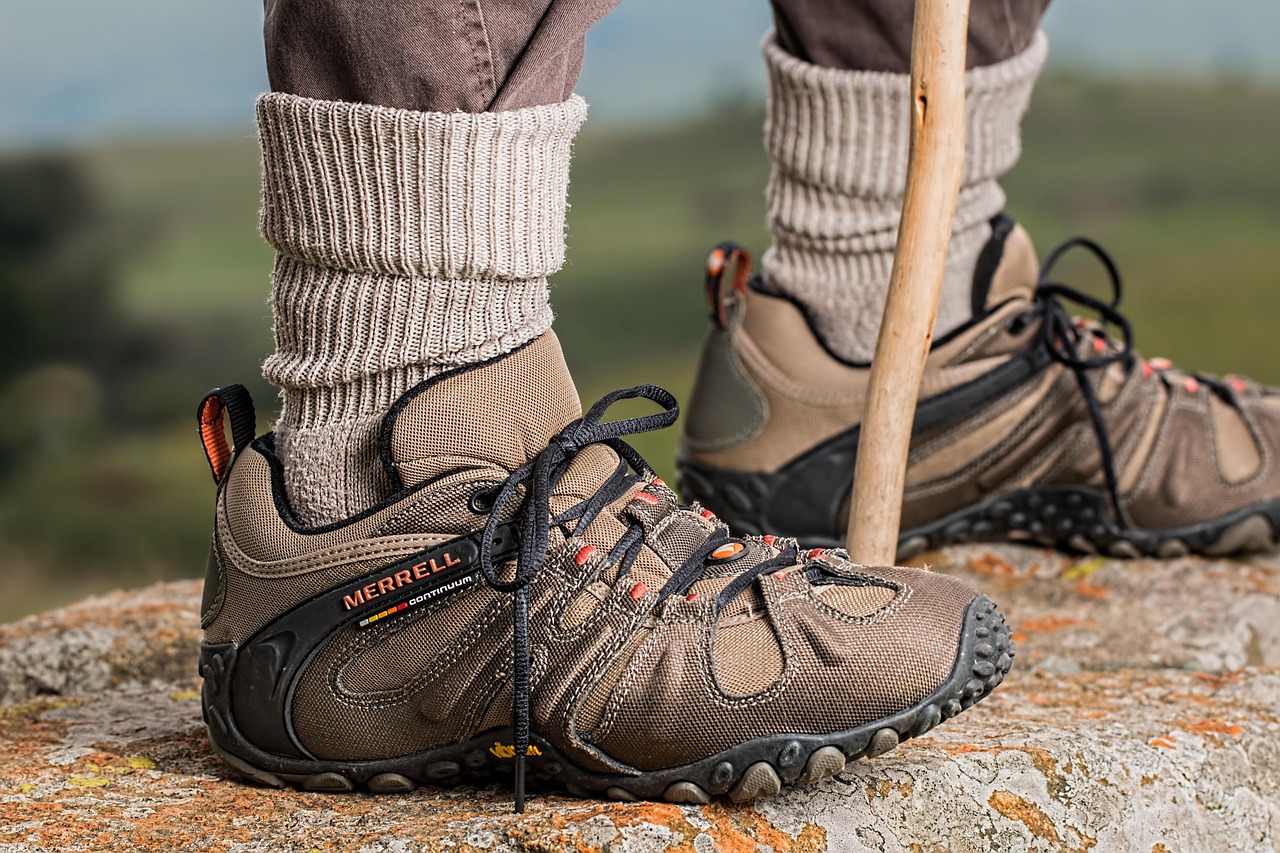
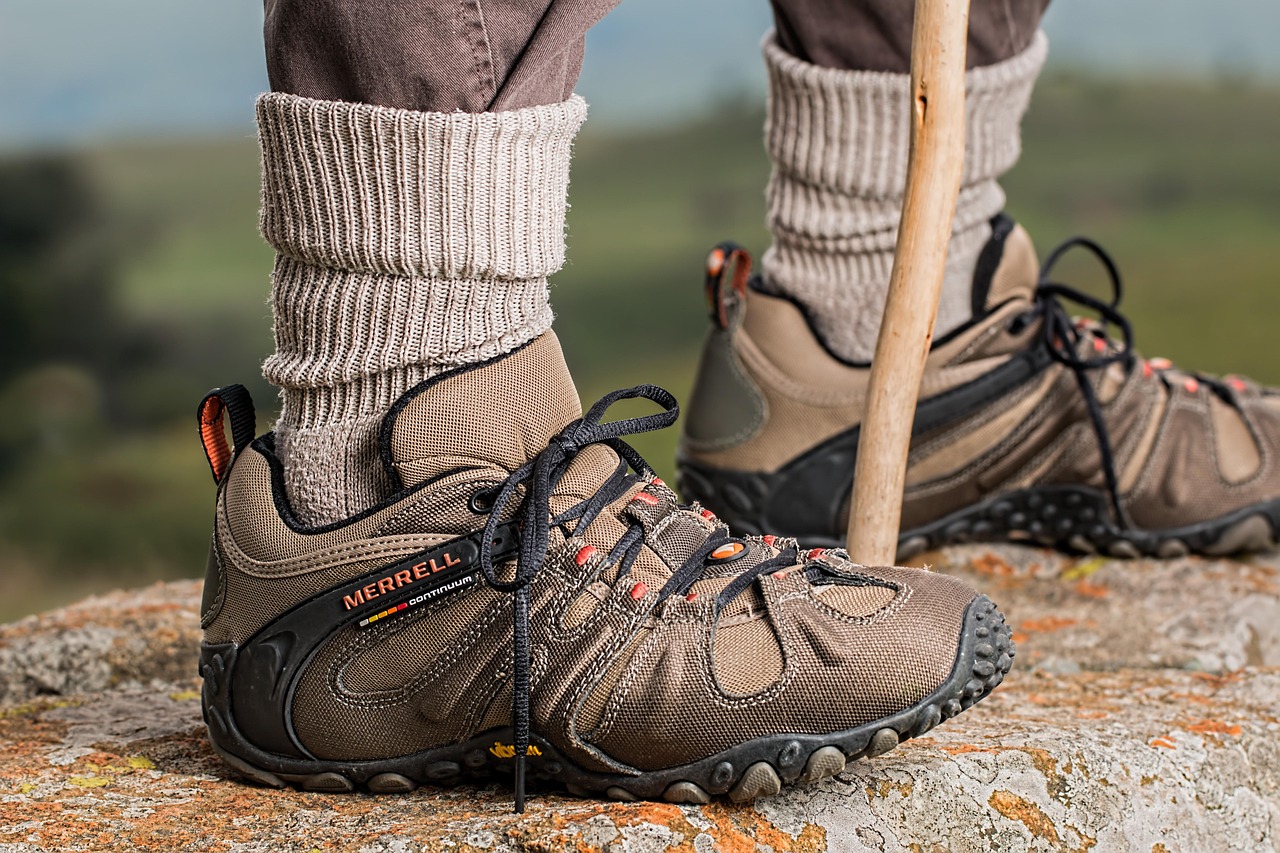
While walking carries low injury risk, overuse issues occasionally arise. Proper footwear forms the foundation of injury prevention—invest in quality walking shoes with adequate cushioning and support, replacing them every 300-500 miles. Gradual progression prevents most overuse injuries; never increase distance and intensity simultaneously.
Common issues like plantar fasciitis, shin splints, or knee discomfort often stem from doing too much too soon. If pain persists beyond 48 hours or worsens during activity, consult healthcare professionals. Most minor issues resolve with brief rest periods and addressing the underlying cause, whether biomechanical or training-related.
🌟 Long-Term Sustainability: Making Walking a Lifelong Practice
The ultimate goal isn’t completing a 12-week plan but establishing walking as a permanent lifestyle component. Sustainability requires shifting from motivation to habit—making walking automatic rather than requiring daily willpower. Anchor walking to existing routines: always walk after morning coffee, during lunch, or before dinner. This association creates automaticity over time.
Variety prevents boredom that undermines long-term adherence. Rotate between different routes, paces, and purposes for walks. Some days prioritize speed for fitness, others emphasize leisure and nature appreciation. This variation provides mental freshness while maintaining physical benefits.
Setting new challenges after completing initial plans maintains engagement. Sign up for charity walks, explore hiking trails of increasing difficulty, or set ambitious distance goals like walking a marathon over a month. These evolving targets provide continued purpose beyond basic fitness maintenance.
Transformative Power: Real Changes From Consistent Walking
The cumulative effect of graded walking plans extends far beyond individual walks. Over months and years, consistent walking literally reshapes your body—increasing bone density, improving joint health, strengthening muscles, and enhancing cardiovascular capacity. These physical changes translate to functional improvements that enhance quality of life at any age.
Metabolic benefits include improved insulin sensitivity, better blood sugar regulation, and favorable changes in cholesterol profiles. These internal improvements reduce risks for chronic diseases while increasing healthspan—the years lived in good health. Walking represents one of the most cost-effective preventive medicine strategies available.
Perhaps most profoundly, establishing a walking practice builds self-confidence through demonstrated capability. Each completed walk proves your commitment to self-care. This psychological shift often catalyzes positive changes in other life areas—nutrition choices, stress management, sleep habits—creating a wellness ripple effect.
Graded walking plans offer accessible entry to improved health regardless of current fitness level. By respecting your body’s need for gradual adaptation while systematically challenging it with progressive demands, these plans build sustainable fitness. The journey transforms not just your physical capabilities but your relationship with movement itself. Walking becomes not something you must do but something you get to do—a daily opportunity to invest in your health, clear your mind, and step confidently toward greater well-being. Start where you are, progress thoughtfully, and trust the process. Your future self will thank you for every step taken today.