Getting fit doesn’t require an expensive gym membership or fancy equipment. With dedication and the right approach, you can transform your body using minimal tools right in your living room.

The fitness revolution has moved beyond commercial gyms, and home workouts have proven just as effective when executed properly. Whether you’re a busy professional, a parent juggling multiple responsibilities, or simply someone who prefers privacy while exercising, this comprehensive guide will show you how to achieve remarkable results with minimal equipment and maximum commitment.
Why Minimal-Equipment Workouts Are Incredibly Effective 💪
Before diving into the routine itself, it’s important to understand why bodyweight and minimal-equipment exercises deliver such impressive results. The human body is designed to move through various planes of motion, and these movements don’t necessarily require machines to be effective.
Minimal-equipment training forces your body to engage stabilizer muscles that machines often neglect. When you perform a push-up versus using a chest press machine, you’re activating your core, shoulders, and countless smaller muscle groups that contribute to functional strength and balanced development.
Research consistently shows that consistency matters more than equipment sophistication. A person who trains regularly at home with basic tools will outperform someone with a premium gym membership who only shows up sporadically. The convenience factor alone makes home workouts a sustainable long-term solution.
Essential Equipment That Won’t Break the Bank
While this routine emphasizes minimal equipment, investing in a few strategic items can dramatically expand your exercise options and progression potential. Here’s what you actually need:
- Resistance Bands: Versatile, portable, and available in various resistance levels for progressive overload
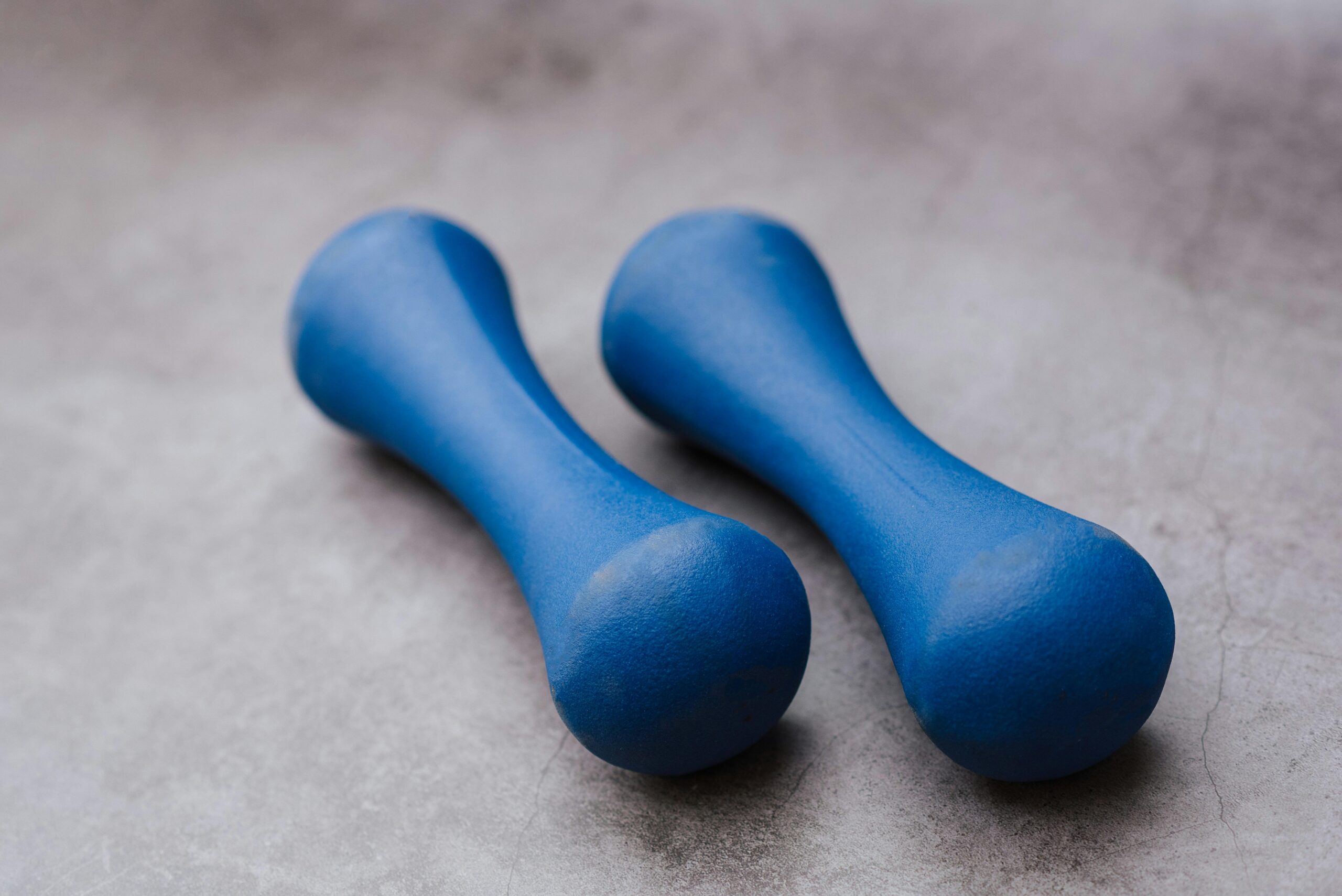
- A Single Set of Adjustable Dumbbells: Ranging from 10-50 pounds covers most strength training needs
- Pull-Up Bar: Doorway-mounted options work perfectly for upper body development
- Exercise Mat: Provides cushioning for floor exercises and stretching
- Jump Rope: Exceptional cardiovascular tool that costs less than a coffee
Total investment? Typically under $200, which is less than three months of most gym memberships. These tools will last years and provide endless workout variations as your fitness level advances.
The Complete Home Transformation Routine
This program follows a four-day split that allows adequate recovery while maximizing results. Each session takes approximately 45-60 minutes including warm-up and cool-down periods.
Day 1: Upper Body Push Movements
Push exercises target your chest, shoulders, and triceps. These compound movements build functional upper body strength while improving posture and shoulder stability.
Push-Up Variations (3 sets of 12-15 reps): Start with standard push-ups. As you progress, elevate your feet on a chair or perform diamond push-ups for increased difficulty. Keep your core tight throughout the movement.
Dumbbell Shoulder Press (4 sets of 10-12 reps): Standing or seated, press dumbbells overhead in a controlled manner. This exercise builds impressive shoulder development and functional pressing strength.
Dumbbell Chest Fly (3 sets of 12 reps): Lying on the floor or a bench, open your arms wide with a slight elbow bend, then bring the weights together above your chest. This isolates chest muscles effectively.
Tricep Dips Using Chair (3 sets to failure): Position two chairs or use a sturdy coffee table. Lower your body by bending elbows, then push back up. This bodyweight movement builds strong triceps.
Resistance Band Chest Press (3 sets of 15 reps): Anchor the band behind you and press forward. The constant tension from bands provides a unique stimulus compared to free weights.
Day 2: Lower Body and Core
Lower body training burns significant calories while building the largest muscle groups in your body. These exercises also improve balance, mobility, and athletic performance.
Goblet Squats (4 sets of 12-15 reps): Hold a dumbbell at chest level and squat deeply, keeping your chest proud. This variation teaches proper squat mechanics while building leg strength.
Bulgarian Split Squats (3 sets of 10 reps per leg): Elevate your rear foot on a chair and perform single-leg squats. This unilateral exercise addresses strength imbalances and develops coordination.
Romanian Deadlifts (4 sets of 12 reps): With dumbbells, hinge at the hips while keeping legs relatively straight. This movement targets hamstrings and glutes while teaching the crucial hip hinge pattern.
Jump Squats (3 sets of 15 reps): Explosive bodyweight movements that build power and cardiovascular endurance simultaneously. Land softly to protect joints.
Plank Series (3 rounds): Hold standard plank for 45 seconds, side plank each side for 30 seconds, then reverse plank for 30 seconds. Core strength is foundational for all other movements.
Day 3: Upper Body Pull Movements 🎯
Pull exercises balance the pushing movements from Day 1, targeting your back, biceps, and rear shoulders. These movements improve posture and create that coveted V-tapered physique.
Pull-Ups or Assisted Pull-Ups (4 sets of maximum reps): If full pull-ups are challenging, use a resistance band for assistance or perform negative reps by jumping up and slowly lowering down.
Dumbbell Rows (4 sets of 12 reps per arm): Support yourself with one hand on a chair, row the dumbbell to your hip. Focus on squeezing your shoulder blade back at the top of the movement.
Resistance Band Face Pulls (3 sets of 15 reps): Anchor the band at head height and pull toward your face, separating hands at the end. This exercise builds rear deltoids and improves shoulder health.
Bicep Curls (3 sets of 12-15 reps): Standard curls remain effective. Focus on controlling the negative portion of each rep rather than using momentum.
Superman Holds (3 sets of 30-45 seconds): Lying face down, simultaneously lift arms and legs off the ground. This strengthens the often-neglected lower back muscles.
Day 4: Full Body and Conditioning
This metabolic session combines strength and cardio elements to maximize calorie burn and improve overall conditioning. The pace should be moderate to high throughout.
Burpees (4 sets of 10-15 reps): The ultimate full-body exercise that builds strength and endurance. Modify by stepping back instead of jumping if needed.
Dumbbell Thrusters (3 sets of 15 reps): Squat with dumbbells at shoulders, then press overhead as you stand. This compound movement works virtually every major muscle group.
Jump Rope Intervals (5 rounds of 2 minutes): Jump rope vigorously for two minutes, rest 30 seconds, repeat. This develops cardiovascular capacity and coordination.
Mountain Climbers (3 sets of 30 seconds): In plank position, drive knees toward chest alternately at a rapid pace. Excellent for core strength and conditioning.
Turkish Get-Ups (3 sets of 5 per side): This complex movement from floor to standing while holding a weight overhead builds total body coordination and stability.
Progressive Overload: The Secret to Continuous Results
Simply repeating the same workouts indefinitely won’t produce ongoing improvements. Your body adapts quickly, requiring systematic progression to continue making gains. Progressive overload can be implemented through several methods.
Increase weight when you can comfortably complete the upper end of the rep range with proper form. If the program calls for 10-12 reps and you can easily perform 12, it’s time to add weight for the next session.
Add volume by including additional sets once your recovery capacity allows. Start with the prescribed sets, then gradually add one more set every few weeks as your work capacity improves.
Decrease rest periods between sets to increase workout density. If you initially rest 90 seconds between sets, gradually reduce to 60 seconds over several weeks while maintaining performance.
Increase exercise difficulty through advanced variations. Regular push-ups become decline push-ups, which eventually progress to one-arm push-ups as your strength develops.
Nutrition Fundamentals for Home Fitness Success 🥗
Exercise represents only one component of body transformation. Nutrition arguably plays an even larger role in determining your results. You cannot out-train a poor diet, regardless of how intense your workouts become.
Protein intake should be prioritized, targeting approximately 0.8-1 gram per pound of bodyweight daily. This supports muscle recovery and growth while increasing satiety. Quality sources include chicken, fish, eggs, Greek yogurt, and plant-based options like lentils and tofu.
Caloric intake must align with your specific goals. Fat loss requires a moderate deficit of 300-500 calories below maintenance, while muscle building needs a slight surplus of 200-300 calories above maintenance. Track intake for at least two weeks to establish awareness.
Hydration impacts performance dramatically. Aim for half your bodyweight in ounces daily as a baseline, more on training days. Even mild dehydration reduces strength output and recovery capacity.
Meal timing, while less critical than total intake, can optimize results. Consuming protein and carbohydrates within two hours post-workout supports optimal recovery and muscle protein synthesis.
Tracking Progress Beyond the Scale
The bathroom scale provides limited information and can be misleading due to water retention, food volume, and hormonal fluctuations. Comprehensive progress tracking uses multiple metrics for accurate assessment.
| Measurement Method | Frequency | What It Reveals |
|---|---|---|
| Progress Photos | Every 2 weeks | Visual changes in physique |
| Body Measurements | Monthly | Specific area changes (chest, waist, arms, thighs) |
| Performance Metrics | Each workout | Strength increases and endurance improvements |
| Body Weight | Weekly average | Overall weight trends |
| Energy Levels | Daily | Recovery adequacy and overall health |
Performance improvements often precede visible physique changes. If your push-up numbers increase from 20 to 40, or your dumbbell press weight doubles, muscle development is definitely occurring even if the mirror hasn’t caught up yet.
Recovery Strategies That Maximize Adaptation
Growth doesn’t happen during workouts but rather during recovery periods. Training provides the stimulus, but rest and recovery allow adaptation to occur. Neglecting recovery undermines all your hard work in the gym.
Sleep quality ranks as the single most important recovery tool. Target 7-9 hours nightly in a cool, dark environment. Sleep deprivation increases cortisol, reduces testosterone, impairs cognitive function, and decreases workout performance.
Active recovery on off-days promotes blood flow without causing additional stress. Light walking, swimming, yoga, or stretching sessions help clear metabolic waste products while maintaining movement quality.
Foam rolling and mobility work address muscle tension and maintain joint range of motion. Spend 10-15 minutes daily addressing tight areas, particularly hips, thoracic spine, and shoulders for most people.
Stress management through meditation, deep breathing, or enjoyable hobbies prevents cortisol elevation that interferes with recovery. Chronic psychological stress impacts physical recovery just as much as training stress.
Common Mistakes That Sabotage Home Training Results
Even with the best intentions, several pitfalls commonly derail home fitness enthusiasts. Awareness of these mistakes helps you avoid them entirely.
Inconsistency represents the primary reason people fail to see results. Training intensely for two weeks then taking a week off creates a pattern of minimal progress. Moderate consistent effort beats sporadic intense effort every time.
Poor form to complete more reps or use heavier weights increases injury risk while reducing target muscle activation. Perfect technique with lighter loads produces better results than sloppy heavy lifting.
Neglecting warm-up and cool-down periods seems like a time-saver but actually impairs performance and recovery. Invest five minutes preparing your body for work and five minutes helping it transition back to rest.
Expecting overnight transformation sets you up for disappointment. Meaningful body composition changes require 8-12 weeks of consistent effort. Trust the process and focus on weekly improvements rather than daily fluctuations.
Leveraging Technology for Better Results 📱
Modern technology offers powerful tools to enhance your home fitness journey. Workout tracking apps help maintain consistency by logging exercises, sets, reps, and weights used. This data reveals progress patterns and ensures you’re implementing progressive overload effectively.
Video analysis apps allow you to record exercises and review your form, identifying technical issues that might otherwise go unnoticed. This self-coaching capability accelerates learning and reduces injury risk.
Nutrition tracking applications simplify the process of monitoring caloric and macronutrient intake. While tedious initially, even a few weeks of tracking builds intuitive understanding of portion sizes and food composition.
Creating Your Sustainable Home Fitness Lifestyle
Long-term success requires integrating fitness into your lifestyle rather than viewing it as a temporary project. This mindset shift transforms exercise from obligation to opportunity, from burden to privilege.
Schedule workouts as non-negotiable appointments. The same way you wouldn’t skip an important meeting, treat your training sessions with equivalent respect. Consistency comes from priority, not motivation.
Build a dedicated workout space, even if it’s just a corner of your bedroom. Having equipment visible and accessible removes friction and mental barriers to beginning your session.
Find an accountability partner, whether a friend, family member, or online community. Sharing progress, challenges, and victories creates external motivation on days when internal drive wanes.
Celebrate non-scale victories like improved energy, better sleep, enhanced mood, and increased strength. These markers often appear before visible physique changes and deserve recognition.
Your Transformation Starts Now 🚀
The beauty of minimal-equipment home training lies in its accessibility. No more excuses about gym proximity, membership costs, or crowded facilities. Everything you need to transform your physique exists within your own four walls and your commitment to consistent action.
Begin today with whatever equipment you currently possess. Even bodyweight exercises alone produce remarkable results when performed consistently with proper intensity and progressive overload. Add equipment gradually as budget allows and needs evolve.
Remember that perfection isn’t required, only persistence. Some workouts will feel incredible, others will feel challenging. Both contribute to your overall progress. The only truly wasted workout is the one you didn’t do.
Your home fitness transformation isn’t about competing with others or achieving magazine-cover perfection. It’s about becoming stronger, healthier, and more capable than you were yesterday. With this routine, minimal equipment, and unwavering consistency, those results are completely within your reach.