Getting back into fitness after a break can feel overwhelming, but walking offers the perfect low-impact starting point. This comprehensive guide will show you how to rebuild your fitness gradually and safely through graded walking.

Whether you’ve been sidelined by injury, illness, work commitments, or simply life getting in the way, returning to physical activity requires a thoughtful approach. Graded walking—a systematic method of progressively increasing your walking duration and intensity—provides the ideal framework for beginners and those returning after time away from exercise.
🚶 Understanding Graded Walking: Your Foundation for Fitness
Graded walking is a structured approach that involves gradually increasing the duration, frequency, and intensity of your walks over time. Unlike jumping straight into intense exercise routines, this method respects your body’s current fitness level while systematically building capacity.
The beauty of graded walking lies in its adaptability. Your starting point depends entirely on your current fitness level, previous activity history, and any physical limitations you might have. Some people begin with just five minutes of gentle walking, while others might start with fifteen or twenty minutes.
This progressive approach minimizes injury risk while maximizing long-term adherence. Research consistently shows that people who start slowly and build gradually are far more likely to maintain their exercise habits than those who begin too aggressively.
Why Your Body Needs This Gradual Approach
After a break from physical activity, your body undergoes several changes. Your cardiovascular fitness declines, muscles lose strength and endurance, joints may become less mobile, and your overall stamina decreases. These changes are completely normal and reversible, but they require respect and patience.
When you’ve been inactive, your heart becomes less efficient at pumping blood, your muscles contain fewer mitochondria (the powerhouses that produce energy), and your bones may have reduced density. Tendons and ligaments also adapt to reduced load, becoming less resilient to stress.
Graded walking allows these systems to rebuild simultaneously and harmoniously. Your cardiovascular system strengthens, muscles regain endurance, joints lubricate and become more mobile, and connective tissues gradually adapt to increased loading.
📋 Assessing Your Starting Point
Before beginning any exercise program, especially after a prolonged break, consider consulting with a healthcare provider. This is particularly important if you have pre-existing health conditions, are over 40, or experienced injury or illness during your break.
Once cleared for activity, honestly assess your current fitness level. Can you walk comfortably for five minutes? Ten minutes? Fifteen? Notice how you feel during and after a short walk. Do you experience breathlessness, muscle fatigue, joint discomfort, or excessive tiredness afterward?
Your starting point should feel comfortable but slightly challenging. You should be able to hold a conversation while walking (the “talk test”), finish feeling energized rather than exhausted, and recover within a few hours without significant soreness.
The Talk Test and Perceived Exertion
The talk test is a simple yet effective way to monitor intensity. If you can speak in complete sentences while walking, you’re at an appropriate intensity for aerobic conditioning. If you’re too breathless to talk, you’re working too hard for a beginner or return-to-activity program.
Perceived exertion on a scale of 1-10 should remain between 3-5 during your initial weeks. A 3 feels like easy effort with comfortable breathing, while a 5 represents moderate effort where you’re breathing harder but can still converse.
🗓️ Your First Four Weeks: Building the Foundation
The initial phase focuses on establishing consistency rather than pushing limits. Your primary goal is creating a sustainable habit while allowing your body to adapt to regular movement.
Week One: Establishing Your Baseline
Begin with 10-15 minute walks, three times per week, with at least one rest day between sessions. If this feels too challenging, start with just 5-10 minutes. The key is consistency, not duration.
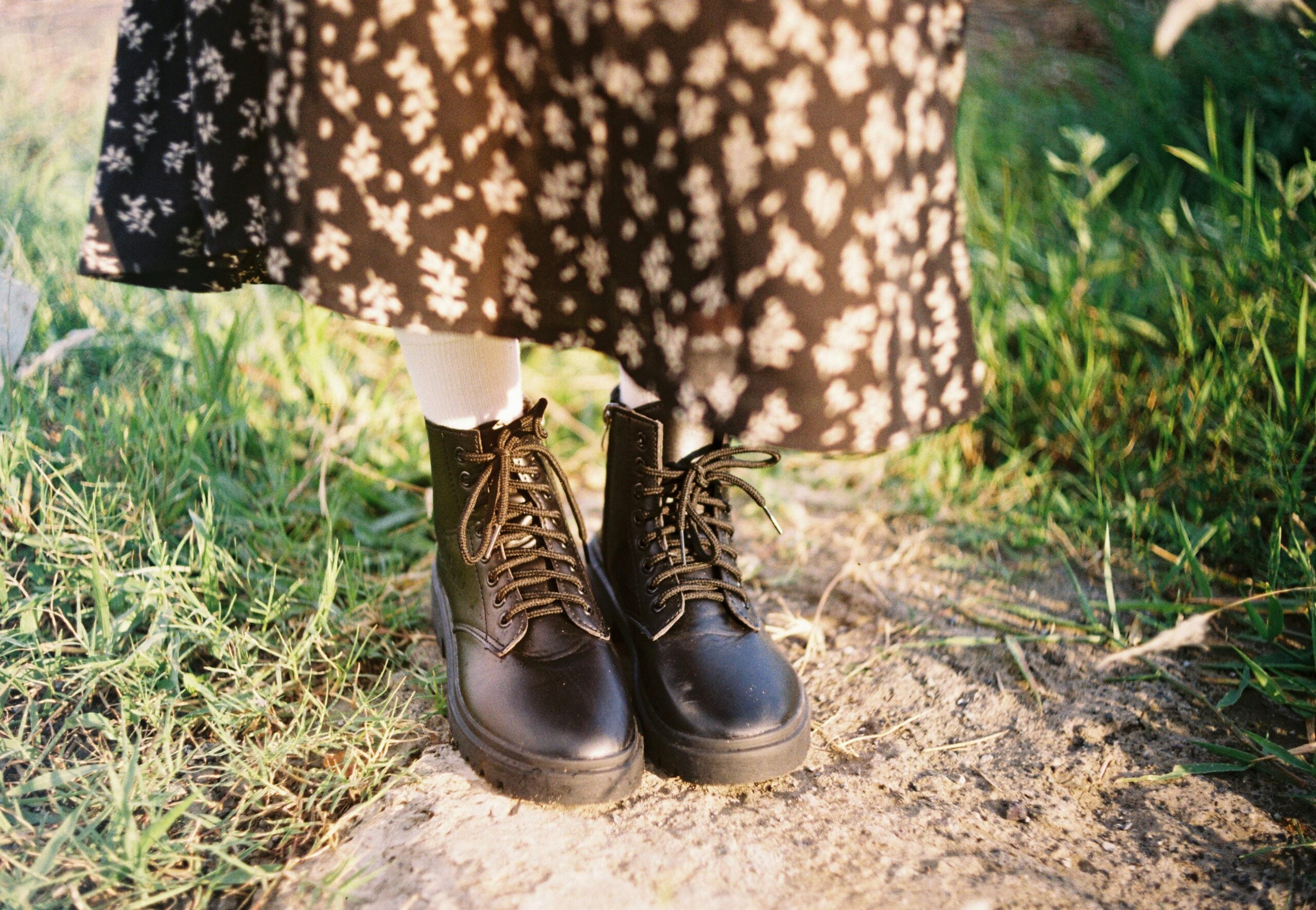
Pay attention to your body’s signals. Mild muscle awareness is normal, but sharp pain, excessive breathlessness, or unusual fatigue suggests you’re doing too much too soon. Walk on flat, even surfaces and wear supportive, comfortable footwear.
Week Two: Adding Frequency
If week one felt manageable, increase to four walking sessions while maintaining the same duration. If week one felt challenging, repeat the same routine until it becomes comfortable. There’s no shame in taking longer to progress—this is about your journey, not arbitrary timelines.
Continue monitoring how you feel during walks and throughout the day. Quality sleep, normal appetite, and feeling refreshed between sessions indicate good recovery.
Week Three: Extending Duration
Add five minutes to each walking session, bringing total duration to 15-20 minutes, four times weekly. Alternatively, add just 2-3 minutes if the jump feels too significant. Small, sustainable increases trump ambitious goals that lead to burnout or injury.
This is when walking apps can become valuable tools for tracking progress and maintaining motivation. Apps like Google Fit, Strava, or specialized walking programs help monitor distance, time, and consistency.
Week Four: Consolidation
Maintain your week three routine or add another five minutes if you’re feeling strong. Remember, consolidation weeks are crucial—they allow your body to fully adapt before the next progression. Many beginners skip this step and end up injured or burned out.
💪 Weeks Five Through Eight: Building Endurance
With a solid foundation established, you can now focus on building endurance. This phase involves gradually extending duration and potentially increasing frequency.
Aim to add 5-10% to your total weekly walking time each week. For example, if you’re walking 80 minutes weekly (four 20-minute sessions), increase by 8 minutes the following week. This might mean adding two minutes to each session or one extra five-minute session.
By week eight, many people reach 25-30 minutes per session, five times weekly. However, your progression might be slower or faster—both are perfectly acceptable. The goal is continuous, sustainable improvement.
Introducing Variety
Once you’re comfortable with consistent duration, introduce environmental variety. Walk different routes, explore new neighborhoods, or visit parks with varied terrain. This variety keeps your mind engaged and challenges your body in new ways.
Slight inclines provide additional challenge without requiring longer duration. Start with gentle hills, focusing on maintaining your normal pace uphill and controlling your speed downhill.
🎯 Weeks Nine Through Twelve: Adding Intensity
After two months of consistent walking, you’re ready to incorporate intensity variations. This doesn’t mean running or power walking—instead, you’ll introduce intervals of slightly brisker walking within your regular sessions.
During a 30-minute walk, include 3-5 intervals where you walk at a slightly faster pace for 1-2 minutes, followed by 3-4 minutes of your normal pace. These intervals should feel challenging but manageable, raising your heart rate noticeably without leaving you gasping.
Monitoring Your Heart Rate
If you have access to a fitness tracker or smartwatch, monitoring heart rate provides objective feedback. For moderate-intensity walking, aim for 50-70% of your maximum heart rate (roughly 220 minus your age).
However, perceived exertion remains equally valid. You should still be able to speak in sentences during intensity intervals, though breathing will be noticeably harder.
⚠️ Warning Signs and When to Scale Back
Progressive training requires balancing challenge with caution. Certain warning signs indicate you’re progressing too quickly or need medical attention.
- Persistent joint pain that worsens during or after walks
- Chest pain, pressure, or unusual discomfort in the chest area
- Extreme breathlessness that doesn’t improve with rest
- Dizziness, lightheadedness, or feeling faint during or after exercise
- Prolonged fatigue that affects daily activities
- Sleep disturbances or persistent muscle soreness lasting more than 48 hours
- Loss of appetite or unexplained weight loss
- Elevated resting heart rate that remains high for several days
If you experience any of these symptoms, reduce your walking intensity and duration. If symptoms persist or are severe, consult a healthcare provider before continuing your program.
🥾 Essential Equipment and Preparation
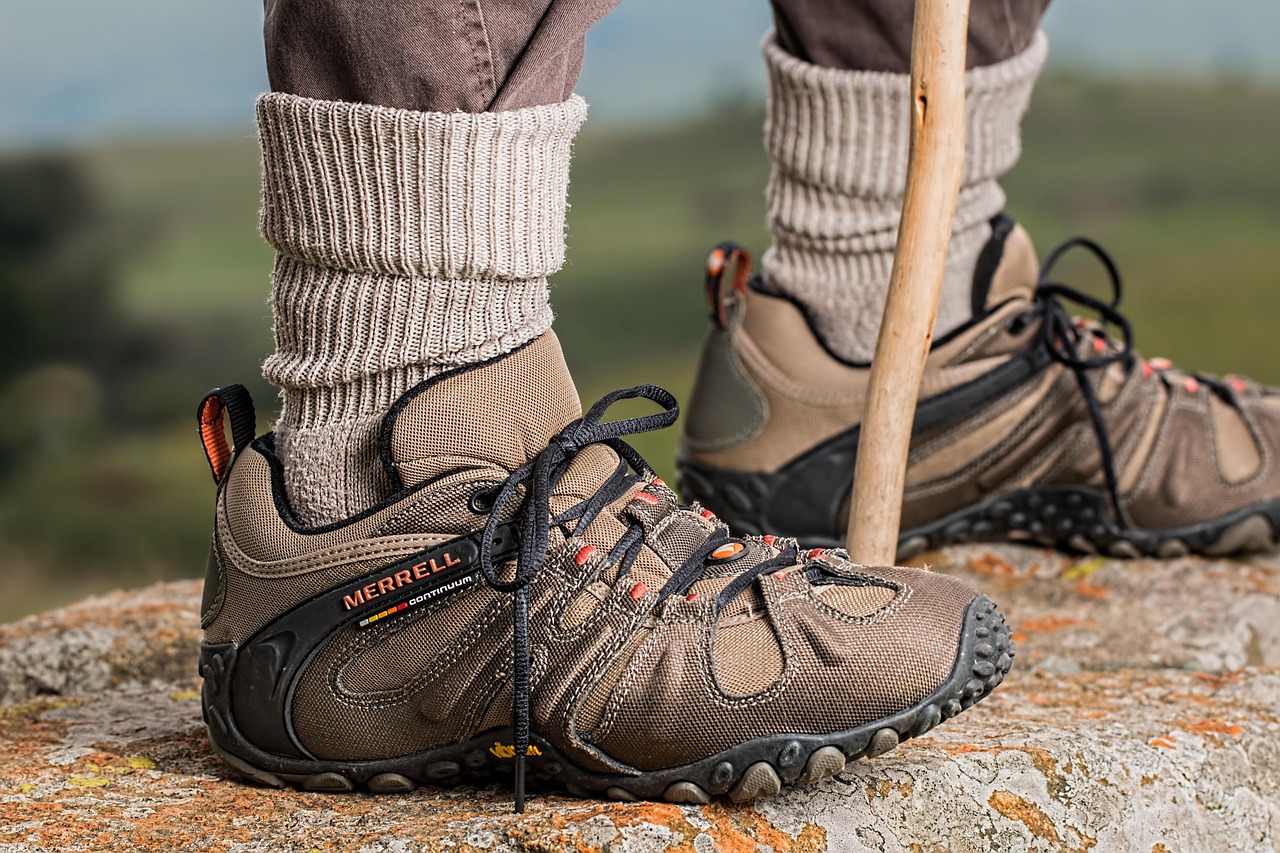
Walking requires minimal equipment, but investing in proper footwear dramatically improves comfort and reduces injury risk. Visit a specialty running or walking store where staff can analyze your gait and recommend appropriate shoes.
Replace walking shoes every 300-500 miles or when you notice reduced cushioning, worn treads, or decreased support. Many walkers underestimate how quickly shoes degrade with regular use.
Additional Useful Gear
While not essential, certain items enhance the walking experience. Moisture-wicking clothing keeps you comfortable in various weather conditions. A water bottle ensures proper hydration, especially for walks exceeding 20 minutes. Sunscreen and a hat protect against sun exposure during outdoor sessions.
For early morning or evening walks, reflective gear or a headlamp improves visibility and safety. Many walkers enjoy listening to music, podcasts, or audiobooks, making wireless earbuds a popular addition.
🌤️ Adapting to Weather and Seasons
Consistency matters more than perfect conditions. Learning to walk in various weather conditions prevents breaks in your routine and builds mental resilience.
In hot weather, walk during cooler morning or evening hours, increase hydration, wear light-colored clothing, and reduce intensity as needed. In cold weather, dress in layers you can remove, protect extremities with gloves and hats, and warm up indoors before heading out.
Rainy weather requires waterproof outerwear and extra caution on slippery surfaces. Icy conditions may necessitate indoor alternatives like mall walking, treadmills, or indoor tracks at community centers.
🧠 The Mental Game: Staying Motivated
Physical adaptation is only half the challenge—maintaining motivation determines long-term success. Understanding motivation strategies helps you push through inevitable low-motivation periods.
Set process goals rather than outcome goals. Instead of “lose 20 pounds,” focus on “walk four times weekly for 30 minutes.” Process goals are entirely within your control and provide frequent wins that fuel continued effort.
Creating Accountability
Find a walking partner who shares similar goals and availability. Social commitment dramatically increases adherence. If in-person partners aren’t available, join online walking communities or challenges.
Many apps feature community challenges, virtual races, or social sharing features that create external accountability. Tracking streaks—consecutive days or weeks meeting your goal—provides powerful psychological motivation.
📈 Tracking Progress Beyond the Scale
Weight loss often motivates people to start exercising, but it’s an unreliable short-term progress measure. Instead, track metrics that reflect your improving fitness and health.
| Metric | How to Measure | Expected Improvement Timeline |
|---|---|---|
| Resting Heart Rate | Measure pulse for 60 seconds upon waking | 2-3 beats lower after 8-12 weeks |
| Distance Covered | Track how far you walk in 30 minutes | 10-20% increase after 8-12 weeks |
| Recovery Time | Note how quickly breathing normalizes post-walk | Noticeably faster after 4-6 weeks |
| Daily Energy | Subjective rating of energy levels throughout day | Improved after 2-4 weeks |
| Sleep Quality | Subjective rating or sleep tracking apps | Improved after 2-3 weeks |
These non-scale victories often appear before weight changes and provide motivation to continue when the scale isn’t cooperating.
🔄 Plateaus and Continued Progression
After three months of graded walking, you’ll likely reach a plateau where progress seems to stall. This is normal and actually indicates successful adaptation—your body has become efficient at your current routine.
To continue improving, introduce new challenges. Increase total weekly volume, add more interval work, incorporate hills or stairs, extend your longest walk of the week, or reduce rest periods between interval segments.
Alternatively, branch into complementary activities. Add bodyweight strength exercises twice weekly, try swimming or cycling once weekly, or join a beginner fitness class. Cross-training prevents overuse injuries while building comprehensive fitness.

🎉 Celebrating Your Transformation
After twelve weeks of consistent graded walking, you’ve accomplished something significant. You’ve built a sustainable exercise habit, dramatically improved your cardiovascular fitness, strengthened muscles and bones, and proven your commitment to health.
More importantly, you’ve learned that fitness isn’t about dramatic transformations or extreme efforts—it’s about consistent, sustainable practices that become part of your lifestyle. The walking habit you’ve built serves as a foundation for lifelong health and fitness.
As you continue your journey, remember that setbacks are normal. Illness, injury, travel, or life stress may interrupt your routine. When this happens, simply return to an appropriate starting point and rebuild gradually. Your body remembers previous fitness levels and regains them more quickly than initial development—a phenomenon called “muscle memory.”
Keep walking, keep progressing, and most importantly, enjoy the process. Every step forward is a victory worth celebrating! 🎊