Indoor graded walking on treadmills has revolutionized the way fitness enthusiasts approach cardiovascular training and endurance building in controlled environments.

Whether you’re a beginner looking to establish a solid fitness foundation or an experienced athlete seeking to enhance your training regimen, incorporating incline walking into your treadmill workouts offers remarkable benefits that extend far beyond simple flat-surface walking. This comprehensive guide will walk you through everything you need to know about maximizing your health and endurance through strategic treadmill incline training.
🏃♀️ Understanding the Science Behind Incline Walking
When you adjust the incline on your treadmill, you’re fundamentally changing the biomechanics of your workout. Graded walking simulates uphill terrain, which increases the intensity of your exercise without requiring you to increase your speed. This approach activates different muscle groups and demands more energy expenditure from your cardiovascular system.
Research consistently demonstrates that walking on an incline can burn up to 50% more calories than walking on a flat surface at the same speed. The posterior chain muscles—including your glutes, hamstrings, and calves—engage more intensely, providing superior muscle toning and strength development compared to standard walking.
The cardiovascular benefits are equally impressive. Your heart rate elevates significantly with even modest incline adjustments, improving cardiac output and overall cardiovascular efficiency. This makes incline walking an excellent option for those who cannot or prefer not to engage in high-impact running.
Setting Up Your Treadmill Workstation for Success
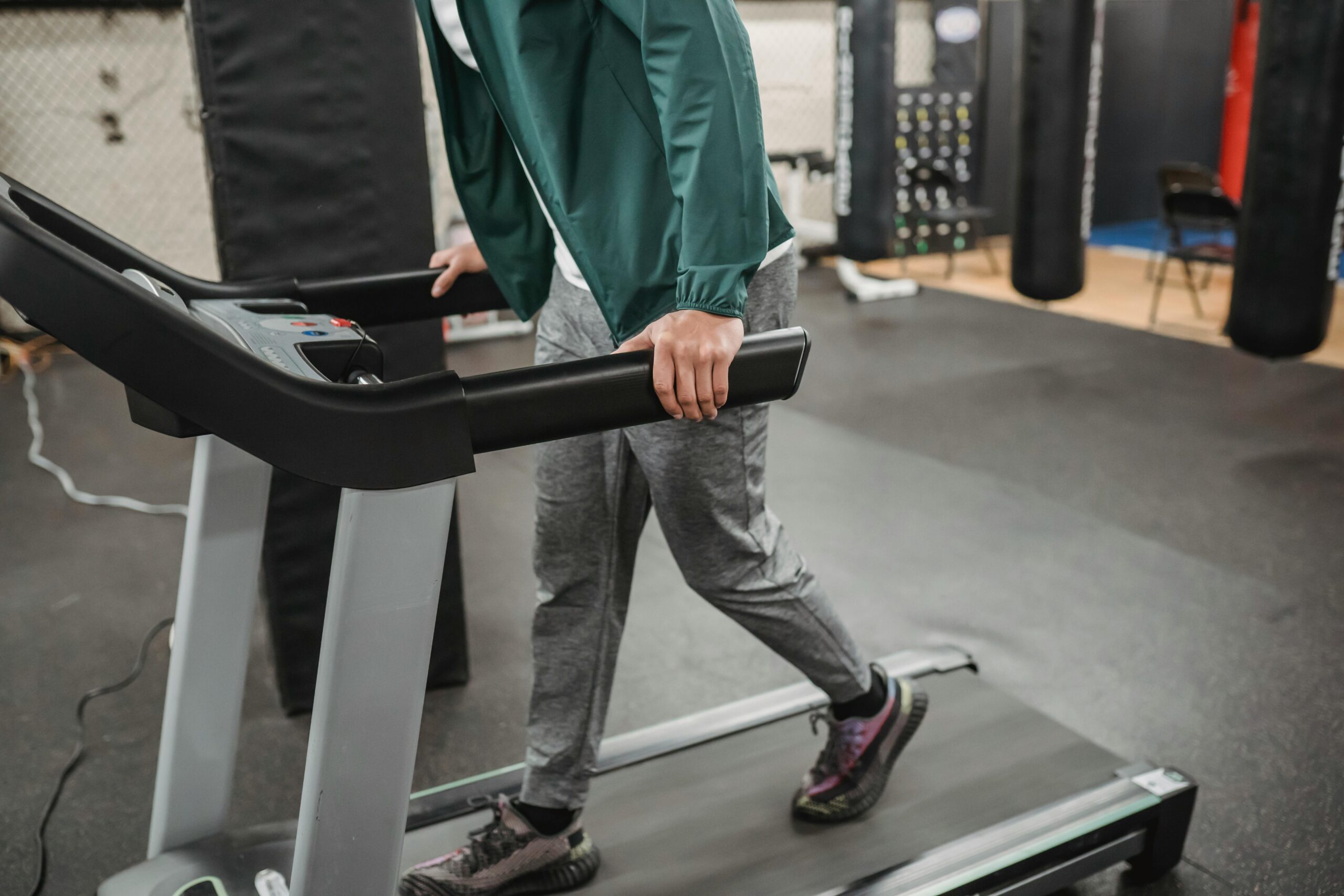
Before diving into your incline walking routine, proper setup is essential for safety and effectiveness. Position yourself in the center of the treadmill belt, maintaining a comfortable distance from the console without leaning forward or holding onto the handrails excessively.
The handrails serve primarily as safety features for mounting and dismounting, not as continuous support during your workout. Gripping them throughout your session compromises posture, reduces calorie burn, and negates many benefits of incline training. If you find yourself needing constant handrail support, reduce either your speed or incline until you can maintain proper form.
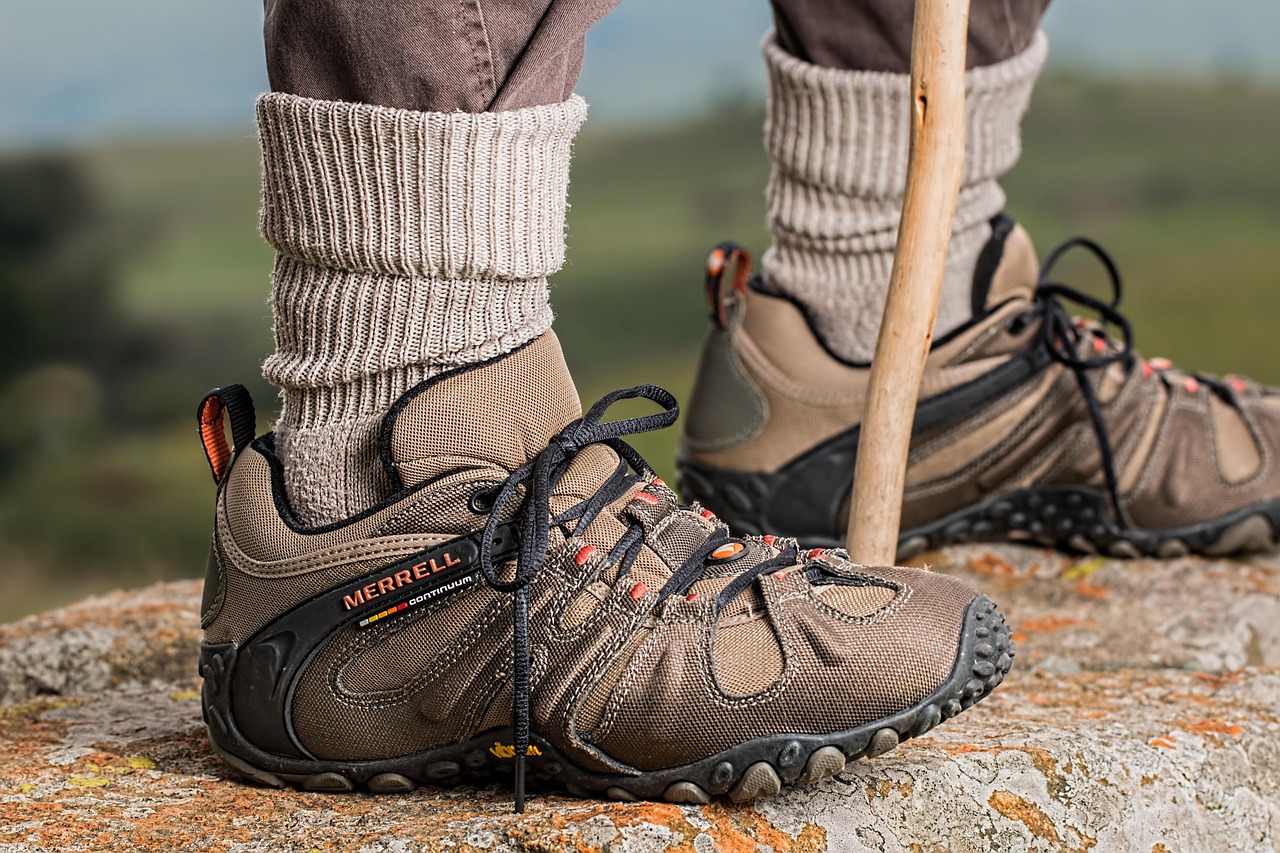
Proper footwear cannot be overstated. Invest in quality walking or running shoes with adequate cushioning and arch support. Replace them every 300-500 miles to ensure optimal shock absorption and prevent injury.
Calibrating Your Incline Settings
Most modern treadmills offer incline ranges from 0% to 15%, with some commercial models extending to 20% or beyond. Understanding what these percentages represent helps you structure effective workouts:
- 0-2%: Mimics flat outdoor walking with minimal air resistance compensation
- 3-5%: Gentle hills, ideal for beginners and warm-up phases
- 6-10%: Moderate inclines that significantly challenge cardiovascular fitness
- 11-15%: Steep grades that build serious strength and endurance
- 15%+: Advanced training simulating mountain terrain
Designing Your Progressive Incline Walking Program
The key to sustainable fitness improvement lies in progressive overload—gradually increasing the challenge your body faces. A well-structured incline walking program considers your current fitness level, goals, and time availability.
Beginner Protocol: Building Your Foundation
If you’re new to structured exercise or returning after an extended break, start conservatively. Begin with 15-20 minute sessions at a comfortable walking pace (2.5-3.5 mph) on a flat surface for the first week. This acclimatization period allows your body to adapt to regular movement patterns.
Week two introduces gentle inclines. Add 1-2% grade for 5-minute intervals during your walks, returning to flat walking between incline segments. Listen to your body’s feedback regarding breathing difficulty and muscle fatigue. By week four, aim for 30-minute sessions incorporating multiple incline intervals.
Intermediate Advancement: Increasing Intensity
Once you can comfortably complete 30 minutes of walking with intermittent moderate inclines (3-5%), you’re ready for more challenging protocols. Pyramid workouts provide excellent progression opportunities.
Start with a 5-minute warm-up at 0% incline, then increase the grade by 1-2% every 2-3 minutes until reaching your peak incline (typically 8-10% for intermediate exercisers). Maintain that peak for 3-5 minutes before descending the pyramid, decreasing incline at the same intervals. Conclude with a 5-minute cool-down at minimal incline.
Advanced Training: Maximizing Performance
Advanced practitioners can incorporate high-intensity incline intervals. The “12-3-30” workout—popularized on social media—exemplifies this approach: 12% incline, 3 mph speed, for 30 minutes. While effective, this protocol suits only those with established cardiovascular fitness and lower body strength.
Alternatively, create custom interval sessions alternating between steep inclines (10-15%) at moderate speeds and recovery periods at lower grades. These workouts dramatically improve VO2 max and lactate threshold while building exceptional leg strength.
💪 Muscle Groups Activated During Incline Walking
Understanding which muscles work during graded walking helps you appreciate the full-body benefits and identify areas requiring additional attention or stretching.
The gastrocnemius and soleus muscles in your calves work overtime during incline walking, propelling you forward and upward with each step. This consistent engagement develops muscular endurance and definition in your lower legs.
Your quadriceps, particularly the vastus medialis, engage intensely to control your descent during each step and power the subsequent push-off. This contributes to improved knee stability and overall leg strength.
The gluteus maximus—your body’s largest muscle—activates significantly more during incline walking compared to flat-surface ambulation. This activation contributes to improved posterior chain strength, better posture, and enhanced athletic performance in virtually all activities.
Core muscles, including your abdominals and erector spinae, maintain stability throughout the movement. Proper incline walking effectively serves as a dynamic core workout, improving balance and reducing lower back pain when performed with correct posture.
Cardiovascular Adaptations and Heart Health Benefits
Regular incline walking triggers remarkable cardiovascular adaptations that extend well beyond the treadmill. Your heart becomes more efficient at pumping blood, increasing stroke volume—the amount of blood ejected with each heartbeat—while reducing resting heart rate over time.
This improved cardiac efficiency translates to better oxygen delivery throughout your body, enhancing energy levels during daily activities. Blood pressure typically decreases in those with hypertension, while healthy individuals maintain optimal cardiovascular function as they age.
The endurance gains from consistent incline training prove substantial. Activities that once left you breathless—climbing stairs, hiking, or carrying groceries—become notably easier as your aerobic capacity expands. This functional fitness improvement dramatically enhances quality of life.
Monitoring Your Heart Rate Zones
Training in appropriate heart rate zones optimizes specific adaptations. Calculate your maximum heart rate using the formula: 220 minus your age. Then determine your target zones:
- Zone 2 (60-70% max HR): Fat burning and aerobic base building
- Zone 3 (70-80% max HR): Cardiovascular fitness and endurance
- Zone 4 (80-90% max HR): Lactate threshold and performance improvement
Most incline walking sessions should occur in Zones 2 and 3, with occasional Zone 4 intervals for advanced practitioners. Investing in a heart rate monitor or using treadmill hand sensors helps maintain appropriate intensity levels.
🔥 Maximizing Calorie Burn and Weight Management
For those pursuing weight loss or body composition improvements, incline walking offers exceptional calorie expenditure relative to joint stress. A 150-pound person burns approximately 300-400 calories during a 45-minute incline walking session, depending on speed and grade.
The metabolic boost extends beyond your workout. Incline walking creates an “afterburn effect” (excess post-exercise oxygen consumption), where your body continues burning additional calories for hours after finishing. This effect intensifies with higher-intensity interval sessions.
Unlike restrictive diets that often trigger metabolic slowdown, regular exercise maintains or increases your basal metabolic rate. Combined with balanced nutrition, incline walking creates sustainable fat loss while preserving lean muscle tissue.
Nutrition Timing for Optimal Performance
What and when you eat significantly impacts your incline walking performance. Consume a light snack containing carbohydrates and protein 60-90 minutes before workouts lasting longer than 45 minutes. Options include a banana with almond butter or whole-grain toast with Greek yogurt.
Stay hydrated before, during, and after exercise. Aim for 16-20 ounces of water 2-3 hours pre-workout, sip water every 15-20 minutes during extended sessions, and rehydrate thoroughly afterward. Proper hydration maintains performance and accelerates recovery.
Injury Prevention and Form Optimization
While incline walking offers lower injury risk than many exercises, improper technique or excessive progression can still cause problems. Maintaining proper form throughout your workout is non-negotiable for long-term success.
Keep your posture upright with shoulders back and down, avoiding the temptation to lean forward as incline increases. Your gaze should remain forward, not downward at your feet or the console. Engage your core muscles to support your spine and maintain stability.
Strike the treadmill with your heel first, rolling through to your toe for push-off. Avoid landing flat-footed or on your toes, which can stress joints and reduce efficiency. Your steps should feel natural and rhythmic, not forced or awkward.
Common Mistakes to Avoid
Gripping the handrails ranks as the most frequent error. This posture disrupts natural arm swing, reduces core engagement, and diminishes calorie burn. If balance feels challenging, decrease either speed or incline until you can walk hands-free comfortably.
Taking excessively long or short strides compromises efficiency and increases injury risk. Your stride length should feel natural, adjusting slightly with speed changes but remaining comfortable throughout.
Progressing too rapidly leads to overuse injuries. Increase either duration, speed, or incline—never all three simultaneously. The 10% rule serves as an excellent guideline: increase total workout volume by no more than 10% weekly.
📱 Technology and Tracking Your Progress
Modern fitness technology transforms how we approach and monitor incline walking workouts. Smartphone apps, wearable devices, and smart treadmills provide valuable data that guides training decisions and maintains motivation.
Many treadmills now feature built-in workout programs specifically designed for incline training, automatically adjusting speed and grade throughout your session. These guided workouts remove guesswork while ensuring progressive challenge.
Fitness tracking applications allow you to log workouts, monitor trends, and set achievable goals. Recording metrics like average heart rate, calories burned, distance covered, and total elevation gain provides tangible evidence of improvement that fuels continued commitment.
Wearable fitness trackers and smartwatches offer real-time feedback during workouts, alerting you when heart rate strays outside target zones and automatically detecting workout types. This continuous monitoring optimizes training intensity and prevents overexertion.
Creating Workout Variety to Prevent Plateaus
Your body adapts remarkably well to repeated stimuli, which is why workout variety proves essential for continued progress. Incorporating different incline walking protocols prevents adaptation plateaus and maintains mental engagement.
Steady-state sessions involve maintaining consistent speed and incline throughout your workout, building aerobic endurance and mental toughness. These longer, moderate-intensity sessions form your training foundation.
Interval training alternates between high-intensity efforts and recovery periods. Try 2 minutes at challenging incline followed by 1 minute at lower grade, repeating this cycle throughout your session. Intervals improve both aerobic and anaerobic capacity.
Progressive incline challenges start at zero grade and increase incline every few minutes without changing speed. See how high you can climb before needing to reduce intensity—an excellent benchmark for tracking improvement.
🎯 Goal Setting and Long-Term Success Strategies
Sustainable fitness transformation requires clear goals and strategic planning. Vague aspirations like “get healthier” lack the specificity needed to drive consistent action and measure progress effectively.
Establish SMART goals: Specific, Measurable, Achievable, Relevant, and Time-bound. Instead of “walk more,” commit to “complete three 30-minute incline walking sessions weekly for the next eight weeks, progressively increasing average incline from 3% to 6%.”
Track objective metrics that demonstrate improvement. Beyond weight on the scale, monitor resting heart rate, workout completion rates, average heart rate during standard sessions, and subjective energy levels. These multifaceted measurements paint a complete picture of your progress.
Building Sustainable Habits
Consistency trumps intensity for long-term success. Three moderate 30-minute sessions weekly outperform sporadic intense workouts interrupted by extended breaks. Schedule your incline walking appointments like important meetings—non-negotiable commitments to yourself.
Identify your optimal workout timing based on personal preference and schedule realities. Morning exercisers often report better adherence since fewer competing demands arise early in the day. Evening workouts suit others better, providing stress relief after demanding workdays.
Create accountability structures that support your commitment. Workout partners, fitness communities, or simply sharing goals with supportive friends significantly improves adherence rates. Social connection transforms exercise from solitary obligation to shared experience.
Recovery and Regeneration Protocols
What happens between workouts matters as much as the training itself. Recovery allows your body to adapt, strengthen, and prepare for subsequent challenges. Neglecting recovery invites overtraining, injury, and burnout.
Prioritize sleep as your most powerful recovery tool. Aim for 7-9 hours nightly, maintaining consistent sleep and wake times. During sleep, your body releases growth hormone, repairs tissues, and consolidates the adaptations triggered by exercise.
Active recovery days featuring gentle movement like easy walking, yoga, or swimming promote blood flow without imposing additional training stress. These sessions accelerate muscle recovery while maintaining your exercise routine.
Post-workout stretching deserves special attention. Focus on calves, hamstrings, hip flexors, and quadriceps—all heavily engaged during incline walking. Hold each stretch for 30-60 seconds, breathing deeply and avoiding bouncing movements.
Adapting Incline Walking for Special Populations
Incline walking’s versatility makes it suitable for diverse populations with specific needs or limitations. Proper modifications ensure safety while delivering excellent results.
Older adults benefit tremendously from gradual incline walking programs. The low-impact nature protects aging joints while the cardiovascular and strength benefits maintain functional independence. Start conservatively with medical clearance and progress slowly, prioritizing consistency over intensity.
Those recovering from injury often receive incline walking prescriptions from physical therapists. The controlled environment and adjustable intensity facilitate gradual return to activity while monitoring symptoms and preventing re-injury.
Pregnant women can safely continue incline walking throughout most pregnancies with appropriate modifications and physician approval. Avoid excessive intensity, stay well-hydrated, and listen carefully to your body’s signals. The cardiovascular fitness maintained during pregnancy accelerates postpartum recovery.
Taking Your Training to the Next Level
Once you’ve established a solid incline walking foundation, numerous progression opportunities await. Adding weighted vests increases resistance without impacting speed or incline, building additional strength while intensifying cardiovascular demand. Start with 5-10% of body weight and progress cautiously.
Treadmill hiking programs simulate outdoor trails with varying inclines and speeds throughout extended sessions. These workouts prepare you for outdoor adventures while providing all the benefits of controlled indoor training.
Cross-training complements your incline walking routine beautifully. Strength training twice weekly targeting upper body and core muscles creates balanced fitness, while activities like cycling or swimming provide cardiovascular benefits through different movement patterns.
Remember that fitness represents a lifelong journey, not a destination. Your incline walking practice will evolve as your capabilities expand and life circumstances change. Embrace this evolution with patience, celebrating progress while maintaining perspective about what truly matters—consistent movement that enhances your health, energy, and overall quality of life for years to come.