Walking is one of the most accessible and beneficial forms of exercise, yet many people overlook two critical components that can transform their routine: proper warm-up and cool-down practices.

Whether you’re a casual stroller or a dedicated fitness walker, incorporating these essential habits can significantly improve your performance, prevent injuries, and maximize the health benefits of every step you take. Understanding how to properly prepare your body before walking and help it recover afterward is the difference between a good walking routine and a truly exceptional one.
Why Warm-Up and Cool-Down Matter More Than You Think 🏃♀️
Your body isn’t designed to go from zero to full activity instantly. Think of your muscles, joints, and cardiovascular system like a car engine on a cold morning—they need time to reach optimal operating temperature. Jumping straight into your walking routine without preparation increases your risk of muscle strains, joint pain, and cardiovascular stress.
A proper warm-up gradually elevates your heart rate, increases blood flow to working muscles, and improves joint mobility. This preparation phase enhances your walking efficiency and makes the entire experience more comfortable and effective. Research consistently shows that warming up can improve performance by up to 20% while significantly reducing injury risk.
Similarly, cooling down isn’t just about stopping—it’s about transitioning your body back to its resting state safely. Abrupt cessation of exercise can cause blood to pool in your extremities, potentially leading to dizziness or even fainting. A structured cool-down helps remove metabolic waste products like lactic acid, reduces muscle soreness, and promotes faster recovery.
The Science Behind Effective Warm-Up Routines
Understanding what happens physiologically during a warm-up helps explain why it’s so crucial. When you begin moving, your body initiates several important changes: blood vessels dilate to increase circulation, your nervous system becomes more alert, and your muscles literally warm up, making them more pliable and less prone to tears.
The ideal warm-up duration for walking is typically 5-10 minutes, though this can vary based on factors like age, fitness level, ambient temperature, and intensity of your planned walk. Cold weather requires longer warm-ups, as does more vigorous walking like power walking or interval training.
Dynamic Stretching vs. Static Stretching
Gone are the days when trainers recommended static stretching before exercise. Modern exercise science strongly favors dynamic stretching—controlled movements that take joints and muscles through their full range of motion—as the superior pre-exercise preparation method.
Static stretching (holding a stretch for 30+ seconds) can actually temporarily decrease muscle power and performance when done before activity. Save these stretches for your cool-down phase when they’re far more beneficial. Dynamic movements, conversely, activate the neuromuscular system and prepare muscles for the specific movement patterns you’ll use during your walk.
Your Complete Pre-Walking Warm-Up Sequence ✨
An effective warm-up for walking should progress gradually from gentle movements to activities that more closely mimic your actual walking pace. Here’s a comprehensive sequence you can adapt to your needs:
Stage One: Gentle Activation (2-3 minutes)
Begin with slow, purposeful walking at about 50% of your intended pace. Focus on natural breathing and allow your body to transition from rest to activity. This initial phase jumpstarts circulation and begins the process of raising your core temperature.
As you walk slowly, perform arm circles both forward and backward, gradually increasing the size of the circles. This mobilizes your shoulder joints and engages your upper body, which plays an important supporting role during walking.
Stage Two: Dynamic Mobility Exercises (3-4 minutes)
After your gentle start, pause to perform these targeted dynamic stretches:
- Leg swings: Holding onto a stable surface for balance, swing one leg forward and backward 10-15 times, then repeat with the other leg. Follow with side-to-side swings for each leg.
- Hip circles: Place hands on hips and rotate your hips in large circles, 10 rotations in each direction. This mobilizes the hip joints crucial for proper walking mechanics.
- Ankle rotations: Lift one foot slightly off the ground and rotate the ankle clockwise, then counterclockwise, 8-10 times each direction per foot.
- Walking knee lifts: March in place or move forward slowly while lifting knees higher than normal, engaging your core and activating hip flexors.
- Heel-to-toe walks: Take 10-15 steps placing your heel directly in front of the toes of your other foot, improving balance and ankle mobility.
Stage Three: Progressive Intensity (2-3 minutes)
Resume walking, gradually increasing your pace from about 60% to 80% of your target intensity. Pay attention to your breathing—it should be deeper but still comfortable. By the end of this stage, you should feel alert, warm, and ready to begin your main walking session at full intensity.
Tracking Your Progress with Technology 📱
Modern fitness apps can help you structure and monitor your warm-up, walking, and cool-down phases effectively. Apps like Strava provide audio cues, track your pace, and allow you to plan your entire walking routine including warm-up and cool-down periods.
Having a structured approach through technology removes guesswork and helps you maintain consistency—the key to developing lasting habits that enhance your walking routine.
Maximizing Your Walking Session Performance
With your body properly warmed up, you’re now ready to get the most from your actual walking time. Proper warm-up preparation allows you to achieve your target pace more quickly and maintain it more comfortably throughout your session.
During your walk, maintain awareness of your form: shoulders relaxed, core engaged, arms swinging naturally at your sides, and feet rolling from heel to toe with each step. The increased body temperature and activated neuromuscular system from your warm-up make maintaining proper form significantly easier.
Listen to your body throughout your walk. While some muscle engagement and cardiovascular challenge are expected and beneficial, sharp pain, dizziness, or extreme breathlessness are signals to slow down. A proper warm-up significantly reduces these issues, but staying attuned to your body’s feedback remains essential.
The Art and Science of Cooling Down 🧘♂️
As your walking session concludes, resist the temptation to stop abruptly. Your cool-down is just as important as your warm-up, serving different but equally vital functions. This phase helps your body transition safely back to its resting state while optimizing recovery.
During intense or prolonged walking, your heart pumps vigorously to supply oxygen-rich blood to working muscles. Your leg muscles act as a secondary pump, squeezing veins to help return blood to your heart. When you stop suddenly, this muscular pumping action ceases, but your heart is still pumping at an elevated rate, potentially causing blood to pool in your extremities.
The Gradual Deceleration Phase (3-5 minutes)
Begin your cool-down by progressively reducing your walking pace over several minutes. If you’ve been walking briskly, transition to a moderate pace for two minutes, then to a gentle stroll for the remaining time. This graduated decrease allows your heart rate to decline gradually and promotes the removal of metabolic byproducts from your muscles.
Continue moving until your breathing returns to near-normal and you no longer feel overheated. You should be able to hold a conversation comfortably without breathlessness. Some fitness experts recommend reducing your pace to approximately 40-50% of your peak walking intensity during this phase.
Post-Walk Static Stretching Routine
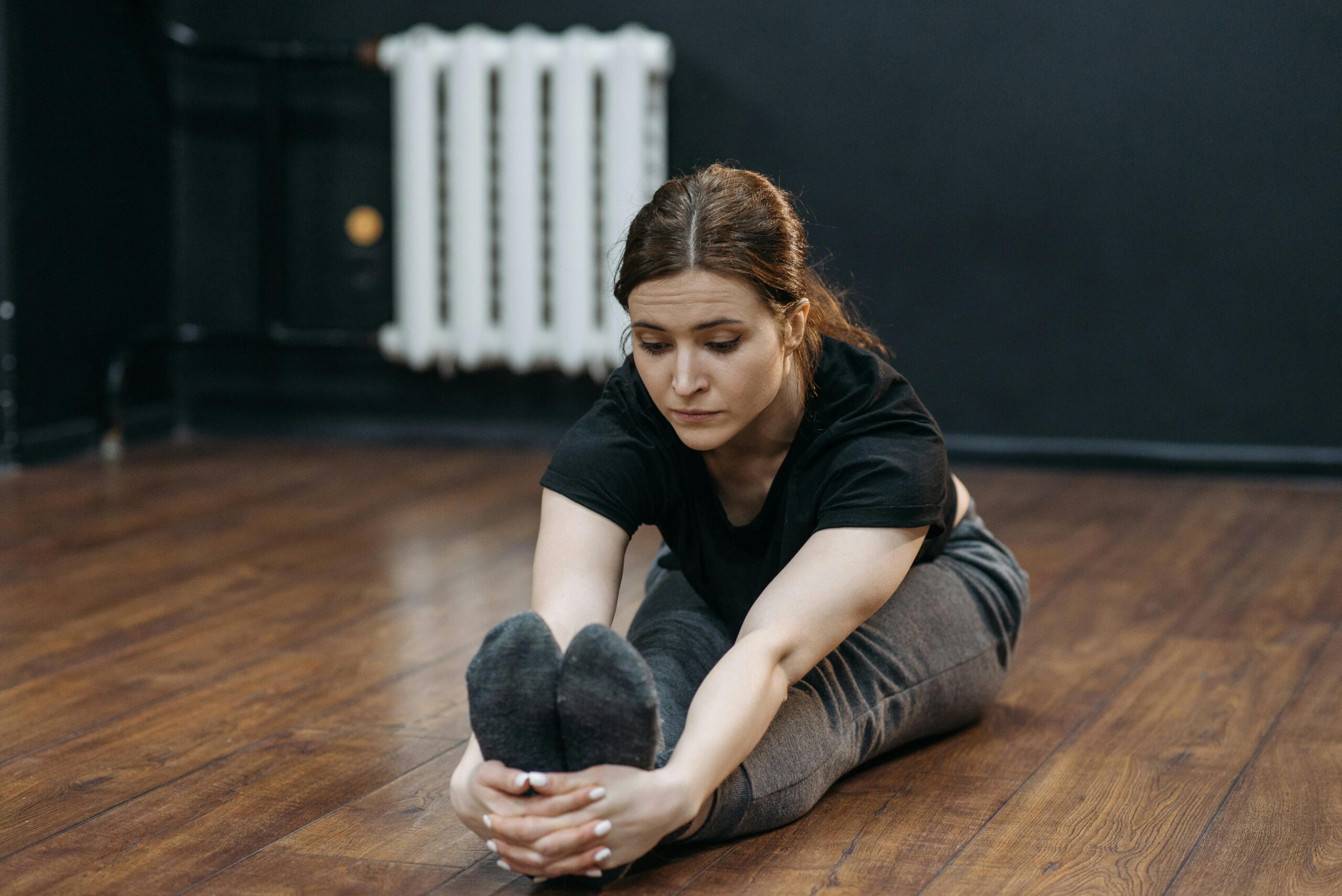
Once you’ve completed your gradual cool-down walk, your muscles are warm and pliable—the perfect time for static stretching. Unlike the dynamic stretches you performed during warm-up, static stretches involve holding positions for 20-30 seconds to improve flexibility and reduce muscle tension.
Essential Cool-Down Stretches for Walkers
Focus on the major muscle groups used during walking. Hold each stretch without bouncing, breathing deeply and relaxing into the position:
- Calf stretch: Place your hands on a wall, step one foot back, and press the heel into the ground while keeping the back leg straight. Hold for 30 seconds, then switch legs.
- Quadriceps stretch: Standing on one leg (use a wall for balance if needed), bend the opposite knee and bring your heel toward your buttocks, gently holding your ankle or foot. Maintain for 30 seconds per leg.
- Hamstring stretch: Place one foot on a low bench or step, keep both legs straight, and gently lean forward from your hips until you feel a stretch in the back of your elevated thigh.
- Hip flexor stretch: Step forward into a lunge position, lower your back knee toward the ground, and shift your weight forward until you feel a stretch in the front of your rear hip.
- Lower back stretch: Stand with feet hip-width apart and gently hug your knees toward your chest one at a time, or perform a standing side bend to each side.
Remember that stretching should produce a feeling of mild tension, never pain. If you experience sharp or intense discomfort, ease off immediately. Breathing deeply during stretches helps relax muscles and improves the stretch quality.
Recovery Strategies Beyond Stretching 💪
Your post-walk cool-down extends beyond the immediate stretching period. The choices you make in the hours following your walk significantly impact recovery and your readiness for your next session.
Hydration and Nutrition
Replenishing fluids lost through perspiration is critical for recovery. Water is generally sufficient for walks under an hour, but longer or more intense sessions may benefit from electrolyte replacement. Aim to drink 16-20 ounces of fluid within 30 minutes of finishing your walk.
If your walk was particularly long or strenuous, consuming a small snack containing both carbohydrates and protein within an hour of completion can aid recovery. This doesn’t need to be elaborate—a banana with a tablespoon of peanut butter or a small yogurt with berries provides the nutrients your muscles need to repair and replenish energy stores.
Rest and Active Recovery
Quality sleep is when your body performs most of its repair work. Prioritize 7-9 hours of sleep, especially after more challenging walking sessions. On rest days between walks, consider gentle activities like yoga, swimming, or casual cycling to promote circulation without overtaxing recovering muscles.
Adapting Your Routine for Different Conditions 🌡️
Environmental factors should influence both your warm-up and cool-down approaches. Walking in cold weather requires a more extended warm-up—potentially 10-15 minutes—to adequately prepare muscles and cardiovascular system. Consider wearing layers you can remove as your body temperature rises.
Hot weather presents different challenges. While you may reach an adequate warm-up state more quickly, overheating becomes a concern. Your cool-down becomes even more critical in heat, as does immediate hydration. Seek shade for your post-walk stretching routine when temperatures soar.
Walking on varied terrain—hills, trails, or uneven surfaces—demands more thorough warm-up attention to ankle and knee mobility. Include extra ankle rotations and gentle lunges to prepare joints for the additional stability demands of challenging terrain.
Building Consistency into Your Walking Practice
The benefits of warm-up and cool-down habits compound over time, but only if you practice them consistently. Initially, adding these components might feel like they’re extending your workout time significantly, but with practice, they become seamless parts of your routine—bookends that actually make the walking itself more enjoyable and effective.
Start by committing to abbreviated versions if full routines feel overwhelming. A 3-minute warm-up and 3-minute cool-down is infinitely better than none. As these become habitual, gradually expand them to optimal durations. Many walkers find that once they experience the difference proper preparation and recovery make, they become non-negotiable parts of every session.
Common Mistakes to Avoid ⚠️
Even well-intentioned walkers make errors that undermine their warm-up and cool-down effectiveness. Awareness of these pitfalls helps you avoid them:
- Rushing through the process: Effective warm-ups and cool-downs require time. Cutting them short negates their benefits and defeats the purpose.
- Static stretching before walking: Save those held stretches for after your walk when they’re beneficial rather than potentially performance-limiting.
- Inconsistency: Warming up sometimes but not always provides inconsistent benefits and doesn’t allow your body to adapt to the routine.
- Skipping cool-down when time is tight: If you must choose, a cool-down is arguably more important than slightly extending your walk duration.
- Ignoring individual needs: Cookie-cutter approaches don’t account for your unique body, fitness level, or circumstances. Adjust based on what works for you.
Measuring Your Progress and Adjusting Your Approach
As your fitness level improves, your warm-up and cool-down needs may evolve. Pay attention to how quickly you reach an adequately warmed state and how fast you recover after walking. These are markers of improving cardiovascular fitness and should be celebrated as victories.
Keep a simple walking journal noting how you felt during warm-ups, the walk itself, and recovery. Over weeks and months, patterns emerge that help you optimize your routine. Perhaps you discover you perform better with slightly longer warm-ups, or that specific stretches make a dramatic difference in how you feel the next day.
Transforming Good Habits into Lasting Success 🎯
The difference between people who maintain walking routines for years versus those who abandon them often comes down to injury prevention and enjoyment. Proper warm-up and cool-down practices directly contribute to both. By preparing your body appropriately and helping it recover effectively, you reduce soreness, prevent injuries, and make each walking session more pleasant and productive.
These habits also create ritualistic boundaries around your exercise—psychological markers that help your mind transition into and out of workout mode. This mental component shouldn’t be underestimated. The warm-up signals to your brain that it’s time to focus on movement and health, while the cool-down indicates a return to other daily activities, creating a satisfying sense of completion.
Walking is a lifelong activity accessible to most people regardless of age or fitness level. By elevating your routine with intentional warm-up and cool-down practices, you’re not just improving individual walking sessions—you’re investing in your long-term mobility, health, and quality of life. Every joint you properly prepare, every muscle you mindfully stretch, and every recovery period you honor contributes to a body that can continue moving joyfully for decades to come.
Start implementing these essential habits today, and you’ll quickly discover that the few extra minutes spent warming up and cooling down don’t extend your workout—they transform it into a complete, professional-quality routine that delivers superior results and genuine, sustainable success.