
Starting something new—whether it’s a job, a business, or a major life change—brings excitement and energy. But that initial rush can quickly turn into exhaustion if you don’t pace yourself wisely.

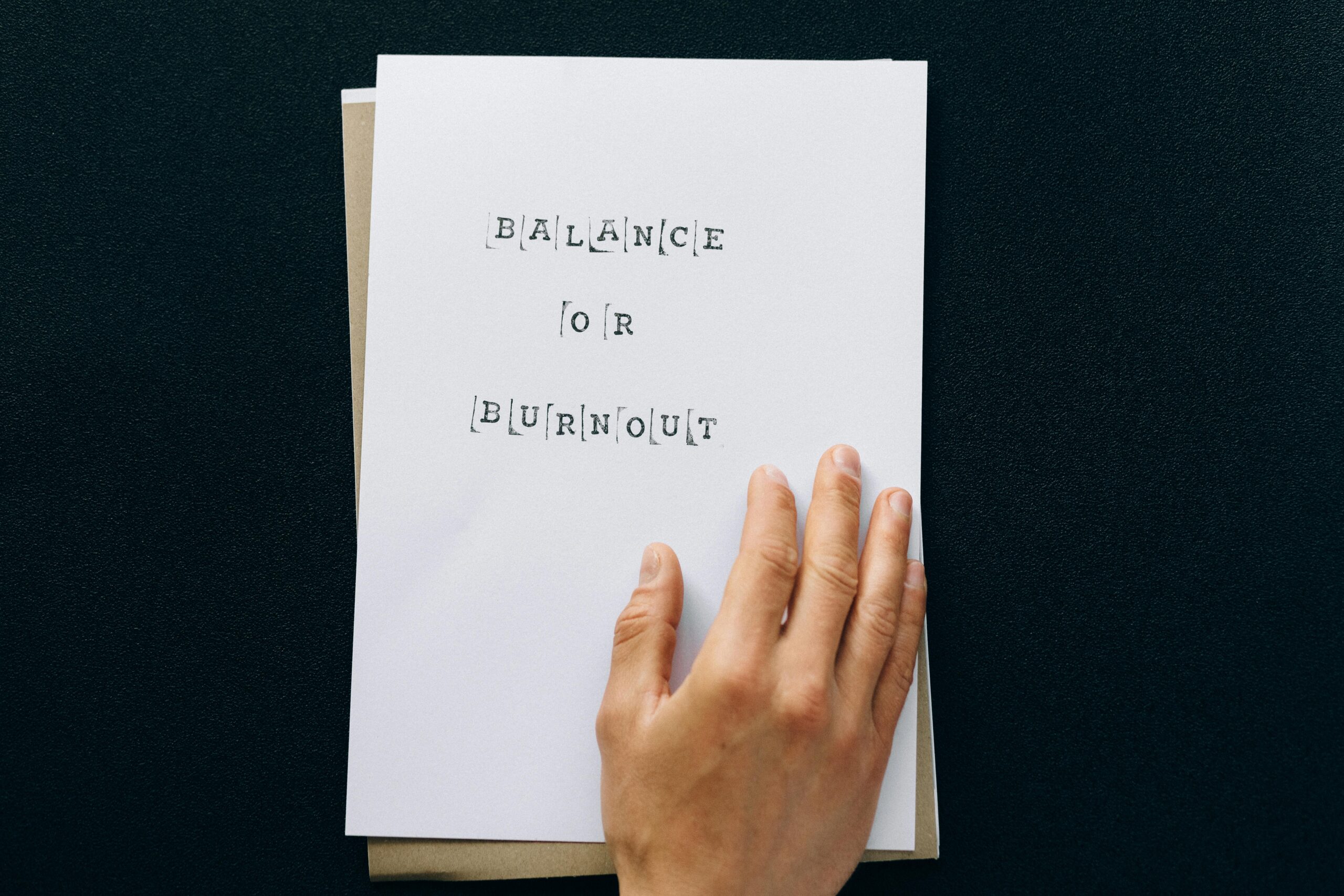
The early weeks of any endeavor are critical. They set the tone for how sustainable your efforts will be long-term. Many people dive in headfirst, fueled by enthusiasm and ambition, only to find themselves burned out before they’ve truly begun. Learning to master the art of pacing isn’t about slowing down—it’s about moving forward strategically, protecting your energy, and building habits that last. This article explores practical strategies to help you stay balanced, maintain momentum, and avoid the burnout trap during those crucial first weeks.
🎯 Understanding Why the Early Weeks Are So Vulnerable
The beginning of any new chapter comes with unique pressures. You’re learning new systems, meeting expectations, proving yourself, and often working longer hours than you’d planned. The desire to make a strong impression can push you to say yes to everything, skip breaks, and ignore warning signs from your body and mind.
This period is particularly dangerous because you haven’t yet developed the routines and boundaries that protect experienced professionals. You’re operating on adrenaline and novelty, which masks fatigue until it becomes overwhelming. Studies show that burnout doesn’t always result from long-term stress—it can develop rapidly when intensity isn’t balanced with recovery.
The psychological phenomenon known as the “honeymoon phase” also plays a role. Everything feels important and urgent. You haven’t yet learned what truly matters versus what can wait. This lack of perspective makes it difficult to prioritize effectively, leading to scattered energy and inefficient work patterns.
⚡ Recognizing the Early Warning Signs
Before full burnout sets in, your body and mind send signals. Learning to recognize these early warnings gives you the chance to course-correct before serious damage occurs.
Physical Indicators
Watch for persistent fatigue that doesn’t improve with a night’s sleep, frequent headaches, changes in appetite, or a weakened immune system leading to more colds and infections. Your body communicates stress through physical symptoms long before your mind acknowledges the problem.
Sleep disturbances are particularly telling. If you’re lying awake thinking about work, waking up unrested, or relying heavily on caffeine to function, you’re pushing too hard. Muscle tension, particularly in the shoulders, neck, and jaw, often indicates chronic stress that you’re carrying throughout your day.
Emotional and Mental Red Flags
Irritability with colleagues or loved ones, difficulty concentrating, increased cynicism about your work, and a sense of dread about the day ahead all signal that your pace is unsustainable. When tasks that should be straightforward feel overwhelming, or when you find yourself making more mistakes than usual, your cognitive resources are depleted.
Emotional exhaustion often manifests as feeling detached or numb rather than actively stressed. You might notice you care less about outcomes that previously mattered to you, or that you’re going through motions without engagement.
📊 The Science of Sustainable Performance
Research in performance psychology reveals that peak productivity doesn’t come from constant intensity. Instead, it follows a rhythm of exertion and recovery. Athletes understand this principle instinctively—you can’t sprint a marathon. Yet knowledge workers often expect themselves to operate at maximum capacity indefinitely.
The concept of “ultradian rhythms” explains why pacing matters. Our bodies naturally cycle through periods of high and low energy approximately every 90-120 minutes. Working with these rhythms rather than against them dramatically improves both output and well-being.
Neuroscience also shows that decision fatigue is real. Every choice you make depletes a finite resource. This is why seemingly successful people can make poor decisions late in the day—their willpower and judgment have been exhausted by earlier demands. Pacing helps preserve these cognitive resources for when they matter most.
🗓️ Creating Structure That Supports Balance
The foundation of good pacing is intentional structure. Without it, your days will be shaped by external demands and urgent requests rather than strategic priorities.
Time-Blocking With Boundaries
Divide your day into distinct blocks dedicated to specific types of work. High-concentration tasks belong in your peak energy windows, typically mid-morning for most people. Administrative work, meetings, and collaborative tasks can fill other periods.
Critically, include buffer time between blocks. Back-to-back commitments create stress and prevent the mental transitions needed to perform well. Even 10-15 minutes between major tasks allows your brain to reset and refocus.
The Power of Protected Time
Designate certain hours as non-negotiable for deep work or personal priorities. This might mean blocking your calendar from 9-11 AM daily, turning off notifications during critical projects, or leaving work at a specific time regardless of what remains undone.
This feels risky in the early weeks when you’re eager to prove yourself. However, professionals who establish boundaries early tend to be more respected and effective long-term than those who make themselves endlessly available.
💡 Strategic Energy Management Techniques
Managing your calendar is only part of pacing. True balance requires conscious energy management throughout your day.
The 52-17 Rule
Research suggests that the most productive people work in focused 52-minute intervals followed by 17-minute breaks. This pattern aligns with natural attention spans and prevents the cognitive fatigue that comes from prolonged concentration.
During breaks, physically move away from your workspace. Walking, stretching, or even looking at distant objects gives your eyes and brain genuine rest that scrolling social media doesn’t provide.
Energy Audit Practice
For one week, track your energy levels hourly alongside your activities. Note when you feel most alert, creative, and focused versus when you’re dragging or distracted. Patterns will emerge showing your natural rhythms.
Use these insights to redesign your schedule. If you’re consistently energized at 6 AM, that’s when to tackle your most important work. If you crash every afternoon at 3 PM, schedule collaborative meetings then rather than solo concentration tasks.
🚫 Learning the Art of Strategic Saying No
Perhaps nothing impacts pacing more than what you choose not to do. In the early weeks, saying no feels dangerous. You want to be helpful, capable, and indispensable. But agreeing to everything guarantees burnout.
Develop phrases that decline gracefully without closing doors: “I can’t take that on this week, but I could help next month,” or “That’s outside my current priorities, but Jane might be a great resource.” These responses show thoughtfulness while protecting your bandwidth.
Before accepting any new commitment, ask yourself: Does this align with my core responsibilities? Will this help me achieve my primary goals? Do I have the actual capacity, or am I just hoping to find time? If you can’t answer yes to all three, the answer should probably be no.
🧘 Building Recovery Into Your Daily Routine
Recovery isn’t something that happens only on weekends or vacations. Daily micro-recoveries prevent the accumulation of stress that leads to burnout.
Intentional Morning Transitions
How you start your day sets its tone. Rather than checking email immediately upon waking, create a morning routine that centers you. This might include movement, meditation, journaling, or simply eating breakfast without screens.
The goal is to enter your workday from a place of groundedness rather than reactivity. Even 15 minutes of intentional morning time makes a measurable difference in stress levels and decision quality throughout the day.
Micro-Breaks Throughout the Day
You don’t need hour-long spa sessions to recover. Sixty-second breathing exercises, two-minute walks, or brief moments of mindful observation provide genuine restoration when practiced consistently.
Set reminders if needed. Apps designed for break reminders can help establish this habit until it becomes automatic. The key is actually taking the breaks rather than working through them.
Evening Wind-Down Rituals
The transition from work to personal time deserves the same intentionality as your morning. Create a shutdown routine that signals to your brain that work is complete. This might involve reviewing tomorrow’s priorities, tidying your workspace, or a specific physical action like changing clothes or taking a walk.
Without this boundary, work bleeds into evening hours mentally even when you’re not physically working, preventing true recovery and disrupting sleep quality.
🤝 Leveraging Support Systems
You don’t have to navigate the early weeks alone. Strategic use of support systems makes sustainable pacing much easier.
Finding a Mentor or Buddy
Someone who has successfully navigated what you’re experiencing can provide perspective you can’t generate yourself. They can tell you what actually matters, what can wait, and how to avoid common pitfalls.
A peer going through similar experiences offers different but equally valuable support. You can share strategies, normalize struggles, and hold each other accountable to maintaining balance.
Communicating Needs Clearly
Your manager, team, or family can’t support your pacing if they don’t understand what you need. Practice articulating boundaries clearly: “I’m most effective when I have uninterrupted time in the morning,” or “I need to leave by 6 PM to maintain my energy long-term.”
Most people respect clear communication about needs far more than they respect martyrdom. Those who don’t respect reasonable boundaries are revealing important information about the sustainability of the situation.
📈 Measuring Progress Without Perfectionism
In the early weeks, it’s tempting to judge yourself against unrealistic standards. Perfectionism drives unsustainable pacing as you endlessly revise and overwork everything.
Instead, adopt a “good enough” standard for most tasks. Research shows that 80% quality delivered consistently outperforms occasional 100% perfection in most contexts. Reserve your highest standards for the truly critical 20% of work that generates 80% of results.
Track completion rather than perfection. Did you make progress? Did you meet core requirements? Are you learning and improving? These questions matter more than whether everything was flawless.
🔄 Adjusting Your Pace As You Learn
Pacing isn’t static. What works in week one may need adjustment by week three. Build in regular reflection to assess what’s working and what needs to change.
Weekly reviews allow you to spot patterns. Are certain days consistently overwhelming? Is a particular type of task draining you more than expected? Are you saying yes to things you shouldn’t? These insights allow for continuous optimization.
Be willing to experiment. Try different schedules, boundaries, and routines. What works for others may not work for you, and that’s fine. The goal is finding your sustainable pace, not copying someone else’s.
🌱 Building Habits That Last Beyond the Early Weeks
The strategies you implement now can become the foundation for long-term sustainable success. Habits formed during high-stress periods tend to stick because they’re tested under pressure.
Start small with one or two changes rather than overhauling everything at once. Perhaps you begin by implementing strategic breaks and a firm end time to your workday. Once those feel natural, add morning routines or energy audits.
Remember that sustainable pacing is a skill that improves with practice. You won’t master it in the first week, and you’ll have days when you get it wrong. That’s part of the learning process. What matters is the overall pattern and trajectory, not daily perfection.
🎯 Your Personalized Pacing Plan
Creating a plan specific to your situation increases the likelihood you’ll actually implement these strategies. Consider the following elements:
- Non-negotiable boundaries: What are the 1-3 limits you absolutely must maintain?
- Peak performance windows: When are you naturally most energized and focused?
- Recovery rituals: What specific practices will you use daily to recharge?
- Warning system: What physical or emotional signals will alert you to slow down?
- Support network: Who can you reach out to when you’re struggling with balance?
- Weekly reflection time: When will you assess what’s working and adjust?
Write these down and review them regularly. Your plan should evolve as you learn more about your needs and circumstances, but having an initial framework prevents you from defaulting to unsustainable patterns.
🌟 Thriving Beyond Survival Mode
Mastering pacing isn’t about doing less—it’s about achieving more through sustainable methods. When you protect your energy, set boundaries, and work with your natural rhythms rather than against them, you’re capable of greater creativity, better decisions, and higher quality output.
The early weeks don’t have to be a period you simply survive. With intentional pacing, they can be energizing, productive, and even enjoyable. You’ll build momentum that carries you forward rather than burning out before you’ve really begun.
The professionals who achieve lasting success aren’t those who work the longest hours or sacrifice the most. They’re the ones who learned early to pace themselves strategically, balancing intensity with recovery, ambition with sustainability. By implementing these principles now, you’re not just avoiding burnout—you’re building the foundation for a thriving career and life.
Your future self will thank you for the boundaries you set and the balance you maintain today. Start small, be consistent, and remember that sustainable pacing is one of the most valuable skills you can develop in these crucial early weeks.