Walking outdoors offers incredible benefits for both body and mind, but weather conditions can transform a simple stroll into a challenging adventure. Whether you’re facing summer’s blazing sun or winter’s biting cold, knowing how to prepare properly makes all the difference between an enjoyable experience and a potential hazard.

Every season brings unique challenges that outdoor enthusiasts must navigate. The key to year-round walking success lies in understanding these weather-specific risks and equipping yourself with the right knowledge, gear, and strategies to stay safe and comfortable regardless of what nature throws your way.
🌡️ Understanding Weather’s Impact on Your Walking Experience
Weather conditions directly affect your body’s ability to regulate temperature, maintain hydration levels, and sustain energy during outdoor activities. Extreme temperatures, whether hot or cold, force your cardiovascular system to work harder, potentially leading to exhaustion or more serious health complications if you’re unprepared.
Beyond temperature, factors like humidity, wind chill, precipitation, and UV radiation create a complex environment that requires thoughtful preparation. Recognizing these variables helps you make informed decisions about timing, duration, and necessary precautions for your outdoor walks.
☀️ Mastering Hot Weather Walking: Beat the Heat Safely
Walking in scorching conditions demands respect for the sun’s power and your body’s limitations. Heat-related illnesses can develop quickly, making prevention your primary strategy for safe summer adventures.
Timing Your Hot Weather Walks Strategically
The hours between 10 AM and 4 PM typically bring the most intense heat and strongest UV radiation. Planning your walks during early morning or evening hours significantly reduces heat exposure while providing more comfortable temperatures. Dawn walks offer the added bonus of beautiful lighting and quieter trails, while sunset strolls provide relief after the day’s peak temperatures have passed.
If midday walking is unavoidable, seek routes with abundant shade from trees or buildings. Shaded paths can feel 10-15 degrees cooler than exposed areas, making a substantial difference in your comfort and safety levels.
Hydration: Your Most Critical Hot Weather Tool
Proper hydration begins well before you lace up your walking shoes. Start drinking water several hours before your walk, and continue throughout your activity. For walks lasting longer than 30 minutes in hot weather, carry water with you and sip regularly rather than waiting until you feel thirsty—thirst indicates you’re already becoming dehydrated.
Consider these hydration guidelines for hot weather walking:
- Drink 16-20 ounces of water 2-3 hours before walking
- Consume 8 ounces about 20-30 minutes before starting
- Take 7-10 ounces every 10-20 minutes during your walk
- Rehydrate with 16-24 ounces for every pound lost through sweat after finishing
- Choose electrolyte-enhanced beverages for walks exceeding 60 minutes
Dressing for Success in the Heat
Your clothing choices dramatically impact how your body handles hot conditions. Light-colored, loose-fitting garments made from moisture-wicking fabrics allow air circulation and help sweat evaporate efficiently, cooling your body naturally. Avoid cotton, which retains moisture and can actually make you feel hotter.
Don’t underestimate the importance of sun protection. A wide-brimmed hat shields your face and neck from direct sunlight, while quality sunglasses protect your eyes from UV damage. Apply broad-spectrum sunscreen with SPF 30 or higher to all exposed skin at least 15 minutes before heading outdoors, and reapply every two hours.
Recognizing Heat-Related Warning Signs
Stay alert for symptoms indicating your body is struggling with heat stress. Dizziness, excessive fatigue, nausea, headaches, or decreased sweating despite high temperatures signal potential heat exhaustion. If you experience these symptoms, immediately move to shade, rest, and hydrate. Confusion, rapid heartbeat, or loss of consciousness require emergency medical attention.
❄️ Conquering Cold Weather Walking: Embrace the Chill
Cold weather walking presents entirely different challenges, but with proper preparation, winter walks can be invigorating and enjoyable. The key is understanding layering strategies and protecting vulnerable body parts from frostbite and hypothermia.
The Science of Layering for Cold Weather
Effective cold-weather dressing relies on the three-layer system: base, middle, and outer layers working together to regulate temperature and manage moisture. This approach allows you to adjust your insulation as your body heats up during activity.
Your base layer should consist of moisture-wicking materials like merino wool or synthetic fabrics that pull sweat away from your skin. The middle insulating layer traps warm air—fleece or down work excellently here. Your outer shell layer protects against wind and precipitation while allowing moisture to escape.
Avoid overdressing, which causes excessive sweating that can actually make you colder as moisture accumulates. You should feel slightly cool when you first step outside; your body will warm up within 5-10 minutes of walking.
Protecting Extremities from the Cold
Your hands, feet, ears, and nose are most vulnerable to cold-weather damage since blood flow naturally concentrates around your core organs when temperatures drop. Quality gloves or mittens—mittens provide superior warmth by allowing fingers to share heat—prevent frostbite and maintain dexterity.
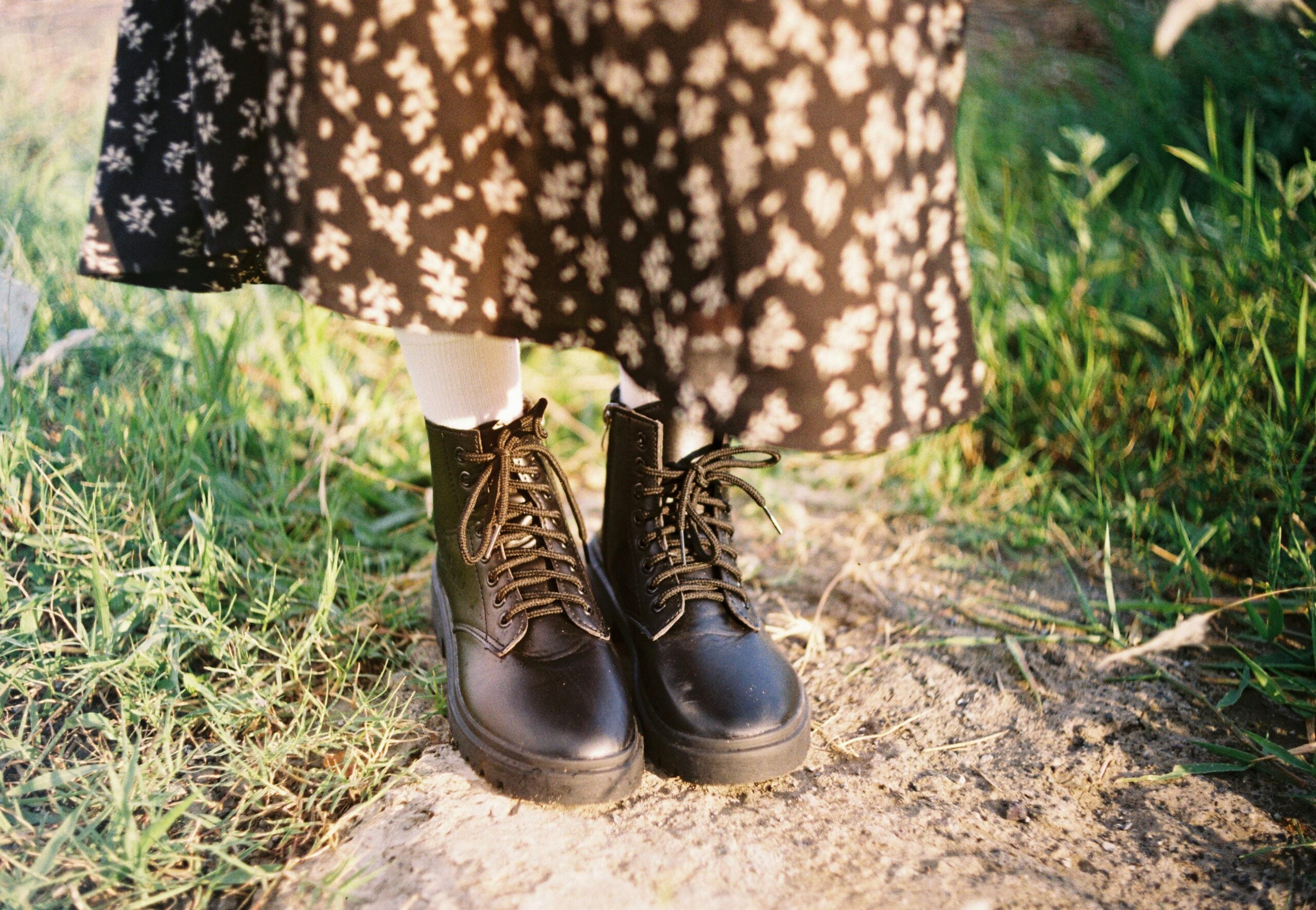
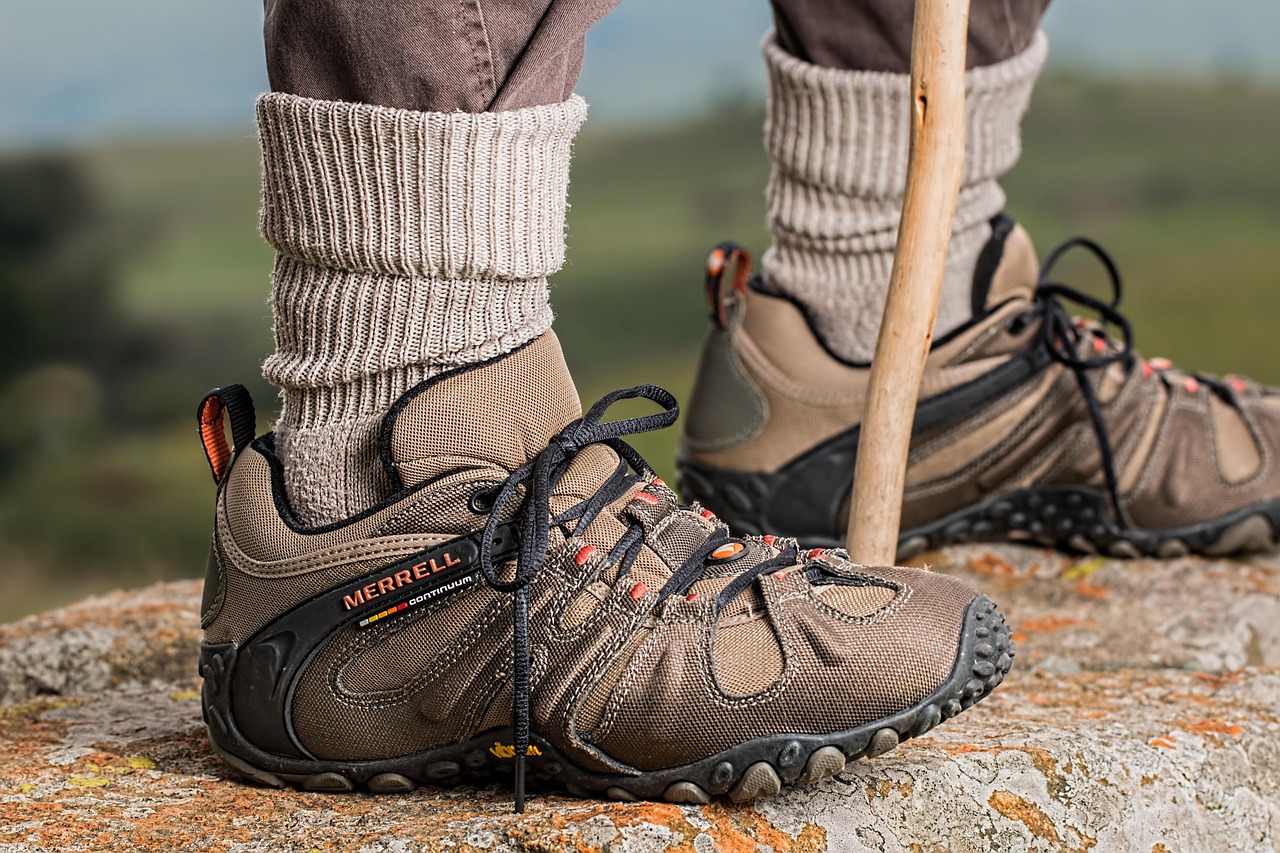
Invest in moisture-wicking socks that fit properly without bunching, and consider wearing two layers: a thin liner sock beneath a thicker wool or synthetic sock. Waterproof, insulated footwear with good traction prevents cold, wet feet and reduces slip risks on icy surfaces.
A warm hat covering your ears is essential since you lose significant body heat through your head. For extremely cold conditions, add a neck gaiter or scarf to protect your face and prevent breathing in excessively cold air, which can irritate airways.
Understanding Wind Chill and Real Feel Temperature
The temperature reading alone doesn’t tell the whole story during cold weather. Wind chill describes how cold air actually feels on exposed skin when factoring in wind speed. A 30-degree Fahrenheit day with 20 mph winds feels like 17 degrees, significantly increasing frostbite risk.
Check wind chill calculations before heading out and adjust your route to include windbreaks like buildings, tree lines, or hills when possible. Walking with the wind at your back during the first half of your journey means you’ll face it on the return when you’re warmed up and less vulnerable.
Cold Weather Safety Considerations
Icy conditions create serious fall hazards. Choose routes that are regularly maintained and salted, or invest in traction devices that slip over your shoes. Shorten your stride and walk deliberately, placing your feet flat rather than heel-to-toe to maximize surface contact.
Watch for signs of hypothermia including intense shivering, confusion, fumbling hands, and slurred speech. If symptoms appear, seek warm shelter immediately and gradually rewarm your body with dry clothing and warm beverages.
🌧️ Walking Through Rain and Wet Conditions
Rain shouldn’t stop your walking routine if you’re properly equipped. Waterproof or water-resistant outer layers keep you dry while breathable fabrics prevent sweat buildup that can make you uncomfortably damp from the inside out.
Visibility becomes crucial during rainy conditions. Wear bright colors or reflective gear, especially if walking near traffic. Waterproof your electronics in sealed bags, and consider using a waterproof phone case if you rely on navigation apps.
Wet surfaces increase slip risks significantly. Reduce your walking speed and test questionable surfaces before committing your full weight. Avoid metal grates, painted surfaces, and fallen leaves, which become extremely slippery when wet.
📱 Technology Tools for Weather-Aware Walking
Modern smartphone apps provide invaluable weather intelligence for planning safe walks. Real-time radar, hourly forecasts, and severe weather alerts help you make informed decisions about when to walk and what conditions to expect.
Weather apps like AccuWeather offer MinuteCast precipitation forecasts, showing exactly when rain will start and stop at your specific location. This hyper-local information helps you time your walks perfectly or choose appropriate gear.
Fitness tracking applications with weather integration provide comprehensive data about how different conditions affect your performance, helping you learn your personal weather preferences and limitations over time.
🎯 Building Your All-Weather Walking Gear Collection
Investing in quality gear appropriate for your climate pays dividends in comfort and safety. You don’t need to purchase everything at once—build your collection gradually, prioritizing items for the weather conditions you encounter most frequently.
| Weather Condition | Essential Gear | Nice-to-Have Items |
|---|---|---|
| Hot/Sunny | Wide-brimmed hat, sunglasses, sunscreen, water bottle | Cooling towel, UV-protective clothing, portable misting fan |
| Cold | Insulated layers, gloves, warm hat, moisture-wicking base layer | Hand warmers, neck gaiter, thermal underwear |
| Rain | Waterproof jacket, water-resistant footwear, visibility gear | Waterproof pants, umbrella, shoe gaiters |
| Wind | Windbreaker jacket, eye protection | Wind-resistant pants, face shield |
💪 Training Your Body for All-Weather Resilience
Regular walking in varied conditions gradually builds your tolerance and resilience. Start with moderate conditions and progressively challenge yourself with more extreme weather as your fitness and confidence grow.
Your body adapts to temperature stress through a process called acclimatization. Consistent exposure to hot or cold conditions over 1-2 weeks improves your physiological responses, making subsequent walks more comfortable. However, always respect dangerous weather warnings and extreme conditions regardless of your experience level.
Cross-training with indoor activities during the most severe weather maintains your fitness without unnecessary risk. Treadmill walking, mall walking, or indoor track sessions keep you active when outdoor conditions are genuinely hazardous.
🗓️ Planning Your Year-Round Walking Schedule
Creating a flexible walking routine that accounts for seasonal changes helps maintain consistency throughout the year. Set realistic goals that acknowledge weather will sometimes interfere with your plans, but commit to finding alternatives rather than abandoning your walking habit entirely.
Consider joining walking groups or clubs that meet regardless of weather conditions. The social commitment and shared experience make challenging weather more manageable and enjoyable. Many communities offer organized walking programs with experienced leaders who understand safe practices for all conditions.
🌍 Location-Specific Considerations
Your geographical location determines which weather challenges require greatest attention. Coastal walkers contend with high humidity and salt air, mountain enthusiasts face rapid weather changes and altitude considerations, while desert walkers manage extreme temperature swings and intense sun exposure.
Research weather patterns specific to your area and common seasonal hazards. Understanding local conditions helps you anticipate challenges and prepare appropriately. Connect with local walking communities to learn region-specific tips and favorite all-weather routes.
🏆 Developing Your Personal Weather Walking Strategy
Every walker’s weather tolerance differs based on factors including age, fitness level, health conditions, and personal preferences. Through experience, you’ll discover your comfort zones and limits across various conditions.
Keep a walking journal documenting weather conditions, how you felt, what gear worked well, and what you’d change next time. This personal database becomes an invaluable reference for planning future walks and refining your approach.
Listen to your body’s signals and never feel pressured to walk in conditions that feel unsafe or extremely uncomfortable. There’s no shame in choosing an indoor alternative or rescheduling when weather conditions exceed your preparation or comfort level.
🌟 Embracing the Adventure of All-Weather Walking
Mastering safe outdoor walking across all weather conditions transforms you from a fair-weather walker into a true outdoor enthusiast. Each season offers unique beauty and experiences—crisp autumn air, winter’s peaceful snowscapes, spring’s renewal energy, and summer’s vibrant life.
The confidence gained from successfully navigating challenging weather enriches your walking practice beyond simple exercise. You develop deeper connections with nature’s rhythms, enhanced self-reliance, and appreciation for the outdoors in all its moods.
Weather preparedness removes barriers between you and consistent outdoor activity, supporting better physical health, improved mental wellbeing, and genuine adventure throughout the entire year. With proper knowledge, appropriate gear, and respect for nature’s power, every day becomes a potential walking day regardless of what the forecast predicts.
Start small, build your experience gradually, and celebrate each walk completed in challenging conditions. Before long, you’ll wonder why you ever let weather keep you indoors, having discovered the joy and satisfaction of true all-weather walking mastery.