Slippery surfaces pose one of the most common yet preventable hazards in our daily lives. Whether navigating rain-soaked sidewalks or wet bathroom floors, understanding how to stay safe can prevent serious injuries.

Every year, millions of people worldwide experience falls on wet or slippery surfaces, resulting in everything from minor bruises to life-altering injuries. These incidents occur in homes, workplaces, public spaces, and outdoor environments. The good news is that most of these accidents are preventable with proper knowledge, preparation, and awareness. By mastering basic safety principles and adopting smart habits, you can significantly reduce your risk of slipping and falling, protecting yourself and those around you from unnecessary harm.
🌧️ Understanding Why Surfaces Become Hazardous
Before you can effectively prevent slips and falls, it’s essential to understand what makes surfaces dangerous in the first place. Water is the most obvious culprit, but it’s not the only one. Rain, spills, condensation, cleaning products, ice, snow, mud, and even certain types of polished flooring can create treacherous conditions.
The science behind slipping is straightforward: when a thin layer of liquid comes between your footwear and the ground, it reduces friction dramatically. This loss of traction means your feet can slide unexpectedly, leading to loss of balance. Different surface materials react differently to moisture—smooth tiles become ice-like, while textured concrete might retain some grip even when wet.
Environmental factors also play a crucial role. Temperature affects how water behaves on surfaces, with freezing conditions creating ice patches that are especially dangerous. Humidity can cause condensation on indoor floors, particularly in areas with temperature differences. Even the time of day matters, as morning dew or evening frost can transform familiar pathways into hazard zones.
Choosing the Right Footwear for Safety
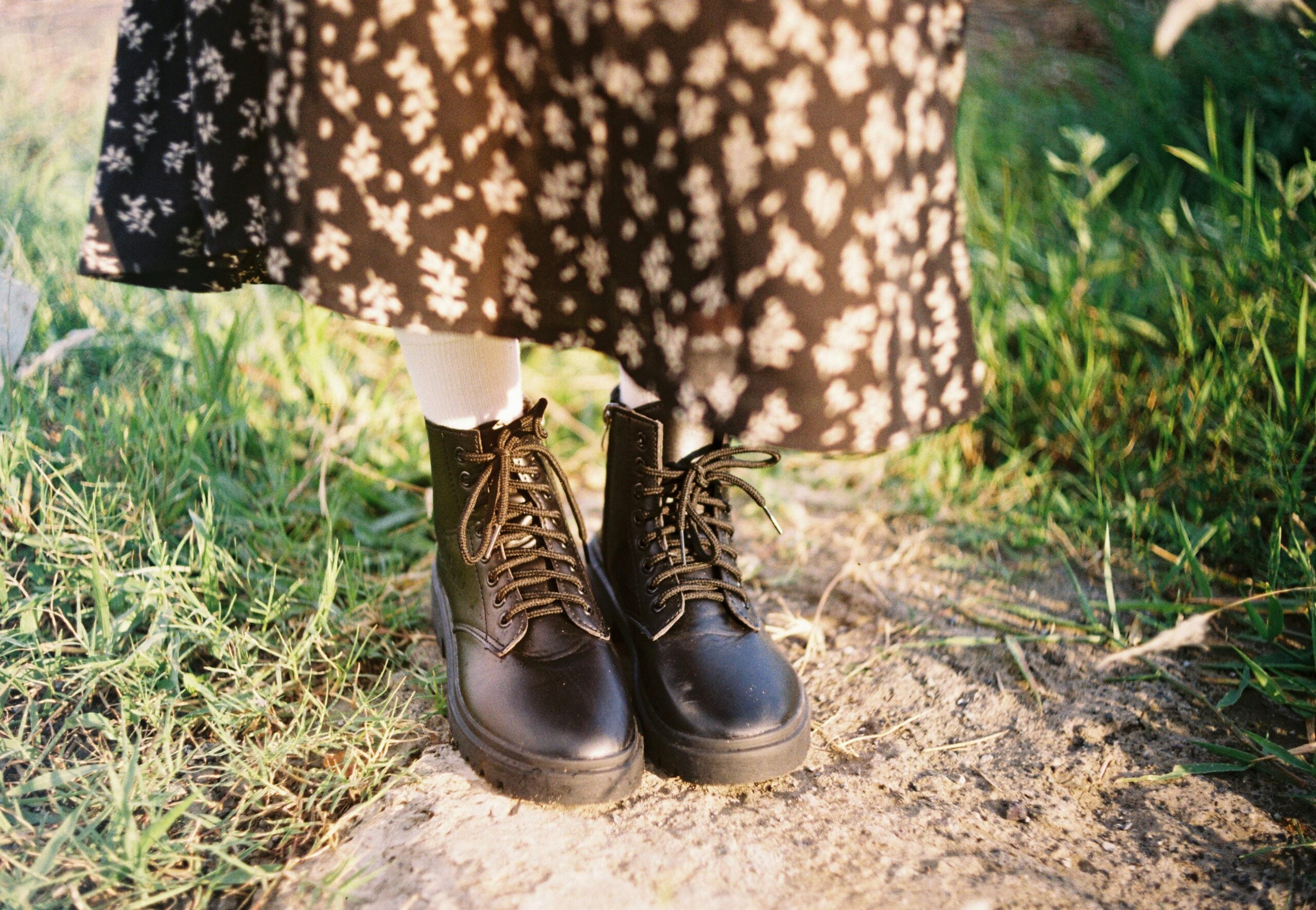
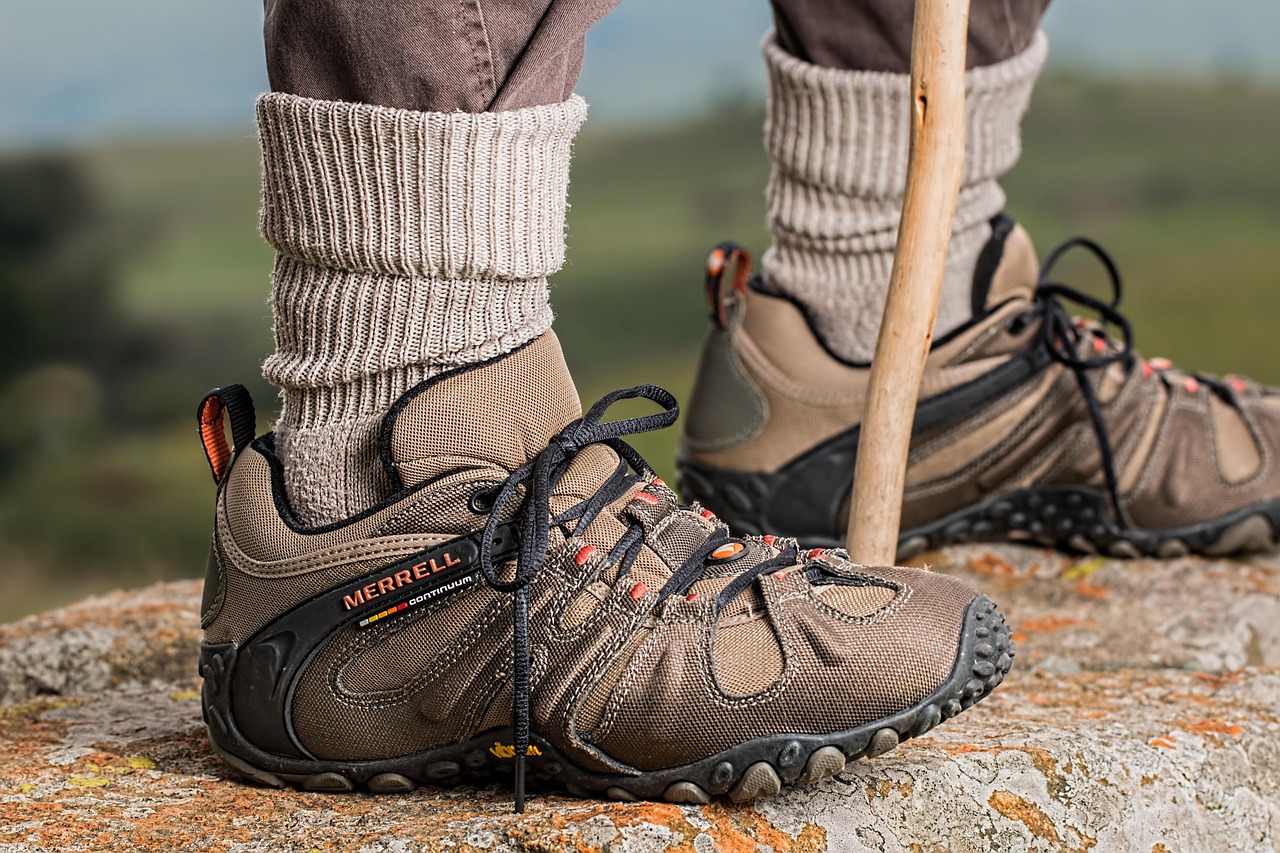
Your shoes are your first line of defense against slippery surfaces. Investing in proper footwear with excellent traction can be one of the most effective safety measures you take. Look for shoes with deep treads, rubber soles, and patterns designed to channel water away from the contact point.
Athletic shoes often provide good grip, but not all are created equal. Check the sole pattern—circular or hexagonal patterns typically offer better multidirectional traction than simple linear grooves. The rubber compound matters too; softer rubber generally provides better grip on wet surfaces than harder materials.
For work environments where slip hazards are common, specialized slip-resistant footwear is essential. These shoes meet specific safety standards and undergo rigorous testing. Many feature oil-resistant outsoles and are designed for industries like food service, healthcare, and construction where spills and wet conditions are routine.
Maintaining Your Footwear
Even the best shoes lose their effectiveness over time. Regularly inspect your footwear for worn treads, smooth spots, or accumulated debris in the grooves. Clean your shoes periodically to remove buildup that can reduce traction. Replace shoes when the tread depth becomes shallow or the sole shows significant wear patterns.
🚶 Mastering Safe Walking Techniques
How you walk on potentially slippery surfaces is just as important as what you wear. Adopting the right techniques can dramatically reduce your fall risk, even in challenging conditions.
The penguin walk is a time-tested method for navigating icy or extremely slippery surfaces. Point your feet slightly outward, take shorter steps, and keep your center of gravity over your front leg. This stance increases your contact area with the ground and helps maintain balance.
Slow down deliberately when you encounter wet surfaces. Rushing increases momentum, making it harder to recover if you start to slip. Take smaller, more controlled steps rather than your normal stride length. This gives you more reaction time and keeps your weight more evenly distributed.
Keep your hands free whenever possible. Carrying heavy items affects your balance and prevents you from catching yourself if you slip. If you must carry something, use a backpack or shoulder bag to keep your hands available for balance and support.
Reading the Environment
Develop the habit of scanning ahead as you walk. Look for visual cues that indicate slippery conditions: puddles, wet spots, reflective surfaces, or discolored areas on flooring. Be especially cautious in transition zones where you move from dry to wet surfaces or from one flooring type to another.
Test uncertain surfaces before committing your full weight. Tap your foot lightly or press gently to assess traction. If a surface feels slick, look for an alternative route or proceed with extreme caution using the techniques mentioned above.
Home Safety Strategies That Work
Your home should be your safest environment, yet many slip-and-fall accidents occur in residential settings. Bathrooms and kitchens are particularly high-risk areas due to frequent water exposure.
Install slip-resistant mats in showers, bathtubs, and in front of sinks. Choose mats with strong suction cups that won’t shift underfoot. Place absorbent rugs outside bathing areas to catch drips and provide a dry stepping surface. Ensure these rugs have non-slip backing or use rug grippers to prevent them from sliding.
Consider applying anti-slip treatments to tile floors, especially in bathrooms and entryways. These products create microscopic texture that increases friction without noticeably changing the appearance of your flooring. For stairs, add textured strips or stair treads to improve traction.
Maintaining Dry Surfaces
Prevention is easier than reaction. Establish routines to keep floors dry. Wipe up spills immediately—never delay this task. Use door mats both outside and inside entrances to capture moisture from shoes. During wet weather, place additional towels or mats in high-traffic areas.
Improve ventilation in moisture-prone areas. Use exhaust fans during and after showers. Open windows when weather permits. Consider a dehumidifier in areas with persistent dampness. Better air circulation helps surfaces dry faster and prevents condensation buildup.
⚠️ Workplace Safety Protocols
Employers have legal responsibilities for workplace safety, but employees must also take personal responsibility. Familiarize yourself with your workplace’s safety policies regarding wet floor procedures and reporting hazards.
When you encounter a spill or wet surface at work, never ignore it. If it’s small, clean it up immediately if you have the proper equipment. For larger spills or substances you’re not trained to handle, report them to the appropriate personnel right away and mark the area with warning signs if available.
Pay attention to wet floor signs and take them seriously. These warnings are placed for your protection. Don’t assume a surface is safe just because it looks dry—cleaning staff may have recently mopped, leaving residual moisture that isn’t immediately visible.
Special Considerations for Different Work Environments
Different industries face unique challenges. Restaurant workers deal with greasy floors and frequent spills. Healthcare workers navigate facilities cleaned with strong solutions that can leave slippery residues. Warehouse employees face forklift traffic that can track water indoors. Understanding your specific workplace risks helps you stay vigilant.
Outdoor Navigation in Challenging Weather
Mother Nature presents some of the most unpredictable slippery surface scenarios. Rain, snow, ice, and even wet leaves create hazards that require extra attention and different strategies than indoor environments.
Plan your route thoughtfully during bad weather. Avoid shortcuts across grassy areas that might be muddy or hide uneven ground. Stick to maintained walkways where possible, as these are more likely to have been treated for ice or cleared of standing water.
Use handrails on stairs and ramps—they exist for your safety. Don’t feel embarrassed about using them; it’s a smart precaution. When walking on slopes, angle slightly across rather than moving straight up or down to reduce the risk of your feet sliding out from under you.
Winter Weather Precautions ❄️
Ice and snow require special attention. Black ice—thin, transparent ice—is particularly treacherous because it’s nearly invisible. Be suspicious of any surface that looks unusually dark or shiny, especially early in the morning or late in the evening when temperatures drop.
Sand, salt, or ice melt products on sidewalks improve traction but don’t eliminate risk entirely. Treated surfaces can still be slippery, especially in areas where ice is melting and refreezing. Continue using cautious walking techniques even on treated pathways.
Technology and Tools for Enhanced Safety
Modern technology offers various solutions to help prevent slips and falls. Weather apps can alert you to conditions that create slippery surfaces, helping you plan accordingly. Some apps provide detailed precipitation forecasts and ice warnings specific to your location.
Wearable devices with fall detection can provide peace of mind, especially for elderly individuals or those with mobility challenges. While these don’t prevent falls, they ensure help can be summoned quickly if an accident occurs.
For those who frequently encounter slippery conditions, traction devices that attach to shoes can be invaluable. These range from simple rubber overshoes with textured surfaces to sophisticated ice cleats with metal spikes. Choose based on your specific needs and the conditions you regularly face.
🏥 Special Considerations for Vulnerable Populations
Certain groups face elevated risks on slippery surfaces. Older adults experience age-related changes in balance, vision, and reaction time that make falls more likely and more dangerous. Children lack the experience to recognize hazards and may rush without considering safety.
If you’re caring for elderly family members, conduct a thorough home safety assessment. Install grab bars in bathrooms, ensure adequate lighting throughout the home, and consider removing throw rugs that can bunch or slide. Encourage them to wear supportive footwear even indoors.
Pregnant women experience changes in balance and center of gravity that increase fall risk. Extra caution is warranted, particularly in the later stages of pregnancy. Anyone with mobility issues, vision impairment, or certain medical conditions should take additional precautions and consult healthcare providers about specific safety strategies.
Creating a Personal Safety Action Plan
Knowledge without action provides no protection. Develop a personalized plan that addresses your specific circumstances, routine paths, and risk factors. Start by identifying the slippery surface hazards you encounter most frequently—perhaps your workplace lobby after cleaning, your shower at home, or the parking lot at your grocery store.
For each identified hazard, determine specific strategies to mitigate risk. This might include leaving earlier to avoid rushing, keeping an extra pair of slip-resistant shoes in your car, or establishing a routine to immediately dry your bathroom floor after showering.
Review and update your plan seasonally. Summer brings different challenges than winter. Monsoon seasons create unique hazards. Your safety strategies should adapt to changing conditions throughout the year.
Building Long-Term Safety Habits 🎯
True mastery comes from transforming safety knowledge into automatic habits. Initially, you’ll need to consciously remember to slow down on wet surfaces or check your footwear. With repetition, these behaviors become second nature.
Start with one or two key habits and practice them consistently until they become automatic. Perhaps begin with always wiping up spills immediately and scanning ahead for hazards as you walk. Once these feel natural, add additional safety behaviors to your routine.
Involve family members, roommates, or coworkers in building a safety-conscious culture. When everyone participates in maintaining dry floors and reporting hazards, the entire environment becomes safer for all. Children especially benefit from seeing adults model good safety practices.
Recovering from a Slip or Near-Miss
Even with excellent precautions, slips can occasionally occur. How you respond in those first moments matters tremendously. If you feel yourself starting to slip, try to relax rather than tensing up—stiff muscles are more prone to injury. Attempt to sit down or fall onto your side or buttocks rather than trying to catch yourself with outstretched arms, which often results in wrist and shoulder injuries.
After a near-miss or minor slip, take a moment to identify what went wrong. Was there an environmental factor you missed? Were you rushing or distracted? Use the experience as a learning opportunity to refine your safety strategies. Near-misses are valuable warnings that should prompt immediate corrective action before a more serious accident occurs.
If you do fall and sustain an injury, seek appropriate medical attention. Some injuries that seem minor initially can become serious if left untreated. Document the circumstances if the fall occurred in a public place or workplace, as this information may be important for treatment or other purposes.
Empowering Yourself Through Awareness
Staying safe on wet or slippery surfaces ultimately comes down to awareness, preparation, and consistent application of proven strategies. Every slip and fall is preventable when you combine the right knowledge with appropriate action. The techniques and principles outlined here work because they address both the physical realities of slippery surfaces and the human behaviors that contribute to accidents.
Make safety a priority rather than an afterthought. The few extra seconds it takes to slow down, test a surface, or put on appropriate footwear can prevent injuries that might affect you for days, weeks, or even permanently. Share this knowledge with others—creating safer communities benefits everyone.
Your journey to mastering slippery surface safety starts with a single conscious choice to pay attention and take precautions. Build on that foundation with consistent practice, and you’ll develop the habits and instincts that keep you safe in any conditions. Remember that being cautious isn’t being fearful—it’s being smart, responsible, and in control of your wellbeing.