Winter transforms streets, sidewalks, and trails into treacherous landscapes where every step demands caution. The combination of ice, snow, and freezing temperatures creates hazards that can turn a simple walk into a dangerous expedition if you’re not properly equipped.

Understanding how to navigate winter conditions safely requires knowledge of proper footwear selection and surface treatment strategies. Whether you’re commuting to work, enjoying outdoor activities, or simply running errands, having the right traction and warmth can make the difference between confidence and catastrophe during the coldest months of the year.
❄️ Understanding Winter Traction Challenges
Winter surfaces present unique challenges that differ dramatically from other seasons. Ice forms invisible patches known as black ice, particularly dangerous because they blend seamlessly with pavement. Snow compacts under foot traffic, creating slick, polished surfaces that offer minimal grip. Temperature fluctuations cause freeze-thaw cycles that create uneven, unpredictable terrain throughout the day.
The science behind slipping involves friction coefficients dropping dramatically when water acts as a lubricant between your footwear and the ground. Standard rubber soles that perform excellently in dry conditions become nearly useless on ice, reducing your stability to dangerous levels. Understanding these mechanical principles helps explain why specialized winter footwear isn’t just a luxury but a necessity for safe winter navigation.
🥾 Essential Features in Winter Footwear
Quality winter boots combine multiple technologies to keep you stable and warm. The outsole design represents the first line of defense against slipping, featuring deep lugs with multidirectional patterns that channel water away while gripping irregular surfaces. Materials matter tremendously, with specialized rubber compounds remaining flexible even in subzero temperatures when standard rubber becomes rigid and ineffective.
Insulation technology has evolved considerably, with modern boots using synthetic materials that maintain warmth even when wet, unlike traditional options that lose insulating properties when moisture penetrates. Waterproofing membranes create barriers against snow and slush while allowing perspiration to escape, preventing the dampness that leads to cold feet and potential frostbite.
Sole Technology That Makes the Difference
Advanced sole designs incorporate specific features engineered for winter conditions. Multi-density construction places softer rubber on the outermost contact points for maximum grip while using firmer materials in the midsole for support and durability. Siping—the technical term for tiny cuts in rubber—creates additional biting edges that grip ice similarly to how winter tires function on vehicles.
Some premium footwear includes integrated metal studs or carbide spikes that physically penetrate ice surfaces. These aggressive traction systems provide unparalleled grip on glare ice but may scratch indoor flooring and aren’t suitable for all environments. Retractable spike systems offer versatility, allowing users to deploy aggressive traction only when needed.
🌡️ Insulation and Temperature Ratings Explained
Boot temperature ratings can seem confusing, but they’re based on standardized testing measuring heat retention under specific conditions. A boot rated to -20°F means average users remain comfortable at that temperature during moderate activity levels. However, individual factors like circulation, activity level, and personal cold tolerance significantly affect actual performance.
Insulation materials fall into several categories, each with distinct advantages. Thinsulate offers excellent warmth-to-weight ratios, providing substantial insulation without bulk that restricts movement. Fleece linings add comfort and moderate warmth suitable for mild winter conditions. Reflective barriers redirect body heat back toward your feet, enhancing thermal efficiency without adding significant weight or thickness.
Balancing Warmth and Breathability
Excessive insulation creates problems by trapping perspiration, leading to dampness that actually reduces warmth over extended periods. Proper winter footwear balances insulation with ventilation, allowing moisture vapor to escape while blocking external wetness. This balance becomes particularly important during high-activity pursuits like snowshoeing or winter hiking where your feet generate considerable heat.
Layering strategies extend beyond clothing to footwear. Quality moisture-wicking socks form the foundation, drawing perspiration away from skin. Mid-weight wool or synthetic socks provide insulation while maintaining breathability. Avoid cotton entirely, as it retains moisture and loses all insulating value when wet, creating conditions for rapid heat loss.
🚶♀️ Traction Enhancement Accessories
Even the best winter boots sometimes need additional help on extremely icy surfaces. Removable traction devices slip over existing footwear, transforming regular boots into ice-gripping powerhouses. These accessories range from simple rubber designs with metal coils to sophisticated systems with dozens of carbide spikes strategically positioned for optimal grip.
Strap-on crampon-style devices feature aggressive spikes that bite into ice, providing mountaineering-level traction for urban environments. These work exceptionally well for walking on packed snow and ice but require removal before entering buildings to prevent floor damage and reduce tripping hazards. Compact designs fold small enough to carry in a pocket or bag, making them convenient for unpredictable conditions.
Choosing the Right Traction Device
Selection depends on your typical winter environments and activities. Urban commuters benefit from low-profile designs that provide ice grip without aggressive spikes that damage sidewalks and indoor surfaces. Trail enthusiasts need more robust systems that handle varied terrain including packed snow, ice, and frozen mud. Consider ease of installation, as fumbling with complicated straps while wearing gloves in freezing temperatures defeats the purpose of convenient traction enhancement.
- Coil-style devices work well on relatively flat, icy sidewalks and parking lots
- Spike systems excel on steep inclines and highly polished ice surfaces
- Chain-based designs offer moderate traction with good durability
- Rubber-only options provide basic enhancement for light winter conditions
🏠 Surface Treatment Strategies for Property Owners
Creating safe walking surfaces requires proactive winter maintenance. Traditional rock salt effectively melts ice but damages concrete, harms vegetation, and corrodes metal. Understanding alternative deicing strategies protects your property while maintaining safety for everyone who walks across your surfaces.
Calcium chloride works at lower temperatures than rock salt, remaining effective down to -25°F compared to rock salt’s 15°F threshold. Magnesium chloride offers environmental advantages with reduced plant damage and less concrete deterioration. Sand doesn’t melt ice but provides immediate traction, making it ideal for situations where melting isn’t possible due to extremely low temperatures.
Eco-Friendly Deicing Alternatives
Environmental consciousness drives development of innovative deicing solutions. Beet juice-based products leverage agricultural byproducts, providing effective melting with significantly reduced environmental impact. These organic options work by lowering water’s freezing point similarly to salt but without the harsh ecological consequences that damage waterways and soil chemistry.
Proper application technique matters as much as product selection. Over-application wastes money and increases environmental damage without improving effectiveness. Following manufacturer recommendations ensures optimal performance while minimizing negative impacts. Pre-treating surfaces before snow events prevents bonding between ice and pavement, making removal considerably easier.
💪 Walking Techniques for Winter Safety
Even perfect footwear can’t prevent falls if you don’t adjust your gait for winter conditions. The penguin walk—taking short steps with feet pointed slightly outward—increases stability by positioning your center of gravity directly over your feet. Reducing stride length gives you more control and makes recovery easier if you do begin to slip.
Walk deliberately, placing each foot fully on the ground before shifting weight. Hurrying increases fall risk exponentially. Keep hands out of pockets to maintain balance and protect against injury if you do fall. When carrying items, use a backpack rather than hand-carrying bags, which throws off your center of gravity and eliminates your ability to catch yourself.
Navigating Stairs and Inclines Safely
Stairs and slopes present amplified winter dangers. Always use handrails, even if you feel stable—a sudden slip gives you no time to react without that safety connection. Take stairs one at a time rather than your normal pace, ensuring solid footing before proceeding to the next step. On inclines, angle your feet slightly into the slope for increased surface contact and improved stability.
Descending poses greater challenges than ascending due to momentum and weight distribution. Lean slightly backward, keeping your center of gravity over your rear foot. Take smaller steps than usual, and resist the urge to speed up even though caution feels tediously slow. Remember that falling forward during descent creates more serious injuries than backward falls while climbing.
🔍 Evaluating Surface Conditions Before You Step
Visual assessment skills help you identify hazards before they cause problems. Shiny pavement indicates ice, even if it appears merely wet. Textured, dull surfaces generally offer better traction than smooth, glossy areas. Snow that appears undisturbed may hide ice underneath, while footprint-marked snow suggests others have tested the surface ahead of you.
Temperature awareness provides crucial context for surface evaluation. Surfaces near freezing point (32°F) tend to be more slippery than colder conditions because a thin water layer forms between ice and your footwear. Shaded areas remain frozen while sunny spots may have melted, creating variable conditions within short distances that demand constant vigilance.
👟 Maintenance Tips for Winter Footwear Longevity
Proper care extends the life and performance of winter boots significantly. Remove salt and chemical residue after each use, as these substances degrade materials and reduce waterproofing effectiveness. Use a soft brush and lukewarm water rather than harsh chemicals that might damage specialized membranes and coatings. Allow boots to dry naturally at room temperature—never place them near direct heat sources that can crack leather and degrade adhesives.
Periodic waterproofing treatment maintains protection as factory coatings wear away. Spray-on and wash-in products restore water repellency to both leather and synthetic materials. Check tread depth regularly, as worn lugs dramatically reduce traction effectiveness. Replace boots when lugs wear smooth or when cracking appears in soles, as compromised structural integrity can lead to sudden failure at dangerous moments.
Storage Between Seasons
Off-season storage practices prevent damage and ensure your boots are ready when winter returns. Clean thoroughly before storage, removing all dirt and salt deposits. Stuff boots with newspaper or boot trees to maintain shape and prevent creasing that can crack materials. Store in a cool, dry location away from direct sunlight, which degrades rubber and fades materials over time.
🎯 Special Considerations for Active Winter Pursuits
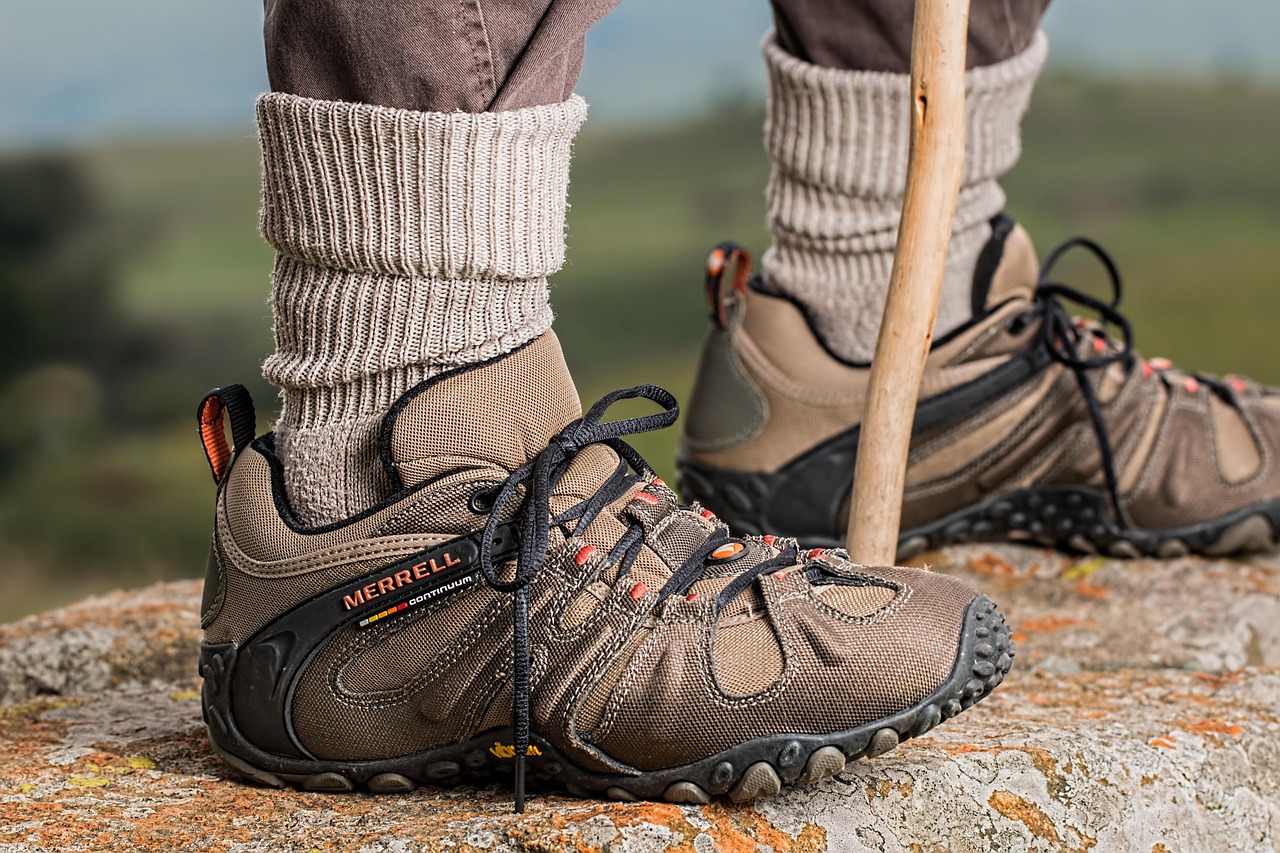
Winter hiking, snowshoeing, and ice fishing demand specialized footwear beyond standard winter boots. These activities require greater support, more aggressive traction, and often higher levels of insulation for extended static periods in extreme cold. Technical winter boots feature stiffer construction for crampon compatibility and enhanced ankle support on uneven terrain.
Activity-specific features include gusseted tongues that prevent snow entry during deep powder navigation and gaiter attachment points that seal the boot-leg interface against precipitation. Insulated overboots provide additional warmth for extreme conditions or low-activity situations where your feet generate minimal heat. Understanding your specific activity demands ensures you select appropriate footwear rather than struggling with inadequate equipment.
⚡ Emergency Preparedness for Winter Travel
Carrying emergency traction devices in your vehicle or bag provides insurance against unexpected conditions. Compact traction aids take minimal space but offer maximum impact when you encounter surprisingly icy parking lots or walkways. Include extra socks in your winter emergency kit, as dry feet maintain warmth far better than even the best insulated boots with wet socks inside.
Chemical hand warmers can supplement boot insulation during extended cold exposure. Place them on top of your feet rather than underneath, as compression reduces their effectiveness. Keep emergency contact information accessible, and let someone know your route and expected arrival time when traveling in severe winter conditions. Preparation prevents minor inconveniences from becoming serious emergencies.
🌟 Making Your Final Footwear Decision
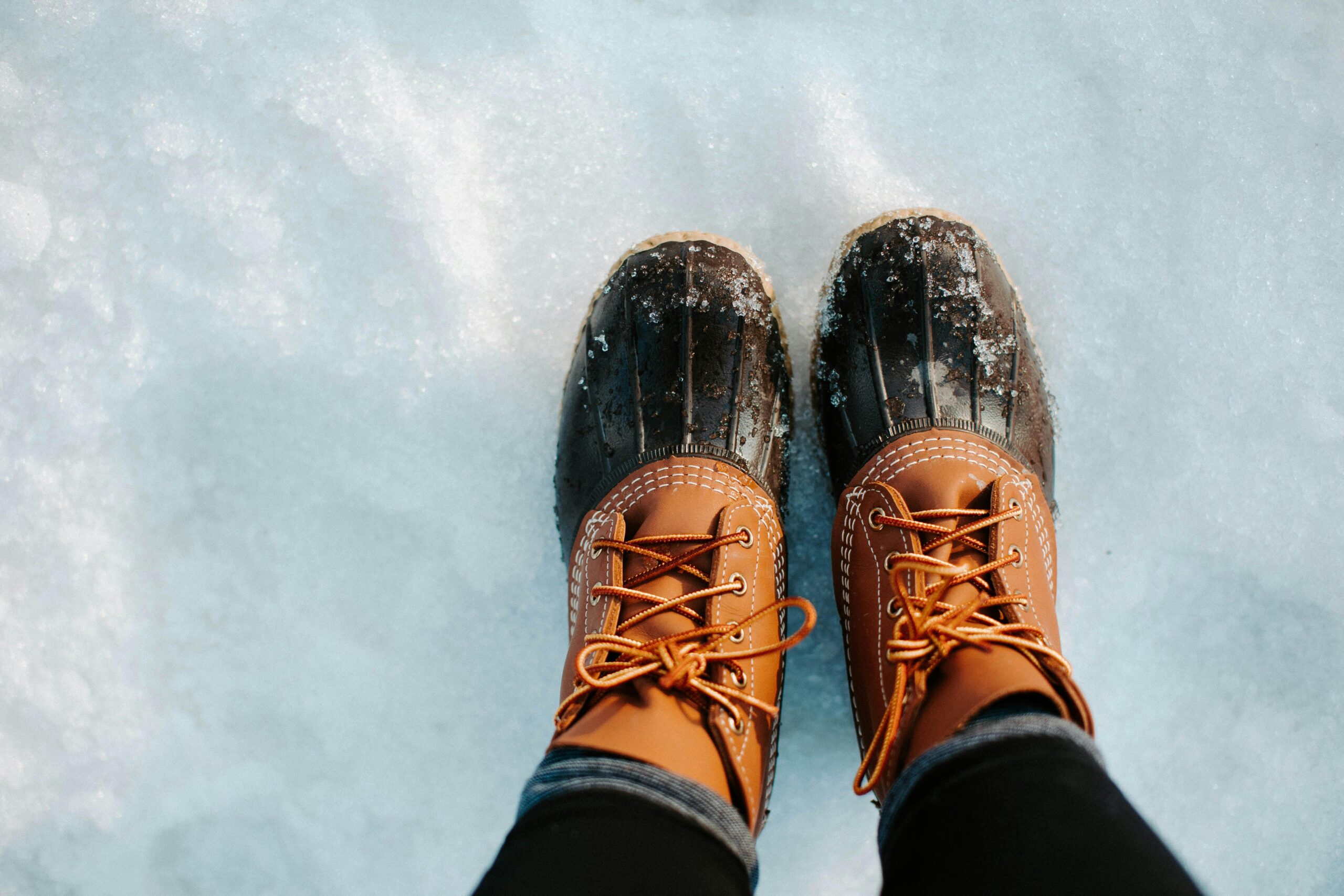
Selecting optimal winter footwear requires balancing multiple factors including climate severity, typical activities, budget constraints, and personal preferences. Try boots on late in the day when feet are naturally swollen, wearing the socks you’ll use during winter. Walk around extensively, testing on various surfaces if possible, and ensure adequate toe room—your toes should never touch the front even when going downhill.
Investment in quality winter boots pays dividends through enhanced safety, comfort, and longevity. Premium options cost more initially but last multiple seasons while providing superior protection. Budget alternatives serve adequately for mild winters or occasional use, but don’t compromise on essential features like adequate insulation and functional tread patterns. Your safety and comfort deserve proper footwear investment.
Winter traction and warmth form the foundation of confident cold-weather mobility. By combining appropriate footwear, surface awareness, modified walking techniques, and proactive environmental management, you transform dangerous winter conditions into navigable challenges. Take time to assess your specific needs, invest in quality equipment, and practice safe winter walking habits. Your feet—and your overall winter experience—will thank you for the attention and preparation you dedicate to mastering winter traction and warmth strategies.