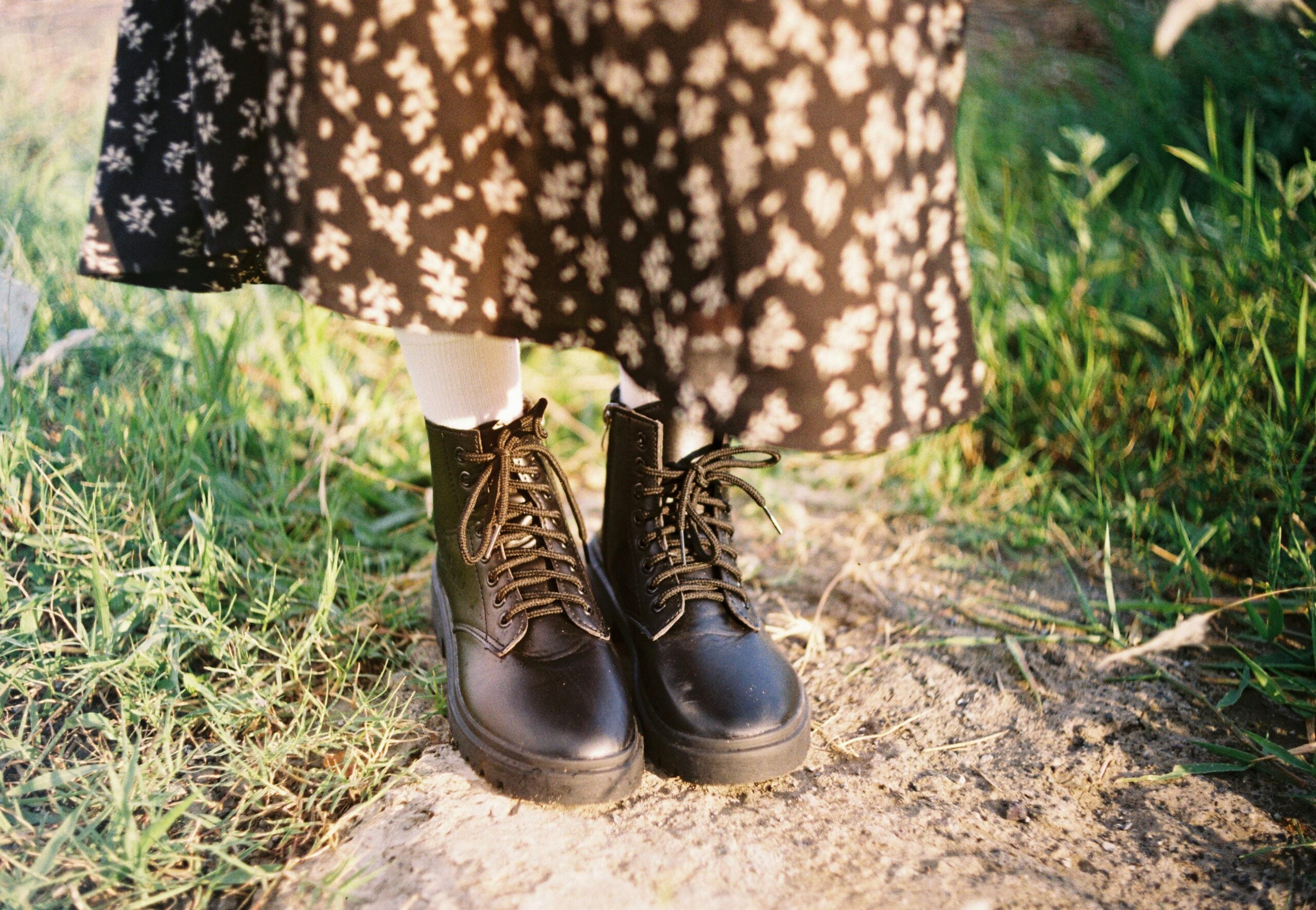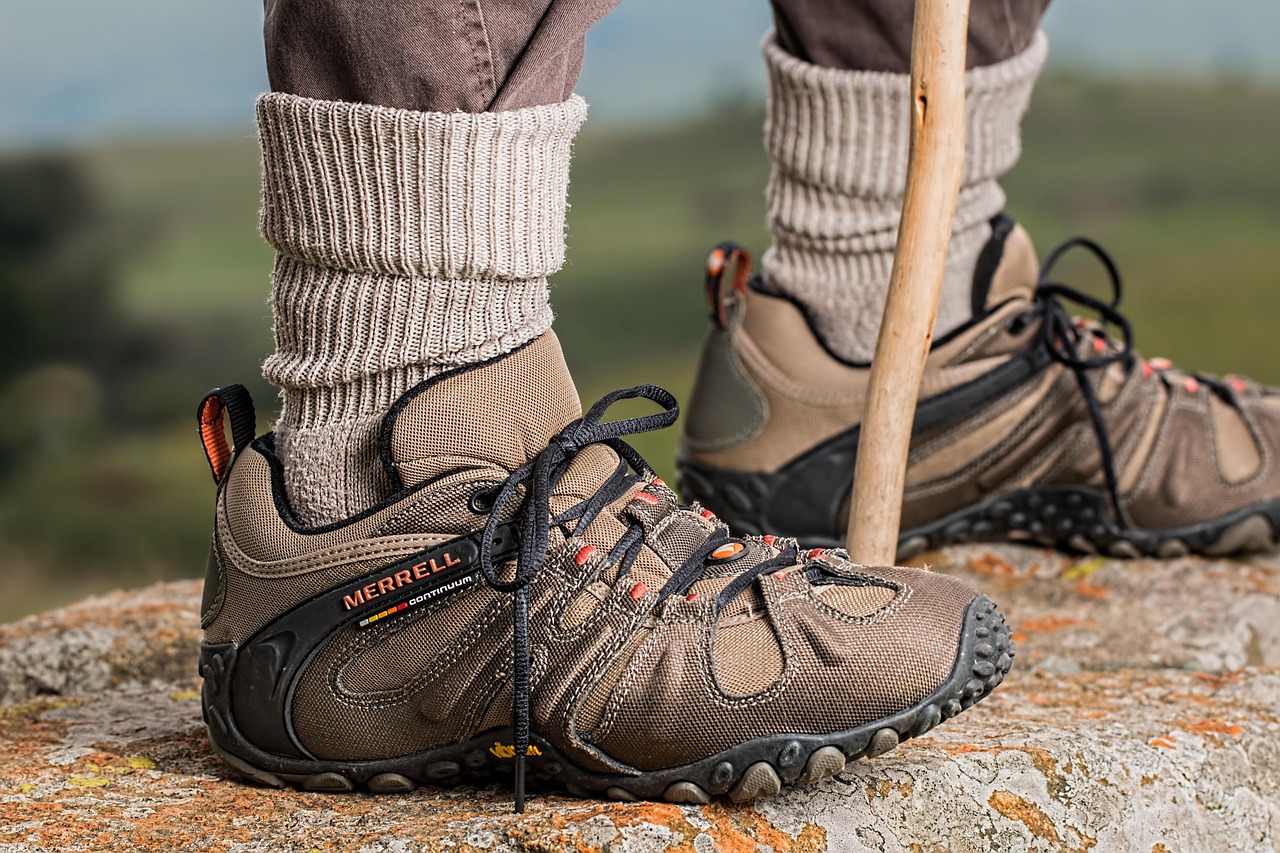
Finding quality footwear that fits your budget doesn’t mean compromising on style or comfort. With smart shopping strategies and informed decisions, you can build an impressive shoe collection without draining your wallet.

The footwear industry has evolved significantly, offering more options than ever for budget-conscious shoppers who refuse to sacrifice quality. Whether you’re searching for everyday sneakers, professional work shoes, or special occasion footwear, understanding where and how to shop can transform your purchasing power and help you step confidently into any situation.
🎯 Understanding the Real Cost of Quality Footwear
Before diving into shopping strategies, it’s essential to understand what constitutes quality in footwear. Price doesn’t always equal quality, and expensive doesn’t necessarily mean better. Quality shoes feature durable materials, proper construction techniques, adequate arch support, and attention to detail in stitching and finishing.
The true cost of footwear extends beyond the initial price tag. Cheaply made shoes that wear out quickly ultimately cost more when you factor in frequent replacements. Conversely, well-constructed shoes purchased at reasonable prices through strategic shopping can last years with proper care, making them the smarter financial choice.
Key Quality Indicators to Look For
When evaluating footwear, examine the sole construction first. Shoes with glued soles tend to separate quickly, while stitched or cemented construction offers superior durability. Check the insole quality, as this directly impacts comfort and foot health. Quality insoles provide cushioning and can be replaced to extend shoe life.
Material quality matters significantly. Genuine leather breathes better and molds to your feet over time, though high-quality synthetic materials have improved dramatically. Inspect stitching for consistency and strength, particularly in high-stress areas like the toe box and heel counter.
💡 Strategic Timing: When to Buy for Maximum Savings
Timing your footwear purchases strategically can save you 30-70% on quality shoes. Retailers follow predictable seasonal patterns, clearing inventory to make room for new collections. Understanding these cycles puts money back in your pocket.
End-of-season sales offer exceptional value. Winter boots plummet in price during spring, while summer sandals become bargains in autumn. Major shopping holidays like Black Friday, Cyber Monday, and back-to-school periods feature significant discounts across all footwear categories.
The Power of Off-Season Shopping
Shopping off-season requires planning ahead but delivers substantial savings. Purchase winter boots in March or April when retailers desperately need to clear inventory. Buy athletic shoes during January when new models launch and previous versions get discounted.
Keep a running list of needed footwear throughout the year, noting your sizes and preferred styles. When sales arrive, you’ll shop with purpose rather than impulse, avoiding unnecessary purchases while securing genuine deals on items you actually need.
🛍️ Where Smart Shoppers Find Quality at Lower Prices
Outlet stores remain goldmines for budget-conscious footwear enthusiasts. Authentic brand outlets carry overstock, discontinued styles, and minor irregulars at 25-65% below retail prices. The quality remains identical to full-price items, with only outdated styles or minimal cosmetic imperfections differentiating them.
Online retailers have revolutionized footwear shopping, offering price comparison tools and exclusive web-only discounts. Sites specializing in closeout merchandise provide designer and premium brands at fraction of original costs. However, understanding return policies becomes crucial when purchasing shoes online.
Exploring Alternative Retail Channels
Department store clearance sections frequently hide exceptional footwear deals. These areas receive floor models, returns in perfect condition, and end-of-line inventory at deeply reduced prices. Visit regularly, as inventory changes frequently and sizes sell quickly.
Warehouse clubs offer surprising footwear selections, particularly for athletic and casual styles. Their bulk purchasing power translates to lower prices on quality brands. Membership costs typically offset within a few purchases, especially for families needing multiple pairs.
📱 Technology Tools for Savvy Footwear Shoppers
Price tracking apps and browser extensions have become essential tools for budget-conscious shoppers. These applications monitor price fluctuations across multiple retailers, alerting you when desired shoes drop to target prices. They eliminate guesswork from timing purchases and prevent overpaying.
Cashback and rewards apps provide additional savings layers on footwear purchases. These platforms return percentages of purchase prices to your account, effectively reducing costs further. Combined with sale prices and promotional codes, these apps maximize every dollar spent.
Digital Coupons and Promotional Codes
Never complete an online footwear purchase without searching for promotional codes. Browser extensions automatically test available codes at checkout, finding discounts you might otherwise miss. Email newsletters from favorite retailers deliver exclusive codes and early sale access to subscribers.
Social media following often rewards fans with special promotions. Brands announce flash sales, exclusive discount codes, and limited-time offers through their social channels before advertising elsewhere. Following your preferred footwear brands costs nothing but can save considerably.
♻️ The Smart Alternative: Quality Pre-Owned Footwear
The secondhand footwear market has matured significantly, offering authenticated luxury and premium shoes at remarkable discounts. Consignment shops, online resale platforms, and specialty vintage stores curate excellent condition footwear from people who barely wore their purchases.
Designer shoes especially make sense to purchase pre-owned, as their superior construction ensures longevity even with previous use. Many listings feature shoes worn once or twice, essentially new at 50-80% below retail. Authentication services on major platforms protect buyers from counterfeit merchandise.
What to Check When Buying Pre-Owned
Examine photos carefully, requesting additional images if needed. Check sole wear patterns, as excessive or uneven wear indicates poor fit for the previous owner or quality issues. Interior condition matters significantly—inspect insoles, linings, and stitching for deterioration.
Understand that leather shoes can be professionally restored. Scuffs, minor creasing, and worn heels are easily remedied by cobblers at reasonable costs. Factor restoration expenses into purchase decisions to ensure pre-owned shoes remain budget-friendly even after professional care.
🔧 Extending Footwear Life Through Proper Maintenance
Proper care dramatically extends shoe lifespan, making quality footwear even more cost-effective. Basic maintenance requires minimal investment but adds years to well-made shoes. This transforms a good deal into an exceptional value over time.
Rotate shoes regularly rather than wearing the same pair daily. This allows materials to dry completely between wears, preventing moisture damage and odor development. Owning several pairs worn in rotation lasts longer than purchasing single pairs worn constantly until destroyed.
Essential Maintenance Supplies and Techniques
Invest in basic care supplies appropriate for your footwear materials. Leather shoes need quality polish, conditioner, and protective spray. Suede requires specialized brushes and erasers. Athletic shoes benefit from gentle cleaning products designed for technical materials.
Store shoes properly when not wearing them. Shoe trees maintain shape and absorb moisture in dress shoes. Stuffing casual shoes with paper prevents creasing. Proper storage in cool, dry locations prevents material degradation and extends usable life significantly.
🎨 Building a Versatile Collection on a Budget
Strategic footwear collection building prioritizes versatility over quantity. Rather than accumulating numerous trendy shoes worn rarely, focus on quality staples that work across multiple occasions. This approach requires fewer pairs while ensuring you’re always appropriately shod.
Start with neutral colors that coordinate with most wardrobes—black, brown, navy, and grey offer maximum versatility. Once basics are covered, add statement pieces that reflect personal style. This foundation-first approach prevents wasteful purchases while building a functional collection.
Essential Footwear Categories to Prioritize
Every wardrobe needs specific footwear categories regardless of personal style. Professional shoes for work environments, casual sneakers for everyday wear, and weather-appropriate boots for challenging conditions form the essential foundation. Athletic shoes for exercise activities prevent injury while protecting other shoes from inappropriate use.
Special occasion footwear can be acquired gradually as needs arise. Wedding shoes, formal heels, and specialty athletic shoes deserve budget allocation only when specifically required. Renting formal footwear for one-time events often makes more financial sense than purchasing items worn once.
💰 Budget Allocation Strategies for Footwear
Creating a dedicated footwear budget prevents impulse purchases while ensuring funds available when quality deals appear. Determine annual footwear needs based on lifestyle, then allocate monthly amounts toward this goal. This disciplined approach transforms footwear from discretionary spending to planned investment.
Prioritize budget allocation toward shoes worn most frequently. If you walk extensively for work, invest more in comfortable, durable work shoes. Athletes should prioritize proper athletic footwear to prevent injury. Occasional-wear items deserve smaller budget portions regardless of their appeal.
When Spending More Makes Financial Sense
Sometimes spending more initially saves money long-term. Quality work boots for demanding jobs, properly fitted athletic shoes for serious training, and supportive everyday shoes for people with foot issues justify higher investments. These purchases prevent injury, reduce replacement frequency, and ultimately cost less per wear.
Calculate cost-per-wear when evaluating footwear purchases. A $150 pair worn 300 times costs $0.50 per wear, while $50 shoes worn 30 times before falling apart cost $1.67 per wear. This perspective shifts focus from sticker price to actual value, often justifying quality investments.
🌟 Recognizing and Avoiding False Economy
Not all budget footwear represents good value. Ultra-cheap shoes from fast fashion retailers often use inferior materials and construction that guarantee rapid failure. These purchases feel budget-friendly initially but create expensive replacement cycles and potential foot health issues.
Counterfeit footwear flooding online marketplaces presents another false economy. These illegal copies use substandard materials and lack proper support structures, risking injury while supporting unethical operations. Authentic footwear from legitimate sources, even at higher prices, provides better value and peace of mind.
Red Flags That Signal Poor Quality
Certain indicators reveal low-quality footwear before purchase. Excessive glue residue, uneven stitching, thin materials, and chemical odors signal manufacturing shortcuts that compromise durability. Prices dramatically below market rates for branded items usually indicate counterfeits or unsalvageable quality issues.
Read reviews carefully before purchasing unfamiliar brands. Patterns of rapid wear, sizing inconsistencies, and comfort complaints indicate footwear best avoided regardless of attractive pricing. Legitimate budget brands earn positive reviews about surprising quality and value.

👣 Final Steps Toward Footwear Financial Freedom
Building a quality footwear collection on a budget requires patience, strategy, and informed decision-making. The approaches outlined here transform footwear from a financial burden into a manageable, planned expense that delivers style, comfort, and durability.
Start implementing these strategies gradually. Choose one or two approaches that resonate with your shopping style and circumstances, then expand your budget-friendly techniques as you experience success. Track savings achieved through strategic shopping to maintain motivation and refine your approach.
Remember that quality footwear investments pay dividends in comfort, confidence, and long-term savings. By shopping strategically, maintaining properly, and focusing on versatile pieces, you’ll step stylishly through life without financial stress. Your feet deserve quality footwear, and your budget deserves respect—these strategies honor both priorities simultaneously.