Walking in scorching temperatures can transform a pleasant outing into an exhausting ordeal. The right footwear and surface choices make all the difference between comfort and heat-induced discomfort during hot weather.

Understanding how heat affects your feet and body is essential for anyone living in or visiting warm climates. From choosing breathable materials to selecting the right walking surfaces, strategic decisions can dramatically improve your comfort level. This comprehensive guide explores practical solutions for keeping cool while staying active in high temperatures.
🌡️ Why Hot Weather Demands Special Footwear Considerations
Heat doesn’t just make you uncomfortable—it directly impacts your foot health and overall well-being. When temperatures soar, your feet face multiple challenges that go beyond simple sweating. Blood vessels dilate, feet can swell, and prolonged exposure to hot surfaces can cause burns or blisters.
The pavement temperature often reaches significantly higher levels than the air temperature. On a 95°F day, asphalt can exceed 140°F, while concrete surfaces may reach 120°F. These extreme temperatures transfer quickly through inadequate footwear, creating discomfort and potential injury risks.
Additionally, moisture from perspiration combined with heat creates an ideal environment for bacterial and fungal growth. This combination can lead to athlete’s foot, unpleasant odors, and skin irritation. Proper footwear selection becomes a health necessity, not just a comfort preference.
The Science Behind Cool Feet: Materials That Matter
Material selection stands as the foundation of heat-appropriate footwear. Natural fibers like leather, canvas, and cotton provide excellent breathability while wicking moisture away from skin. These materials allow air circulation, which helps regulate temperature and keeps feet drier.
Mesh panels have revolutionized athletic and casual footwear by maximizing ventilation. Modern synthetic meshes combine durability with exceptional breathability, making them ideal for hot climate conditions. Look for shoes featuring mesh in multiple areas, particularly across the toe box and sides.
Breathable Sole Technology
The sole matters just as much as the upper material. Traditional rubber soles can trap heat, but innovative designs incorporate ventilation channels and heat-dissipating compounds. EVA foam and specialized rubber blends offer both cushioning and thermal resistance.
Some manufacturers now include cooling technologies directly in the midsole. These systems use gel inserts, air pockets, or phase-change materials that actively absorb and dissipate heat. While premium-priced, these features provide measurable comfort improvements in extreme heat.
👟 Top Footwear Types for Hot Climate Comfort
Different activities and settings require specific footwear solutions. Understanding which styles work best for various hot weather scenarios helps you make informed purchasing decisions.
Breathable Sneakers and Walking Shoes
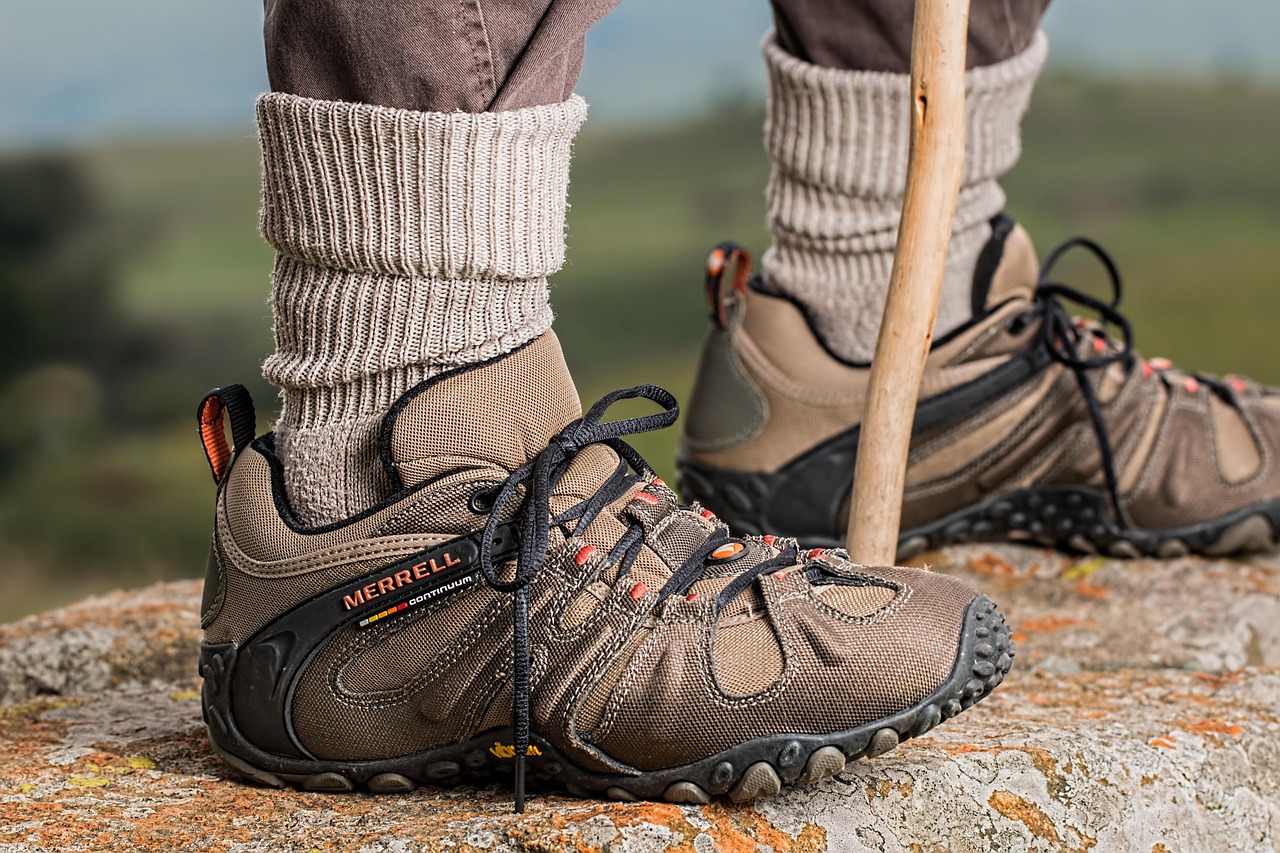
Modern athletic footwear combines performance with thermal management. Lightweight running shoes with extensive mesh panels provide excellent ventilation for active wear. Look for models specifically marketed for warm weather running or designed with “summer” specifications.
Walking shoes designed for hot climates typically feature moisture-wicking linings and perforated insoles. Brands specializing in outdoor gear often incorporate quick-dry materials that prevent moisture accumulation during extended wear.
Open-Toed Options: Sandals and Water Shoes
Sandals offer maximum ventilation by exposing most of the foot surface. Sport sandals with adjustable straps provide security for active pursuits while maintaining airflow. Choose styles with cushioned footbeds and arch support for extended comfort.
Water shoes have evolved beyond beach wear into legitimate hot-weather footwear. Their quick-dry mesh construction and drainage ports make them perfect for humid climates. The thin, flexible soles provide ground feel while protecting against hot surfaces.
Canvas Shoes: Classic Cool Comfort
Canvas sneakers remain timeless hot-weather favorites for good reason. The natural cotton weave breathes exceptionally well while providing casual style versatility. Lightweight construction prevents foot fatigue, and most canvas shoes can be machine washed for easy maintenance.
Slip-on canvas styles eliminate the heat retention sometimes caused by thick laces and tongues. Espadrilles, with their jute rope soles, add natural fiber benefits to both the upper and lower shoe structure.
🏖️ Smart Surface Selection: Where You Walk Matters
Choosing appropriate walking surfaces significantly impacts your comfort in hot weather. Surface type affects both the heat you experience through your footwear and the overall energy expenditure required for movement.
Natural vs. Artificial Surfaces
Natural surfaces like grass, dirt trails, and sand reflect less heat than artificial materials. Grass remains notably cooler than pavement, often by 20-30 degrees. Parks and green spaces provide both temperature relief and softer walking surfaces that reduce joint impact.
Dirt trails offer similar temperature advantages while providing natural shade opportunities under tree canopies. The uneven terrain also engages more muscle groups, but requires more substantial footwear than manicured lawns.
Timing Your Pavement Exposure
When artificial surfaces are unavoidable, timing becomes crucial. Asphalt and concrete reach peak temperatures in mid-afternoon, typically between 2:00 and 5:00 PM. Early morning or evening walks encounter significantly cooler surface temperatures, sometimes 40-50 degrees lower than midday readings.
Shaded pavement routes provide substantial relief even during peak heat hours. Trees, building overhangs, and covered walkways can reduce surface temperatures by 15-25 degrees compared to sun-exposed areas.
Advanced Cooling Strategies for Your Feet 🧊
Beyond selecting appropriate footwear and surfaces, additional strategies enhance thermal comfort during hot weather activities.
Moisture Management Techniques
Moisture-wicking socks made from merino wool, bamboo, or synthetic performance fibers pull perspiration away from skin. Counterintuitively, quality wool socks often outperform cotton in hot weather by maintaining dryness and preventing blisters.
Foot powder or anti-chafe balms applied before wearing shoes create a moisture barrier while reducing friction. Some products include cooling menthol or eucalyptus for additional temperature relief.
Active Cooling Methods
Cooling foot sprays containing peppermint or eucalyptus oils provide immediate refreshment. Keep a small bottle in your bag for periodic application during extended outdoor activities. These sprays work by creating a cooling sensation through menthol’s interaction with skin temperature receptors.
Some outdoor enthusiasts freeze water bottles and roll their bare feet over them before and after walks. This pre-cooling technique temporarily lowers foot temperature, extending comfort duration during subsequent activity.
Insole Innovations That Beat the Heat
Aftermarket insoles offer customizable comfort improvements without replacing entire shoe collections. Gel-based cooling insoles absorb and dissipate heat while providing cushioning. Some models include perforations that enhance airflow through the shoe interior.
Copper-infused insoles claim to reduce odor and regulate temperature through the metal’s natural antimicrobial and thermal properties. While scientific evidence varies, many users report noticeable comfort improvements.
Activated charcoal insoles absorb both moisture and odor while providing modest cooling effects. Their lightweight construction makes them suitable for any footwear type without adding bulk.
☀️ Protecting Your Feet Beyond Temperature
Hot climates present challenges beyond simple heat management. UV exposure, increased activity levels, and environmental factors require comprehensive foot care strategies.
Sun Protection for Exposed Skin
Open-toed footwear exposes skin to harmful UV radiation. Apply broad-spectrum sunscreen with SPF 30 or higher to all exposed foot and ankle areas. Reapply every two hours during extended outdoor exposure, especially after swimming or heavy perspiration.
Sun-protective socks made from UPF-rated fabrics offer an alternative to chemical sunscreens. These lightweight socks provide coverage without heat retention, making them practical for activities like hiking or outdoor sports.
Hydration’s Role in Foot Health
Proper hydration affects every body system, including foot health. Dehydration reduces blood volume, potentially leading to cramping and reduced performance. Maintain consistent fluid intake throughout the day, not just during activity.
Electrolyte balance matters equally in hot climates. Sodium, potassium, and magnesium losses through perspiration can cause muscle dysfunction. Sports drinks or electrolyte supplements help maintain proper balance during extended heat exposure.
Maintenance Tips for Hot Weather Footwear
Proper care extends footwear lifespan while maintaining performance characteristics. Hot, humid conditions accelerate wear and promote bacterial growth, making maintenance essential.
Clean shoes regularly to remove sweat, dirt, and bacteria. Most canvas and mesh shoes tolerate machine washing on gentle cycles. For leather and specialty materials, use appropriate cleaners and allow thorough air drying between wears.
Rotate between multiple pairs to allow complete drying between uses. Footwear needs 24-48 hours to fully dry internally, and alternating pairs prevents moisture accumulation that breeds odor-causing bacteria.
Store shoes in well-ventilated areas away from direct sunlight. UV exposure degrades materials over time, while poor ventilation promotes mildew growth. Consider cedar shoe trees, which absorb moisture and maintain shape while imparting pleasant scent.
🌴 Regional Considerations: Adapting to Different Hot Climates
Not all hot climates present identical challenges. Dry heat, humid heat, and mixed conditions each require slightly different approaches to footwear and surface selection.
Desert and Arid Environments
Low humidity regions allow rapid perspiration evaporation, which naturally cools skin. However, intense sun and reflective surfaces create extreme temperature challenges. Closed-toe shoes with breathable mesh protect against hot sand and rocky terrain while maintaining ventilation.
Light-colored footwear reflects rather than absorbs solar radiation, remaining cooler than dark alternatives. This simple color choice can reduce shoe surface temperature by 10-15 degrees.
Tropical and Humid Climates
High humidity prevents efficient evaporative cooling, making moisture management critical. Open designs like sandals and water shoes excel in these conditions by maximizing air exposure and drainage.
Antimicrobial treatments become more important in humid environments where fungal growth thrives. Shoes marketed with silver ion technology or similar treatments resist bacterial proliferation better than untreated alternatives.
Budget-Friendly Solutions for Staying Cool
Premium cooling technologies deliver results, but effective heat management doesn’t require expensive investments. Strategic shopping and DIY solutions provide substantial comfort improvements at minimal cost.
Discount retailers often carry previous-season athletic shoes with excellent breathability at significant markdowns. Performance characteristics remain identical while fashion-focused details may differ from current models.
Simple modifications to existing footwear can improve thermal comfort. Replacing factory insoles with perforated aftermarket versions increases airflow. Drilling small drainage holes in rubber shoe bottoms allows moisture escape, though this voids warranties and requires careful placement to maintain structural integrity.
Making Smart Choices for Hot Weather Mobility 🚶
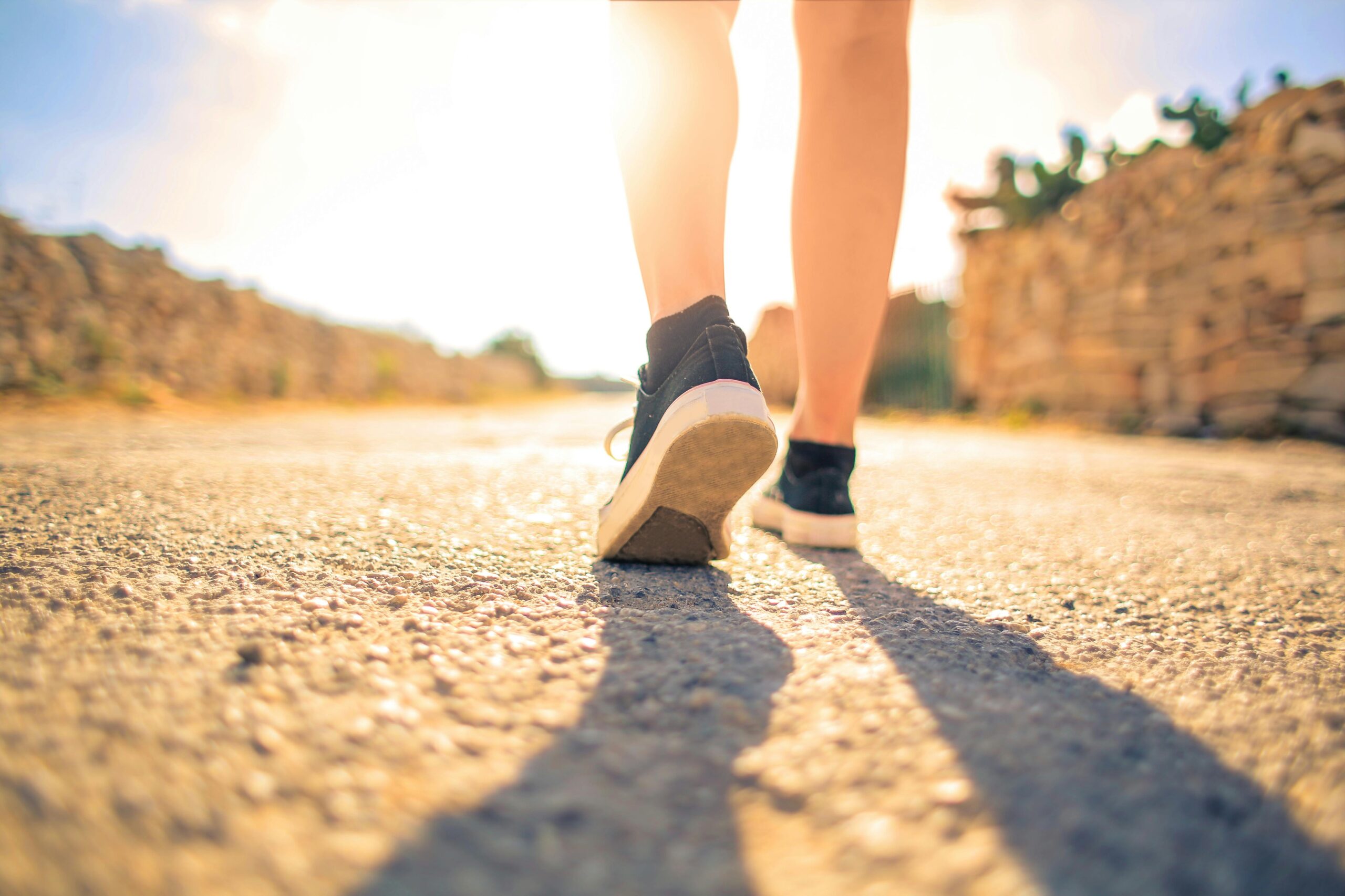
Comfort in hot climates results from combining multiple strategies rather than relying on single solutions. Quality breathable footwear forms the foundation, but surface selection, timing, maintenance, and supplementary cooling techniques work together to optimize your experience.
Individual needs vary based on activity levels, personal physiology, and specific environmental conditions. Experiment with different footwear styles and materials to identify what works best for your situation. What keeps one person comfortable may not suit another due to foot shape, gait patterns, or sweat production differences.
Invest in versatility by maintaining a small collection of specialized footwear for different hot weather scenarios. A pair of breathable athletic shoes, quality sandals, and lightweight water shoes covers most warm climate activities without excessive spending.
Remember that foot health directly impacts overall well-being and mobility. Prioritizing comfort and protection in hot weather isn’t vanity—it’s practical health management that allows you to maintain active lifestyles regardless of temperature.
By implementing these footwear and surface strategies, you’ll transform hot weather from a limiting factor into a manageable aspect of daily life. Stay cool, stay comfortable, and keep moving confidently through even the most challenging heat conditions. Your feet—and your entire body—will thank you for the thoughtful attention to thermal comfort.