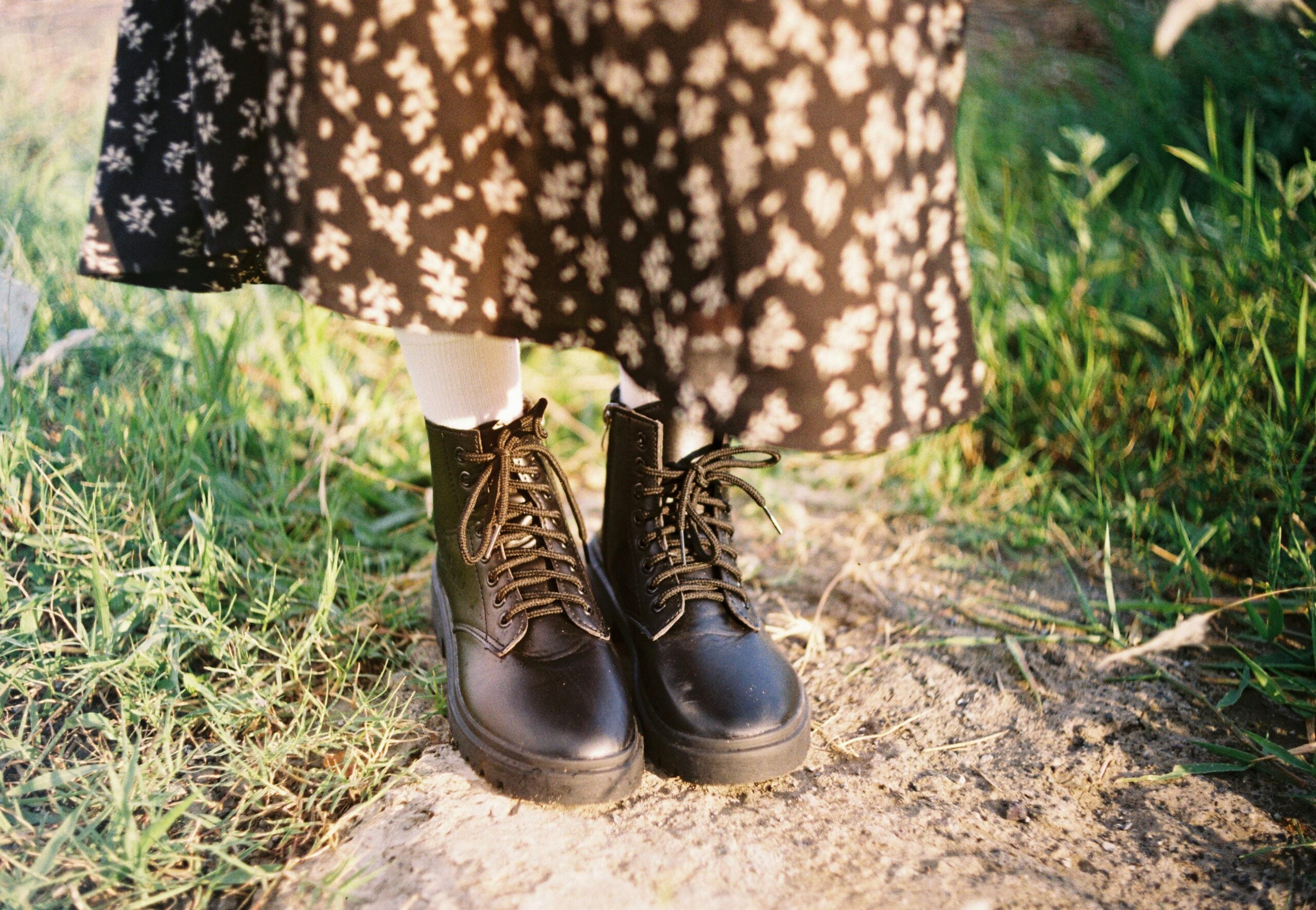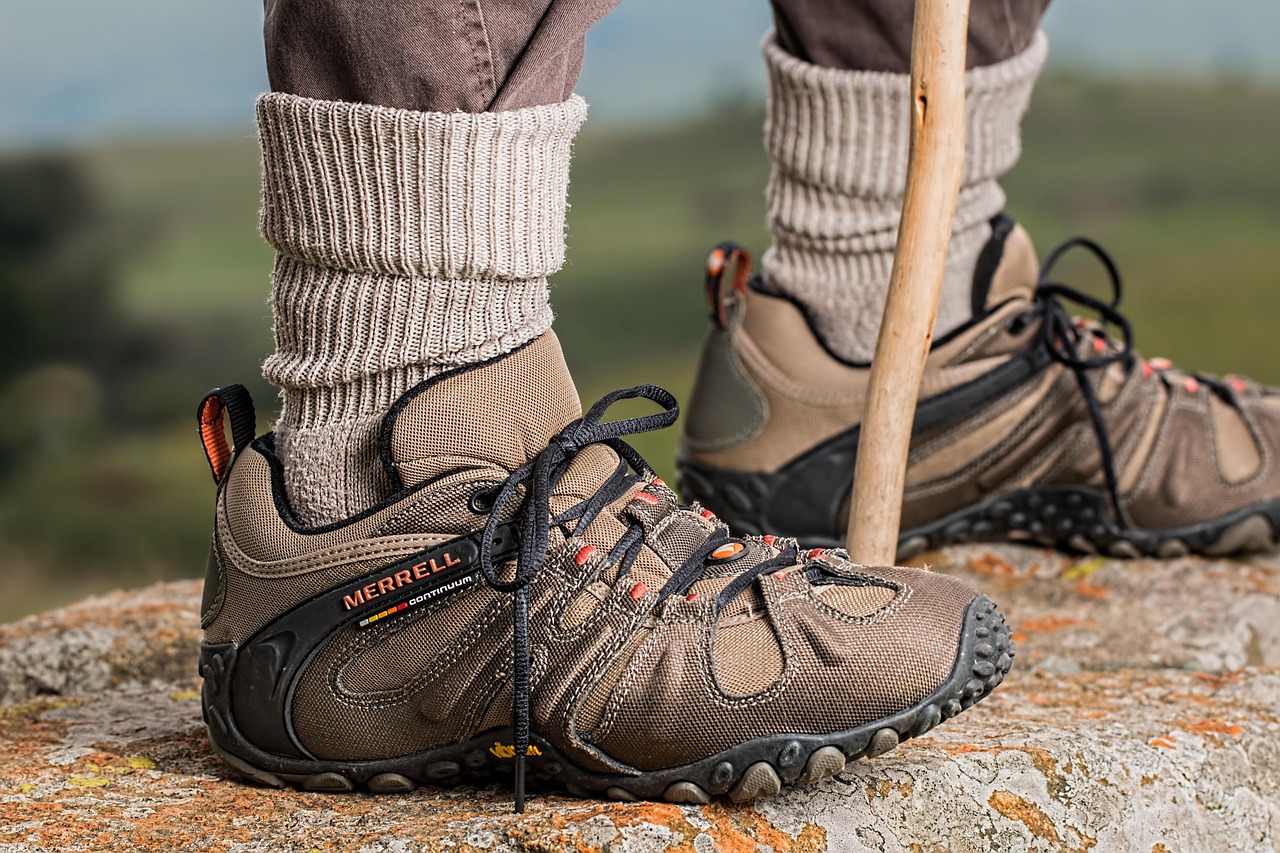
When adventure calls, your feet answer first. Choosing the right travel footwear can transform your journey from painful endurance to pure exploration joy.

Every seasoned traveler knows the truth: your shoes can make or break your adventure. Whether you’re navigating cobblestone streets in Europe, trekking mountain trails in South America, or exploring bustling markets in Southeast Asia, the footwear on your feet determines how much you’ll enjoy every moment. This comprehensive guide will walk you through everything you need to know about selecting the perfect travel shoes for your most active days on the road.
🥾 Understanding Your Adventure Footwear Needs
Before diving into specific shoe types, it’s essential to assess what kind of traveler you are and what activities dominate your itinerary. A cultural city explorer has vastly different needs than a wilderness backpacker or a multi-climate adventurer.
Consider the terrain you’ll encounter most frequently. Urban environments with concrete and pavement require different cushioning and support than natural trails with rocks, roots, and uneven surfaces. Weather conditions also play a crucial role—waterproof features become essential in rainy climates, while breathability takes priority in tropical destinations.
Your personal foot characteristics matter significantly. Those with high arches need different support than flat-footed travelers. Previous foot injuries, pronation patterns, and blister-prone areas should all influence your decision. Taking time to understand these factors before purchasing will save you considerable discomfort later.
The Essential Characteristics of Great Travel Shoes
Quality travel footwear shares several fundamental characteristics that distinguish them from regular shoes. Understanding these features helps you identify the best options regardless of style or brand.
Comfort and Cushioning Technology
Comfort isn’t negotiable when you’re walking 15,000 steps daily through foreign streets. Modern travel shoes incorporate advanced cushioning technologies that absorb impact and reduce fatigue. Memory foam insoles, gel padding, and air-cushioned soles have revolutionized comfort levels in contemporary footwear.
The midsole construction particularly affects long-term comfort. EVA foam offers lightweight cushioning, while polyurethane provides superior durability for extended trips. Some premium options feature dual-density midsoles that combine both materials for optimal performance.
Support and Stability Features
Proper arch support prevents common travel ailments like plantar fasciitis and general foot fatigue. Look for contoured footbeds that match your arch type and provide adequate heel cupping to maintain alignment during extended wear.
Ankle support becomes crucial when carrying backpacks or traversing uneven terrain. While not every travel shoe needs high-top construction, some stability features around the heel counter help prevent rolling and provide confidence on challenging surfaces.
Breathability and Moisture Management
Your feet produce significant moisture during active days, making breathability essential for comfort and hygiene. Mesh panels, perforated leather, and specialized moisture-wicking linings help keep feet dry and reduce odor development.
Climate-appropriate ventilation prevents overheating in warm destinations while maintaining enough insulation for cooler environments. Some innovative designs feature strategically placed ventilation zones that maximize airflow without compromising structural integrity.
Durability and Construction Quality
Travel shoes must withstand constant use across various conditions without falling apart. Reinforced stitching, quality materials, and robust sole attachment methods determine longevity. Well-constructed footwear represents better value even with higher initial costs.
Inspect the outsole rubber compound and tread pattern. Harder rubber lasts longer on pavement, while softer compounds provide better traction on trails. Deep, multidirectional lugs offer superior grip on varied terrain compared to shallow patterns.
🌍 Different Types of Travel Footwear Explained
The travel footwear market offers numerous specialized options, each designed for specific activities and conditions. Understanding these categories helps narrow your selection to footwear that matches your adventure style.
Hiking Boots and Trail Shoes
Traditional hiking boots provide maximum ankle support and protection for serious trekking adventures. Their rigid construction handles heavy loads and challenging terrain effectively, making them ideal for multi-day wilderness expeditions.
Trail shoes offer a lighter alternative with more flexibility and faster drying times. They work excellently for day hikes, mixed urban-trail environments, and travelers who prioritize versatility over maximum protection. Modern trail shoes often rival hiking boots in traction and durability while weighing significantly less.
Athletic and Walking Shoes
Purpose-built walking shoes excel in urban environments where pavement dominates. They typically feature enhanced cushioning, smooth-rolling heel-to-toe transitions, and comfortable room in the toe box for extended walking sessions.
Running shoes can serve as travel footwear, though they’re often less durable and supportive than dedicated walking models. They work best for travelers whose activities include actual jogging or who prefer maximum lightness over longevity.
Approach and Multi-Sport Shoes
Approach shoes bridge the gap between hiking boots and climbing shoes, offering sticky rubber soles and versatile performance. They handle varied terrain admirably and transition well from trails to casual dining establishments.
Multi-sport designs attempt to do everything reasonably well—hiking, water activities, cycling, and casual wear. While they won’t excel at any single activity like specialized footwear, they minimize packing weight for travelers facing diverse adventures.
Sandals and Open-Toe Options
Sport sandals have evolved dramatically, now offering legitimate support and protection for mild adventures. Quality hiking sandals feature contoured footbeds, adjustable straps, and aggressive outsoles capable of handling wet conditions and moderate trails.
They provide excellent versatility as both active footwear and comfortable evening options. The open design dries quickly and allows feet to breathe in hot climates, though they lack the protection needed for serious trekking or cold weather.
Climate-Specific Footwear Considerations ☀️🌧️
Your destination’s climate dramatically influences appropriate footwear choices. What works brilliantly in one environment may become a liability in another.
Hot and Humid Tropical Environments
Tropical destinations demand maximum breathability and quick-drying capabilities. Mesh uppers, drainage ports, and moisture-wicking linings become essential features. Antimicrobial treatments help control odor when feet remain damp.
Light colors reflect heat better than dark ones, keeping feet marginally cooler during intense sun exposure. However, light-colored shoes show dirt more readily, requiring more frequent cleaning.
Cold Weather and Snow Conditions
Winter adventures require insulation, waterproofing, and traction for snow and ice. Insulated boots with 200-400 grams of insulation maintain warmth without excessive bulk. Waterproof membranes like Gore-Tex keep feet dry while allowing some breathability.
Aggressive lug patterns and specialized rubber compounds maintain flexibility in cold temperatures. Some travelers add removable traction devices like microspikes for icy conditions rather than buying separate winter-specific footwear.
Rainy and Wet Environments
Waterproof footwear seems like an obvious choice for wet climates, but breathability trade-offs deserve consideration. Fully waterproof shoes trap perspiration, potentially leaving feet as wet as non-waterproof options would in light rain.
Water-resistant treatments provide compromise solutions—they shed light precipitation and dry faster when soaked. For truly wet destinations, some travelers prefer quick-drying footwear with excellent drainage over waterproof models.
Finding the Perfect Fit for Travel Success
Even the highest-quality travel footwear fails if it doesn’t fit properly. Understanding fit nuances prevents blisters, discomfort, and potential injury during your adventures.
Sizing Considerations for Travel Footwear
Purchase travel shoes slightly larger than your measured foot size—typically a half size up. Feet swell during extended walking, especially in warm conditions and at altitude. Insufficient toe room causes black toenails and blisters on longer hikes.
Try shoes in the afternoon or evening when feet have expanded to their largest. Wear the socks you’ll use while traveling to ensure accurate fitting. Remember that sizing varies between brands and even between models from the same manufacturer.
Breaking In Your Travel Footwear
Never bring brand-new shoes on a major trip. Allow at least three weeks of regular wear to break them in properly. Start with short walks and gradually increase distance while monitoring for hot spots or discomfort areas.
Some high-quality footwear requires minimal break-in time, but others need substantial molding to your foot shape. Address any problem areas early—using moleskin, adjusting lacing patterns, or adding aftermarket insoles before departure.
Testing Techniques Before Purchase
Walk around the store extensively, testing shoes on inclines if possible. Stand on your toes and rock back onto heels to check flexibility and support. Your heel should stay planted without slipping during this movement.
Feel for adequate toe room by pressing down on the toe box—you should have about a thumb’s width between your longest toe and the shoe’s end. Check for pressure points along the sides and over the top of your foot.
🎒 Packing Strategy: How Many Pairs to Bring
The minimalist versus prepared debate continues among travelers. Finding the right balance depends on trip length, activities planned, and your tolerance for multipurpose compromises.
The One-Shoe Approach
Ultralight travelers often bring only a single pair of versatile footwear. This works best for trips under two weeks in consistent climates with predictable activities. Choose shoes that transition reasonably from active daytime use to casual evening settings.
This approach minimizes weight and packing space but offers no backup if shoes become damaged, soaked, or cause unexpected foot problems. It also prevents foot rotation, potentially increasing fatigue and injury risk on long trips.
The Two-Shoe System
Most experienced travelers favor bringing two complementary pairs: primary active footwear and lightweight secondary options. This combination provides backup protection, allows shoe rotation for foot health, and covers more activity types effectively.
Popular combinations include trail shoes plus sport sandals, or walking shoes plus minimalist casual shoes. The secondary pair should weigh minimal while serving multiple purposes—evening wear, hostel shoes, and backup hiking if needed.
Specialized Multi-Pair Approaches
Extended trips through varied climates or adventure-focused itineraries sometimes justify three or more pairs. Serious trekkers might bring dedicated hiking boots, trail runners, and casual shoes for comprehensive coverage.
This approach works best when you’re staying in one place for extended periods rather than constantly moving. The extra weight and packing volume make this impractical for frequent relocations.
Care and Maintenance on the Road
Proper footwear maintenance extends shoe life and maintains performance throughout your journey. Simple habits prevent premature wear and keep feet healthy.
Daily Cleaning and Drying Routines
Remove dirt and debris after each use, especially from tread patterns where buildup affects traction. Quick brush-offs prevent material deterioration and maintain appearance.
Thoroughly dry wet shoes before storing them in your pack. Remove insoles and loosen laces to promote airflow. Stuff shoes with newspaper if available to absorb moisture and maintain shape. Never place wet shoes near direct heat sources, which damages materials and adhesives.
Addressing Minor Repairs Quickly
Carry basic repair supplies including needle and thread, superglue, and duct tape. Address loose stitching immediately before it worsens. Reattach separating soles with appropriate adhesives when possible.
Monitor wear patterns on soles and make repairs or adjustments before they compromise performance. Uneven wear often indicates gait issues that aftermarket insoles can address.
Budget Considerations: Investment vs. Value
Quality travel footwear represents a significant investment, but the cost-per-wear calculation often favors premium options for serious travelers. Understanding where to allocate budget creates maximum value.
Premium footwear from established outdoor brands typically costs between $120 and $250. These shoes feature advanced materials, superior construction, and refined comfort technologies developed through extensive research. They generally last longer and perform better than budget alternatives.
Mid-range options between $60 and $120 often provide excellent value for occasional travelers or those with lighter use patterns. Many reputable brands offer entry-level models with good performance characteristics at accessible prices.
Budget footwear under $60 rarely withstands serious travel demands. Poor materials and construction lead to premature failure, often at inconvenient times. However, these options work for destination-specific purchases or true backup pairs.

🌟 Making Your Final Selection
With knowledge of footwear types, features, and your specific needs, you’re ready to make an informed purchase decision. Prioritize comfort and fit above all other factors—even the most technically advanced shoes fail if they don’t fit your feet properly.
Research specific models through reviews from actual travelers rather than relying solely on marketing claims. Real-world testing reveals performance characteristics that specifications don’t capture. Pay attention to reviews from people with similar foot types and travel styles.
Visit physical stores when possible to try multiple options. Online shopping offers better prices and selection, but nothing replaces actually wearing shoes before purchase. Some retailers offer generous return policies that allow home testing.
Remember that perfect travel footwear represents a compromise between competing priorities. No single shoe excels at everything, so identify your most important criteria and optimize for those factors. Your feet will thank you after every adventure-filled day on the road, making the investment in quality footwear one of the best travel decisions you’ll make.