Your shoes work hard every single day, supporting your weight, absorbing impact, and protecting your feet from the elements. Yet many people continue wearing footwear long past its expiration date, unknowingly compromising their comfort and health.

Understanding when to retire your beloved shoes isn’t just about aesthetics—it’s about preventing injury, maintaining proper posture, and ensuring your feet receive the support they deserve. The relationship between worn-out shoes and foot pain, knee problems, and back discomfort is more connected than most people realize, making this knowledge essential for everyone who walks, runs, or stands throughout their day.
👟 The Hidden Dangers of Wearing Worn-Out Shoes
Most people don’t think twice about their shoes until something goes catastrophically wrong—a sole completely detaching or a hole appearing. However, shoes deteriorate gradually, and the damage they cause to your body can be equally insidious. Worn footwear loses its ability to provide adequate cushioning, stability, and support, forcing your feet, ankles, knees, hips, and spine to compensate for these deficiencies.
The consequences extend beyond simple discomfort. Continuing to wear shoes that have passed their functional lifespan can lead to plantar fasciitis, shin splints, stress fractures, tendonitis, and various overuse injuries. The biomechanical changes that occur when walking in compromised footwear create a domino effect throughout your entire kinetic chain, potentially causing problems that persist long after you’ve finally replaced those worn-out shoes.
The Science Behind Shoe Breakdown
Shoe materials degrade through multiple mechanisms simultaneously. The midsole foam—typically made from EVA (ethylene-vinyl acetate) or polyurethane—compresses permanently over time, losing its shock-absorbing properties. This compression doesn’t always show visible signs, making it one of the most deceptive aspects of shoe wear. You might look at your shoes and think they appear fine, while internally the cushioning has become essentially useless.
Additionally, the outsole rubber wears away with friction against pavement and surfaces, reducing traction and grip. The upper materials stretch, tear, and lose their structural integrity, failing to secure your foot properly. Even the insole breaks down, creating an uneven surface that can cause pressure points and discomfort. All these factors combine to create a shoe that looks somewhat acceptable but functions poorly.
🔍 Visual Signs Your Shoes Need Replacement
Before discussing the subtle indicators, let’s address the obvious visual cues that your shoes have reached the end of their serviceable life. These signs are your shoes literally crying out for retirement, yet surprisingly many people continue wearing footwear displaying these obvious red flags.
Sole Separation and Visible Damage
When you notice the sole peeling away from the upper, even slightly, the shoe’s structural integrity is compromised. This separation allows moisture, debris, and uneven pressure distribution that accelerates further damage. Holes in the upper material, whether fabric or leather, expose your feet to the elements and indicate the materials have broken down beyond acceptable wear.
Inspect your shoes from multiple angles. Look at the heel counter—the stiff cup at the back of the shoe—and check if it has collapsed or lost its shape. A functioning heel counter is crucial for stability and proper foot alignment. When this structure fails, your heel moves excessively with each step, potentially causing ankle instability and other biomechanical issues.
Uneven Wear Patterns
Examining the bottom of your shoes reveals important information about both the shoe’s condition and your gait pattern. While some wear is normal and expected, excessive or asymmetrical wear indicates problems. If one side of the sole is significantly more worn than the other, or if the wear is concentrated in unusual areas, your shoes are no longer providing appropriate support.
These wear patterns might also signal biomechanical issues with your gait that should be addressed. Overpronation (excessive inward rolling) or supination (outward rolling) creates distinctive wear patterns. While new shoes won’t fix these underlying issues, continuing to wear shoes that have worn unevenly will exacerbate the problem and potentially cause injury.
🚶 Physical Sensations That Signal Replacement Time
Your body provides constant feedback about your shoes’ condition—you just need to know how to interpret these signals. Pay attention to how your feet, legs, and back feel during and after wearing your shoes. Changes in comfort levels, even subtle ones, often indicate your footwear is no longer performing its essential functions.
Decreased Cushioning and Impact Absorption
One of the first things you’ll notice when shoes begin failing is that walking on hard surfaces feels noticeably harder. Every step on concrete or tile seems to jar your body more than before. This sensation indicates the midsole cushioning has compressed and lost its ability to absorb shock effectively. What once felt comfortable now leaves your feet feeling tired, achy, or even bruised after a normal day’s activities.
This decreased cushioning forces other parts of your body to work harder to absorb impact. Your joints—particularly ankles, knees, and hips—take on additional stress with every step. Over time, this extra burden can lead to joint pain, inflammation, and increased risk of arthritis development or acceleration.
New Aches and Pains
If you develop foot pain, ankle discomfort, knee issues, hip problems, or back pain that coincides with wearing particular shoes, the footwear might be the culprit. Sometimes the connection is obvious—putting on those shoes immediately causes discomfort. Other times, the pain develops gradually throughout the day or appears only after extended wear.
Common complaints associated with worn-out shoes include heel pain (often plantar fasciitis), arch pain, metatarsalgia (ball-of-foot pain), shin splints, and knee tracking issues. If you notice that switching to different, newer shoes alleviates these symptoms, you’ve identified the problem. Your worn-out shoes are no longer supporting your body properly, and continuing to wear them will likely worsen these conditions.
⏰ Time and Mileage Guidelines for Shoe Replacement
While visual inspection and physical sensations provide important clues, objective metrics offer valuable guidance for shoe replacement timing. Different types of shoes have different lifespans based on their construction, materials, and intended use patterns.
Running and Athletic Shoes
Running shoes typically need replacement every 300-500 miles, depending on your weight, running style, and the surfaces you run on. Heavier runners and those who run primarily on concrete or asphalt will reach the lower end of this range faster. Trail runners might extend shoe life slightly since softer surfaces reduce impact wear, though the aggressive outsole lugs may wear differently.
For non-runners who use athletic shoes for walking, gym workouts, or casual wear, expect about 6-12 months of functional life with regular use. If you wear the same pair of athletic shoes daily, lean toward the shorter end of this timeframe. Rotating between multiple pairs extends the life of each individual pair by allowing the midsole foam to fully decompress between wears.
Everyday Casual and Dress Shoes
Casual shoes and dress shoes often show wear more obviously than athletic shoes since their construction typically prioritizes style alongside function. Leather dress shoes can last years with proper care, including regular cleaning, conditioning, and occasional resoling by a cobbler. The quality of construction matters significantly—Goodyear welted shoes can be resoled multiple times, while cemented construction shoes are essentially disposable once the sole wears through.
For casual canvas shoes, sneakers, and similar footwear, expect roughly 9-18 months depending on wear frequency and care. These shoes often develop visible problems—torn fabric, sole separation, or stretched-out uppers—before the cushioning completely fails. However, don’t ignore comfort changes just because the shoe still looks acceptable.
💡 The Twist Test and Squeeze Test
Two simple at-home tests can help you assess your shoes’ structural integrity objectively, providing clarity when you’re unsure whether replacement is necessary. These tests work for most shoe types and require no special equipment or expertise.
Performing the Twist Test
Hold your shoe at both ends—toe and heel—and try to twist it like you’re wringing out a towel. A shoe with proper structural integrity should resist twisting and feel relatively stiff. If the shoe twists easily or feels floppy, the midsole and shank (the structural support between heel and forefoot) have broken down. This loss of torsional rigidity means the shoe can no longer provide adequate support for the complex movements your foot makes during walking or running.
This test is particularly revealing for athletic shoes and supportive footwear. While some flexibility is normal and even desirable, excessive twisting indicates compromised structure. Compare a questionable shoe with a newer pair of the same model if possible—the difference in resistance will be immediately apparent.
The Squeeze Test for Cushioning
Firmly squeeze the midsole between your thumb and fingers, applying steady pressure. Fresh, functional cushioning will compress somewhat but provide noticeable resistance and spring back quickly when released. Worn-out cushioning feels thin, compresses easily, and may not spring back fully. You might even feel your fingers nearly touching through what should be substantial cushioning material.
Pay special attention to the heel area, where most impact forces concentrate. If the heel cushioning has compressed significantly, your body absorbs much more shock with every step. This simple test takes seconds but provides valuable information about your shoes’ functional capacity.
🏃 Special Considerations for Different Activities
Different activities place varying demands on footwear, meaning replacement schedules and warning signs differ based on how you use your shoes. Understanding these distinctions helps you make informed decisions about when each pair in your collection needs retiring.
Running and High-Impact Activities
Runners should be particularly vigilant about shoe replacement since the repetitive impact forces accelerate wear significantly. Even if your running shoes look fine externally, the midsole cushioning degrades with each mile. Many serious runners track their shoe mileage using apps or simple logs, removing the guesswork from replacement timing.
High-impact activities like jumping, aerobics, or court sports similarly demand well-cushioned, supportive shoes. For these activities, err on the side of earlier replacement rather than pushing shoes to their absolute limits. The cost of new shoes pales in comparison to potential medical bills from stress fractures or other overuse injuries.
Work Shoes and Standing Occupations
People who stand for extended periods—healthcare workers, retail employees, chefs, teachers, and many others—place constant compression forces on their shoes even without covering significant distance. This static loading can be just as damaging to cushioning as running, though the wear pattern differs.
For work shoes subjected to long standing periods, replacement every 6-9 months is typically appropriate. Don’t wait until you’re experiencing foot pain or fatigue at work. Proactive replacement maintains comfort and prevents the cascading physical problems that develop from inadequate support during long shifts.
🔄 The Benefits of Timely Shoe Replacement
While purchasing new shoes represents a financial investment, the benefits of wearing appropriately functional footwear far outweigh the costs. Understanding these advantages helps reframe shoe replacement as preventive healthcare rather than discretionary spending.
Injury Prevention and Pain Reduction
Properly cushioned and supportive shoes reduce injury risk significantly. The shock absorption provided by functional midsoles protects your joints from repetitive stress. Appropriate arch support maintains proper foot alignment, preventing strain on plantar fascia, tendons, and ligaments. Stable heel counters keep your ankle properly positioned, reducing twist and sprain risk.
Many people don’t realize their chronic foot, leg, or back pain stems from worn-out shoes until they replace them and experience immediate relief. The human body is remarkably adaptable and will compensate for poor footwear, but these compensations create their own problems over time. Fresh, appropriate shoes allow your body to move efficiently without unnecessary stress.
Improved Performance and Energy Efficiency
Whether you’re an athlete or simply someone who walks during daily activities, proper footwear improves performance and reduces energy expenditure. Shoes with functional cushioning return energy with each step, making movement feel easier. Worn-out shoes act like energy sinks, absorbing effort without providing appropriate rebound.
Runners often notice improved pace and reduced perceived exertion when switching to fresh shoes. Walkers find they can cover greater distances with less fatigue. Even in everyday situations, properly functioning footwear makes movement feel lighter and more effortless, reducing overall tiredness by day’s end.
👞 Making Smart Shoe Purchasing Decisions
When the time comes to replace your worn-out shoes, making informed purchasing decisions ensures you get appropriate footwear that will serve you well throughout its functional lifespan. Consider these factors to maximize your investment and foot health.
Fit and Function Over Fashion
While aesthetics matter, prioritize fit and function when selecting replacement shoes. A shoe that looks fantastic but doesn’t fit properly or provide appropriate support for your activities will cause problems regardless of its appearance. Shop later in the day when your feet are slightly swollen to their largest size, and always try shoes with the socks you’ll actually wear with them.
Your feet may have changed since you last purchased shoes. Age, weight fluctuations, pregnancy, and various health conditions can alter foot size, width, and arch height. Don’t assume you’re still the same size you’ve always been—get measured and be open to different sizes or widths if they provide better fit and comfort.
Quality Investment Versus Budget Options
Higher-quality shoes typically provide better materials, construction, and durability, potentially lasting longer and offering superior support. However, “expensive” doesn’t automatically mean “better” for your specific needs. Research shoes designed for your primary activities and foot type rather than simply choosing based on price point.
Consider cost per wear rather than just upfront price. A $150 pair of running shoes that lasts 500 miles costs $0.30 per mile, while a $50 pair lasting 200 miles costs $0.25 per mile—not significantly different, and the better shoes likely provided superior comfort and injury protection throughout their lifespan.
📱 Tracking Shoe Life and Replacement Needs
Technology can help you monitor shoe wear objectively, removing guesswork from replacement decisions. Various apps and methods exist for tracking shoe mileage and usage, particularly valuable for athletes and active individuals.
Running and fitness apps often include shoe tracking features that log miles automatically based on your activities. You input each pair of shoes you own, designate which pair you wore for each workout, and the app tracks cumulative mileage. These systems can alert you when shoes approach their expected replacement range, helping you plan purchases before problems develop.
For less tech-savvy approaches, simple calendar marking works effectively. Note the date you start wearing new shoes and check them periodically—monthly or quarterly—for the visual and functional signs discussed earlier. This regular assessment catches deterioration before it becomes problematic.
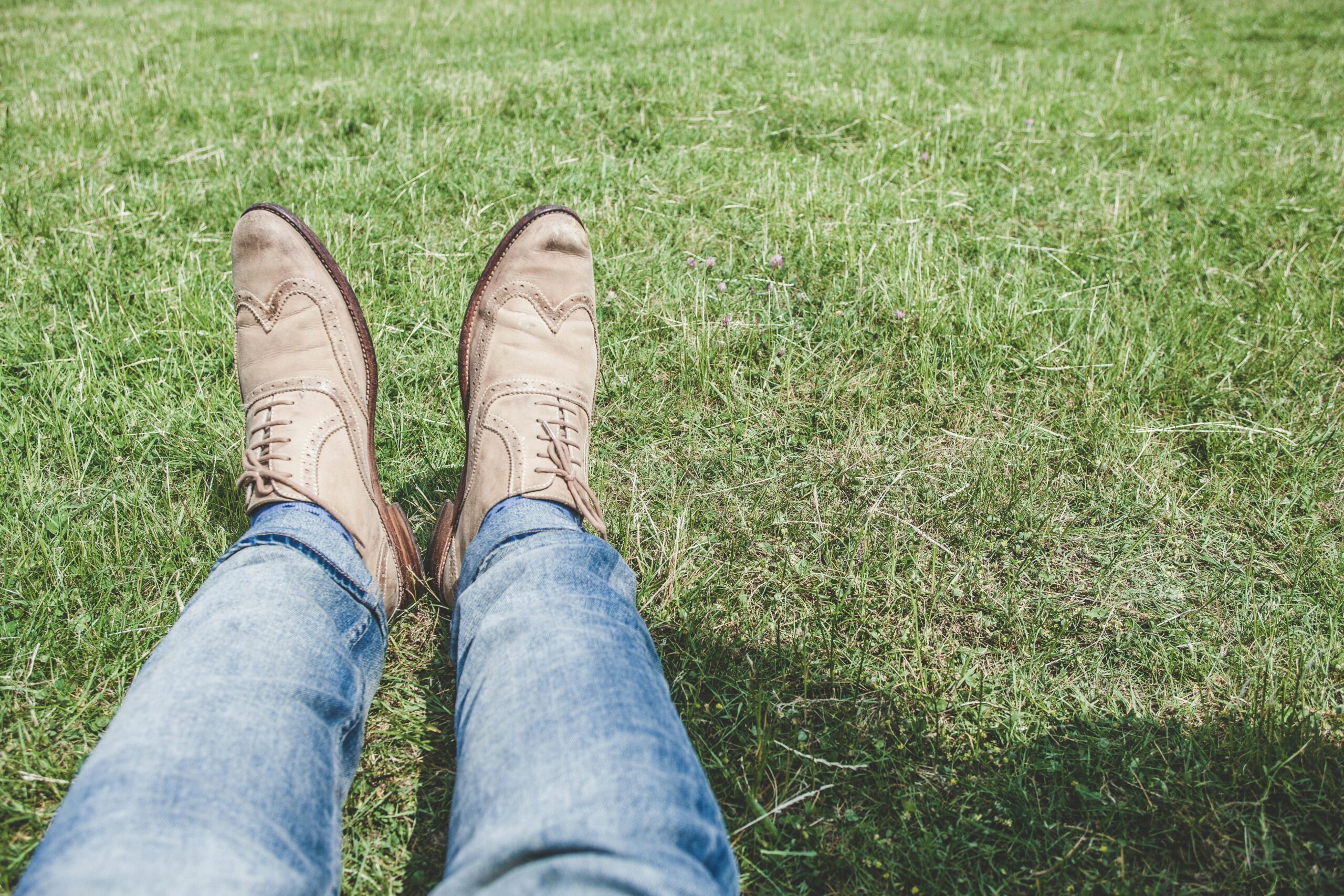
🌟 Stepping Forward Into Comfort and Health
Your feet carry you through life, supporting every step of your journey. They deserve footwear that protects, supports, and cushions them appropriately. Recognizing when shoes have exceeded their functional lifespan isn’t about vanity or unnecessary spending—it’s about respecting your body’s needs and preventing the pain and injuries that worn-out footwear causes.
The signs are there if you know what to look for: visual wear and damage, decreased cushioning and support, new aches and pains, and simple test results indicating structural breakdown. Combine these subjective assessments with objective mileage tracking and time-based guidelines, and you’ll develop an informed sense of when replacement is necessary.
Don’t wait until your shoes are literally falling apart or until you’re experiencing chronic pain. Proactive replacement based on the indicators discussed keeps you comfortable, active, and injury-free. The investment in appropriate, functional footwear pays dividends in quality of life, physical health, and long-term wellbeing.
Take a moment today to examine your most-worn shoes. Perform the twist test and squeeze test. Consider how they feel when you wear them. If any warning signs appear, start planning for replacement. Your feet—and the rest of your body—will thank you for making the wise decision to step into fresh, supportive comfort before problems develop. After all, you’re not just replacing shoes; you’re investing in your mobility, comfort, and health for all the steps ahead.