Your feet are the foundation of your body, carrying you through thousands of steps each day. The shoes you choose to wear can either support your journey toward better health or contribute to chronic pain and discomfort that radiates throughout your entire body.

Most people spend little time thinking about their footwear until pain becomes impossible to ignore. By then, the damage to joints, muscles, and posture may already be significant. Understanding the profound connection between what you wear on your feet and your overall well-being is the first step toward making smarter choices that protect your body for years to come.
🦶 The Biomechanical Foundation: How Your Feet Support Everything Above
Your feet contain 26 bones, 33 joints, and over 100 muscles, tendons, and ligaments working together to provide stability and mobility. This complex structure forms the base of your kinetic chain, meaning everything above your feet—ankles, knees, hips, spine, and even your neck—depends on proper foot function.
When you wear shoes that don’t provide adequate support or that alter your natural gait, the effects ripple upward through your entire body. Poor footwear forces your body to compensate, creating abnormal stress patterns that can lead to joint degeneration, muscle imbalances, and chronic pain conditions.
Research has shown that improper footwear contributes to a significant percentage of lower back pain, knee osteoarthritis, and hip problems. The American Podiatric Medical Association estimates that 77% of adults have experienced foot pain, and much of this stems directly from poor shoe choices.
Understanding the Connection Between Footwear and Joint Health
Your joints rely on proper alignment and shock absorption to function without excessive wear and tear. Shoes serve as the interface between your body and the ground, either facilitating healthy movement patterns or disrupting them.
Impact Absorption and Joint Protection
Every time your foot strikes the ground, your body experiences force equal to approximately 1.5 times your body weight when walking, and up to 3-4 times your weight when running. Quality footwear with appropriate cushioning helps absorb this impact, reducing the stress transmitted to your ankles, knees, and hips.
Shoes with inadequate cushioning force your joints to absorb more shock, accelerating cartilage breakdown and increasing inflammation. Over time, this repetitive trauma contributes to conditions like osteoarthritis, particularly in weight-bearing joints.
Arch Support and Alignment
Your foot’s arch acts as a natural shock absorber and spring mechanism. Shoes that provide proper arch support maintain the foot’s natural structure, promoting optimal alignment throughout the kinetic chain. Without adequate support, the arch can collapse, causing overpronation—a condition where the foot rolls excessively inward.
Overpronation doesn’t just affect your feet. It causes internal rotation of the tibia, which can lead to knee pain, hip misalignment, and even lower back problems. Conversely, shoes with excessive arch support can lead to supination, where the foot rolls outward, creating different but equally problematic compensation patterns.
👠 The Hidden Dangers of Fashion Over Function
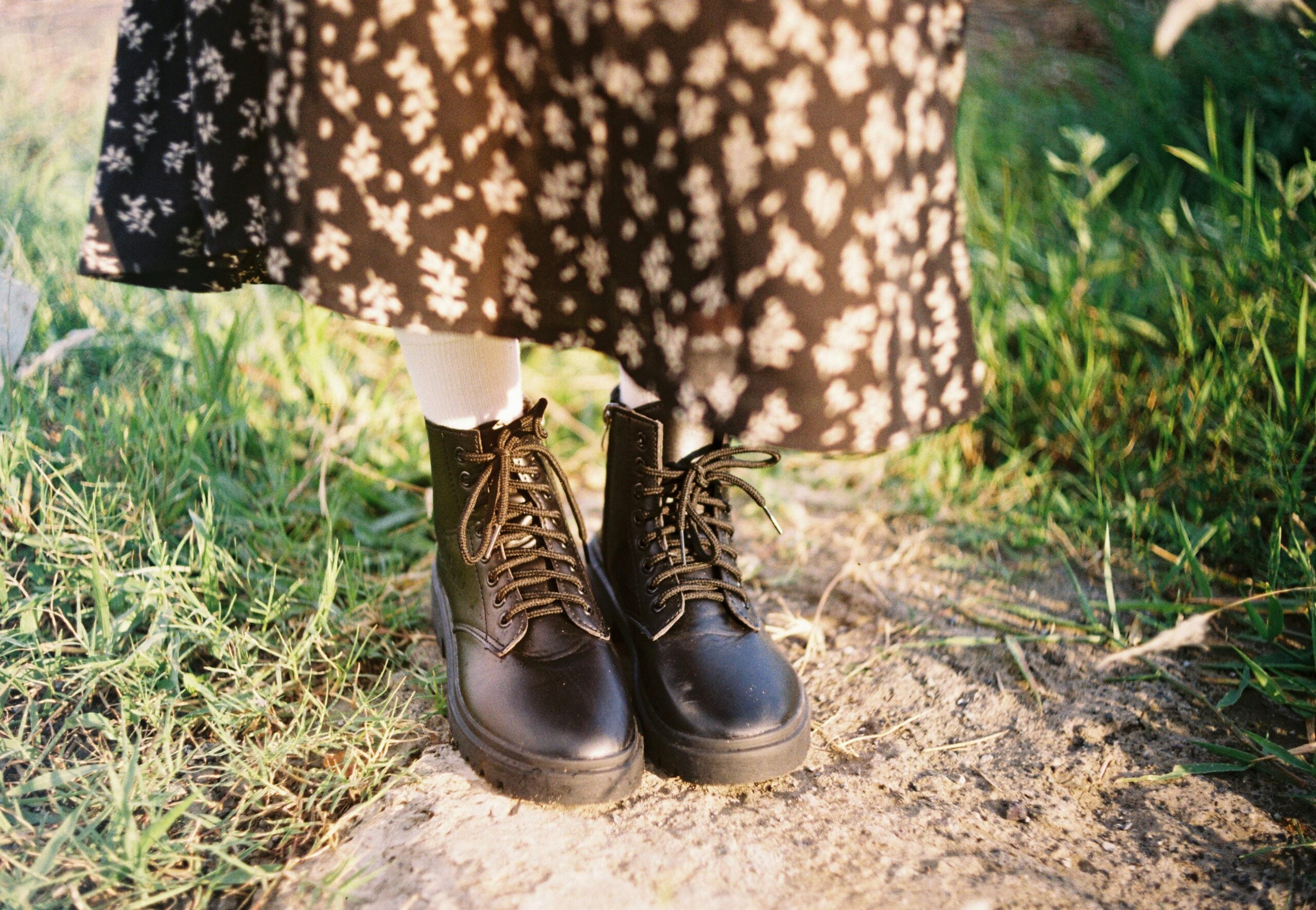
Many popular shoe styles prioritize aesthetics over biomechanics, creating significant health risks for regular wearers. High heels, flip-flops, and shoes with narrow toe boxes might look appealing, but they come with considerable costs to your joint health.
High Heels: Elevating Style, Lowering Health
High-heeled shoes shift your body weight forward, forcing your toes to bear excessive pressure while throwing your entire posture out of alignment. This unnatural position shortens your calf muscles and Achilles tendon, tightens your hip flexors, and increases the curve in your lower back.
Regular high heel wear has been linked to increased rates of knee osteoarthritis in women, bunions, hammertoes, and chronic back pain. The higher the heel, the greater the biomechanical disruption. Even heels as low as two inches can significantly alter your gait mechanics.
Flip-Flops and Minimal Support Sandals
While comfortable for short periods, flip-flops offer virtually no arch support, heel cushioning, or stability. To keep them on, you must grip with your toes, altering your natural gait and causing tension that travels up through your legs.
This modified walking pattern can lead to plantar fasciitis, Achilles tendonitis, and increased stress on knee and hip joints. Flip-flops should be reserved for pool areas and beach settings, not used as everyday footwear.
Identifying the Right Footwear for Your Lifestyle
Choosing appropriate shoes requires understanding your individual foot type, activity level, and any existing conditions that might require special consideration. No single shoe works perfectly for everyone, but certain principles apply universally.
Key Features of Joint-Friendly Footwear
Quality shoes that support joint health share several important characteristics:
- Adequate cushioning: Especially in the heel and forefoot areas to absorb impact forces
- Proper arch support: Matched to your foot type (neutral, high arch, or flat feet)
- Firm heel counter: The back of the shoe should be sturdy to prevent excessive heel motion
- Sufficient toe box width: Your toes should be able to spread naturally without compression
- Appropriate flexibility: The shoe should bend at the ball of the foot, not in the middle of the arch
- Low heel-to-toe drop: Minimal height difference between heel and forefoot promotes natural posture
- Breathable materials: To prevent moisture buildup and foot health issues
Activity-Specific Footwear Considerations
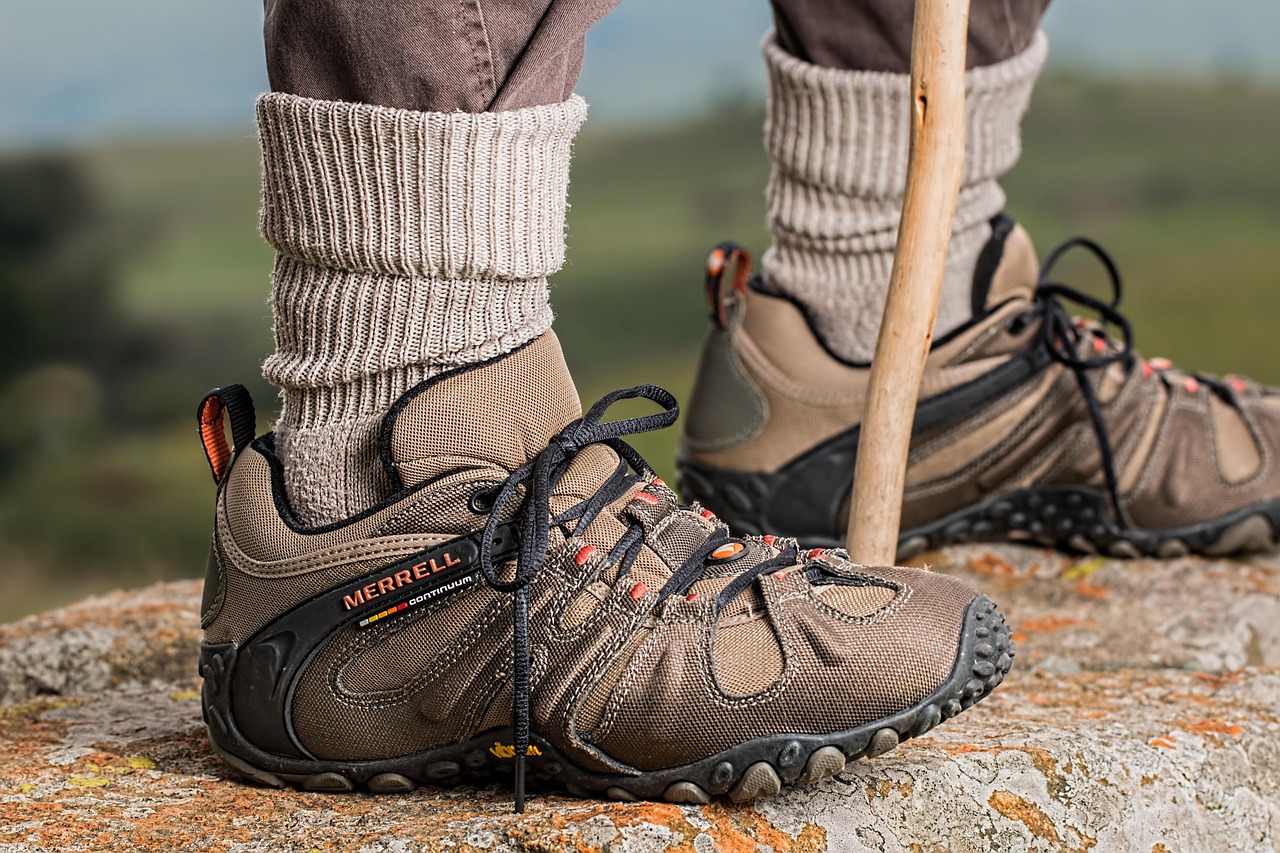
Different activities place different demands on your feet and joints. Running shoes need more cushioning and forward flexibility, while walking shoes require more heel stability. Cross-training shoes offer versatility for varied gym activities, and work boots need both protection and support for standing professions.
Wearing the right shoe for your primary activity significantly reduces injury risk and joint stress. Athletic shoes should be replaced every 300-500 miles or every six months for regular exercisers, as cushioning materials compress and lose their protective properties over time.
🔍 Recognizing When Your Shoes Are Causing Problems
Your body provides clear signals when footwear isn’t serving you well. Learning to recognize these warning signs allows you to make changes before temporary discomfort becomes chronic pain.
Common Symptoms of Improper Footwear
Pain isn’t always immediate, but these symptoms suggest your shoes may be contributing to joint problems:
- Foot pain that worsens throughout the day or after wearing specific shoes
- Knee pain, especially on the inner or outer knee
- Hip discomfort or feeling of instability
- Lower back pain that improves when barefoot or in different shoes
- Numbness or tingling in toes
- Development of bunions, calluses, or other foot deformities
- Frequent ankle rolling or instability
- Muscle tightness in calves, hamstrings, or hip flexors
If you experience any of these symptoms regularly, evaluate your footwear choices and consider consulting with a podiatrist or physical therapist who specializes in biomechanics.
The Economic and Quality of Life Impact
Investing in quality footwear might seem expensive initially, but the long-term costs of poor shoe choices far exceed the price of good shoes. Joint problems often require extensive medical intervention, including physical therapy, medications, injections, and potentially surgery.
Beyond financial considerations, chronic joint pain significantly impacts quality of life. It limits physical activity, reduces independence, interferes with work productivity, and diminishes overall life satisfaction. Many people who develop severe arthritis trace the origins back to years of wearing inappropriate footwear.
Prevention Versus Treatment
Protecting your joints through proper footwear is far easier and less expensive than treating joint damage after it occurs. Cartilage doesn’t regenerate well, meaning joint deterioration is often progressive and irreversible.
By prioritizing foot health now, you invest in mobility and independence for decades to come. This preventive approach is especially important as we age, since joint health becomes increasingly crucial for maintaining an active, fulfilling lifestyle.
💪 Complementary Strategies for Optimal Joint Health
While proper footwear provides an essential foundation, combining good shoe choices with other healthy practices maximizes joint protection and overall well-being.
Strengthening and Flexibility Exercises
Strong muscles support and stabilize joints, reducing wear and tear. Focus on exercises that strengthen your feet, ankles, calves, quadriceps, hamstrings, glutes, and core muscles. These muscle groups work together to maintain proper alignment and movement patterns.
Flexibility is equally important. Tight muscles alter biomechanics and increase joint stress. Regular stretching of your calves, hip flexors, hamstrings, and feet helps maintain optimal range of motion and reduces compensation patterns.
Weight Management
Excess body weight dramatically increases the load on weight-bearing joints. Losing even a modest amount of weight can significantly reduce joint pain and slow arthritis progression. Every pound lost removes approximately four pounds of pressure from your knees with each step.
Alternating Footwear
Wearing the same shoes every day allows repetitive stress patterns to develop. Rotating between two or three pairs of quality shoes distributes stress differently and gives shoe materials time to decompress between wears, extending their functional life.
🌟 Making the Transition to Better Footwear
If you’ve been wearing unsupportive shoes for years, transitioning to proper footwear should happen gradually. Your body has adapted to your current shoes, and sudden changes can temporarily increase discomfort as your muscles and joints readjust to healthier alignment.
The Adjustment Period
Start by wearing supportive shoes for a few hours daily, gradually increasing duration over several weeks. You might experience some muscle soreness as previously underused muscles begin working properly. This is normal and typically resolves within a few weeks.
If you experience sharp pain or significant discomfort, slow down the transition process. Some people, particularly those with existing foot deformities or neurological conditions, may benefit from custom orthotics prescribed by a healthcare professional.
When to Seek Professional Guidance
While many people can successfully improve their footwear independently, certain situations warrant professional evaluation. Consider consulting a podiatrist, physical therapist, or orthopedic specialist if you have:
- Persistent pain despite wearing appropriate footwear
- Significant foot deformities like severe bunions or flat feet
- Diabetes or circulation problems affecting your feet
- Previous foot, ankle, knee, or hip injuries
- Neurological conditions affecting balance or sensation
These professionals can provide personalized recommendations, custom orthotics if needed, and treatment for existing conditions before they worsen.
Building Long-Term Habits for Lasting Comfort
Protecting your joint health through smart footwear choices is a lifelong commitment, not a one-time decision. As your feet change with age, activity level, and life circumstances, your footwear needs will evolve as well.
Make it a habit to assess your shoes regularly. Check for worn-down heels, compressed cushioning, or structural breakdown that compromises support. Even quality shoes have limited lifespans and lose their protective properties with use.
Pay attention to how your body feels. Your joints provide valuable feedback about whether your current shoes are serving you well. Prioritizing comfort and function over fashion doesn’t mean sacrificing style entirely—many modern shoe brands successfully combine supportive design with attractive aesthetics.

Your Foundation for a Healthier Future ✨
The shoes you choose today shape your mobility tomorrow. Every step you take either protects or compromises the joints that carry you through life. By understanding how footwear impacts your biomechanics and making informed choices based on support rather than trends alone, you invest in years of comfortable, active living.
Your feet deserve the same attention and care you give to other aspects of your health. They’re not just the parts of your body farthest from your brain—they’re the foundation that supports everything you do. Treat them well, give them proper support, and they’ll continue carrying you confidently toward wherever life leads.
Start today by evaluating your current shoe collection. Identify which pairs truly support your joint health and which might be causing hidden damage. Making this simple change can transform not just how your feet feel, but your overall physical comfort and long-term wellness. Your joints will thank you with every step you take.