Finding the right footwear isn’t just about style—it’s about understanding your unique walking pattern and choosing shoes that support your body’s natural movement. Every step you take deserves comfort, stability, and protection.

Your walking gait is as individual as your fingerprint, influencing how your feet strike the ground, distribute weight, and propel you forward. The wrong shoes can lead to discomfort, pain, and even long-term injuries, while the perfect pair can transform your daily experience, making every walk feel effortless and enjoyable.
🚶 Understanding Your Walking Gait: The Foundation of Footwear Selection
Before diving into shoe shopping, it’s essential to understand what a walking gait actually means. Your gait is the pattern of movement your body follows when you walk, encompassing how your foot lands, rolls, and pushes off with each step. This biomechanical process involves your ankles, knees, hips, and even your spine working in harmony.
Most people fall into one of three primary gait categories: neutral pronation, overpronation, or supination (underpronation). Neutral pronation occurs when your foot rolls inward about 15% after landing, distributing impact forces evenly. This is considered the most biomechanically efficient walking pattern and typically requires less specialized footwear support.
Overpronation happens when your foot rolls inward excessively—more than 15%—causing the arch to collapse and placing additional stress on your ankles and knees. People with flat feet or low arches commonly experience overpronation. On the opposite end, supination involves insufficient inward rolling, meaning your foot stays on the outer edge, failing to absorb shock properly. High-arched individuals often exhibit this pattern.
Simple Tests to Identify Your Gait Pattern
Determining your gait type doesn’t necessarily require expensive professional analysis. Start by examining the wear patterns on your current shoes. If the sole shows even wear across the heel and forefoot, you likely have a neutral gait. Excessive wear on the inner edge indicates overpronation, while outer edge wear suggests supination.
The “wet foot test” provides another quick assessment method. Wet your foot, step on a piece of dark paper or cardboard, and examine the footprint. A complete footprint with minimal arch curve indicates flat feet and potential overpronation. A very narrow connection between heel and forefoot suggests high arches and possible supination. A moderate curve typically corresponds to neutral pronation.
👟 Matching Footwear Features to Your Specific Gait Type
Once you’ve identified your gait pattern, selecting appropriate footwear becomes significantly easier. Each gait type benefits from specific shoe features designed to enhance comfort, prevent injury, and optimize your walking mechanics.
Footwear for Neutral Pronators
If you have a neutral gait, congratulations—you have the widest range of footwear options available. Your feet naturally handle impact and weight distribution efficiently, so you don’t require extensive motion control or stability features. Look for shoes labeled as “neutral” or “cushioned” that provide adequate shock absorption without excessive structural support.
Focus on comfort, fit, and appropriate cushioning for your activity level. A well-cushioned midsole made from EVA foam or similar materials will protect your joints during extended walking sessions. Ensure the shoe has a comfortable heel counter that secures your foot without causing pressure points.
Optimal Shoes for Overpronators
Overpronation requires footwear with enhanced stability and motion control features. These shoes incorporate firmer materials on the inner (medial) side of the midsole to resist excessive inward rolling. Look for terms like “stability shoes” or “motion control shoes” when shopping.
Key features for overpronators include:
- Dual-density midsoles with firmer medial posts
- Strong heel counters for improved rear-foot control
- Structured arch support to prevent collapse
- Wider base platforms for enhanced stability
- Straighter lasts that provide additional support
Brands like Brooks, ASICS, and New Balance offer excellent stability shoe lines specifically engineered for overpronators. These shoes help align your foot and ankle, reducing strain on your knees and lower back while preventing common injuries associated with excessive pronation.
Selecting Shoes for Supinators
Supination presents unique challenges because your foot doesn’t roll inward enough to absorb shock naturally. This places increased stress on the outer edges of your feet and can lead to impact-related injuries. Supinators need highly cushioned, flexible shoes that encourage natural foot motion.
Avoid shoes with motion control features or medial posts, as these will further restrict your already limited pronation. Instead, seek out neutral shoes with maximum cushioning, particularly in the midsole and heel areas. Curved lasts that mirror your foot’s natural shape work best for supinators.
Additional beneficial features include flexible forefoot construction, softer midsole materials, and generous cushioning throughout the shoe. Brands known for cushioned neutral shoes, such as Hoka One One, Saucony, and Nike’s more cushioned models, often work well for supinators.
📏 The Critical Importance of Proper Fit and Sizing
Even the most technologically advanced shoe designed perfectly for your gait type won’t deliver optimal comfort if it doesn’t fit correctly. Proper fit extends beyond simply choosing your usual size—it encompasses length, width, volume, and how the shoe accommodates your foot’s unique shape.
Your feet naturally swell throughout the day, expanding by as much as 5-8% from morning to evening. Always shop for shoes later in the day when your feet are at their largest. This ensures you won’t purchase shoes that feel comfortable in the morning but become painfully tight by afternoon.
When trying on shoes, wear the same type of socks you’ll use during regular wear. Stand up and ensure you have approximately a thumb’s width (about half an inch) between your longest toe and the shoe’s end. This space allows for natural foot expansion during walking and prevents toenail damage and blisters.
Width and Volume Considerations
Many people focus solely on length while ignoring width, but width significantly impacts comfort and foot health. Shoes that are too narrow compress your feet, potentially causing bunions, neuromas, and other painful conditions. Conversely, excessively wide shoes allow too much movement, leading to blisters and instability.
Most brands offer multiple width options: narrow (B for women, A for men), standard (D for women, D for men), wide (2E), and extra-wide (4E). Don’t hesitate to try different widths—the right width should allow your foot to spread naturally without bulging over the midsole or sliding around inside.
Volume refers to the overall interior space of the shoe, particularly across the instep and midfoot. High-volume feet need shoes with taller toe boxes and more generous uppers, while low-volume feet require snugger fits to prevent heel slippage. Lacing techniques can help adjust volume to some extent, but starting with appropriately volumed shoes makes a significant difference.
🏃 Activity-Specific Footwear Considerations
Your walking activities should influence your footwear choices just as much as your gait pattern. Casual neighborhood strolls demand different features than intense fitness walking or hiking rugged trails.
Everyday Walking and Commuting
For daily walking on paved surfaces, prioritize comfort, breathability, and versatility. Lightweight shoes with moderate cushioning work well for most people. Look for breathable mesh uppers that prevent overheating and moisture buildup, and rubber outsoles with sufficient traction for various weather conditions.
If you walk on hard surfaces like concrete frequently, consider shoes with additional forefoot cushioning to reduce impact stress. A slight heel-to-toe drop (the height difference between heel and forefoot) of 8-12mm encourages natural forward motion and reduces calf strain during extended walking.
Fitness and Power Walking
Fitness walking at brisk paces requires more responsive footwear than casual walking. Look for shoes with firmer midsoles that provide energy return, propelling you forward efficiently. Lightweight construction reduces fatigue during longer sessions, while enhanced toe spring (upward curve at the front) facilitates faster turnover.
Fitness walking shoes should also feature secure heel counters and supportive midfoot structures to maintain stability during vigorous movement. Breathability becomes even more critical during intense exercise, so prioritize mesh uppers with ventilation features.
Trail and Hiking Applications
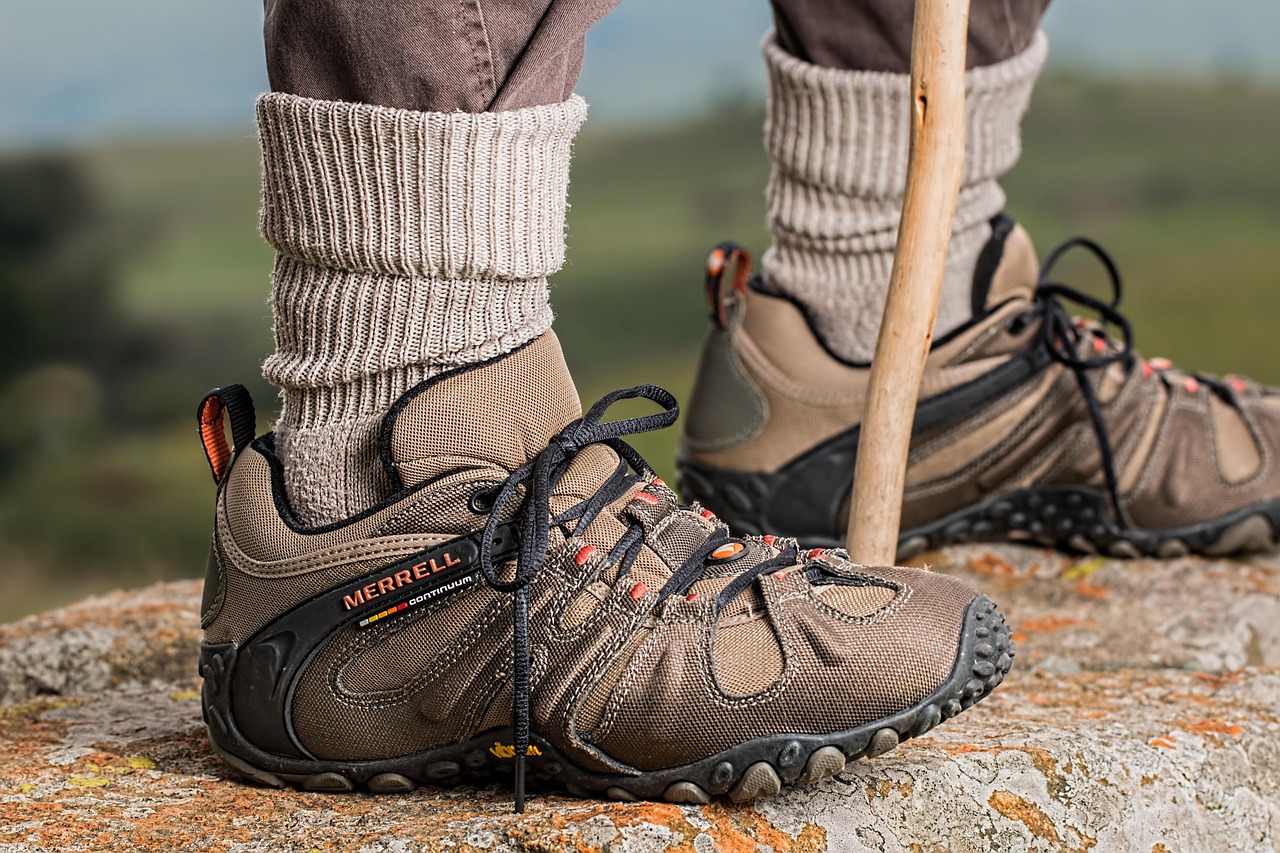
Walking on uneven terrain introduces additional considerations. Trail-specific footwear needs aggressive outsole patterns with deeper lugs for traction on loose surfaces, mud, and rocks. More durable materials protect against abrasion from trail debris, while reinforced toe caps guard against impacts.
Ankle support becomes more important on trails, though this doesn’t necessarily mean high-top boots. Many modern trail shoes provide excellent lateral stability through wider platforms and supportive midsole designs while maintaining low-cut comfort. Waterproof membranes like Gore-Tex add protection in wet conditions but reduce breathability in hot weather.
🔄 When to Replace Your Walking Shoes
Even the highest-quality footwear eventually wears out, losing the cushioning and support features that initially made them perfect for your gait. Continuing to wear worn-out shoes compromises comfort and increases injury risk.
Most walking shoes maintain optimal performance for approximately 300-500 miles, though this varies based on your weight, gait pattern, walking surfaces, and shoe construction. Heavier individuals and overpronators typically need to replace shoes more frequently, as they compress midsole materials faster.
Visual inspection reveals obvious wear signs: significant outsole tread loss, visible midsole compression, upper material tears, or structural deformation. However, midsole cushioning often degrades before visual signs appear. If your shoes feel less comfortable than they did initially, or if you’re experiencing new aches and pains, replacement time has likely arrived.
💡 Advanced Technologies Enhancing Walking Comfort
Modern footwear incorporates innovative technologies designed to maximize comfort and performance. Understanding these features helps you make informed purchasing decisions aligned with your specific needs.
Cushioning Systems
Beyond basic EVA foam, contemporary shoes utilize advanced cushioning technologies. Gel inserts, air pockets, and specialized foam compounds like Boost, Fresh Foam, and CloudTec offer superior shock absorption and energy return. These materials maintain resilience longer than traditional foams, extending shoe lifespan.
Some brands incorporate variable-density cushioning, placing softer materials in high-impact areas and firmer compounds where support is needed. This targeted approach optimizes both comfort and stability without unnecessary weight.
Upper Construction Innovations
Seamless knit uppers have revolutionized shoe comfort by eliminating stitching that can cause irritation and pressure points. These engineered fabrics provide targeted stretch and support, adapting to your foot’s shape while maintaining structure where needed. Knit uppers typically offer superior breathability compared to traditional materials.
Some manufacturers incorporate 3D-printed elements and adjustable fit systems that allow customization without requiring different shoe sizes. These innovations help accommodate foot shape variations and swelling throughout the day.
🛠️ Customizing Your Footwear for Optimal Comfort
Sometimes the perfect shoe needs minor adjustments to truly match your unique needs. Aftermarket insoles, strategic lacing techniques, and professional modifications can transform good shoes into great ones.
Insole and Orthotic Options
Replacing factory insoles with aftermarket alternatives provides enhanced arch support, cushioning, or pressure relief. Over-the-counter insoles from brands like Superfeet, Powerstep, or Sof Sole offer various arch heights and cushioning levels suitable for different gait types and comfort preferences.
For more significant issues, custom orthotics prescribed by podiatrists provide personalized support addressing specific biomechanical problems. While more expensive, custom orthotics can resolve persistent pain and prevent injuries that off-the-shelf solutions can’t adequately address.
Lacing Techniques for Better Fit
Different lacing patterns address common fit issues without requiring different shoes. The “heel lock” or “runner’s loop” technique prevents heel slippage by creating additional friction at the ankle. Wide forefoot lacing skips eyelets in the midfoot, allowing more room for wider feet while maintaining heel security.
High arches benefit from lacing that reduces pressure across the instep, while people experiencing toe numbness can use techniques that relieve pressure in the toe box. These simple adjustments often resolve minor fit problems that might otherwise make otherwise perfect shoes uncomfortable.
🌟 Maximizing Comfort Beyond Footwear Selection
While choosing appropriate shoes forms the foundation of walking comfort, several complementary strategies enhance your overall experience and foot health.
Proper sock selection matters more than many people realize. Moisture-wicking synthetic or merino wool socks prevent blisters better than cotton, which retains moisture and causes friction. Cushioned socks add extra comfort for long walks, while compression socks can reduce fatigue and swelling during extended activity.
Regular foot care maintains comfort and prevents problems. Keep toenails trimmed straight across to prevent ingrown nails. Moisturize your feet daily to prevent dry, cracked skin, but avoid applying lotion between toes where moisture can promote fungal growth. Address hot spots and minor irritations immediately before they develop into painful blisters.
Gradually breaking in new shoes prevents discomfort and allows materials to conform to your feet. Wear new shoes for short periods initially, gradually increasing duration over one to two weeks. This approach lets your feet adapt while identifying any fit issues that might require adjustment or exchange.
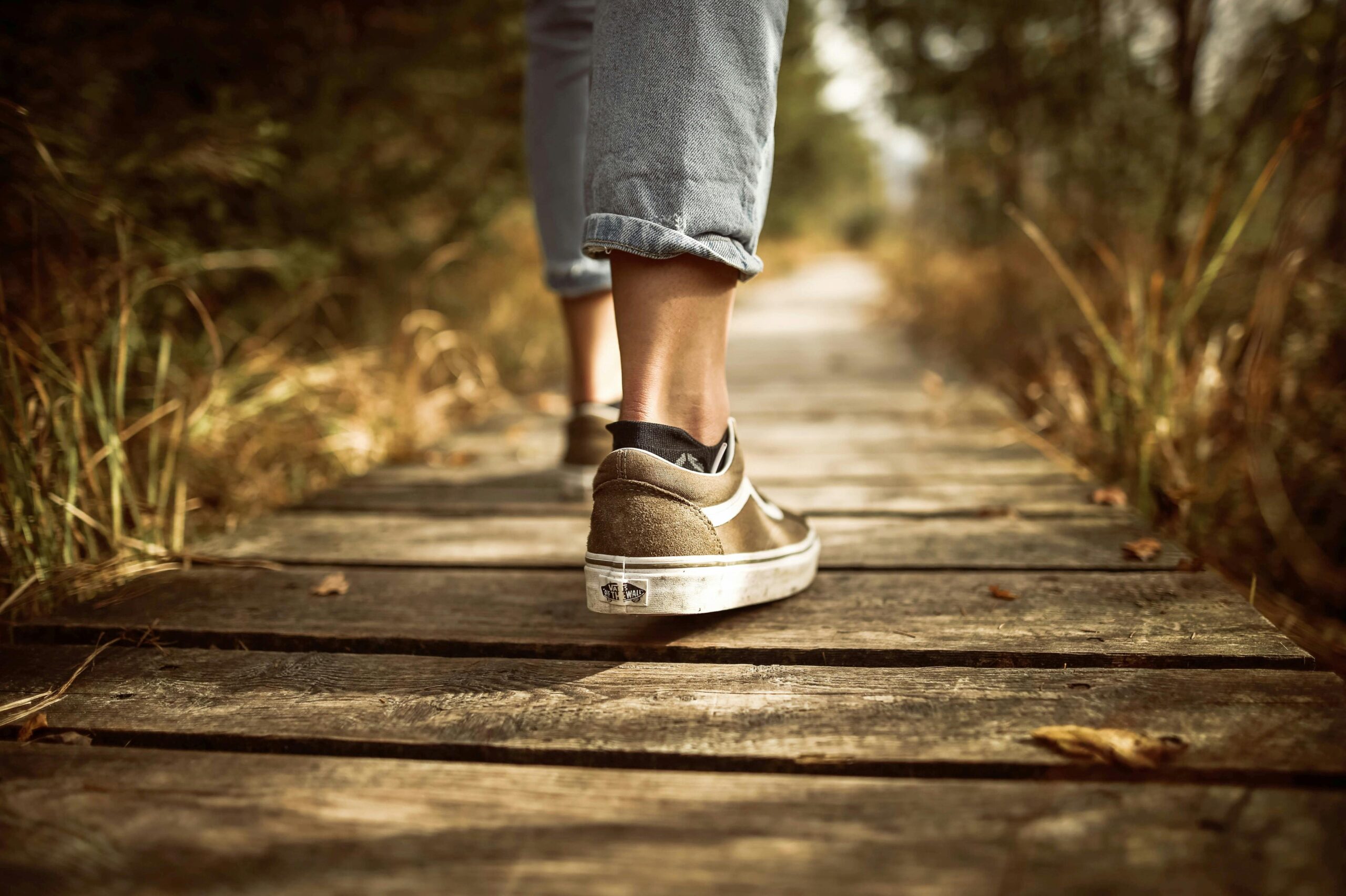
🎯 Making Your Final Footwear Decision
Armed with knowledge about your gait type, appropriate features, and proper fit criteria, you’re ready to make an informed footwear investment. Remember that the most expensive or technologically advanced shoe isn’t necessarily the best choice—the perfect shoe matches your specific biomechanics, activity patterns, and comfort preferences.
Don’t rush your decision. Visit specialty running or walking stores where trained staff can analyze your gait and recommend appropriate options. Try on multiple brands and models, as sizing and fit vary significantly between manufacturers. Walk around the store extensively, testing shoes on different surfaces if possible.
Trust your comfort instincts. Shoes should feel immediately comfortable, not require extensive breaking in to become tolerable. If a shoe feels wrong, regardless of how perfectly it theoretically matches your gait type, keep searching. Your feet will thank you for the extra effort invested in finding truly compatible footwear.
Consider purchasing from retailers with generous return policies, allowing you to test shoes during actual walks before committing. Some stores permit 30-day trial periods, letting you experience shoes under real-world conditions rather than just in-store testing.
Investing in appropriate footwear designed for your unique walking gait transforms your daily experience, reducing pain, preventing injuries, and making every step genuinely comfortable. Your feet carry you through life—giving them the support they deserve through proper footwear selection is one of the most valuable investments you can make in your health and well-being. Step smart, walk comfortably, and enjoy the journey ahead with confidence in every stride.