Understanding the difference between a flare-up and normal muscle soreness can be the game-changer in your recovery journey and overall physical wellness.

Whether you’re an athlete pushing your limits, a weekend warrior, or someone managing a chronic condition, knowing what your body is telling you is crucial. Misinterpreting these signals can lead to prolonged discomfort, delayed healing, or even serious injury. This comprehensive guide will help you distinguish between these two common physical responses and equip you with actionable strategies to optimize your recovery process.
🔍 What Exactly Is Muscle Soreness?
Muscle soreness, medically known as delayed onset muscle soreness (DOMS), is that familiar achy feeling you experience after physical activity. It typically appears 12 to 24 hours after exercise and peaks around 24 to 72 hours post-workout.
This type of discomfort occurs when you challenge your muscles beyond their usual capacity. The microscopic damage to muscle fibers triggers an inflammatory response, which is actually a natural and necessary part of the muscle-building process. As your body repairs these tiny tears, your muscles adapt and become stronger.
Common Characteristics of Normal Muscle Soreness
Recognizing typical soreness patterns helps you distinguish them from more serious conditions. Normal muscle soreness exhibits several predictable features that follow a consistent timeline and response pattern.
- Develops gradually, usually within 24-48 hours after activity
- Affects the muscle belly rather than joints
- Creates a dull, achy sensation that improves with movement
- Responds well to light activity and stretching
- Decreases steadily over 3-7 days without intervention
- Feels symmetrical on both sides of the body
- Doesn’t prevent you from performing daily activities
⚡ Understanding Flare-Ups: When Your Body Sends Alarm Signals
A flare-up represents an acute worsening of symptoms related to an underlying condition, injury, or overuse. Unlike predictable muscle soreness, flare-ups can strike suddenly and with varying intensity, often disrupting your normal routine and causing significant discomfort.
Flare-ups commonly occur with chronic conditions such as arthritis, tendinitis, bursitis, or previous injuries that haven’t fully healed. They can also develop when you’ve pushed too hard, too fast, without allowing adequate recovery time between intense physical activities.
Warning Signs That Indicate a Flare-Up
Being able to identify flare-up symptoms quickly allows you to take immediate action and prevent further damage. These warning signs often appear suddenly and require different management strategies than typical soreness.
- Sharp, intense pain that appears suddenly or escalates rapidly
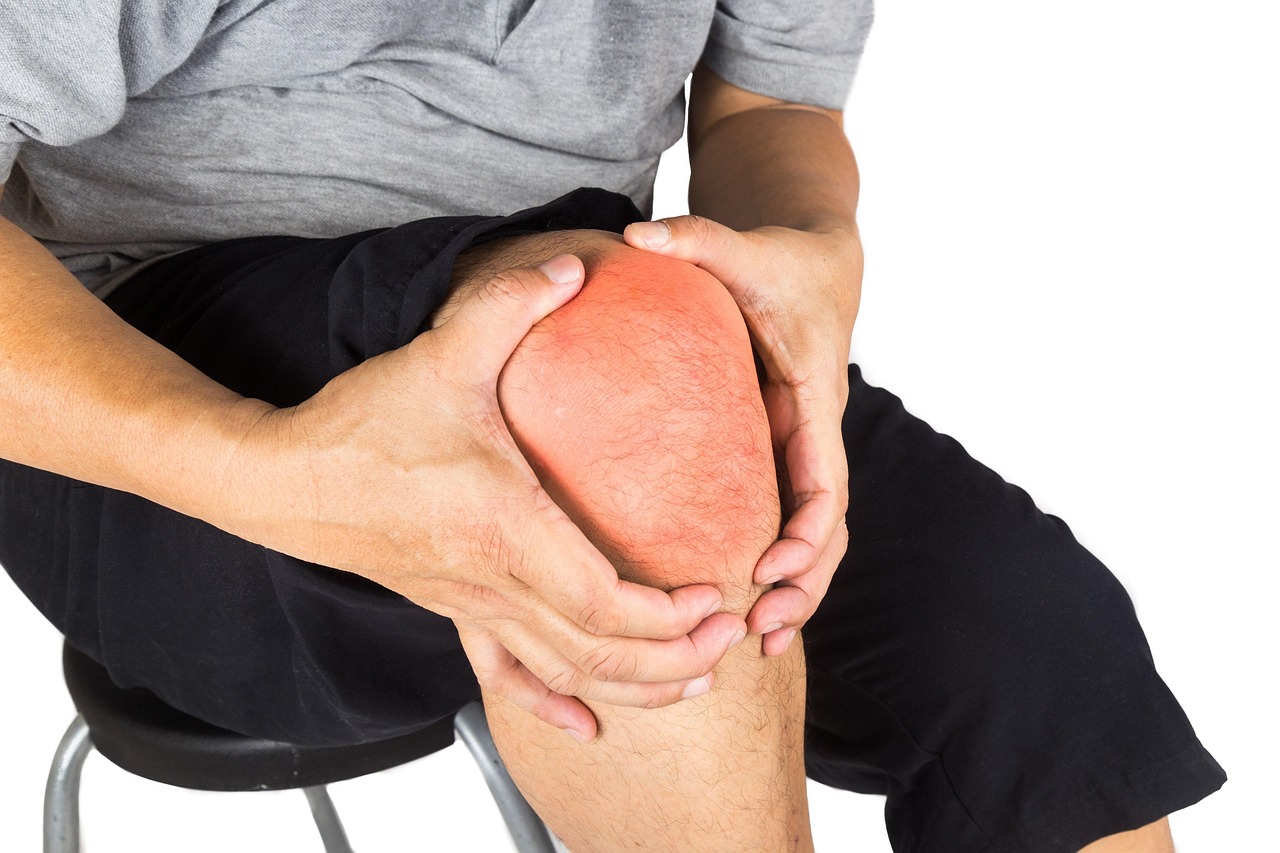
- Significant swelling, warmth, or redness around joints or specific areas
- Pain that worsens with movement rather than improves
- Stiffness that doesn’t decrease after warming up
- Symptoms that interfere with sleep or daily activities
- Weakness or instability in the affected area
- Localized pain rather than generalized muscle achiness
- Pain that persists beyond 7-10 days without improvement
📊 Side-by-Side Comparison: Spotting the Critical Differences
Having a clear reference point makes it easier to assess your symptoms accurately and respond appropriately. This comparison table highlights the key distinguishing factors between regular soreness and concerning flare-ups.
| Feature | Muscle Soreness | Flare-Up |
|---|---|---|
| Onset | Gradual (12-48 hours) | Sudden or rapid escalation |
| Pain Type | Dull, achy discomfort | Sharp, intense, or burning |
| Location | Muscle belly, bilateral | Joints, tendons, or localized |
| Movement Response | Improves with gentle activity | Worsens with movement |
| Duration | 3-7 days with steady improvement | Variable, may persist without treatment |
| Swelling | Minimal or none | Often visible and significant |
| Function Impact | Mild limitation | Moderate to severe limitation |
🏃♂️ Managing Normal Muscle Soreness Effectively
When you’ve determined that your discomfort is indeed regular muscle soreness, the right recovery strategies can significantly reduce your downtime and enhance your body’s natural healing process.
Active Recovery Techniques
Contrary to popular belief, complete rest isn’t always the best approach for muscle soreness. Active recovery promotes blood flow, delivers nutrients to damaged tissues, and can actually speed up the healing process.
Light cardio activities like walking, swimming, or easy cycling for 20-30 minutes can work wonders. These low-impact movements increase circulation without placing additional stress on sore muscles. Yoga and gentle stretching also help maintain flexibility while promoting recovery.
Proven Recovery Methods
Your recovery toolkit should include multiple evidence-based strategies that address different aspects of the healing process. Combining these methods often produces better results than relying on a single approach.
- Foam rolling and self-myofascial release to reduce muscle tension
- Adequate protein intake (1.6-2.2g per kg of body weight) to support muscle repair
- Proper hydration to flush metabolic waste products
- Quality sleep of 7-9 hours to optimize hormone production and recovery
- Contrast therapy (alternating hot and cold) to reduce inflammation
- Compression garments to improve circulation and reduce swelling
- Magnesium supplementation to support muscle relaxation
🛡️ Responding to Flare-Ups: Your Action Plan
When you’ve identified that your symptoms indicate a flare-up rather than normal soreness, your response strategy needs to shift dramatically. Quick and appropriate action can prevent minor issues from becoming major setbacks.
Immediate Steps for Flare-Up Management
The first 24-48 hours after recognizing a flare-up are critical. Following the RICE protocol—Rest, Ice, Compression, Elevation—remains the gold standard for acute inflammatory responses.
Complete rest of the affected area is essential during this initial phase. Apply ice for 15-20 minutes every 2-3 hours to reduce inflammation and numb pain. Use compression wraps to minimize swelling, and elevate the affected limb above heart level when possible.
When to Seek Professional Help
Certain symptoms require immediate medical attention rather than home management. Don’t hesitate to consult healthcare professionals if you experience severe pain that doesn’t respond to over-the-counter medications, visible deformity, inability to bear weight, fever accompanying joint pain, or symptoms that worsen despite appropriate self-care measures.
🎯 Prevention Strategies: Building Resilience Against Future Issues
Understanding the difference between soreness and flare-ups is valuable, but preventing these issues altogether is even better. Implementing smart training principles and lifestyle habits creates a foundation for long-term physical health.
Progressive Overload Done Right
The 10% rule remains a reliable guideline for safely increasing training volume. Never increase your intensity, duration, or frequency by more than 10% per week. This gradual approach allows your body’s tissues to adapt without overwhelming your recovery capacity.
Incorporate periodization into your training plan, alternating between high-intensity weeks and recovery weeks. This systematic approach prevents the cumulative fatigue that often leads to flare-ups and overuse injuries.
Mobility and Flexibility Work
Dedicating 10-15 minutes daily to mobility exercises and dynamic stretching significantly reduces injury risk. Focus on areas specific to your activities—hips and ankles for runners, shoulders and wrists for upper-body athletes, or full-body routines for general fitness enthusiasts.
Joint mobility exercises improve range of motion and reduce compensatory movement patterns that place stress on vulnerable structures. This preventive maintenance is far easier than dealing with the consequences of neglecting these areas.
💪 Listening to Your Body: The Ultimate Skill
Developing body awareness is perhaps the most valuable skill for distinguishing between acceptable discomfort and warning signs. This intuitive understanding comes from consistently paying attention to how your body responds to different stimuli.
Keep a training and symptom journal to identify patterns. Note your activities, intensity levels, recovery practices, sleep quality, stress levels, and any discomfort you experience. Over time, you’ll recognize your personal warning signs before minor issues escalate into significant problems.
The Pain Scale Reality Check
Use a subjective pain scale of 1-10 to assess your symptoms objectively. Normal muscle soreness typically ranks between 2-5, feels tolerable, and doesn’t alter your movement patterns. Flare-up pain often rates 6-10, causes you to modify movements, and demands immediate attention.
If you’re compensating or limping to avoid pain, that’s a clear signal that you’re dealing with more than normal soreness. Trust these signals and adjust your activities accordingly rather than pushing through potentially harmful situations.
🔄 Recovery Nutrition: Fueling Your Body’s Repair Process
What you eat directly impacts how efficiently your body recovers from exercise stress and manages inflammatory responses. Strategic nutrition choices can accelerate healing and reduce the severity of both soreness and flare-ups.
Anti-Inflammatory Food Choices
Incorporate foods rich in omega-3 fatty acids like salmon, mackerel, walnuts, and flaxseeds to naturally reduce inflammation. Colorful fruits and vegetables provide antioxidants that combat oxidative stress from intense exercise.
Tart cherry juice has shown promising results in reducing muscle soreness and accelerating recovery. Turmeric, ginger, and green tea also possess natural anti-inflammatory properties that support your body’s healing mechanisms.
Timing and Composition Matter
Consume a combination of protein and carbohydrates within 30-60 minutes after exercise to maximize recovery. This post-workout window is when your muscles are most receptive to nutrients needed for repair and replenishment.
Don’t neglect micronutrients like vitamin D, calcium, and zinc, which play crucial roles in bone health, muscle function, and immune response. Deficiencies in these areas can increase susceptibility to injuries and prolonged recovery times.
🧘♀️ The Mind-Body Connection in Recovery
Physical recovery doesn’t exist in isolation from mental and emotional states. Stress, anxiety, and poor sleep quality amplify pain perception and slow healing processes through increased cortisol levels and disrupted recovery hormones.
Incorporate stress-management techniques like meditation, deep breathing exercises, or mindfulness practices into your routine. Even 10 minutes daily can significantly impact your body’s ability to recover and reduce the frequency of flare-ups.
Quality sleep remains non-negotiable for optimal recovery. During deep sleep stages, your body releases growth hormone, repairs damaged tissues, and consolidates the adaptations gained from training. Prioritize sleep hygiene by maintaining consistent schedules, creating a cool dark environment, and limiting screen time before bed.
📱 Technology and Tools for Better Body Awareness
Modern technology offers valuable resources for tracking symptoms, monitoring recovery, and making informed decisions about your training and health management strategies.
Wearable devices can track metrics like resting heart rate, heart rate variability, and sleep quality—all indicators of recovery status. Elevated resting heart rate or decreased HRV often signal inadequate recovery, helping you adjust training intensity before problems develop.
Recovery and symptom-tracking apps allow you to log your activities, pain levels, and recovery interventions in one place. This data creates valuable patterns that help you understand your personal triggers and optimal recovery strategies.
🌟 Building Your Personalized Recovery Protocol
There’s no one-size-fits-all approach to recovery. Your optimal protocol depends on your training volume, goals, age, injury history, and individual response to different recovery modalities.
Experiment systematically with various recovery techniques, tracking their effectiveness over several weeks. You might discover that cold water immersion works better for you than contrast therapy, or that certain stretching routines provide more relief than others.
Create a tiered response system for different scenarios. Your protocol for normal post-workout soreness should differ from your flare-up emergency plan. Having these frameworks established in advance removes guesswork when symptoms appear and ensures you respond appropriately.
🎓 Empowering Yourself Through Knowledge
Understanding your body’s signals transforms you from a passive recipient of symptoms into an active participant in your health and performance optimization. This knowledge empowers you to make informed decisions about when to push, when to back off, and when to seek professional guidance.
Remember that distinguishing between soreness and flare-ups improves with practice. Each experience teaches you more about your body’s unique responses and thresholds. Trust this growing intuition while remaining open to professional input when situations exceed your expertise.
The journey toward better body awareness and optimized recovery is ongoing. As you implement these strategies and develop your personalized approach, you’ll find yourself spending less time sidelined by discomfort and more time pursuing your fitness goals with confidence and sustainability. Your body possesses remarkable healing capabilities—your role is to create the conditions that allow these natural processes to work efficiently.