Choosing the right footwear can transform your daily comfort, athletic performance, and long-term foot health. Whether you’re a runner, office worker, or outdoor enthusiast, understanding the fundamental differences between minimalist and supportive shoes will empower you to make informed decisions that align with your unique lifestyle and biomechanical needs.

The footwear landscape has evolved dramatically over recent decades, with passionate advocates on both sides of the minimalist versus supportive debate. This comprehensive guide cuts through the marketing noise to deliver evidence-based insights, helping you navigate the complex world of shoe selection with confidence and clarity.
🦶 Understanding the Minimalist Footwear Philosophy
Minimalist footwear represents a return to basics, designed to mimic the natural biomechanics of barefoot walking and running. These shoes feature minimal cushioning, zero or low heel-to-toe drop, flexible soles, and a wide toe box that allows your toes to splay naturally.
The philosophy behind minimalist shoes centers on strengthening the intrinsic muscles of your feet. Proponents argue that traditional supportive footwear has weakened our feet over generations, creating dependency on external support structures rather than developing natural strength and stability.
Research published in various sports medicine journals suggests that minimalist footwear can improve proprioception—your body’s ability to sense its position in space. This enhanced awareness may lead to better balance, more efficient movement patterns, and reduced injury risk when properly transitioned.
Key Characteristics of Minimalist Shoes
Minimalist footwear typically exhibits several defining features that distinguish it from traditional athletic shoes. The heel-to-toe drop usually measures between 0-4mm, compared to 10-12mm in conventional running shoes. This minimal drop encourages a midfoot or forefoot strike pattern rather than heel striking.
The sole thickness in minimalist shoes ranges from 3-10mm, providing just enough protection from ground hazards while maintaining ground feel. The flexibility allows your foot to move through its natural range of motion, engaging muscles and tendons that supportive shoes might otherwise restrict.
Weight is another distinguishing factor, with minimalist shoes often weighing 50-70% less than their cushioned counterparts. This reduction in weight can improve running economy and reduce the energy cost of movement over long distances.
💪 The Case for Supportive Footwear
Supportive footwear encompasses shoes with substantial cushioning, arch support, motion control features, and structured heel counters. These designs aim to protect your feet from impact forces, correct biomechanical inefficiencies, and provide comfort during extended wear periods.
For individuals with specific foot conditions, structural abnormalities, or those recovering from injuries, supportive footwear can be medically necessary. Conditions like severe overpronation, plantar fasciitis, arthritis, or diabetes-related foot complications often require the additional support these shoes provide.
The cushioning technology in modern supportive shoes has reached impressive levels of sophistication. Materials like EVA foam, polyurethane, and proprietary cushioning systems absorb impact forces that could otherwise stress joints, bones, and connective tissues throughout your kinetic chain.
When Support Makes Sense
Supportive footwear proves particularly valuable for higher-impact activities on hard surfaces. Marathon runners, for instance, often benefit from the shock absorption that helps reduce fatigue and protect against repetitive stress injuries over 26.2 miles of pavement pounding.
People who spend long hours on their feet in occupational settings—healthcare workers, retail employees, teachers—frequently report that supportive shoes reduce end-of-day fatigue and discomfort. The cushioning and arch support distribute pressure more evenly across the foot’s surface area.
Heavier individuals may find supportive footwear more appropriate initially, as the additional body weight creates greater impact forces that benefit from cushioning. However, this doesn’t preclude eventual transition to minimalist options with proper conditioning.
🔄 The Transition Challenge: Moving Between Styles
Switching from supportive to minimalist footwear—or vice versa—requires patience, progressive adaptation, and realistic expectations. Your feet, ankles, and lower legs need time to develop strength or adjust to different mechanical demands.
The most common mistake people make when adopting minimalist shoes is transitioning too quickly. Enthusiasts often experience calf soreness, Achilles tendinitis, or metatarsal stress fractures because they didn’t allow adequate adaptation time. A gradual transition typically spans 6-12 months for complete adjustment.
Start by wearing minimalist shoes for short periods during low-impact activities like walking. Gradually increase duration and intensity while monitoring your body’s response. Strength training exercises targeting foot and ankle musculature can accelerate the adaptation process safely.
Progressive Transition Protocol
Week 1-4: Wear minimalist shoes for 15-30 minutes daily during casual walking. Focus on proper form with shorter strides and increased cadence. Continue using supportive shoes for workouts and extended wear.
Week 5-8: Increase minimalist wear to 1-2 hours daily. Introduce light jogging intervals of 1-2 minutes if you’re a runner. Perform foot strengthening exercises like toe spreads, arch domes, and single-leg balance work.
Week 9-16: Extend minimalist use to half of your daily activities. For runners, gradually build minimalist running volume by no more than 10% weekly. Listen carefully to your body’s feedback signals.
Month 5-12: Continue progressive increase while maintaining one full rest day weekly. Most people can fully transition within this timeframe, though individual variation is significant based on starting fitness level and biomechanics.
🏃♀️ Matching Footwear to Your Lifestyle
Your ideal footwear choice depends heavily on your daily activities, exercise preferences, work environment, and personal health status. There’s no universal solution that works for everyone across all situations.
For the Urban Professional
Office workers who primarily walk on flat, even surfaces might appreciate minimalist dress shoes or casual sneakers that maintain professional appearance while promoting foot health. However, if your commute involves significant walking or standing, a supportive option might prevent end-of-day fatigue.
Consider keeping both styles available—minimalist options for lighter days and supportive footwear for extended standing or when carrying heavy bags. This flexibility prevents overuse while building foot strength progressively.
For Runners and Athletes
Running enthusiasts face the most complex footwear decisions. Your running surface, weekly mileage, biomechanics, injury history, and performance goals all influence optimal shoe selection. Trail runners often prefer moderate support for variable terrain protection, while track athletes might choose minimalist racing flats.
Many experienced runners maintain a rotation including both minimalist and supportive options. This variation distributes mechanical stress differently, potentially reducing injury risk compared to wearing identical shoes daily. The research on shoe rotation remains mixed but anecdotally supported by many athletes.
Sprint and agility-focused athletes frequently gravitate toward minimalist designs that enhance ground feel and responsiveness. The lighter weight and flexibility support quick direction changes and explosive movements that cushioned shoes might dampen.
For Outdoor Adventurers
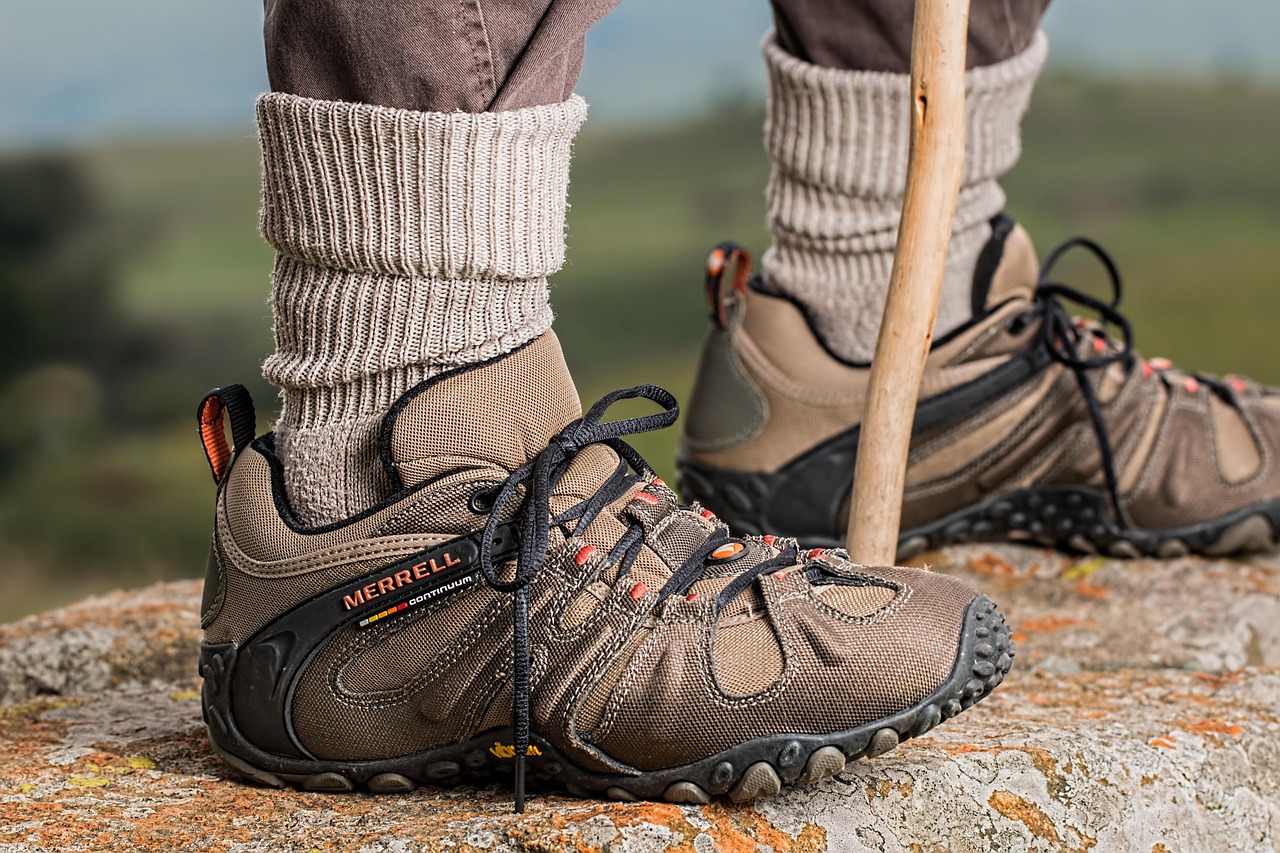
Hikers and backpackers face unique considerations balancing protection, support, and agility. Lightweight minimalist hiking shoes offer superior ground feel and reduced fatigue on well-maintained trails, but rugged terrain with sharp rocks or heavy pack weight often necessitates more protection.
Many outdoor enthusiasts adopt a spectrum approach—minimalist trail runners for fast-and-light day hikes, moderate support for standard backpacking, and maximum support boots for technical terrain or heavy loads exceeding 30 pounds.
🩺 Medical Considerations and Special Populations
Certain medical conditions significantly influence appropriate footwear selection. Always consult healthcare professionals when foot problems, chronic conditions, or persistent pain affect your daily life.
Flat Feet and High Arches
Contrary to popular belief, flat feet don’t automatically require motion control shoes. Recent research suggests that foot type poorly predicts injury risk, and many flat-footed individuals thrive in minimalist footwear after proper transition. However, if you’ve experienced pain or injuries with your arch structure, supportive options might prove beneficial.
High arches can create concentrated pressure points that benefit from cushioning distribution. People with rigid, high-arched feet often report improved comfort with supportive footwear that absorbs shock their feet don’t naturally dampen.
Diabetes and Neuropathy
Individuals with diabetes-related peripheral neuropathy require extra caution with minimalist footwear. Reduced sensation increases injury risk from puncture wounds, pressure points, or blisters that go unnoticed. Supportive, protective shoes with ample cushioning serve as crucial preventive measures.
Regular foot inspections, properly fitted shoes with adequate toe box space, and seamless interiors become essential for diabetic foot care. Consult podiatrists specializing in diabetic foot health before making footwear changes.
Arthritis and Joint Conditions
Arthritic joints often benefit from shock-absorbing cushioning that reduces impact stress. However, some arthritis sufferers report that strengthening feet through minimalist wear improves overall joint stability and reduces pain. Individual experimentation under medical guidance determines the best approach.
🛠️ Practical Assessment: Finding Your Footwear Path
Determining your optimal footwear strategy requires honest self-assessment across multiple dimensions. Consider these evaluation criteria to guide your decision-making process.
Current Fitness Level
Your existing strength, flexibility, and activity level significantly impact how quickly you can adapt to minimalist footwear. Sedentary individuals need longer transitions than athletes with well-developed lower leg strength and mobility.
Assess your single-leg balance, calf raise capacity, and ankle mobility. If you struggle with basic stability or can’t perform 20 single-leg calf raises, focus on strengthening exercises while gradually introducing minimalist options.
Activity Demands
Match footwear to specific activity requirements. High-impact activities on hard surfaces (basketball, tennis, running on concrete) create greater forces that cushioning helps manage. Low-impact activities (yoga, walking, strength training) accommodate minimalist options more easily.
Variable surface training—alternating between grass, trails, tracks, and roads—benefits from footwear variety. This approach naturally distributes mechanical stress while building comprehensive foot strength and adaptability.
Personal Goals and Values
Your philosophical approach matters. If you prioritize natural movement and long-term foot strength development, investing time in minimalist transition aligns with those values. If immediate comfort, injury protection, or performance in cushioned shoes ranks higher, supportive footwear serves you better.
Neither choice reflects moral superiority—only different priorities and approaches to foot health. Many people find hybrid solutions combining both styles across different contexts provide optimal outcomes.
👟 The Hybrid Approach: Best of Both Worlds
Rather than viewing minimalist and supportive footwear as mutually exclusive camps, consider them complementary tools in your wellness toolkit. Strategic combination often delivers superior results compared to dogmatic adherence to either extreme.
Implement a graduated footwear system where you match shoe type to activity demands. Wear minimalist options for strength training, casual walking, and recovery days. Choose supportive shoes for high-mileage runs, long work shifts, or when fatigue increases injury risk.
This variability provides mechanical diversity that may reduce overuse injury risk. Your tissues experience different loading patterns, preventing the repetitive stress that occurs when every step occurs in identical shoes with identical biomechanical demands.
Building Your Footwear Rotation
A comprehensive rotation might include truly minimalist shoes for short, easy activities; moderate options with some cushioning but low drop for regular training; and maximum support for recovery runs, long distances, or when carrying extra weight.
Track your body’s response to different shoes and activities. Notice which combinations produce soreness, which enhance performance, and which simply feel right. This subjective feedback provides invaluable guidance that no external expert can replicate.
🎯 Making Your Final Decision
The minimalist versus supportive footwear debate lacks a definitive winner because individual variation trumps generalized recommendations. Your unique biomechanics, activity profile, health status, and personal preferences determine optimal choices.
Start with honest assessment of your current situation. If you’ve worn supportive shoes exclusively for years, recognize that transition takes time and commitment. If minimalist footwear causes pain despite gradual progression, acknowledge that supportive options might better serve your needs without representing failure.
Experiment systematically rather than making abrupt changes. Purchase one pair of more minimalist shoes than you currently wear and integrate them slowly. Monitor how your body responds over weeks and months, not days. Adjust your approach based on results rather than ideology.
Remember that footwear represents just one component of overall foot health. Strength training, mobility work, proper recovery, and listening to your body’s signals matter equally. The shoes on your feet work best when supporting—not replacing—comprehensive wellness practices.
Your feet carry you through life’s journey. Whether you choose minimalist freedom, supportive protection, or strategic combination of both approaches, making informed decisions that honor your body’s unique needs sets the foundation for decades of comfortable, injury-free movement. Step smart, move well, and enjoy the path ahead. 🌟