Every step you take is a complex biomechanical event influenced by the ground beneath your feet. Understanding how different surfaces affect your movement can transform your performance and reduce injury risk.

From the shock-absorbing track at your local gym to the unforgiving pavement of city streets, each surface creates unique demands on your body’s movement patterns. Whether you’re an athlete optimizing performance or someone simply looking to move more efficiently through daily life, the relationship between surface and stride deserves your attention.
The Foundation of Human Locomotion: How Surfaces Shape Movement 🏃
Your gait mechanics—the intricate pattern of walking or running—adapt constantly to the terrain you encounter. This adaptation happens largely without conscious thought, but understanding the process can help you make smarter choices about where and how you move.
When your foot contacts a surface, your body immediately processes information about firmness, texture, stability, and friction. This sensory feedback travels through your nervous system in milliseconds, triggering adjustments in muscle activation, joint angles, and energy expenditure. The surface beneath you essentially becomes a conversation partner in movement, and your body continuously responds to what it’s saying.
Different surfaces demand different biomechanical strategies. Soft surfaces require more muscular work to stabilize your body, while hard surfaces transmit greater impact forces through your skeletal system. Neither is inherently superior—each offers distinct advantages and challenges that affect your gait mechanics in meaningful ways.
Concrete and Asphalt: The Urban Movement Challenge
Hard artificial surfaces dominate modern environments, and for good reason—they’re durable, consistent, and require minimal maintenance. However, these surfaces present specific challenges for your gait mechanics.
Concrete ranks among the hardest surfaces you’ll encounter, offering virtually no shock absorption. When your foot strikes concrete, approximately 80-90% of the impact force returns directly to your body. This efficient energy return can benefit speed, but it places significant stress on your joints, particularly your ankles, knees, and hips.
Your body compensates for hard surfaces through several mechanisms. Your muscles work harder to absorb shock, your stride may shorten slightly, and you might unconsciously adjust your foot strike pattern. Runners on concrete often develop a more cautious gait with increased knee flexion at initial contact—a protective adaptation that reduces peak impact forces but requires greater muscular effort.
Asphalt: A Slightly Softer Alternative
Asphalt provides marginally more cushioning than concrete, though the difference is subtle. The petroleum-based composition of asphalt gives it slightly more flexibility, potentially reducing impact forces by 5-10% compared to concrete. For regular runners logging high mileage, this small difference can accumulate over thousands of foot strikes.
The predictable, even nature of well-maintained asphalt allows for consistent gait patterns and efficient energy transfer. This consistency makes it excellent for developing rhythm and maintaining pace, which explains why most road races take place on asphalt surfaces.
Natural Terrain: Grass, Dirt, and Trail Surfaces 🌿
Natural surfaces introduce variability that challenges your neuromuscular system in entirely different ways. Grass, dirt trails, and woodland paths demand constant adaptation and heightened proprioceptive awareness.
Grass surfaces reduce impact forces significantly—studies suggest reductions of 20-40% compared to concrete. This cushioning effect decreases loading on your joints and can reduce injury risk, particularly for runners with a history of stress fractures or joint problems. The trade-off comes in energy efficiency: the soft, often uneven surface absorbs some of the energy you generate, requiring more effort to maintain the same pace you’d achieve on harder surfaces.
Your gait mechanics on grass typically feature wider foot placement for improved stability and increased activation of smaller stabilizer muscles, particularly in your feet, ankles, and hips. This enhanced muscle recruitment strengthens supporting structures and improves overall movement quality over time.
Trail Running: Nature’s Movement Laboratory
Dirt trails, especially technical terrain with roots, rocks, and elevation changes, represent the most challenging and potentially rewarding surfaces for developing well-rounded gait mechanics. The constant variation in firmness, angle, and texture forces your body to remain adaptable and responsive.
On trails, your stride shortens considerably, your cadence often increases, and your foot placement becomes more precise. Your eyes scan ahead continuously, planning foot strikes several steps in advance. This heightened awareness and constant adaptation strengthen neural pathways and improve your body’s ability to respond to unexpected challenges—benefits that transfer to all movement contexts.
Sand: Maximum Resistance, Minimum Impact 🏖️
Few surfaces challenge your gait mechanics quite like sand. Whether wet-packed near the waterline or soft and dry farther up the beach, sand dramatically alters how you move and how much energy each step requires.
Soft sand can increase energy expenditure by 50-100% compared to firm surfaces. Your foot sinks with each step, absorbing much of the force you generate and requiring significantly more muscular work, particularly from your calves, hip flexors, and core stabilizers. This increased demand makes sand an excellent training surface for building strength and endurance, though the intensity means you should approach it gradually.
Interestingly, sand virtually eliminates impact forces. The yielding surface absorbs shock that would otherwise transmit through your skeletal system, making it paradoxically gentle on your joints despite the muscular challenge it presents. This combination makes sand valuable for rehabilitation from certain injuries, allowing cardiovascular training while minimizing joint stress.
Your gait on sand often features a more forefoot-dominant strike pattern, increased knee lift, and shorter stride length. These adaptations help maintain forward momentum despite the unstable surface, but they require time to master and can lead to overuse injuries if you progress too quickly.
Synthetic Surfaces: Engineering for Performance 🏃♀️
Modern athletic facilities feature carefully engineered surfaces designed to optimize specific aspects of movement efficiency and safety. These synthetic surfaces represent decades of biomechanical research translated into practical application.
Rubber Running Tracks
The polyurethane tracks found at most running facilities offer an ideal balance between shock absorption and energy return. These surfaces typically reduce impact forces by 10-15% compared to asphalt while maintaining excellent energy efficiency—meaning they cushion your landing without feeling “slow” or energy-draining.
Your gait mechanics on track surfaces tend to be efficient and economical. The consistent, predictable surface allows for optimal stride patterns without the protective adaptations required on harder surfaces. Many runners report feeling faster on tracks, a perception supported by the favorable combination of cushioning and responsiveness these surfaces provide.
Treadmills: Controlled Environment Movement
Treadmill running presents unique biomechanical considerations. The moving belt changes the dynamics of propulsion—instead of pushing yourself forward over a stationary surface, you’re essentially preventing yourself from moving backward on a surface that’s pulling away from you.
Research shows subtle but measurable differences in treadmill versus overground running mechanics. Treadmill running typically features slightly shorter stride length, reduced peak vertical forces, and different hip extension patterns. Most treadmills also offer some cushioning, reducing impact compared to outdoor hard surfaces.
The consistent pace and controlled environment make treadmills excellent for targeted training, though exclusive treadmill running may not fully prepare you for the variable demands of outdoor terrain. The lack of wind resistance and forward propulsion also means treadmill running typically requires about 1% less energy at equivalent speeds.
Surface Transitions: Training Your Adaptive Capacity 💪
Perhaps more important than understanding individual surfaces is recognizing the value of variety. Your body becomes efficient at whatever movement patterns you practice most frequently, but this specialization can become a limitation if you never challenge your system with different demands.
Regularly changing surfaces trains your neuromuscular system to remain adaptable. This adaptability—the ability to quickly and effectively adjust movement patterns to meet changing demands—may be one of the most valuable qualities for long-term movement health and injury prevention.
Consider incorporating surface variety strategically into your training or daily movement:
- Use harder surfaces for pace work and speed development when your body is fresh
- Choose softer surfaces for recovery runs or high-mileage days to reduce cumulative stress
- Include technical terrain regularly to maintain proprioceptive sharpness and stability strength
- Rotate between surfaces throughout the week rather than exclusively using one type
- Pay attention to how different surfaces feel and adjust intensity accordingly
Footwear Considerations: The Interface Between Body and Surface 👟
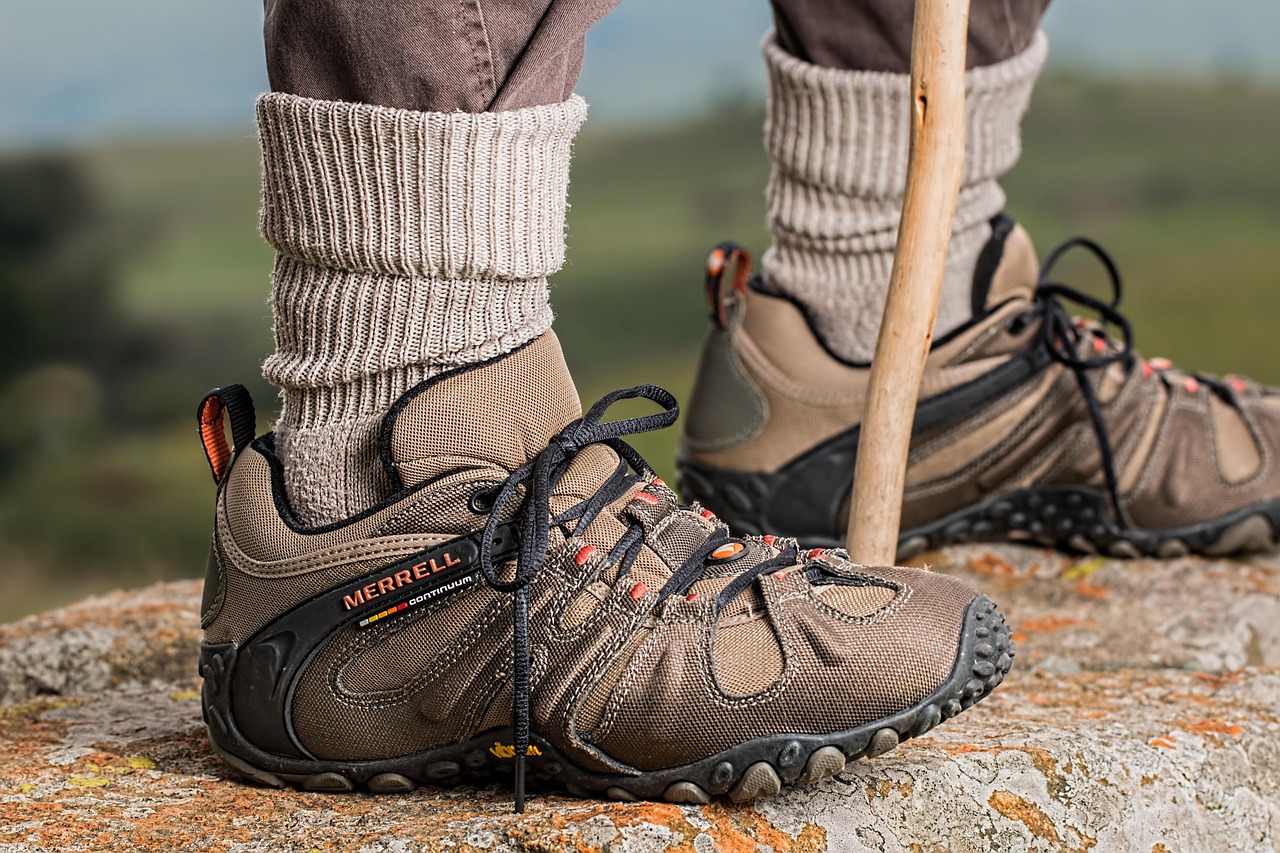
Your shoes mediate the relationship between your body and the ground, significantly influencing how surface characteristics affect your gait mechanics. The same surface can feel dramatically different depending on what you’re wearing.
Heavily cushioned shoes with thick midsoles dampen surface feedback and reduce impact forces, but they also decrease proprioceptive input and may alter natural movement patterns. Minimal shoes provide enhanced ground feel and generally promote more natural gait mechanics, but they require gradual adaptation and transfer more stress to your body’s structures.
The optimal approach depends on the surface, your movement goals, and your individual biomechanics. Cushioned shoes may make sense for high-mileage days on concrete, while minimal footwear might be appropriate for short runs on soft trails. Some athletes use barefoot or minimally-shod training on forgiving surfaces specifically to strengthen feet and improve movement patterns.
Injury Prevention Through Surface Awareness 🛡️
Understanding how surfaces affect your gait mechanics isn’t merely academic—it has practical implications for staying healthy and moving well throughout your life. Many common overuse injuries stem from accumulated stress that could be managed through smarter surface choices.
Repetitive stress injuries like plantar fasciitis, shin splints, and stress fractures often develop when the same tissues absorb similar forces thousands of times without variation. Surface variety introduces different loading patterns, distributing stress across a broader range of tissues and movement patterns.
If you’re recovering from injury, surface selection becomes even more critical. Soft surfaces like grass or tracks can allow continued training with reduced joint stress during recovery from impact-related injuries. Conversely, stable, predictable surfaces like treadmills might be preferable when recovering from ankle sprains or other stability-compromising injuries.
Optimizing Performance Through Strategic Surface Selection 🎯
Elite athletes and coaches have long understood that different surfaces serve different training purposes. This principle applies whether you’re training for competition or simply trying to move better in daily life.
Hard surfaces facilitate speed development. The efficient energy return and consistent footing allow you to practice running economy and achieve faster paces with less effort. Quality speed workouts and tempo runs often benefit from tracks or smooth asphalt.
Soft and variable surfaces build strength and resilience. The enhanced muscular demands of sand, grass, or technical trails develop the supporting structures that keep you healthy during high-volume training. These surfaces also tend to naturally limit pace, making them excellent choices for recovery-focused movement.
Consider matching surface to training objective: firm for speed, soft for volume, varied for adaptability. This strategic approach maximizes the benefits while minimizing the limitations of any single surface type.
The Neurological Dimension: How Surfaces Shape Your Movement Brain 🧠
Your brain’s representation of movement—the neural patterns that control how you walk and run—develops based on the movement challenges you regularly encounter. Different surfaces literally shape how your nervous system organizes and executes gait patterns.
Predictable surfaces allow for more automated, subconscious movement control. Your brain can essentially “set and forget” the movement pattern, freeing cognitive resources for other tasks. This automation improves efficiency but may reduce neural adaptability over time.
Variable surfaces demand continued conscious attention and rapid adjustment. This heightened neural engagement strengthens the brain-body connection and maintains your system’s ability to respond effectively to unexpected challenges—benefits that extend beyond athletic performance into daily function and fall prevention as you age.
Creating Your Surface Strategy: Practical Implementation 📋
Translating surface science into practical application requires honest assessment of your current patterns and thoughtful planning for introducing beneficial variety.
Start by evaluating your current surface exposure. If you exclusively run on treadmills or always choose the same park path, you’re missing opportunities for broader adaptation. Begin introducing variety gradually, allowing your body time to adjust to new demands.
A balanced weekly approach might include:
- One speed-focused session on track or smooth asphalt
- Two moderate runs alternating between different surfaces
- One longer session on softer terrain for reduced impact
- One technical or varied-terrain session for neuromuscular development
Listen to your body’s feedback as you explore different surfaces. Some discomfort during adaptation is normal, but persistent pain signals that you’re progressing too quickly or that a particular surface may not suit your current biomechanics.
Beyond Running: Surface Considerations for All Movement 🚶
While much research focuses on running, surface effects apply to all human movement. Walking mechanics change across different terrains, with implications for everyone from casual walkers to rehabilitation patients.
The elderly and those with balance concerns should prioritize stable, predictable surfaces that reduce fall risk while occasionally challenging themselves with varied terrain under controlled conditions to maintain adaptive capacity. Those recovering from injury might strategically choose surfaces that allow continued movement while protecting healing tissues.
Even in workplace settings, the floor beneath your feet matters. Standing workers on concrete floors experience more fatigue and discomfort than those on cushioned anti-fatigue mats, demonstrating that surface considerations extend well beyond athletic contexts.
Moving Forward: Your Surface-Conscious Future 🌟
The surface beneath your feet shapes every step you take, influencing your biomechanics, energy efficiency, injury risk, and long-term movement capacity. This awareness empowers you to make strategic choices rather than defaulting to convenience or habit.
Start paying attention to how different surfaces feel. Notice how your body adjusts to concrete versus grass, how trails demand different attention than roads, how your energy expenditure varies across terrains. This mindful awareness is the first step toward optimizing your surface strategy.
Remember that variety itself may be the most valuable principle. Your body thrives on adaptive challenges presented across a spectrum of surface characteristics. By thoughtfully incorporating diverse terrains into your movement practice, you build a more resilient, capable, and efficient system prepared for whatever ground you encounter.
The path to better movement doesn’t require expensive equipment or complex programs—sometimes it simply requires choosing a different surface and letting your remarkable adaptive capacity do what it does best. Your next step toward improved gait mechanics might be as simple as stepping off the pavement and onto the grass.