The way we walk has evolved dramatically over centuries, yet a fundamental question remains: are our feet better off bare or protected by shoes? This debate touches on health, comfort, biomechanics, and our relationship with the natural world.

Modern society has largely embraced footwear as essential, but a growing movement champions barefoot walking as superior for posture, strength, and overall well-being. Understanding both perspectives helps us make informed choices about how we treat our foundation—literally.
🦶 The Evolutionary Perspective: How Our Feet Were Designed
Human feet represent millions of years of evolutionary refinement. Our ancestors walked barefoot across diverse terrains, developing intricate structures with 26 bones, 33 joints, and over 100 muscles, tendons, and ligaments in each foot. This complex architecture suggests feet were designed to function without artificial support.
Archaeological evidence indicates humans only began wearing shoes approximately 40,000 years ago, initially for protection against extreme climates rather than everyday use. For the vast majority of human existence, our species thrived without cushioned soles or arch support, relying instead on the foot’s natural shock-absorption capabilities.
The foot’s sensory nerve endings provide crucial feedback about terrain, balance, and body positioning. This proprioceptive information helps coordinate movement patterns throughout the entire kinetic chain, from ankles to hips and spine. When we cover our feet, we potentially diminish this vital communication system.
The Case for Barefoot Walking: Natural Benefits
Strengthening Intrinsic Foot Muscles 💪
Walking barefoot activates smaller stabilizing muscles within the foot that often remain dormant in shoes. These intrinsic muscles control the arch, stabilize the toes, and maintain balance. Regular barefoot activity can strengthen these structures, potentially reducing injury risk and improving overall foot function.
Research published in various biomechanics journals demonstrates that habitually barefoot populations exhibit stronger feet with better arch integrity compared to shoe-wearing counterparts. The constant engagement required for unshod walking creates natural resistance training with every step.
Improved Proprioception and Balance
Direct ground contact enhances sensory feedback, allowing the nervous system to make real-time adjustments to gait and posture. This heightened awareness can improve balance, coordination, and spatial orientation. Athletes and physical therapists increasingly incorporate barefoot training to enhance proprioceptive abilities.
Studies on elderly populations show that barefoot activities may reduce fall risk by improving balance and reaction time. The tactile information gathered through bare soles helps the brain construct more accurate body maps, facilitating better movement control.
Natural Gait Mechanics and Reduced Impact
Barefoot walkers typically land on the midfoot or forefoot rather than heel-striking, a pattern common with cushioned shoes. This natural gait distributes impact forces more evenly throughout the foot and lower leg, potentially reducing stress on joints.
The forefoot landing pattern encourages a shorter stride length and higher step frequency, biomechanical characteristics associated with lower injury rates among runners and walkers. The foot’s natural arch functions as a spring, storing and releasing energy efficiently with each step.
Potential Benefits for Common Foot Problems
Proponents argue that barefoot walking may alleviate certain conditions exacerbated by restrictive footwear:
- Bunions and toe deformities caused by narrow toe boxes
- Plantar fasciitis from over-reliance on artificial arch support
- Weak foot muscles leading to flat feet or fallen arches
- Poor circulation from compression and restriction
- Fungal infections thriving in warm, moist shoe environments
⚠️ The Challenges and Risks of Going Barefoot
Environmental Hazards and Injury Risk
Modern environments present numerous dangers to unprotected feet. Sharp objects, broken glass, nails, thorns, and debris can cause puncture wounds leading to infections. Hot pavement in summer or cold surfaces in winter create temperature extremes that can damage skin tissue.
Urban settings especially pose contamination risks from chemicals, pathogens, and pollutants that bare feet may absorb or encounter. Public health concerns around hookworm, tetanus, and other soil-transmitted diseases remain valid in many regions.
Transition Period Challenges
Switching from shoes to barefoot walking isn’t instantaneous. Feet accustomed to support and cushioning require gradual adaptation. Rushing this transition commonly results in overuse injuries including stress fractures, Achilles tendinitis, and calf strains.
The transition period may last months as muscles strengthen, tendons adapt, and skin toughens. Many people abandon barefoot walking during this uncomfortable adjustment phase, never experiencing the potential long-term benefits.
Not Suitable for Everyone
Certain populations face heightened risks from barefoot walking. People with diabetes experiencing peripheral neuropathy may not detect injuries, leading to ulcers and serious complications. Those with compromised immune systems face greater infection risks from minor wounds.
Individuals with existing foot deformities, arthritis, or previous injuries may require the support and cushioning that appropriate footwear provides. Biomechanical issues sometimes necessitate orthotics or specialized shoes rather than barefoot approaches.
👟 The Case for Shod Walking: Protection and Support
Essential Protection in Modern Environments
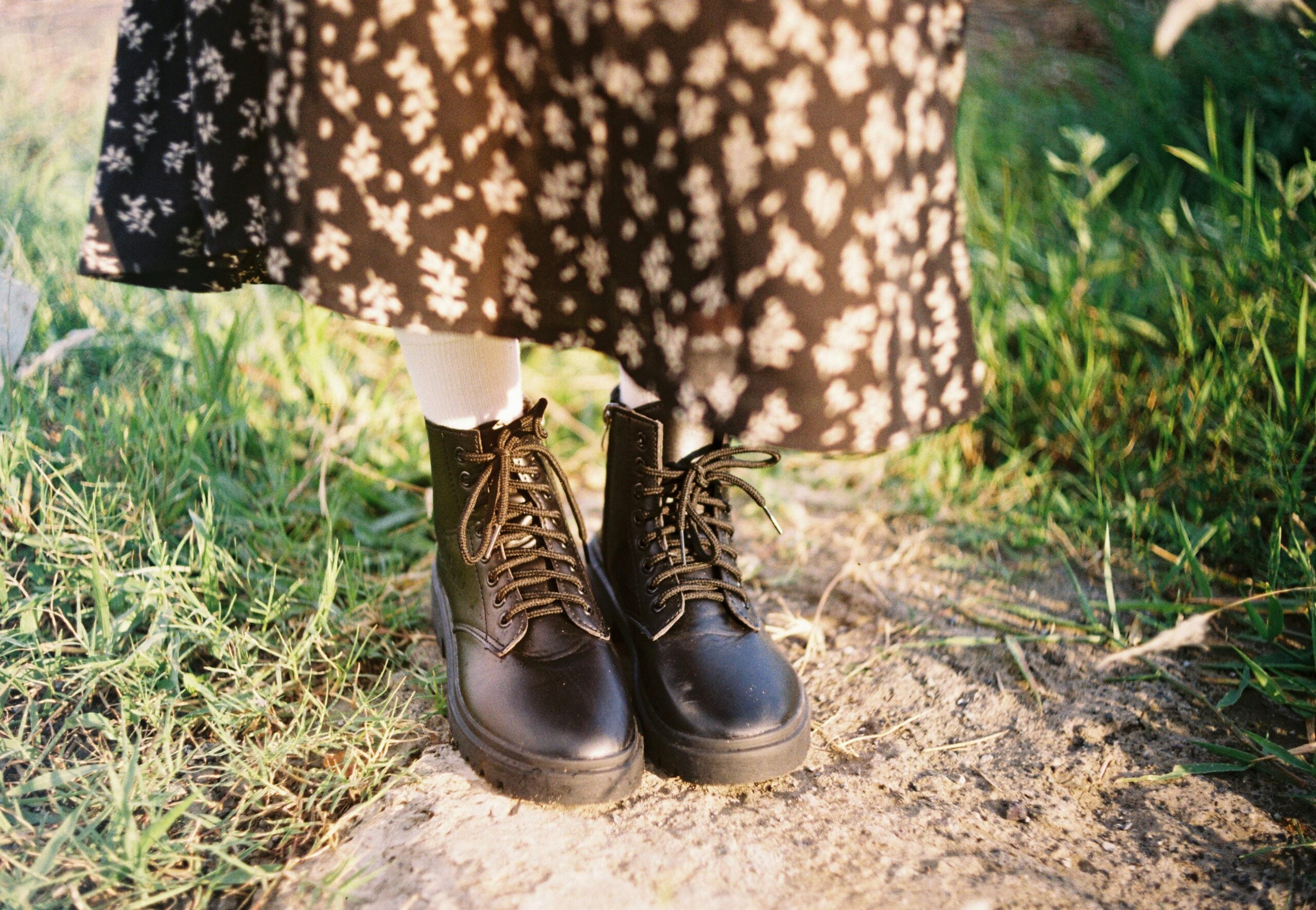
Shoes provide a necessary barrier between feet and hazardous surroundings. Quality footwear protects against punctures, cuts, burns, frostbite, and infectious agents. This protection becomes essential rather than optional in most contemporary settings.
Workplaces, commercial establishments, and public transportation typically require shoes for safety and hygiene. Legal and social norms make barefoot living impractical for most people’s daily routines.
Support for Biomechanical Issues
Properly fitted shoes with appropriate support can correct gait abnormalities and reduce pain for people with structural foot problems. Orthotics, arch support, and motion control features help distribute pressure more evenly and prevent compensatory movement patterns that cause injury.
For individuals with overpronation, high arches, leg-length discrepancies, or other biomechanical concerns, shoes designed to address these issues may prove more beneficial than barefoot walking.
Athletic Performance and Specialized Activities
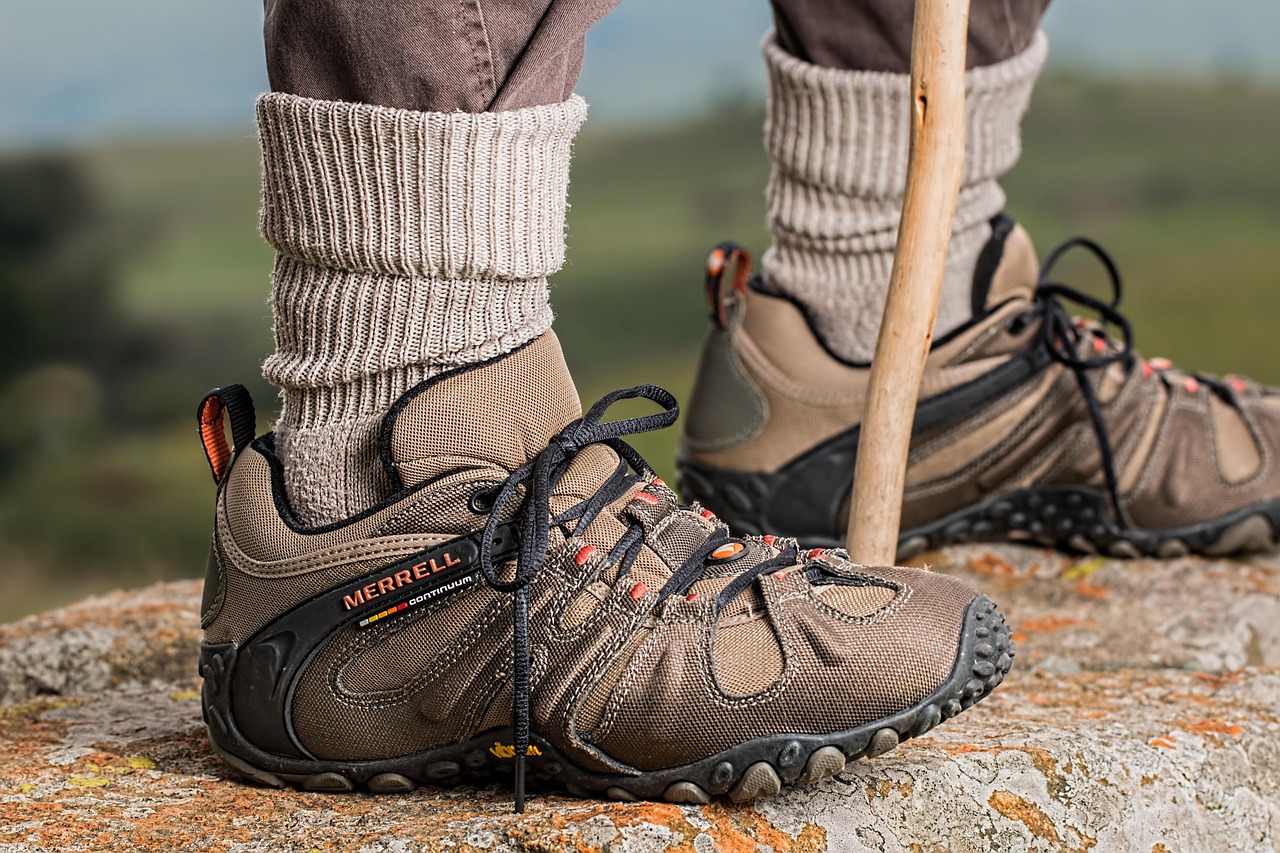
Sport-specific footwear enhances performance and safety for various activities. Running shoes provide cushioning for high-impact repetitive loading, hiking boots offer ankle support on uneven terrain, and climbing shoes deliver precision on vertical surfaces.
While barefoot advocates exist in running and other sports, most competitive athletes rely on advanced footwear technology to maximize performance and minimize injury risk during intense training and competition.
Climate and Weather Considerations ☀️❄️
Extreme temperatures make shoes necessary for comfort and safety. Insulated boots protect against frostbite in cold climates, while heat-reflecting soles prevent burns on scorching surfaces. Waterproof footwear keeps feet dry in rain, snow, and wet conditions.
Seasonal variations in most regions make year-round barefoot living impractical without significant lifestyle adjustments.
Finding the Middle Ground: Minimalist Footwear
Minimalist shoes attempt to bridge barefoot benefits with practical protection. These designs feature thin, flexible soles that preserve ground feel while shielding feet from hazards. Wide toe boxes allow natural toe splay, and zero-drop construction maintains the foot’s natural position.
Minimalist footwear comes in various styles from sandals to athletic shoes, offering options for different activities and environments. Popular brands have developed extensive lines catering to the growing interest in more natural footwear.
This compromise allows gradual adaptation to barefoot mechanics while maintaining practicality for modern life. However, minimalist shoes still require transition periods and may not suit everyone’s needs or preferences.
📊 Comparing Key Factors: Barefoot vs Shod Walking
| Factor | Barefoot Walking | Shod Walking |
|---|---|---|
| Muscle Activation | High – engages intrinsic foot muscles | Lower – support reduces muscle work |
| Proprioception | Excellent – direct sensory feedback | Reduced – cushioning dampens signals |
| Protection | Minimal – vulnerable to hazards | High – shields from environmental dangers |
| Transition Required | Yes – months of gradual adaptation | No – immediately comfortable |
| Natural Gait | Promotes forefoot/midfoot landing | Often encourages heel striking |
| Social Acceptability | Limited – often prohibited | Universal – required in most settings |
| Climate Adaptability | Poor – extremes problematic | Excellent – designed for conditions |
🎯 Practical Recommendations for Healthier Walking
Start with Awareness
Before making dramatic changes, assess your current foot health, activity level, and walking mechanics. Consider consulting with a podiatrist or physical therapist to evaluate whether barefoot walking suits your individual situation.
Document any existing pain, limitations, or concerns that might influence your approach. Understanding your baseline helps track progress and identify problems early.
Gradual Transition Strategy
If exploring barefoot or minimalist walking, proceed slowly. Begin with short sessions of 5-10 minutes on safe, clean surfaces like grass or sand. Gradually increase duration and variety of terrain over weeks and months.
Listen to your body throughout the transition. Mild muscle soreness indicates adaptation, but sharp pain signals excessive stress requiring rest and reduced activity.
Incorporate Barefoot Time at Home
Even if full-time barefoot walking isn’t practical, increasing unshod time at home strengthens feet and improves proprioception. Walking barefoot on varied surfaces—carpet, tile, wood—provides diverse sensory input and muscle engagement.
This approach offers benefits without the risks of outdoor barefoot walking, making it accessible for most people regardless of living situation or mobility.
Choose Appropriate Footwear When Needed
When shoes are necessary, select options that respect natural foot shape and function. Look for wide toe boxes, flexible soles, minimal heel-toe drop, and breathable materials. Avoid excessively cushioned shoes that isolate feet from ground feedback.
Rotate between different shoe types rather than wearing the same pair daily. This variation challenges feet differently and prevents accommodation to single movement patterns.
Strengthen and Mobilize Your Feet
Complement walking practices with specific foot exercises. Toe spreading, arch doming, ankle circles, and picking up objects with toes all build strength and coordination. Regular stretching maintains flexibility in often-tight areas like calves and plantar fascia.
These exercises benefit both barefoot enthusiasts and dedicated shoe-wearers, addressing weaknesses that modern lifestyles commonly create.
🌍 Cultural and Lifestyle Considerations
Barefoot walking practices vary dramatically across cultures. Many traditional societies maintain barefoot or minimally-shod customs, while industrialized nations almost universally require footwear. These cultural differences reflect environmental factors, economic development, and social norms rather than inherent superiority of either approach.
Individual lifestyle significantly influences the feasibility of barefoot walking. Urban professionals face different constraints than rural residents or those working from home. Recreational activities, climate, family situations, and personal preferences all shape realistic options.
Rather than adopting rigid ideologies, successful approaches acknowledge these realities and adapt practices accordingly. Flexibility and pragmatism serve better than dogmatic adherence to either barefoot or shod extremes.
Making Your Personal Decision: Questions to Consider
Choosing between barefoot and shod walking requires honest self-assessment. Consider these questions:
- What are my current foot health status and any existing conditions?
- What environments do I regularly navigate?
- How much time can I realistically dedicate to transition periods?
- What activities comprise my daily routine and exercise habits?
- Do I have support from healthcare providers familiar with my situation?
- Am I motivated by evidence or influenced by trends and marketing?
- Can I approach this change gradually and sustainably?
Honest answers guide decisions aligned with your circumstances rather than abstract ideals.
🔄 The Dynamic Approach: Flexibility Over Dogma
Perhaps the wisest approach recognizes that feet benefit from variety. Alternating between barefoot time, minimalist footwear, and appropriate supportive shoes challenges feet differently and prevents over-reliance on any single pattern.
This dynamic strategy respects both evolutionary design and contemporary realities. It acknowledges that humans possess remarkable feet capable of thriving barefoot while accepting that modern life sometimes necessitates protection and support.
The goal isn’t choosing sides in an ideological battle but optimizing foot health through informed, flexible practices tailored to individual needs and circumstances. What works perfectly for one person may prove impractical or harmful for another.
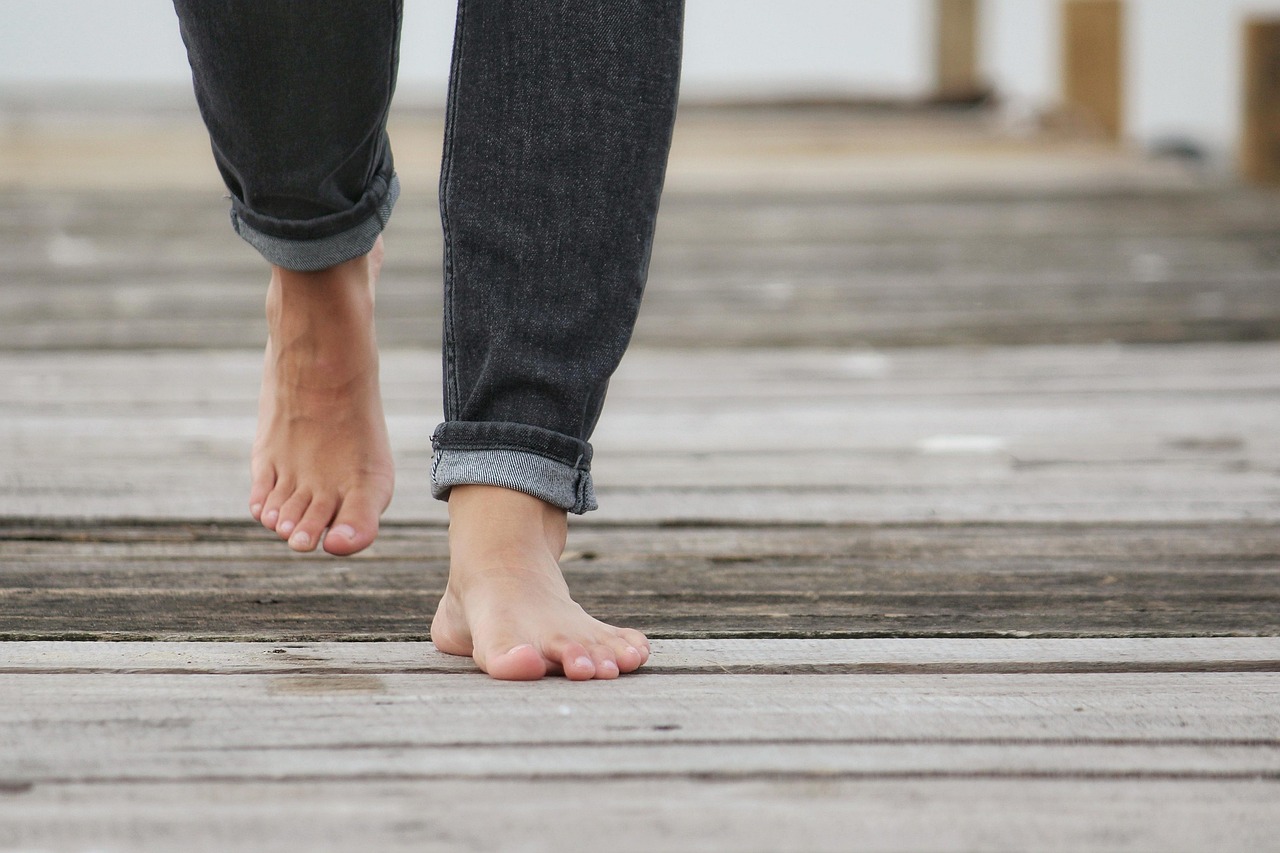
Walking Toward Better Foot Health
The barefoot versus shod debate ultimately presents a false dichotomy. Both approaches offer legitimate benefits and face real limitations. Rather than seeking universal answers, we benefit from understanding the nuances and making personalized choices.
Healthy feet result from attention, variety, appropriate challenges, and respect for individual circumstances. Whether you walk primarily barefoot, in minimalist shoes, or in traditional footwear, consciousness about foot health and function matters most.
By staying informed, listening to your body, and remaining flexible in your approach, you can step smartly toward greater comfort, improved function, and better overall health. Your feet have carried you through life—treating them with thoughtful care ensures they’ll continue supporting you for years to come.