Recovering from surgery is a journey that requires patience, dedication, and a strategic approach to regaining your strength and mobility.

Walking is one of the most accessible and beneficial activities you can incorporate into your post-surgery recovery plan. It promotes circulation, prevents complications, and helps rebuild your physical confidence without overwhelming your healing body. Whether you’ve undergone orthopedic surgery, abdominal procedures, or cardiac operations, a structured walking routine can be your pathway back to wellness. This comprehensive guide will walk you through creating a personalized, gentle walking plan that respects your body’s healing timeline while progressively building your stamina and strength.
🩺 Why Walking is Your Best Recovery Ally
Walking stands out among rehabilitation exercises for its remarkable versatility and low-impact nature. Unlike strenuous workouts that can strain healing tissues, walking activates multiple body systems simultaneously while remaining gentle enough for most recovery phases.
The cardiovascular benefits of walking post-surgery cannot be overstated. Regular walking improves blood circulation, which delivers oxygen and nutrients to healing tissues while removing metabolic waste products. This enhanced circulation significantly reduces the risk of blood clots, particularly deep vein thrombosis (DVT), a common concern after surgical procedures.
Beyond physical healing, walking profoundly impacts your psychological recovery. The simple act of moving forward symbolizes progress, combating feelings of helplessness and frustration that often accompany surgical recovery. Each step represents reclaimed independence and a return to normalcy.
The Science Behind Walking and Wound Healing
Research consistently demonstrates that early mobilization through walking accelerates wound healing and reduces hospital stays. When you walk, your muscles contract and relax, creating a pumping action that enhances lymphatic drainage and reduces swelling around surgical sites.
Walking also stimulates the production of collagen, the primary protein responsible for tissue repair. This natural process strengthens your incision sites and surrounding tissues, creating more resilient healing outcomes. Additionally, the mechanical stress of walking stimulates bone remodeling, particularly crucial after orthopedic procedures.
⏱️ Timing Your First Steps: When to Begin
The appropriate time to start walking depends heavily on your specific surgery type, overall health, and your surgeon’s recommendations. Never begin any exercise program, including walking, without explicit approval from your medical team.
For many surgeries, healthcare providers encourage walking within the first 24 hours post-operation, even if it’s just a few steps from bed to chair. This early movement prevents complications and jump-starts your recovery process. However, certain procedures require extended rest periods before ambulation.
Surgery-Specific Walking Timelines
Cardiac surgery patients typically begin supervised walking within one to two days post-operation. These initial walks may involve just standing and taking a few steps with assistance, gradually progressing as heart function stabilizes.
Orthopedic surgery patients, particularly those who’ve undergone hip or knee replacements, often begin walking with assistive devices the same day or the day after surgery. Physical therapists guide these early movements to ensure proper weight distribution and joint protection.
Abdominal surgery patients usually start walking within 24 hours to prevent complications like pneumonia and ileus (intestinal blockage). These walks begin slowly, with attention to protecting the incision site from strain.
Spinal surgery patients face more variable timelines, ranging from the same day for minimally invasive procedures to several days or weeks for extensive operations. Surgeon guidance is absolutely critical for this population.
🚶 Your Week-by-Week Progressive Walking Plan
A successful post-surgery walking program follows a progressive structure that gradually increases duration, frequency, and eventually intensity. This systematic approach prevents overexertion while steadily rebuilding your physical capabilities.
Week 1-2: Foundation Phase
During the initial recovery period, your walking sessions should be brief and frequent. Aim for multiple short walks throughout the day rather than one extended session. Start with 2-5 minute walks, four to six times daily.
Focus entirely on form rather than distance or speed. Walk slowly with deliberate steps, maintaining upright posture as much as comfort allows. Use assistive devices as recommended by your healthcare team, and don’t hesitate to rest whenever needed.
Monitor for warning signs including increased pain, excessive fatigue, dizziness, shortness of breath, or drainage from incision sites. These symptoms warrant immediate rest and potentially medical consultation.
Week 3-4: Building Consistency
As healing progresses, gradually extend your walking sessions to 8-10 minutes, three to four times daily. You may begin consolidating some sessions, taking two longer walks rather than multiple shorter ones if this feels comfortable.
Introduce very gentle environmental variations, such as different rooms or, if cleared by your physician, short outdoor walks on flat, even surfaces. Fresh air and changing scenery provide psychological benefits that complement physical recovery.
This phase focuses on consistency rather than intensity. Establish a routine that fits your energy patterns, whether morning walks work best or afternoon sessions suit your recovery rhythm.
Week 5-8: Expanding Capacity
With established tolerance, increase walking duration to 15-20 minutes, two to three times daily. Your total daily walking time might reach 30-60 minutes across all sessions.
Begin incorporating slight variations in terrain if approved by your medical team. Gentle slopes or grass surfaces (when safe) challenge your balance and strength systems without excessive stress. However, avoid stairs, steep inclines, or uneven terrain unless specifically cleared.
Consider tracking your progress through a simple journal or walking app. Recording distances, times, and how you felt during each walk provides valuable information for adjusting your plan and sharing with healthcare providers.
Week 9-12: Advancing Toward Normal Activity
By this stage, many patients can walk 20-30 minutes continuously, once or twice daily, depending on their surgery type and healing progress. Your total daily walking might exceed 60 minutes.
Introduce modest challenges such as slightly brisker paces for short intervals, very gentle hills, or extended distances. Listen carefully to your body’s feedback, scaling back if you experience unusual fatigue or discomfort.
This phase often represents a transition from “recovery walking” to “walking for fitness,” though this distinction varies significantly based on your procedure and baseline fitness level.
💪 Essential Walking Techniques for Optimal Recovery
Proper walking form becomes especially important during post-surgery recovery when your body may compensate for weakness or pain through altered movement patterns. These compensations, while initially protective, can develop into problematic habits if not addressed.
Posture and Alignment
Maintain an upright posture with your head level and eyes forward, not looking down at your feet. Your shoulders should remain relaxed and back, avoiding the temptation to hunch forward, especially if you have abdominal incisions.
Engage your core muscles gently to support your spine and protect surgical sites. This doesn’t mean aggressive tightening—think of it as gently drawing your navel toward your spine while maintaining natural breathing.
Your arms should swing naturally in opposition to your legs, promoting balance and coordination. If using an assistive device, adjust this pattern accordingly, ensuring even weight distribution.
Foot Strike and Gait Pattern
Focus on rolling through each step from heel to toe, maintaining smooth weight transfer. Avoid shuffling or taking excessively small steps unless your surgeon has specifically recommended modified gait patterns.
Keep your steps relatively even in length and rhythm. Limping or favoring one side, while sometimes unavoidable early in recovery, should gradually improve. Persistent asymmetry warrants discussion with your physical therapist or surgeon.
Breathing Coordination
Coordinate your breathing with your steps, establishing a comfortable rhythm. For example, inhale for three steps, exhale for three steps. This rhythmic breathing prevents breath-holding, which can increase blood pressure and create unnecessary tension.
Never push yourself to breathlessness. If you cannot maintain a conversation during walking, you’re moving too quickly for your current recovery stage.
🛡️ Safety Considerations and Warning Signs
While walking is generally safe during recovery, certain precautions and awareness of warning signs ensure you don’t inadvertently complicate your healing process.
Environmental Safety
Choose walking environments with appropriate lighting, even surfaces, and accessibility to rest areas. Indoor walking in hallways or around your home may be most appropriate initially, progressing to outdoor environments as stability improves.
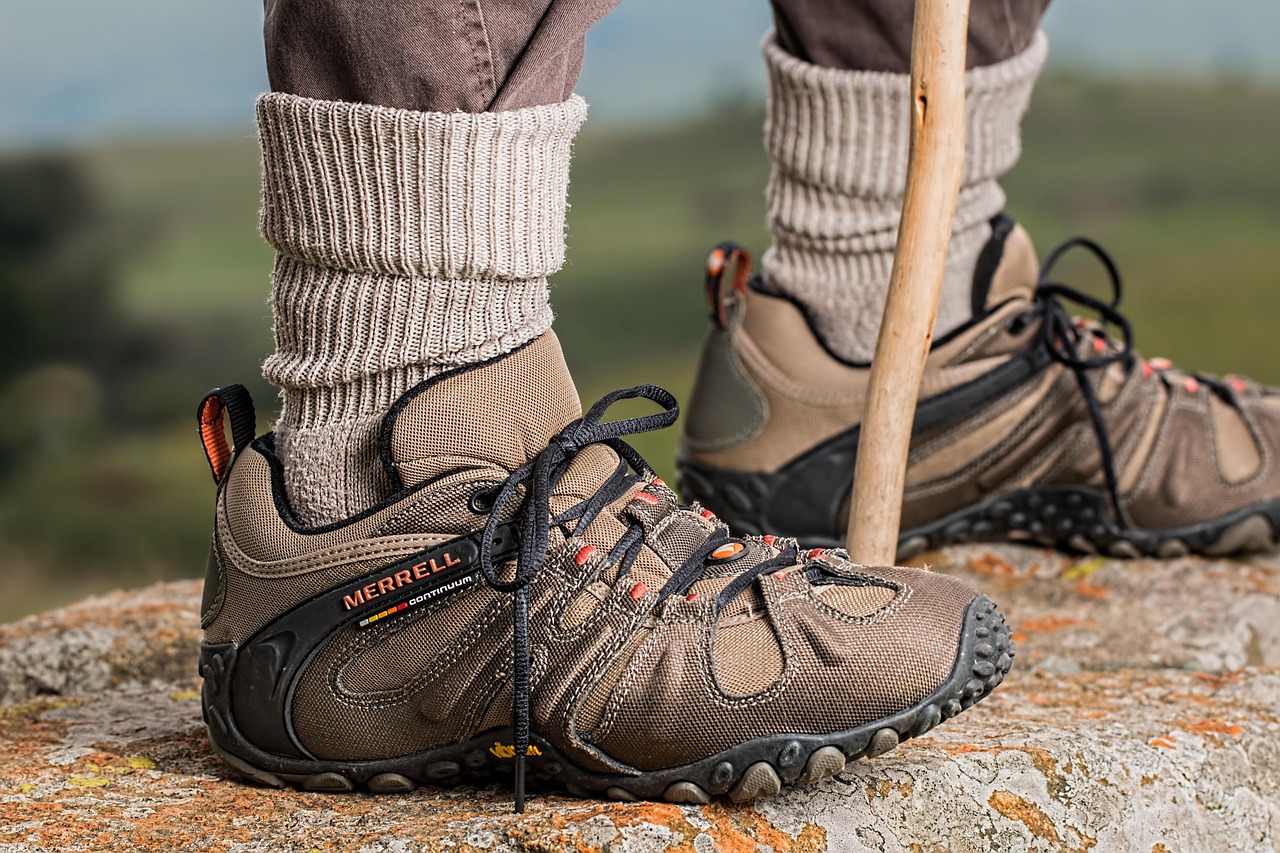
Wear supportive, non-slip footwear that provides adequate cushioning and stability. Avoid new shoes during recovery—stick with well-broken-in footwear that won’t cause blisters or balance issues.
Weather considerations matter significantly. Extreme heat or cold taxes your cardiovascular system, which may already be stressed by recovery. Choose mild conditions for outdoor walking, or opt for indoor alternatives during weather extremes.
Red Flags That Require Immediate Medical Attention
Certain symptoms during or after walking indicate potentially serious complications requiring prompt medical evaluation:
- Chest pain or pressure, particularly with shortness of breath or sweating
- Sudden severe pain at the surgical site
- Significant swelling, warmth, or redness around incisions
- Fever above 100.4°F (38°C) combined with increased pain
- Unusual drainage, odor, or opening of incision sites
- Calf pain accompanied by swelling, warmth, or redness (potential blood clot)
- Severe dizziness or feeling faint
- Heart palpitations or irregular heartbeat
Normal Discomfort Versus Problematic Pain
Learning to distinguish normal recovery discomfort from problematic pain helps you walk the line between appropriate challenge and harmful overexertion.
Normal recovery sensations include mild muscle fatigue, slight tightness around incision sites, general tiredness after walking, and minor muscle soreness the next day. These sensations should resolve with rest and not intensify with continued activity.
Concerning pain typically feels sharp rather than dull, increases rather than stabilizes during activity, persists or worsens after stopping, or localizes intensely at surgical sites. This type of pain signals the need to stop immediately and potentially seek medical guidance.
🔧 Customizing Your Plan for Common Surgery Types
While general principles apply broadly, certain surgery types benefit from specific walking modifications and considerations.
Joint Replacement Recovery Walking
Hip and knee replacement patients follow carefully structured protocols that balance mobilization with joint protection. Weight-bearing restrictions and assistive device requirements vary based on surgical approach and fixation methods.
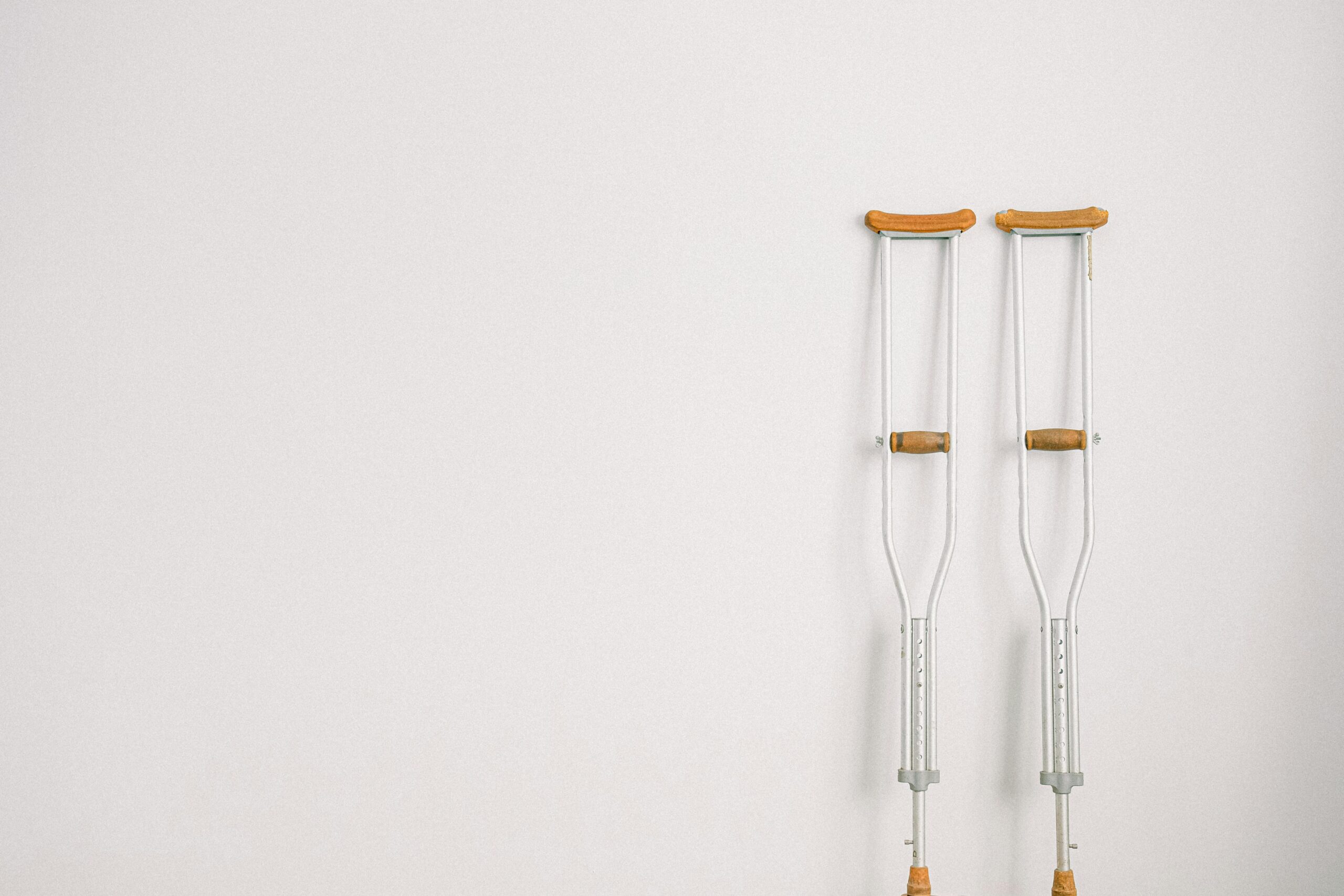
These patients often progress from walkers to crutches to canes, eventually walking unassisted. Each transition requires guidance from physical therapists to ensure proper technique and prevent prosthetic complications.
Focus on achieving normal gait patterns rather than speed or distance. Quality of movement trumps quantity during joint replacement recovery.
Cardiac Surgery Walking Protocols
Heart surgery patients monitor intensity through perceived exertion scales and sometimes heart rate parameters established by their cardiac rehabilitation team. Walking typically begins very conservatively, with healthcare supervision initially.
Cardiac patients may experience unusual fatigue and should never push through significant shortness of breath or chest discomfort. Gradual progression is especially critical for this population, as their cardiovascular system itself was the surgical target.
Abdominal Surgery Considerations
Patients recovering from abdominal procedures must protect their incisions and internal healing while gaining mobility benefits. Support your incision with a pillow when transitioning from sitting to standing, and maintain this support during initial walking if needed.
Avoid any twisting motions or reaching overhead that creates tension across abdominal incisions. Your walking posture should remain relatively upright despite the temptation to bend forward for comfort.
📊 Tracking Progress and Celebrating Milestones
Documenting your walking journey provides motivation, identifies patterns, and supplies valuable information for medical appointments. Your tracking method can be as simple or sophisticated as suits your preferences.
Metrics Worth Monitoring
Track walking duration, distance (when relevant), perceived difficulty level, pain levels before and after, and any notable symptoms or challenges. Also note environmental factors like weather, terrain, or time of day.
Rate your energy levels and overall well-being on walking days versus rest days. This information helps identify patterns and optimal scheduling for your recovery activities.
Setting Realistic Milestones
Establish small, achievable goals that maintain motivation without creating pressure. Early milestones might include walking to the bathroom independently, completing a full lap of your home, or walking five minutes without stopping.
Later milestones could involve walking specific distances, eliminating assistive devices, or returning to favorite walking routes. Celebrate each achievement as evidence of your body’s remarkable healing capacity.
🌟 Enhancing Your Recovery Through Complementary Strategies
While walking forms the cornerstone of your mobility recovery, complementary approaches optimize your overall healing and prepare you for successful long-term outcomes.
Nutrition for Healing and Energy
Adequate protein intake supports tissue repair and muscle maintenance during recovery. Ensure proper hydration, as even mild dehydration can amplify fatigue and impair healing processes.
Time your meals appropriately around walking sessions. Walking on a full stomach can be uncomfortable, while walking when overly hungry depletes your energy reserves. Experiment to find your optimal timing.
Rest and Sleep Quality
Quality sleep accelerates healing through growth hormone release and cellular repair processes. Prioritize sleep hygiene, even if your walking sessions feel modest—recovery is demanding work that requires adequate rest.
Balance activity with rest throughout your day. Pushing through fatigue to complete walking goals undermines your overall recovery and potentially increases injury risk.
Mental and Emotional Well-being
Surgery recovery challenges both body and mind. Walking provides natural mood enhancement through endorphin release, but also acknowledge emotional ups and downs as normal aspects of healing.
Consider walking as moving meditation, focusing on breath and movement rather than constantly evaluating progress. This mindful approach reduces anxiety while maintaining present-moment awareness.

🎯 Transitioning Beyond Recovery: Walking for Life
As surgical recovery concludes, your walking practice can transition from rehabilitation tool to lifelong wellness habit. This shift represents not just physical healing but renewed commitment to health maintenance.
Gradually increase intensity and variety once your surgeon provides full clearance. Introduce intervals, hills, or longer distances based on your interests and goals. Walking can evolve into hiking, race-walking, or simply enjoyable daily movement.
Many post-surgery patients discover that their recovery walking program awakens appreciation for their body’s capabilities. What began as medical necessity becomes chosen activity, maintained for the physical and mental benefits it provides.
Your surgical recovery represents a chapter in your health journey, not the complete story. The walking habits you establish during recovery can serve you for decades, preventing future health issues and maintaining the mobility you’ve worked so hard to regain.
Remember that every surgery and every body heals uniquely. Your walking plan should flex and adapt based on your individual progress, challenges, and circumstances. Stay connected with your healthcare team, trust your body’s signals, and honor both effort and rest as equally important components of your recovery.
Each step forward, no matter how small, represents progress. Your commitment to gentle, consistent walking demonstrates profound respect for your healing body and investment in your future well-being. Step by step, day by day, you’re not just recovering—you’re building a stronger, more resilient version of yourself. 💙