Walking is one of the most accessible forms of exercise available to anyone, regardless of fitness level. This gentle yet powerful activity can transform your physical and mental well-being without putting excessive stress on your joints.

Whether you’re recovering from an injury, managing chronic pain, or simply seeking a sustainable fitness routine, a joint-friendly cardiovascular walking plan offers the perfect solution. In today’s world where high-intensity workouts dominate fitness conversations, it’s refreshing to recognize that stepping lightly can deliver remarkable health benefits while protecting your body’s most vulnerable structures.
🚶♀️ Why Low-Impact Walking Matters for Long-Term Health
The human body wasn’t designed for the repetitive pounding that comes with many popular exercises. Running, jumping, and high-impact aerobics can accelerate joint wear and tear, particularly in the knees, hips, and ankles. Low-impact walking provides an intelligent alternative that allows you to achieve cardiovascular fitness while minimizing mechanical stress.
Research consistently demonstrates that regular walking reduces the risk of heart disease, stroke, type 2 diabetes, and certain cancers. What makes walking especially valuable is its sustainability—people who start walking programs tend to stick with them far longer than those who begin more intense exercise regimens.
Joint health becomes increasingly important as we age, but even younger individuals with existing joint conditions, previous injuries, or excess weight benefit tremendously from low-impact exercise. Walking strengthens the muscles surrounding your joints, improving stability and reducing pain over time rather than exacerbating it.
Understanding the Science Behind Joint-Friendly Movement
When you walk, your body experiences forces approximately 1-1.5 times your body weight with each step. Compare this to running, which generates impact forces of 2-3 times your body weight, and the difference becomes clear. This reduced impact allows your joints to benefit from movement without the inflammatory response that often accompanies higher-impact activities.
Your joints contain synovial fluid, which acts as a lubricant and shock absorber. Walking stimulates the production and circulation of this fluid, actually improving joint health rather than degrading it. This process helps maintain cartilage health and can even reduce symptoms in people with osteoarthritis.
The Cardiovascular Benefits You Can’t Ignore
A well-designed walking plan elevates your heart rate sufficiently to strengthen your cardiovascular system. Your heart becomes more efficient at pumping blood, your blood vessels maintain better flexibility, and your body improves its ability to utilize oxygen. These adaptations occur without requiring you to push into uncomfortable or unsustainable intensity zones.
Studies show that walking just 30 minutes daily can lower blood pressure, improve cholesterol profiles, and reduce visceral fat—the dangerous fat surrounding internal organs. The beauty of walking lies in its cumulative effect; even short bouts throughout the day contribute to these benefits.
🏃♂️ Designing Your Joint-Friendly Walking Plan
Creating an effective walking program requires more than simply putting on shoes and heading out the door. A strategic approach ensures you maximize benefits while protecting your joints and building sustainable habits.
Starting Where You Are
Begin by assessing your current fitness level honestly. If you’re new to exercise or returning after a long break, start conservatively. Your initial goal should focus on consistency rather than distance or speed. Walking for 10-15 minutes three times per week provides an excellent foundation.
Pay attention to how your body responds during and after walks. Some muscle fatigue is normal and healthy, but joint pain signals the need to reduce intensity or duration. The difference is important: muscles should feel worked, but joints should feel better, not worse.
Progressive Overload for Walkers
Once you’ve established a baseline routine and can complete your walks comfortably, gradual progression becomes key. Increase either duration or frequency by no more than 10% per week. This conservative approach allows your connective tissues, bones, and cardiovascular system to adapt without overwhelming them.
A practical progression might look like this:
- Weeks 1-2: 15 minutes, 3 times per week
- Weeks 3-4: 20 minutes, 3 times per week
- Weeks 5-6: 20 minutes, 4 times per week
- Weeks 7-8: 25 minutes, 4 times per week
- Weeks 9-12: 30 minutes, 5 times per week
Optimizing Your Walking Technique for Joint Protection
Proper form significantly impacts how walking affects your joints. Many people walk with biomechanical patterns that increase stress on vulnerable areas, but simple adjustments can transform walking into a truly therapeutic activity.
Posture and Alignment Essentials
Stand tall with your head level, looking forward rather than down. Your shoulders should remain relaxed and slightly back, opening your chest. Engage your core muscles gently to support your spine. This alignment distributes forces evenly through your skeletal system rather than concentrating stress in specific joints.
Your arms should swing naturally from your shoulders, with elbows bent at approximately 90 degrees. This arm movement provides momentum and engages your upper body without requiring excessive effort. Avoid clenching your fists or tensing your shoulders, as this creates unnecessary strain.
The Art of the Foot Strike
Land on your heel and roll smoothly through to your toes with each step. This heel-to-toe motion distributes impact forces throughout the entire foot rather than concentrating stress. Your stride should feel natural rather than exaggerated; overstriding (reaching too far forward with each step) actually increases impact on joints.
Keep your feet pointing straight ahead rather than turning inward or outward. Foot positioning affects alignment all the way up through your ankles, knees, and hips. If you notice unusual wear patterns on your shoes, consider consulting a physical therapist or podiatrist about your gait.
⚙️ Essential Equipment for Joint-Supportive Walking
While walking requires minimal equipment, investing in quality footwear and appropriate accessories can dramatically improve comfort and reduce joint stress.
Choosing the Right Walking Shoes
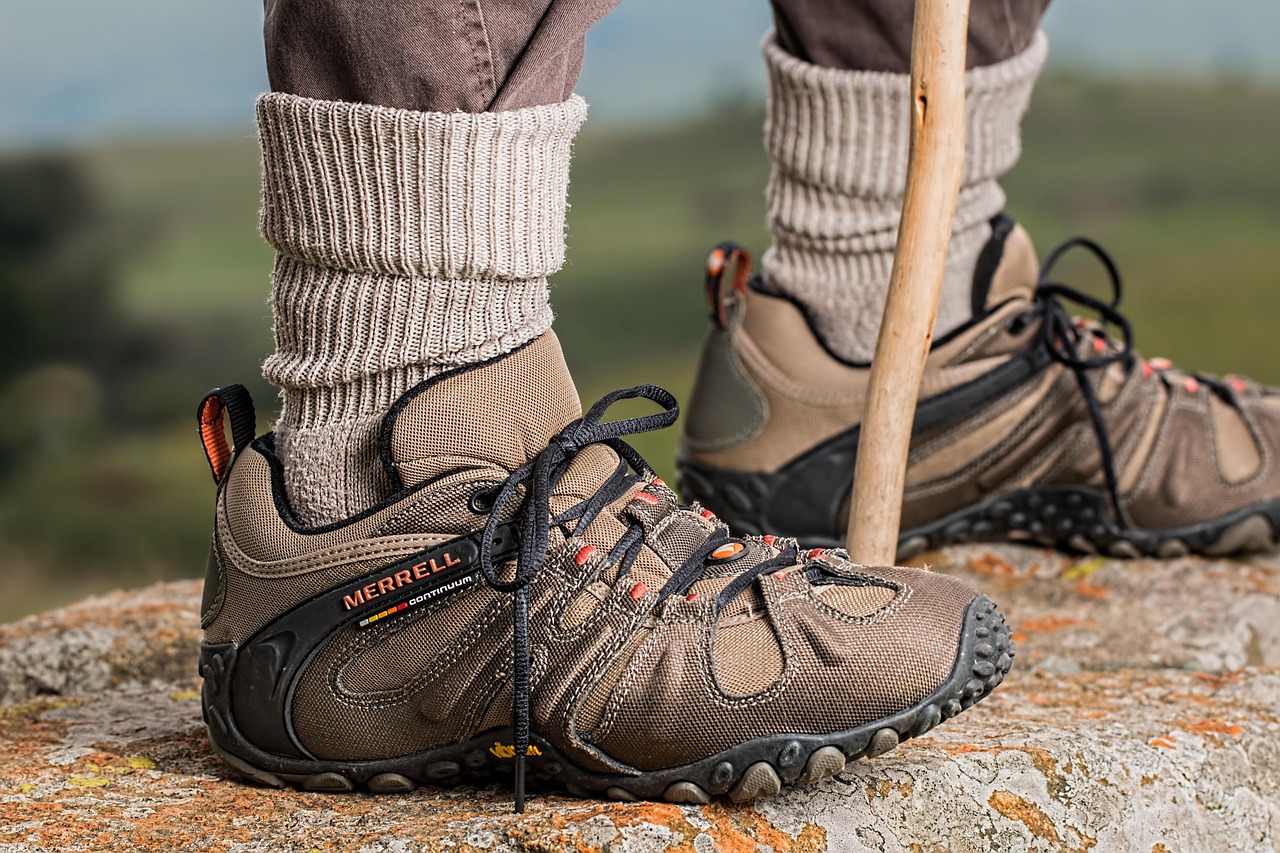
Walking shoes differ from running shoes in important ways. They feature more flexible soles, lower heel heights, and different cushioning patterns optimized for the rolling motion of walking. Your shoes should provide adequate arch support, cushioning in the heel and forefoot, and a fit that prevents sliding without being restrictive.
Replace your walking shoes every 300-500 miles or when you notice the cushioning breaking down. Worn-out shoes lose their shock-absorbing properties and can contribute to joint pain. If you walk 3 miles per day, five days per week, you’ll need new shoes approximately every 4-6 months.
Supportive Accessories Worth Considering
Compression socks improve circulation and can reduce swelling, particularly beneficial for people with joint inflammation. Walking poles distribute weight across your upper body, reducing load on hip, knee, and ankle joints by up to 30%. They’re especially valuable on uneven terrain or for people with significant lower body joint concerns.
A quality fitness tracker or smartphone app helps monitor your progress, maintain motivation, and ensure you’re achieving appropriate intensity levels. Many apps provide guided walking workouts specifically designed for joint health.
🌟 Advanced Strategies to Maximize Benefits
Once you’ve established a consistent walking routine with proper form, several strategies can enhance the health benefits while maintaining joint-friendliness.
Interval Walking for Enhanced Cardiovascular Fitness
Interval training involves alternating between moderate and slightly brisker paces. This variation challenges your cardiovascular system more effectively than steady-state walking without requiring the impact of running. For example, walk at your normal pace for 3 minutes, then increase to a brisk pace for 1 minute, repeating this cycle throughout your walk.
The beauty of walking intervals is that even the “intense” portions remain low-impact. You’re increasing cardiovascular challenge through pace rather than through jumping or pounding movements that stress joints.
Terrain Variation for Comprehensive Fitness
Walking on different surfaces and inclines engages various muscle groups and provides different stimuli to your body. Gentle hills strengthen your glutes and hamstrings while slightly elevating cardiovascular intensity. Grass or dirt paths offer softer surfaces than concrete, further reducing impact.
Avoid excessively uneven terrain if you have balance concerns or significant joint instability, as the risk of missteps increases. However, slight variations in surface texture actually improve ankle stability and proprioception over time.
Nutrition and Recovery for Joint Health
Your walking program’s effectiveness extends beyond the steps themselves. Proper nutrition and recovery practices support joint health and maximize the benefits of your efforts.
Anti-Inflammatory Eating Patterns
Chronic inflammation contributes significantly to joint deterioration and pain. An anti-inflammatory diet rich in omega-3 fatty acids, colorful vegetables, fruits, and whole grains supports joint health. Fatty fish, walnuts, berries, leafy greens, and turmeric contain compounds that actively reduce inflammation.
Adequate hydration maintains the viscosity of synovial fluid in your joints. Aim for at least eight glasses of water daily, increasing this amount when walking in hot weather or for extended periods.
Strategic Recovery Techniques
Gentle stretching after walks maintains flexibility and reduces muscle tightness that can alter your gait and increase joint stress. Focus on your calves, hip flexors, quadriceps, and hamstrings. Hold each stretch for 20-30 seconds without bouncing.
Quality sleep provides the foundation for tissue repair and inflammation reduction. During deep sleep, your body produces growth hormone and other compounds essential for joint and muscle recovery. Aim for 7-9 hours nightly to support your walking program optimally.
💪 Complementary Exercises for Complete Joint Protection
While walking forms the cardiovascular foundation of your program, incorporating complementary exercises enhances joint stability and overall function.
Strength Training for Joint Support
Strong muscles stabilize joints and absorb forces that would otherwise stress cartilage and connective tissues. Bodyweight exercises like wall push-ups, chair squats, and standing leg lifts require no equipment while building essential strength. Perform these exercises 2-3 times weekly on non-consecutive days.
Resistance bands provide another joint-friendly strengthening option. They create tension throughout the entire range of motion without the jarring forces associated with free weights. Focus on exercises that target the muscles surrounding your most vulnerable joints.
Flexibility and Balance Work
Yoga and tai chi offer gentle movements that improve flexibility, balance, and body awareness. These practices complement walking beautifully by addressing mobility limitations that might otherwise compromise your walking form. Even 10-15 minutes of gentle yoga or tai chi on rest days provides meaningful benefits.
Overcoming Common Challenges and Obstacles
Every walking journey encounters obstacles. Anticipating common challenges and developing strategies to address them increases your likelihood of long-term success.
Weather and Environmental Barriers
Inclement weather shouldn’t derail your routine. Indoor walking options include shopping malls (many open early specifically for walkers), community centers, and home-based solutions like walking in place or using a treadmill. Online walking workouts provide structure and motivation when outdoor walks aren’t feasible.
Motivation and Consistency Strategies
Walking with a friend or group dramatically increases adherence. The social component provides accountability and makes exercise enjoyable rather than obligatory. If in-person companionship isn’t available, virtual walking challenges and online communities offer similar benefits.
Varying your routes prevents boredom and keeps walks interesting. Explore different neighborhoods, parks, or nature trails. Listening to podcasts, audiobooks, or music can make the time pass pleasantly while providing mental stimulation or relaxation.
🎯 Tracking Progress Beyond the Scale
While many people begin walking programs for weight management, focusing solely on pounds lost misses numerous important health improvements that deserve recognition and celebration.
Meaningful Metrics to Monitor
Track how you feel during and after walks. Improved energy levels, better mood, easier breathing, and reduced joint discomfort represent genuine progress. Note increases in distance or duration you can comfortably complete. Monitor your resting heart rate over time; as cardiovascular fitness improves, this rate typically decreases.
Pay attention to functional improvements in daily life. Can you climb stairs more easily? Carry groceries without difficulty? Play with grandchildren or pets with more energy? These real-world enhancements often matter more than abstract measurements.
Special Considerations for Specific Joint Concerns
Different joint conditions benefit from tailored approaches within a general low-impact walking framework.
Arthritis-Specific Strategies
People with arthritis often experience increased stiffness in the morning, making afternoon or evening walks more comfortable. Warm up with gentle range-of-motion exercises before walking. During flare-ups, reduce intensity or duration rather than stopping completely; gentle movement often provides relief by increasing joint lubrication.
Post-Injury Rehabilitation Approaches
After injury, work with healthcare providers to determine appropriate timing for beginning or resuming walking. Start extremely conservatively, perhaps with just 5-minute walks, and progress only as your body tolerates. Pain should decrease as you continue your program, not increase; persistent or worsening pain requires professional evaluation.
Creating Your Sustainable Walking Lifestyle
The ultimate goal extends beyond completing a 12-week program—it’s about integrating joint-friendly walking into your permanent lifestyle.
Build walking into your daily routine by identifying natural opportunities. Park farther from store entrances, take stairs instead of elevators when feasible, walk during phone calls, or stroll after meals. These accumulated steps contribute significantly to overall activity levels.
Set process goals rather than only outcome goals. Instead of “lose 20 pounds,” focus on “walk 5 days this week” or “complete all planned walks this month.” Process goals remain within your control and build the habits that ultimately produce desired outcomes.
Celebrate milestones along your journey. Completed your first full month without missing a planned walk? Treat yourself to new walking shoes or workout clothes. Reached 100 total miles? Share your achievement with supportive friends or family. Recognition reinforces positive behaviors and maintains motivation.

🌈 Embracing the Transformative Journey
A joint-friendly walking plan offers far more than physical health improvements. The quiet time during walks provides space for reflection, stress reduction, and mental clarity. The consistent achievement of showing up for yourself builds confidence and self-efficacy that extends into other life areas.
Walking connects you with your environment in ways that faster-paced activities don’t allow. You notice seasonal changes, discover new places in your community, and experience the meditative quality of rhythmic movement. These psychological and emotional benefits complement the physical transformations.
Your body possesses remarkable capacity for positive adaptation when provided appropriate stimuli. Low-impact walking delivers exactly what your cardiovascular system needs while protecting the joints that allow you to move through life comfortably. By stepping lightly and consistently, you invest in health that supports everything else you value.
The journey of transformation begins with a single step, then another, and another. Each step represents a choice to prioritize your well-being, honor your body’s needs, and build vitality that enriches your life. Whether you’re taking your first tentative steps or refining an established practice, a joint-friendly cardiovascular walking plan provides a foundation for sustainable health that can last a lifetime. Start today, progress gradually, and trust the process—your joints, heart, and entire body will thank you for the gift of gentle, consistent movement.