
Walking is one of the most accessible forms of exercise, requiring no special equipment or gym membership. By incorporating interval-based techniques into your walking routine, you can dramatically enhance your fitness results and transform your overall health in ways you never imagined possible.

Whether you’re a complete beginner or someone looking to revitalize their fitness journey, an interval-based walking program offers the perfect solution. This approach combines periods of moderate-paced walking with bursts of increased intensity, creating a workout that’s both manageable and remarkably effective for weight loss, cardiovascular health, and overall wellness.
🚶♀️ Understanding Interval-Based Walking: The Science Behind the Steps
Interval training isn’t just for runners or gym enthusiasts. When applied to walking, this methodology creates a powerful fitness tool that engages your body in completely different ways than steady-state exercise. The concept is beautifully simple: alternate between comfortable walking speeds and faster, more challenging paces throughout your workout session.
Research consistently demonstrates that interval training elevates your metabolism more effectively than maintaining a constant pace. During high-intensity intervals, your heart rate increases significantly, forcing your cardiovascular system to work harder. When you return to a moderate pace, your body continues burning calories at an elevated rate while recovering, creating what exercise physiologists call the “afterburn effect.”
This metabolic boost can last for hours after your walk concludes, meaning you’re continuing to burn additional calories long after you’ve finished exercising. For busy individuals seeking maximum results from minimal time investment, this efficiency makes interval walking an incredibly attractive option.
Why Traditional Walking Might Not Be Enough
Many people walk regularly yet feel frustrated by their lack of progress toward fitness goals. The human body is remarkably adaptive, quickly becoming efficient at repetitive activities. When you walk at the same pace every day, your body adjusts its energy expenditure, requiring fewer calories to complete the same distance over time.
This adaptation plateau is where many walking programs stall. Your initial progress slows dramatically, and despite consistent effort, the scale refuses to budge and fitness improvements become minimal. Interval-based walking disrupts this adaptation by constantly challenging your body with varied intensity levels, preventing the dreaded plateau effect.
Additionally, steady-state walking primarily develops slow-twitch muscle fibers designed for endurance. Interval training engages fast-twitch fibers as well, creating more comprehensive muscular development and improved overall athletic performance. This balanced approach builds a stronger, more capable body prepared for diverse physical challenges.
🎯 Getting Started: Your First Week of Interval Walking
Beginning any new fitness program can feel overwhelming, but interval walking’s beauty lies in its scalability. Start where you are, not where you think you should be. Your first week should focus on establishing the basic rhythm of interval training while allowing your body to adapt gradually.
For complete beginners, consider this simple starter protocol: walk at a comfortable pace for five minutes as your warm-up. Then alternate between one minute of brisk walking (where conversation becomes slightly difficult but still possible) and two minutes of moderate-pace walking. Repeat this cycle five times, then finish with a five-minute cool-down at an easy pace.
This initial workout totals approximately 25 minutes and provides an excellent foundation without overwhelming your system. Listen carefully to your body during these early sessions. Some muscle soreness is normal and expected, but sharp pain or extreme discomfort signals the need to reduce intensity or consult a healthcare professional.
Essential Preparation Tips
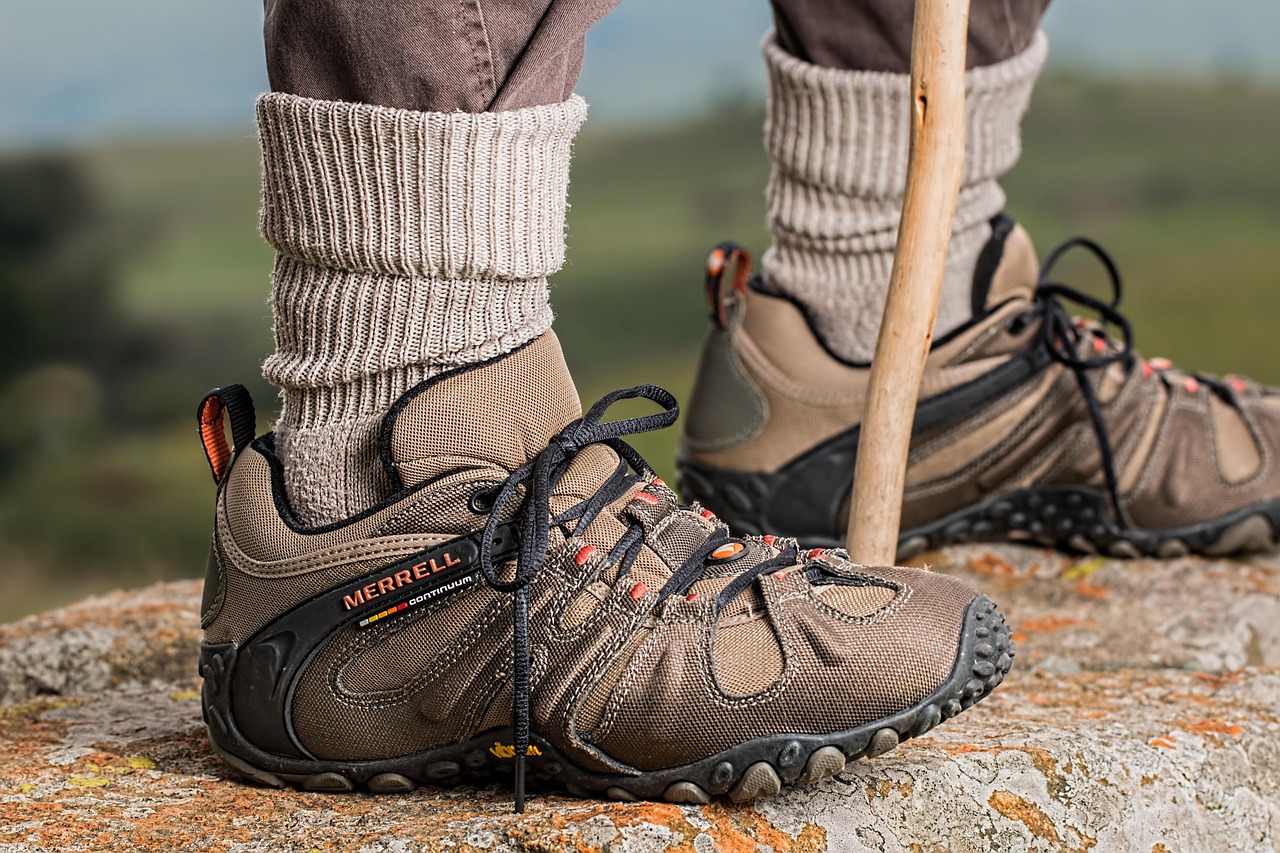
Before embarking on your interval walking journey, proper preparation sets you up for success. Invest in quality walking shoes with adequate cushioning and arch support specific to your foot type. Ill-fitting footwear is the fastest route to discomfort, blisters, and potential injury that could derail your progress.
Choose walking routes carefully, especially when starting out. Flat, even surfaces reduce injury risk while you’re developing proper form and building foundational strength. Parks, tracks, and well-maintained sidewalks offer ideal environments. As your fitness improves, gradually incorporate hills and varied terrain for additional challenge.
Hydration plays a crucial role in exercise performance and recovery. Drink water before, during, and after your walks, especially in warm weather. Dehydration significantly impairs physical performance and can make workouts feel much harder than necessary.
Progressive Training: Building Intensity Over Time 📈
Once you’ve completed two weeks of beginner-level interval walking and feel comfortable with the basic pattern, it’s time to progress. Progression doesn’t necessarily mean walking longer distances; instead, focus on manipulating the intensity and duration of your high-effort intervals.
During weeks three and four, extend your high-intensity intervals from one minute to ninety seconds while reducing recovery periods from two minutes to ninety seconds. This adjustment increases overall workout intensity while maintaining the same total duration, making your limited exercise time work harder for you.
By weeks five and six, consider implementing a pyramid structure: warm up for five minutes, then do intervals of 1-2-3-2-1 minutes of high intensity, with equal recovery periods between each. This varied approach keeps workouts mentally engaging while challenging your body in new ways.
Tracking Your Progress Effectively
Monitoring your improvement provides motivation and helps identify what’s working. Modern fitness tracking technology makes this easier than ever. Smartphone apps can track distance, pace, heart rate, and calories burned, providing valuable data to inform your training decisions.
Beyond digital metrics, pay attention to qualitative improvements. Notice how hills that once left you breathless become manageable. Observe how your recovery periods feel less necessary as cardiovascular fitness improves. These subjective markers often provide more meaningful feedback than numbers alone.
Consider keeping a simple training journal documenting how you felt during and after each walk, any challenges encountered, and small victories achieved. This record becomes invaluable for identifying patterns, maintaining motivation during difficult periods, and celebrating how far you’ve come.
💪 Maximizing Results: Complementary Strategies
While interval walking provides excellent cardiovascular benefits and calorie burning, combining it with complementary approaches amplifies results. Nutrition plays an undeniable role in any fitness transformation. You cannot out-walk a consistently poor diet, but you don’t need perfection either.
Focus on whole, minimally processed foods that provide sustained energy. Adequate protein intake supports muscle recovery and development, while complex carbohydrates fuel your walks. Healthy fats support hormone production and overall cellular function. This balanced approach provides everything your body needs without requiring restrictive dieting.
Sleep often gets overlooked in fitness discussions, yet it’s during rest that your body repairs tissue, consolidates fitness gains, and regulates hormones controlling hunger and metabolism. Prioritize seven to nine hours of quality sleep nightly to maximize the benefits of your walking program.
Strength Training Integration
Adding basic strength exercises two or three times weekly creates remarkable synergy with your walking program. You don’t need elaborate equipment or gym access. Bodyweight exercises like squats, lunges, push-ups, and planks build muscular strength that directly improves walking performance and calorie-burning capacity.
Stronger legs generate more power during high-intensity intervals, allowing you to push harder and achieve better results. Core strength improves posture and walking efficiency, reducing fatigue and injury risk. Upper body strength contributes to proper arm swing, which significantly impacts walking speed and caloric expenditure.
Consider scheduling strength sessions on days between walks or after walking workouts if time permits. This arrangement provides adequate recovery time while maintaining workout consistency throughout the week.
🌟 Overcoming Common Obstacles and Setbacks
Every fitness journey encounters challenges. Weather conditions, schedule conflicts, motivation fluctuations, and unexpected life events can all disrupt even the best-laid plans. Anticipating these obstacles and developing strategies to address them significantly increases long-term success rates.
For weather-related challenges, develop indoor alternatives. Shopping malls often welcome walkers before stores open, providing climate-controlled environments perfect for interval training. Treadmills offer another option, though outdoor walking generally feels more engaging and enjoyable for most people.
When motivation wanes, remember that discipline, not motivation, creates lasting change. Motivation fluctuates constantly, but commitment to scheduled workouts regardless of feelings builds the consistency that generates results. Make walking appointments with yourself as non-negotiable as any other important commitment.
Dealing with Plateaus
Eventually, even interval walking progress may stall. When this happens, avoid frustration and instead view it as an opportunity to reassess and adjust. Sometimes plateaus indicate your body needs additional recovery. Consider taking an easy week with reduced intensity before resuming your regular program.
Other times, plateaus signal the need for greater challenge. Incorporate hills, increase high-intensity interval duration, add a weighted vest, or include more frequent walking sessions. Small modifications often restart progress when you’ve adapted to your current routine.
Remember that weight loss and fitness improvement aren’t always linear. Some weeks show dramatic progress while others seem stagnant despite consistent effort. Trust the process, maintain consistency, and evaluate progress over months rather than days or weeks.
Advanced Techniques for Experienced Walkers 🏃♂️
Once you’ve established a solid interval walking foundation over several months, advanced techniques can push your fitness to new levels. Hill repeats provide exceptional strength and cardiovascular benefits. Find a moderate incline and walk up at high intensity, then recover walking back down. Repeat eight to ten times for a challenging workout.
Tempo walks maintain a consistently challenging pace for extended periods, typically twenty to thirty minutes. This differs from intervals by sustaining elevated intensity rather than alternating. Tempo walks build mental toughness and improve your lactate threshold, the point at which fatigue accumulates rapidly.
Long, slow distance walks once weekly build endurance and provide active recovery from more intense sessions. These walks should feel comfortable and conversational, lasting sixty to ninety minutes, allowing you to accumulate significant mileage without excessive stress.
Race Walking Technique
For those seeking maximum intensity, learning proper race walking technique transforms walking into a genuinely vigorous exercise. Race walking requires keeping one foot in ground contact always while maintaining a straight support leg. This technique allows remarkably fast speeds while technically still walking.
The exaggerated hip rotation and powerful arm drive of race walking engage your entire body, creating a full-body workout that rivals running’s intensity without the same impact stress. Many communities offer race walking clinics or clubs where experienced walkers teach proper technique.
Creating Your Personalized Long-Term Walking Plan 📅
Sustainable fitness requires thinking beyond the initial enthusiasm phase. Design a realistic long-term plan that fits your lifestyle, preferences, and goals. Consider your weekly schedule honestly, identifying which days and times consistently work best for exercise.
Most people achieve best results with four to six walking sessions weekly, mixing interval workouts with easier recovery walks. This frequency provides adequate stimulus for improvement while allowing sufficient recovery. Remember that rest days aren’t lazy; they’re when adaptation and improvement actually occur.
Periodization, varying your training focus throughout the year, prevents burnout and promotes continued progress. Spend several weeks emphasizing high-intensity intervals, then shift focus to building endurance with longer walks, followed by a maintenance phase with moderate effort. This cyclical approach keeps training fresh and effective.
🎉 Celebrating Success and Staying Motivated
Acknowledge and celebrate your achievements, regardless of how small they might seem. Completed your first full week without missing a workout? That deserves recognition. Walked up a hill that previously required stopping? Celebrate that victory. These accumulated small wins create the momentum that carries you toward larger goals.
Consider non-scale victories as equally important as weight loss. Improved energy levels, better sleep quality, reduced stress, enhanced mood, increased stamina, and improved health markers all represent meaningful success that numbers on a scale cannot capture.
Connect with other walkers through local groups, online communities, or by recruiting friends and family to join you. Social support dramatically increases adherence to exercise programs while making workouts more enjoyable. Accountability partners help you stay committed during challenging periods when motivation flags.
Your Journey Starts With a Single Step Forward 👟
Transforming your health through interval-based walking doesn’t require superhuman willpower or unlimited time. It simply requires starting where you are, maintaining consistency, and progressively challenging yourself as fitness improves. The program outlined here provides a proven framework, but remember that your personal journey will be unique.
Some people progress quickly while others need more time to build foundational fitness. Neither approach is wrong; what matters is continuing to move forward at whatever pace suits your body and circumstances. Every walk completed represents an investment in your health, energy, and quality of life.
Begin today with just a ten-minute walk around your neighborhood. Notice how you feel afterward. That sense of accomplishment, that slight increase in energy, that quiet satisfaction of having done something positive for yourself—these feelings multiply and compound as you continue your walking practice. Six months from now, you’ll barely recognize the stronger, healthier, more energized person you’ve become. The transformation starts now, one interval at a time.