Chronic pain affects millions worldwide, limiting movement and diminishing quality of life. Walking offers a gentle, accessible solution that can transform your relationship with pain while rebuilding strength and confidence.

If you’ve been living with persistent discomfort, the idea of exercise might seem daunting or even impossible. However, structured walking programs designed specifically for pain management can provide the relief you’ve been searching for without requiring gym memberships, special equipment, or advanced fitness levels.
🚶 Understanding the Connection Between Walking and Pain Relief
Walking triggers remarkable physiological responses that directly address chronic pain mechanisms. When you walk, your body releases endorphins—natural pain-relieving chemicals that act similarly to morphine but without the side effects. These endorphins interact with receptors in your brain, reducing your perception of pain while simultaneously improving mood.
Beyond endorphins, regular walking improves circulation throughout your body. Enhanced blood flow delivers oxygen and nutrients to damaged tissues while removing inflammatory waste products. This process accelerates healing and reduces the chemical irritation that contributes to ongoing pain sensations.
Joint mobility represents another critical benefit. Contrary to outdated beliefs that rest is best for pain, gentle movement lubricates joints through synovial fluid production. This natural lubrication reduces stiffness and the grinding sensations that many chronic pain sufferers experience, particularly in conditions like osteoarthritis.
The Science Behind Movement and Pain Modulation
Your nervous system possesses an incredible capacity called neuroplasticity—the ability to rewire itself based on experiences. Chronic pain often results from sensitized nerve pathways that overreact to normal stimuli. Consistent, gentle walking helps retrain these pathways, gradually reducing pain sensitivity over time.
Research demonstrates that low-impact aerobic exercise like walking can be as effective as some medications for managing chronic conditions including fibromyalgia, lower back pain, and arthritis. The key lies in consistency and proper progression rather than intensity.
🎯 Starting Your Walking Journey: The First Week Foundation
Beginning any exercise program with chronic pain requires patience and strategic planning. Your first week should focus on establishing baseline tolerance without triggering flare-ups that might discourage continued effort.
Start with just five minutes of slow, deliberate walking. This duration might seem insignificant, but it’s sufficient to begin the healing process while gathering important information about your body’s responses. Walk at a comfortable pace where conversation remains easy—roughly 2-3 on a scale where 10 represents maximum effort.
Choose flat, even surfaces for these initial walks. Sidewalks, indoor tracks, or shopping malls provide ideal environments. Uneven terrain adds complexity that your body isn’t ready to handle during this foundational phase.
Monitoring Your Body’s Signals
Learning to distinguish between discomfort and harmful pain becomes essential. Some muscle fatigue and mild achiness after walking indicates positive adaptation. However, sharp pain, significant swelling, or discomfort lasting more than two hours post-walk signals excessive intensity.
Keep a simple walking journal noting duration, pain levels before and after, and any observations about what helped or hindered. This documentation provides invaluable feedback for adjusting your progression appropriately.
📈 Progressive Advancement: Building Without Breaking
After establishing your baseline tolerance, gradual progression becomes your roadmap to increased capacity. The general rule for safe advancement involves increasing duration by no more than 10-15% weekly. This conservative approach prevents overload while allowing tissues to strengthen.
If you successfully completed five-minute walks throughout week one, aim for six-minute sessions in week two. This seemingly small increment accumulates significantly over time without triggering the boom-bust cycle common among chronic pain sufferers.
| Week | Duration | Frequency | Focus |
|---|---|---|---|
| 1-2 | 5-7 minutes | 3-4 times | Establishing baseline tolerance |
| 3-4 | 8-10 minutes | 4-5 times | Building consistency |
| 5-6 | 12-15 minutes | 5 times | Increasing endurance |
| 7-8 | 15-20 minutes | 5-6 times | Developing routine |
| 9-12 | 20-30 minutes | 5-6 times | Sustaining improvements |
When to Pause and When to Push
Not every day will feel the same with chronic pain. Some mornings you’ll wake feeling capable, while others present significant challenges before you’ve taken a single step. Flexibility within your progression plan prevents discouragement during difficult periods.
On high-pain days, reduce duration by 30-50% rather than skipping entirely. This approach maintains your routine while respecting your body’s current limitations. Conversely, feeling particularly good doesn’t justify doubling your planned duration—stick with gradual increases to avoid setbacks.
👟 Optimizing Your Walking Technique and Environment
Proper walking mechanics significantly impact pain levels and injury prevention. Many people develop compensatory movement patterns due to chronic pain, which can perpetuate discomfort even during beneficial activities like walking.
Focus on maintaining upright posture with shoulders relaxed and pulled slightly back. Your gaze should project forward rather than down at your feet. Engage your core muscles gently to support your spine without creating tension.
Each step should involve heel-to-toe contact, rolling smoothly through your foot. Avoid shuffling or taking excessively long strides, both of which increase joint stress. Your arms should swing naturally in opposition to your legs, promoting balance and rhythm.
Footwear That Supports Recovery
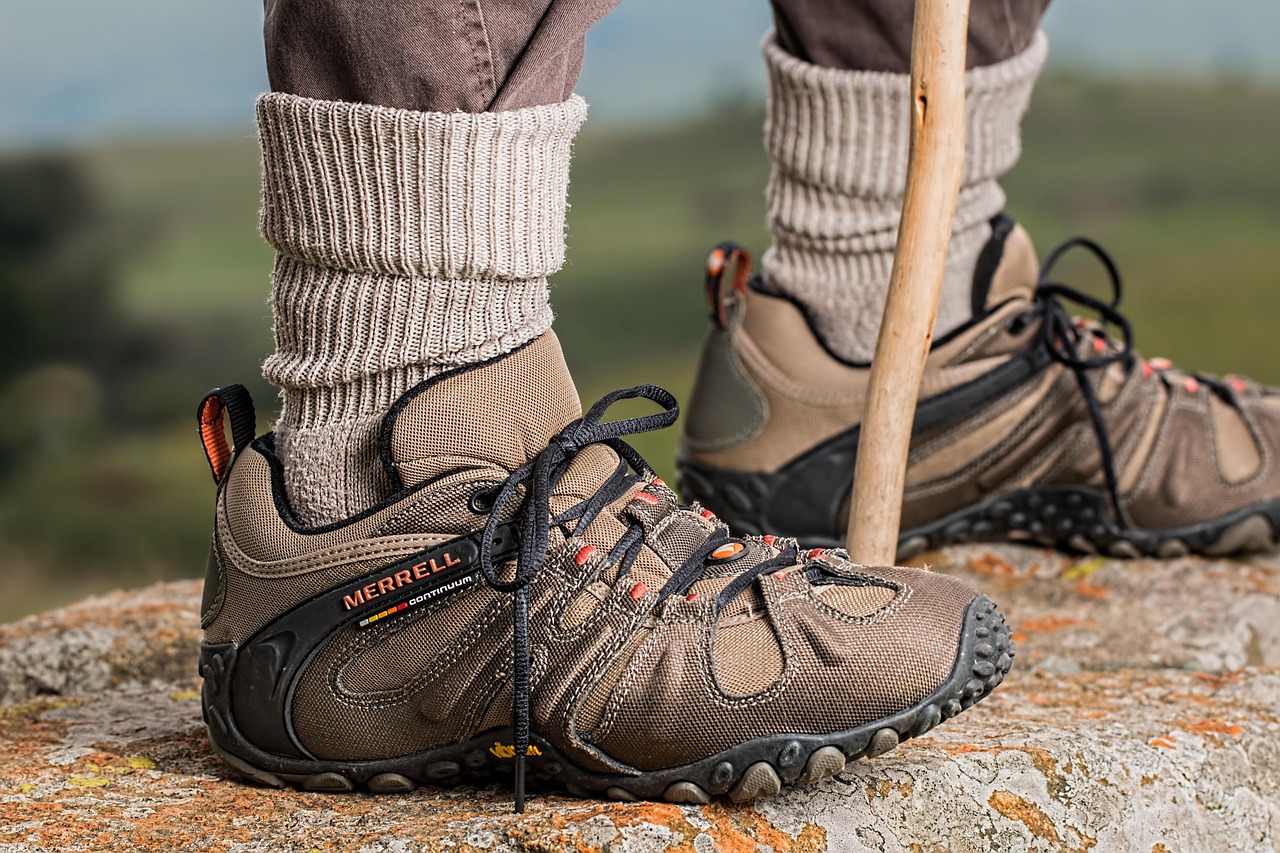
Investing in appropriate walking shoes represents one of the most important decisions for pain management success. Proper footwear provides cushioning, arch support, and stability tailored to your specific foot mechanics.
Visit a specialty running or walking store where staff can analyze your gait and recommend suitable options. Replace shoes every 300-500 miles or when cushioning compresses noticeably. Worn footwear loses shock-absorption capacity, transferring more impact to vulnerable joints.
💪 Complementary Strategies to Enhance Walking Benefits
While walking forms the foundation of your pain management program, several complementary approaches amplify benefits and address recovery between sessions.
Gentle stretching before and after walks prepares muscles and joints for activity while promoting flexibility. Focus on major muscle groups including calves, hamstrings, quadriceps, and hip flexors. Hold each stretch for 20-30 seconds without bouncing, breathing deeply throughout.
Hydration plays a crucial role in joint health and pain management. Cartilage contains significant water content, and dehydration reduces cushioning capacity. Aim for half your body weight in ounces daily—a 160-pound person should consume approximately 80 ounces of water.
Recovery Techniques That Matter
Quality sleep represents perhaps the most underappreciated component of pain management. During deep sleep, your body repairs damaged tissues and regulates inflammatory processes. Prioritize 7-9 hours nightly, maintaining consistent sleep and wake times even on weekends.
Ice or heat application post-walk can provide additional relief. Ice reduces inflammation and numbs acute pain, while heat relaxes muscles and increases blood flow. Experiment with both to determine which provides better results for your specific condition.
🧠 The Mental Game: Cultivating Consistency Through Challenges
Physical progression represents only half the equation when managing chronic pain through walking. Mental resilience determines whether you’ll maintain the consistency required for lasting improvements or abandon the program during inevitable difficult periods.
Establish clear, realistic goals that extend beyond pain reduction. Perhaps you want to walk through your local farmers market without exhaustion, play with grandchildren, or simply regain independence for daily errands. These meaningful objectives provide motivation when discomfort tempts you to quit.
Build accountability through walking partners, whether human companions or a dedicated app. Social support increases adherence significantly, transforming solitary exercise into enjoyable connection. Apps can track progress, send reminders, and celebrate milestones that might otherwise go unnoticed.
Reframing Setbacks as Information
Flare-ups will occur regardless of careful progression. Rather than viewing these episodes as failures, treat them as valuable feedback. What changed before the setback? Did you increase duration too quickly? Skip rest days? Encounter unusual stress?
Document these patterns in your walking journal. Over time, you’ll identify personal triggers and protective factors, enabling proactive adjustments that minimize future setbacks. This investigative approach transforms frustration into empowerment.
🌟 Tracking Improvements Beyond Pain Reduction
While decreased pain motivates most people to begin walking programs, numerous additional benefits emerge that deserve recognition and celebration. Acknowledging these improvements sustains motivation during plateaus in pain reduction.
Improved sleep quality often appears within the first few weeks. Regular physical activity regulates circadian rhythms and reduces anxiety that interferes with rest. Better sleep, in turn, enhances pain tolerance and mood—creating a positive feedback loop.
Cardiovascular fitness increases gradually but measurably. You’ll notice stairs that once left you breathless become manageable. Heart rate during walks decreases for the same pace, indicating improved efficiency. These changes reduce risks for numerous chronic diseases beyond pain conditions.
Cognitive and Emotional Transformations
Depression and anxiety frequently accompany chronic pain, creating a challenging cycle where mental health affects pain perception and vice versa. Walking breaks this cycle through multiple mechanisms including endorphin release, improved self-efficacy, and reduced isolation.
Many walkers report enhanced mental clarity and creativity during and after walks. This cognitive boost results from increased blood flow to the brain and the meditative quality of rhythmic movement. Some people use walking time for problem-solving or practicing mindfulness.
🔄 Adapting Your Program for Different Pain Conditions
While the general progression framework applies broadly, specific pain conditions benefit from targeted modifications. Understanding how to adjust walking programs for your particular situation optimizes results while minimizing risks.
Lower Back Pain Considerations
If lower back pain represents your primary concern, emphasize core engagement during walks. Imagine drawing your navel gently toward your spine without holding your breath. This subtle activation protects spinal structures while building endurance in stabilizing muscles.
Avoid excessive forward lean or arching. Some people find slight backward pelvic tilts reduce discomfort by opening spinal spaces. Experiment with posture adjustments during short walks to identify your optimal alignment.
Arthritis and Joint-Specific Strategies
Arthritic joints benefit from movement but require extra attention to load management. Morning stiffness often improves with gentle activity, though you might need brief warm-up exercises before walking. Consider starting with ankle circles, knee bends, and hip rotations.
Timing walks for when pain medication reaches peak effectiveness can extend comfortable duration. Track patterns to identify your personal optimal windows for activity. Some people find mid-morning or early evening works best.
Fibromyalgia and Widespread Pain
Fibromyalgia presents unique challenges due to post-exertional malaise—symptom worsening following activity. Even shorter initial durations (2-3 minutes) might be necessary, with progression occurring over months rather than weeks.
Water walking or pool-based programs offer excellent alternatives for severe fibromyalgia. Buoyancy reduces joint stress while providing gentle resistance. Many community centers and gyms offer accessible pool access specifically for therapeutic exercise.

🎉 Celebrating Milestones and Sustaining Long-Term Success
After several months of consistent walking, you’ll have accumulated significant improvements worth acknowledging. Celebrating milestones reinforces positive behaviors and provides evidence that your efforts generate real results.
Set specific markers beyond duration—perhaps walking to a favorite coffee shop that previously felt too distant, completing a local charity walk, or maintaining your program through challenging seasons. Document these achievements with photos, journal entries, or shared celebrations with supporters.
Long-term success requires transitioning from structured progression to sustainable lifestyle integration. Walking becomes not just therapy but an enjoyable daily ritual you’d miss if circumstances prevented it. This shift from obligation to preference marks true program success.
Periodically reassess your routine to prevent stagnation. Add variety through new routes, nature trails, or walking meditation practices. Join walking groups to expand social connections while maintaining physical activity. These adjustments keep the practice fresh and engaging for years to come.
Remember that consistency matters more than intensity when managing chronic pain through walking. Missing a day doesn’t erase previous progress—simply resume your routine without guilt or compensatory overexertion. Your body responds to patterns over time, not perfection on any single day.
As you continue this journey, you’re not just managing pain but reclaiming capabilities and confidence that chronic discomfort had stolen. Each step forward represents resilience, self-care, and the profound healing capacity your body possesses when given appropriate movement opportunities. Step into the relief waiting for you—one careful, consistent walk at a time. 🌈