Your feet carry you through life, yet they’re often the most neglected part of your body. When ankle and foot mobility becomes compromised, every step can feel like a challenge, affecting not just your walking but your entire quality of life.

Whether you’re experiencing morning stiffness, nagging discomfort after long days, or struggling with limited range of motion, improving your ankle and foot mobility can transform how you move through the world. Understanding the connection between mobility, strength, and pain-free movement is the first step toward reclaiming comfort in every stride.
🦶 Why Ankle and Foot Mobility Matters More Than You Think
Your ankles and feet contain 26 bones, 33 joints, and over 100 muscles, tendons, and ligaments combined. This complex structure serves as your body’s foundation, absorbing impact with every step and adapting to uneven surfaces. When mobility becomes restricted, the effects ripple upward through your entire kinetic chain.
Limited ankle dorsiflexion—the ability to bring your shin toward your foot—forces compensation patterns that stress your knees, hips, and lower back. Similarly, restricted foot mobility can alter your gait pattern, leading to imbalances that manifest as pain in unexpected places. Many people spend years treating knee or hip issues without realizing the root cause lies in their immobile ankles.
Modern lifestyles contribute significantly to these problems. Hours spent in restrictive footwear, prolonged sitting, and limited varied movement patterns create a perfect storm for stiffness and dysfunction. The good news? With targeted attention, you can restore mobility and rediscover what pain-free walking truly feels like.
Common Culprits Behind Restricted Mobility
Understanding what limits your ankle and foot mobility helps you address the specific issues affecting your movement. Several factors commonly contribute to stiffness and discomfort:
Footwear Choices That Constrain Natural Movement
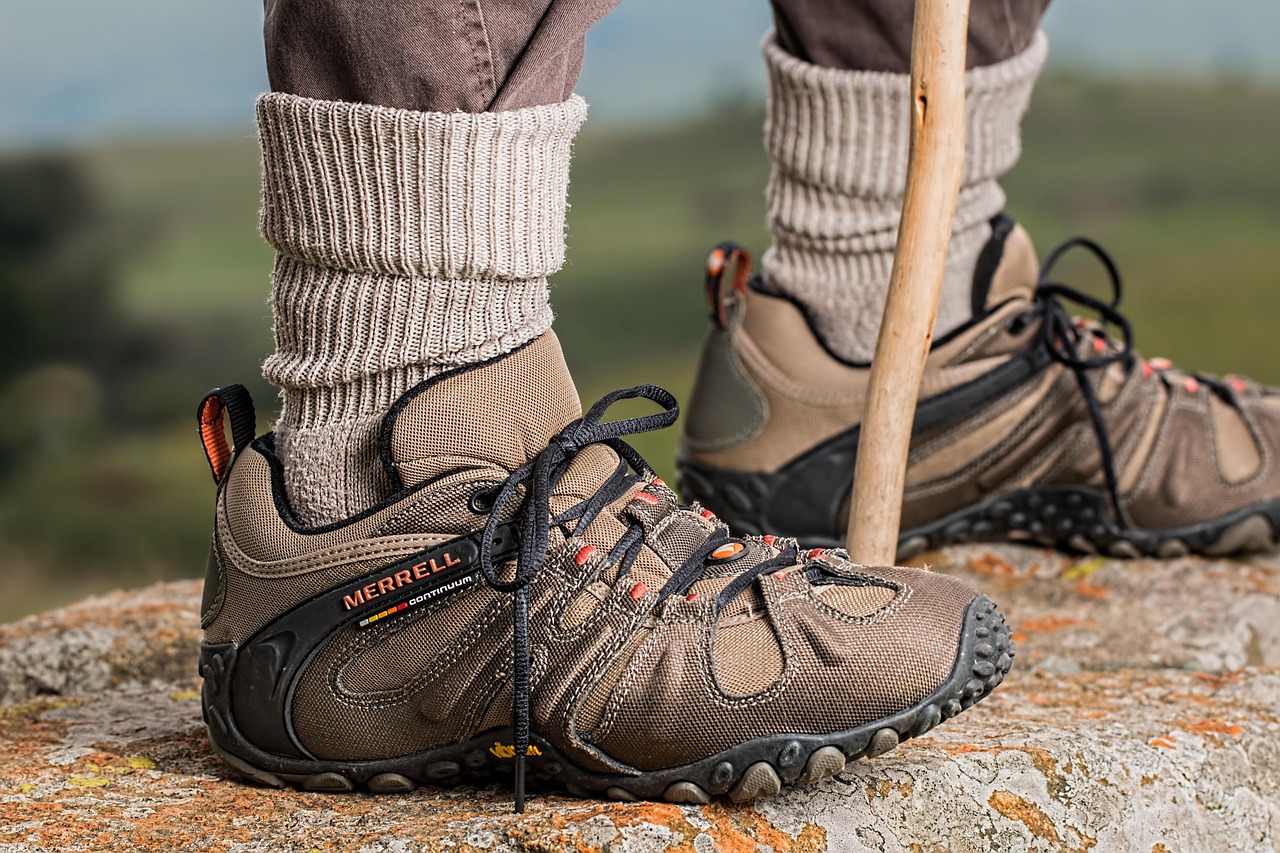
Shoes with elevated heels, narrow toe boxes, and rigid soles fundamentally alter how your feet function. High heels shorten your Achilles tendon over time, while cushioned shoes prevent your feet from developing natural strength and proprioception. Even athletic shoes, though well-intentioned, can restrict the natural spreading and flexing your feet need to maintain mobility.
Previous Injuries and Scar Tissue Formation
Ankle sprains remain one of the most common injuries, yet many people never properly rehabilitate them. Each sprain creates scar tissue that, without proper mobility work, restricts range of motion and increases the likelihood of future injuries. This creates a vicious cycle where limited mobility leads to instability, which leads to more injuries.
Sedentary Habits and Muscular Imbalances
Sitting for extended periods keeps your ankles in a neutral position, allowing the muscles and connective tissues to adapt to this limited range. Meanwhile, muscular imbalances develop when certain muscles become overactive while others weaken, pulling your joints out of optimal alignment and restricting movement patterns.
✨ The Foundation: Assessing Your Current Mobility
Before jumping into exercises, understanding your baseline mobility helps you track progress and identify specific limitations. These simple assessments require no equipment and can be done in minutes.
The dorsiflexion wall test measures ankle mobility directly. Stand facing a wall with your toes about five inches away. Keeping your heel flat, try to touch your knee to the wall without your heel lifting. If you can’t reach the wall, your dorsiflexion needs work. Measure the maximum distance you can achieve and test both sides—asymmetries often reveal old injuries or compensation patterns.
For foot mobility, try the toe splay test. While sitting or standing, attempt to spread your toes apart without using your hands. Many people discover they’ve lost this fundamental ability, indicating restricted intrinsic foot muscles. The ability to lift just your big toe while keeping others down, and vice versa, tests the independent control of foot muscles crucial for balance and stability.
Walking barefoot on varied surfaces provides insight into proprioception and adaptability. If you feel unstable, overly cautious, or experience discomfort on textured surfaces, your feet have likely lost some of their natural sensitivity and adaptive capacity.
Building Mobility: Targeted Exercises That Deliver Results
Effective mobility work combines multiple approaches—stretching tight tissues, strengthening weak muscles, and retraining movement patterns. Consistency matters more than intensity; brief daily practice outperforms occasional marathon sessions.
Ankle Mobility Drills for Increased Range
Ankle circles seem simple but deliver powerful benefits when performed mindfully. Sit comfortably and trace the largest circles possible with your foot, moving slowly through the entire range of motion. Perform 10 circles in each direction per foot, focusing on smooth, controlled movement rather than speed.
The half-kneeling ankle mobilization specifically targets dorsiflexion. Kneel with one foot forward, knee bent at 90 degrees. Keeping your heel planted, gently push your knee forward past your toes, feeling a stretch in your ankle and calf. Hold for two seconds, return, and repeat 10-15 times. To progress, move your foot further from the wall or add a light weight.
Banded ankle distractions use resistance bands to create joint space and improve mobility. Loop a band around a sturdy post at ankle height, then around your ankle. Step back to create tension and perform lunges or ankle circles. The traction helps mobilize joint capsule restrictions that stretching alone can’t address.
Foot Strengthening for Stable Foundation
Toe yoga isolates individual toe movements to restore motor control. Practice lifting just your big toe while keeping others down, then lift the four smaller toes while keeping the big toe planted. This seemingly simple exercise challenges dormant neural pathways and activates intrinsic foot muscles.
Short foot exercises create your foot’s natural arch. While sitting or standing, attempt to shorten your foot by drawing the ball of your foot toward your heel without curling your toes. This activates the deep intrinsic muscles that support your arch and stabilize your foot during movement.
Towel scrunches build strength throughout the foot. Place a towel flat on the floor and use your toes to scrunch it toward you. For added resistance, place a weight on the towel’s far end. Progress to performing this exercise while standing, which adds balance challenges and functional carryover.
🎯 Dynamic Movements for Functional Integration
Calf raises with full range of motion strengthen the muscles that control ankle movement. Stand on a step with your heels hanging off the edge. Lower your heels below the step level for a deep stretch, then rise onto your toes as high as possible. Perform 15-20 repetitions, progressing to single-leg variations as strength improves.
Heel walking and toe walking challenge your ankles through extreme ranges. Walk on your heels for 30 seconds, keeping your toes lifted high, then walk on your toes with heels elevated. These exercises strengthen the muscles at end ranges where many people lack both strength and control.
Balance training on unstable surfaces forces your ankles and feet to constantly adapt and stabilize. Start with simple single-leg standing on firm ground, progressing to foam pads or balance boards. Challenge yourself further by closing your eyes or adding upper body movements.
The Soft Tissue Component: Release and Recovery
Mobility work extends beyond exercises to include releasing tight, restricted tissues that limit movement. Self-myofascial release techniques complement your mobility practice and accelerate progress.
Rolling the bottom of your foot over a lacrosse ball or similar firm object releases the plantar fascia and intrinsic foot muscles. Spend 1-2 minutes per foot, applying moderate pressure and pausing on tender spots. This practice not only improves foot mobility but can alleviate heel pain and arch discomfort.
Calf rolling addresses tightness in the gastrocnemius and soleus muscles that directly limit ankle dorsiflexion. Use a foam roller or stick, working from just above the ankle to below the knee. Cross one leg over the other to increase pressure, and flex and point your foot while rolling to access different tissue layers.
Manual ankle mobilizations can be performed with your hands or with a partner’s assistance. While seated, grasp your foot and gently oscillate it through various ranges of motion—dorsiflexion, plantarflexion, inversion, and eversion. These controlled movements provide joint nutrition and gradually expand available range.
💪 Creating Your Daily Mobility Routine
Sustainable progress requires integrating mobility work into your daily life rather than treating it as an occasional project. A well-structured routine takes just 10-15 minutes but delivers transformative results over weeks and months.
Morning routines capitalize on your body’s naturally stiff state. Begin with gentle ankle circles and foot flexing while still in bed. Progress to seated toe yoga and standing calf stretches. This primes your feet and ankles for the day ahead and reduces morning stiffness.
Evening sessions focus on releasing accumulated tension. After removing your shoes, spend time rolling your feet and calves. Perform longer holds in stretching positions, allowing your nervous system to relax and your tissues to lengthen. This ritual signals your body to transition toward rest and recovery.
Movement snacks throughout the day prevent stiffness from accumulating. Set hourly reminders to perform ankle circles at your desk, practice toe spreading during breaks, or remove your shoes and walk barefoot on varied surfaces. These brief interventions maintain mobility despite otherwise sedentary days.
🏃 From Mobility to Movement: Walking with Confidence
Improved mobility only translates to pain-free walking when you retrain your gait patterns. Many people maintain compensatory movement habits even after regaining range of motion, limiting the real-world benefits of their mobility work.
Conscious walking practice helps integrate new movement capabilities. Focus on landing softly on your heel, rolling through your entire foot, and pushing off through your toes. Your ankle should dorsiflex as your shin comes forward, then plantarflex powerfully as you push off. This complete range of motion distributes forces evenly and prevents localized stress.
Varied terrain challenges your ankles and feet to adapt constantly. Seek out grass, sand, gravel, and uneven surfaces when possible. These environments force micro-adjustments that build strength, stability, and proprioception far beyond what flat, paved surfaces provide.
Walking barefoot or in minimalist footwear allows your feet to function as designed. Start gradually with just a few minutes on safe surfaces, progressively increasing duration as your feet adapt. The sensory feedback and natural movement patterns strengthen your feet in ways traditional shoes never can.
Avoiding Common Mistakes That Stall Progress
Even well-intentioned mobility work can miss the mark if you fall into common traps. Awareness of these pitfalls helps you maximize your efforts and avoid frustration.
Pushing too aggressively into painful ranges creates protective muscle guarding that actually reduces mobility. Work at the edge of discomfort—a stretching sensation—but never into sharp pain. Your nervous system must feel safe to allow increased range; pain signals danger and triggers restriction.
Inconsistent practice prevents adaptation. Your body responds to regular stimuli; sporadic intensive sessions can’t replace daily moderate practice. Even five minutes daily outperforms occasional hour-long sessions for building lasting mobility improvements.
Ignoring bilateral differences allows compensation patterns to persist. Always assess and work both sides, giving extra attention to the more restricted side. Asymmetries increase injury risk and create inefficient movement patterns that can cause pain elsewhere in your body.
📊 Tracking Progress and Staying Motivated
Mobility improvements often occur gradually, making progress hard to perceive without objective measures. Tracking creates motivation through visible evidence of your efforts paying off.
Monthly reassessments using the same tests from your baseline evaluation quantify improvements. Measure your dorsiflexion wall test distance, photograph your toe splay capability, and note subjective feelings during walking. Seeing concrete improvements reinforces your commitment to consistent practice.
Photo documentation captures changes that measurements might miss. Monthly photos of your feet from various angles, your squat depth, or single-leg balance positions reveal improvements in form and capability that keep motivation high during plateaus.
Functional milestones provide meaningful progress markers. Perhaps you can now walk longer distances without discomfort, navigate stairs more easily, or participate in activities that were previously painful. These real-world improvements matter more than any test and demonstrate the practical value of your mobility work.
When to Seek Professional Guidance
While self-directed mobility work helps most people significantly, certain situations warrant professional evaluation and treatment. Recognizing when to seek help prevents minor issues from becoming chronic problems.
Persistent pain that doesn’t improve with rest and mobility work may indicate structural issues requiring diagnosis. Sharp, localized pain, swelling that doesn’t resolve, or symptoms that worsen with appropriate exercises all signal the need for professional assessment from a physical therapist or sports medicine physician.
Previous significant injuries—major sprains, fractures, or surgeries—benefit from guided rehabilitation. A physical therapist can identify specific restrictions and compensations unique to your injury history, providing targeted interventions that self-treatment might miss.
Plateau despite consistent effort sometimes indicates you need external assessment. A professional can spot movement faults, identify hidden restrictions, or provide manual therapy techniques that unlock progress when your self-directed efforts stall.
Living the Mobile Life: Beyond Exercises
True ankle and foot health extends beyond dedicated exercise sessions into lifestyle choices that either support or undermine your mobility efforts. Small daily decisions accumulate into significant long-term effects.
Footwear choices represent one of the most impactful decisions you make multiple times daily. Prioritize shoes with wide toe boxes that allow natural toe splay, minimal heel-to-toe drop that doesn’t shorten your Achilles tendon, and flexible soles that permit natural foot movement. Save restrictive footwear for occasions when absolutely necessary.
Incorporating more barefoot time at home allows your feet to move naturally and build strength. Start with short periods on safe surfaces, gradually increasing as your feet adapt. Even simply removing shoes while working at home provides benefits that accumulate over time.
Active recovery practices like contrast baths, where you alternate between warm and cold water, promote circulation and reduce inflammation. Self-massage, foam rolling, and stretching before bed support tissue recovery and maintain gains from your mobility work.
🌟 Your Path to Pain-Free Movement
Transforming your ankle and foot mobility doesn’t require expensive equipment or hours of daily practice. It demands consistency, patience, and a commitment to treating your feet as the remarkable structures they are rather than neglected body parts stuffed into shoes.
Start where you are, with honest assessment of your current capabilities. Implement a simple daily routine that fits your schedule, focusing on quality of movement over quantity of exercises. Progress gradually, celebrating small wins while maintaining perspective on the long-term journey toward optimal mobility.
Your feet carry you through life—they deserve the attention and care that enable them to perform this crucial role pain-free. With improved ankle and foot mobility, each step becomes lighter, daily activities grow easier, and you reclaim the freedom of movement that makes life truly enjoyable. The journey of a thousand miles begins with a single step, but that step should be comfortable, stable, and pain-free.