Your body is the ultimate gym, carrying everything you need to build real, functional strength. Bodyweight training strips away the complexity of machines and weights, returning you to the fundamentals of human movement and authentic athletic power.

For centuries, warriors, gymnasts, and martial artists have relied on bodyweight exercises to develop extraordinary physical capabilities. Today, this timeless approach is experiencing a renaissance as people discover that building strength doesn’t require expensive equipment or gym memberships—just commitment, proper technique, and a progressive approach to training.
🏋️ The Revolutionary Power of Training Without Weights
Bodyweight training represents more than just a convenient alternative to traditional weightlifting. It fundamentally changes how you relate to your physical capabilities, teaching you to master your own mass through space with precision and control. This approach develops a unique combination of strength, mobility, and body awareness that machines simply cannot replicate.
When you perform a push-up, pull-up, or squat using only your bodyweight, you’re engaging dozens of stabilizer muscles that work in harmony to control the movement. This creates functional strength that translates directly to real-world activities, sports performance, and injury prevention. Unlike isolation exercises that target single muscle groups, bodyweight movements are inherently compound, training your body to work as an integrated system.
The neural adaptations that occur through bodyweight training are particularly remarkable. Your nervous system learns to coordinate complex movement patterns, improving proprioception and spatial awareness. This mind-muscle connection becomes increasingly refined, allowing you to execute movements with greater efficiency and less wasted energy.
Building Your Foundation: Essential Movement Patterns
Every effective bodyweight program is built upon fundamental movement patterns that humans have performed throughout evolutionary history. These patterns form the foundation from which all advanced skills emerge, and mastering them is non-negotiable for long-term progress and injury prevention.
The Push Pattern: Developing Upper Body Power
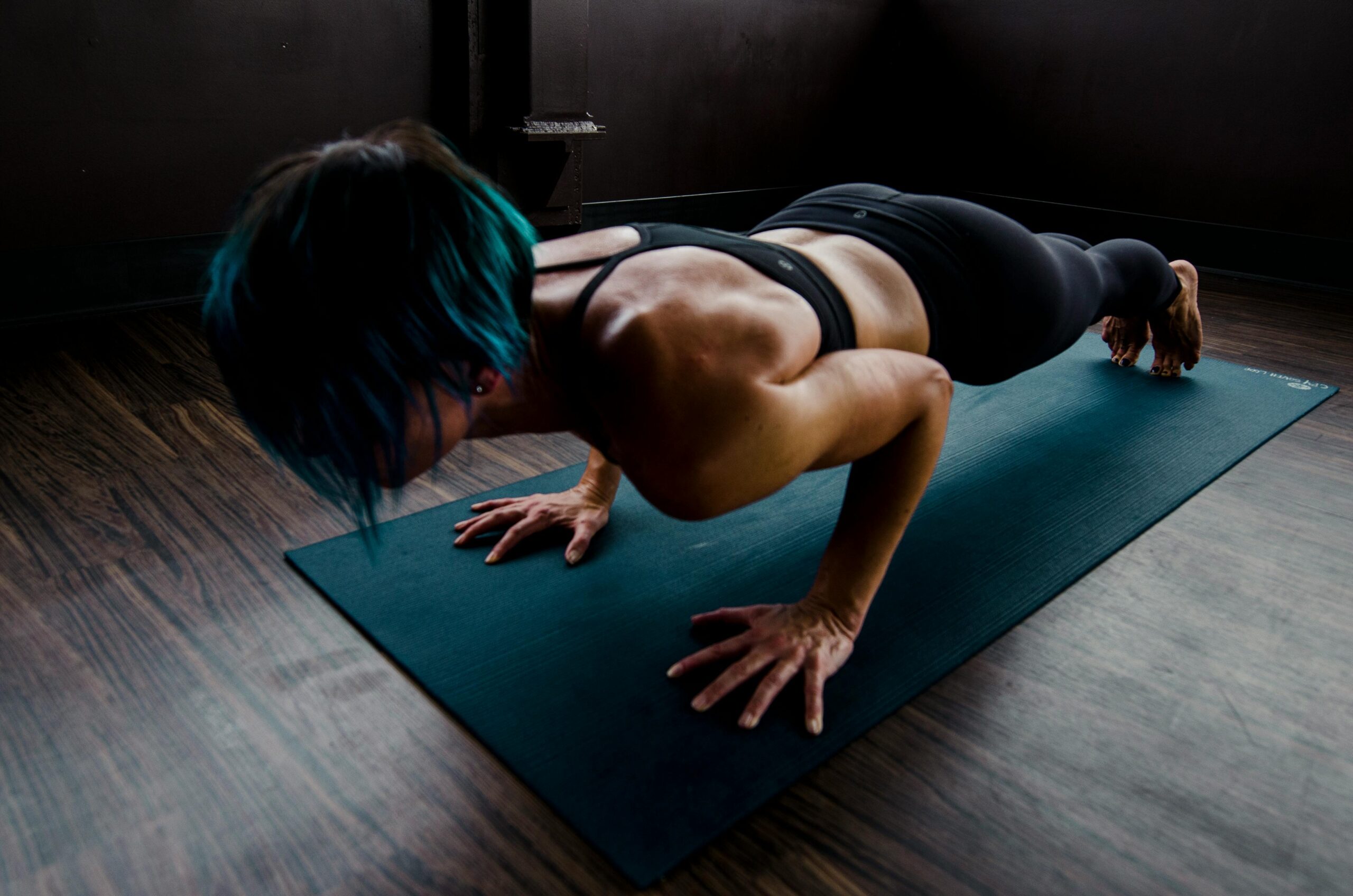
Pushing movements develop the chest, shoulders, and triceps while teaching scapular control and core stability. The standard push-up serves as the gateway exercise, but variations ranging from incline push-ups for beginners to one-arm push-ups for advanced practitioners ensure continuous progression.
Focus on maintaining a rigid body line from head to heels, engaging your core throughout the movement. Your elbows should track at approximately 45 degrees from your torso—not flared wide—to protect your shoulder joints. Lower yourself with control until your chest nearly touches the ground, then press back up explosively while maintaining tension throughout your entire body.
The Pull Pattern: Creating Balanced Upper Body Strength
Pull-ups and their variations develop the back, biceps, and grip strength while counterbalancing the push movements. Many beginners struggle with pulls initially, but systematic progression through easier variations makes them achievable for virtually anyone willing to put in the work.
Start with horizontal rows using a sturdy table or low bar, gradually increasing the difficulty by lowering the bar height. Progress to assisted pull-ups using resistance bands or by keeping one foot on a chair. Eventually, work toward full pull-ups with chin over the bar, maintaining smooth control throughout both the ascending and descending phases.
The Squat Pattern: Building Lower Body Foundation
Squatting movements strengthen the entire lower body while improving hip mobility and ankle flexibility. The bodyweight squat teaches proper movement mechanics that protect your knees and lower back while maximizing muscle activation in the quadriceps, hamstrings, and glutes.
Descend by simultaneously bending at the hips and knees, keeping your chest elevated and weight distributed through your entire foot. Your knees should track in line with your toes, and you should aim for depth where your hip crease drops below your knee line. This full range of motion maximizes muscle development and maintains joint health.
The Hinge Pattern: Posterior Chain Development
Hip hinge movements target the posterior chain—hamstrings, glutes, and lower back—which is often underdeveloped in modern sedentary lifestyles. Single-leg Romanian deadlifts, glute bridges, and Nordic curls all utilize the hinge pattern to build strength and resilience in these critical muscle groups.
The hinge begins with pushing your hips backward while maintaining a neutral spine. Your torso tips forward as your hips move back, creating tension through the back of your legs. This movement pattern is essential for athletic performance and protects your spine during everyday lifting activities.
🎯 Progressive Overload: The Science of Getting Stronger
The principle of progressive overload remains the cornerstone of all strength development, regardless of whether you’re lifting weights or working with bodyweight. Your body adapts to the demands placed upon it, so continually increasing those demands is essential for continued progress.
With bodyweight training, progressive overload manifests through several variables. You can increase repetitions, performing more reps of the same exercise. You can slow down the tempo, particularly the eccentric (lowering) phase, to increase time under tension. You can reduce leverage by changing body position, making exercises more challenging without adding external load.
Advanced variations provide virtually unlimited progression potential. A standard push-up evolves into archer push-ups, then pseudo planche push-ups, then full planche push-ups. Each progression requires significantly more strength while maintaining the fundamental pushing pattern. This systematic approach ensures you never plateau, always having a more challenging variation to pursue.
Designing Your Transformative Training Program
An effective bodyweight program balances all movement patterns, provides adequate recovery, and progresses systematically toward clear goals. Structure is important, but flexibility to adapt based on how your body responds is equally crucial for long-term success.
Weekly Training Split for Balanced Development
A three to four day per week schedule provides excellent results for most people while allowing sufficient recovery between sessions. Alternate between upper body focused days and lower body focused days, or utilize full-body sessions if training three times weekly.
Each session should begin with a thorough warm-up including joint mobility work and dynamic stretching. Progress to skill practice for any technical movements you’re developing, such as handstand holds or muscle-up progressions. Then complete your main strength work, finishing with supplementary exercises and a cool-down.
Set and Repetition Schemes for Different Goals
For building maximum strength, work in the 3-6 repetition range using difficult progressions that challenge you within that window. Rest 3-5 minutes between sets to allow full recovery of your nervous system. This approach develops neural efficiency and recruits high-threshold motor units.
For muscle growth (hypertrophy), perform 8-15 repetitions per set with 60-90 seconds rest between sets. This creates metabolic stress and mechanical tension that drives muscle adaptation. Select progressions that challenge you within this rep range, adjusting difficulty as needed.
For muscular endurance, perform higher repetitions (15-30+) with shorter rest periods (30-60 seconds). This builds work capacity and improves your body’s ability to clear metabolic byproducts during sustained effort.
📱 Tracking Progress and Staying Accountable
Monitoring your training creates awareness of patterns, highlights what’s working, and reveals areas needing adjustment. A simple training log noting exercises, sets, reps, and how you felt provides invaluable data over time.
Many fitness enthusiasts find that dedicated training apps help maintain consistency and structure. Apps designed for bodyweight training can provide programmed routines, track your progression, and offer video demonstrations of proper technique.
Beyond digital tracking, periodic video recording of your exercises provides objective feedback on your form and technique. What feels right doesn’t always look right, and video reveals compensations or technical flaws that may limit your progress or increase injury risk.
💪 Advanced Skills: Pushing Beyond the Basics
Once you’ve established solid proficiency in fundamental movements, advanced bodyweight skills offer exciting challenges that showcase impressive strength-to-weight ratios and body control. These skills require dedicated practice but are achievable by anyone willing to invest the time and effort.
The Handstand: Mastering Inverted Balance
The freestanding handstand represents the pinnacle of bodyweight shoulder strength and balance. Begin with wall-supported handstands, gradually reducing wall contact as your confidence and strength improve. Practice handstand holds for time, working toward 60 seconds of consistent balance.
Handstand push-ups add a dynamic strength component, requiring tremendous shoulder and tricep power. Start with pike push-ups or wall-assisted handstand push-ups before progressing to freestanding versions. This movement builds shoulder stability and pressing strength that transfers to all upper body activities.
The Muscle-Up: Combining Pull and Push
The muscle-up transitions from a pull-up into a dip position in one fluid motion, requiring explosive pulling strength and technical coordination. Master strict pull-ups and dips independently before attempting muscle-ups. Focus on developing a powerful pull that brings your chest to the bar, then practice the transition movement using resistance bands or a low bar.
The Pistol Squat: Single-Leg Strength and Balance
Pistol squats—single-leg squats to full depth—demand significant leg strength, balance, and mobility. Progress through assisted variations using a suspension trainer or counterweight before attempting unsupported pistols. This exercise builds tremendous functional leg strength while exposing and correcting side-to-side imbalances.
The Planche and Front Lever: Straight Arm Strength
These advanced static holds showcase extraordinary straight-arm pressing and pulling strength respectively. Both require months or years of dedicated training but provide clear progression ladders through tuck, advanced tuck, straddle, and full variations. These skills develop impressive core strength, shoulder stability, and total body tension control.
🧘 The Mind-Body Connection in Bodyweight Training
Bodyweight training cultivates a profound awareness of your body’s position and movement through space. This proprioceptive development extends far beyond the training session, improving how you move throughout daily life and reducing injury risk during all physical activities.
The focused concentration required to maintain proper form and execute challenging movements creates a meditative quality to training. Unlike mindlessly counting reps on a machine, bodyweight exercises demand present-moment awareness. This mental engagement reduces stress, improves focus, and creates a form of moving meditation.
Many practitioners report improved body image and self-confidence through bodyweight training. As you master increasingly challenging movements, you develop respect for your body’s capabilities rather than fixating on aesthetic concerns. This shift from appearance-focused to performance-focused training often leads to more sustainable fitness practices and greater overall satisfaction.
Nutrition Strategies to Support Your Training
Your body requires proper fuel to build strength, recover from training, and perform optimally. While bodyweight training doesn’t burn calories at the extreme rates of some other activities, your nutrition significantly impacts your results and recovery capacity.
Protein intake deserves particular attention, as this macronutrient provides the building blocks for muscle repair and growth. Aim for approximately 1.6-2.2 grams of protein per kilogram of bodyweight daily, distributed across multiple meals. Quality sources include lean meats, fish, eggs, dairy, legumes, and protein supplements when convenient.
Carbohydrates fuel high-intensity training sessions and replenish muscle glycogen stores. Don’t fear carbs—they’re essential for performance and recovery. Focus on whole food sources like rice, potatoes, oats, and fruits, timing larger portions around your training sessions for optimal energy and recovery.
Healthy fats support hormone production, joint health, and overall wellness. Include sources like avocados, nuts, seeds, olive oil, and fatty fish regularly in your diet. These fats also increase meal satisfaction and help you maintain consistent energy levels throughout the day.
🛡️ Injury Prevention and Longevity in Training
Sustainable progress requires protecting your body from injury through intelligent programming, proper technique, and adequate recovery. The most common training mistakes involve progressing too quickly, neglecting mobility work, and training through pain.
Joint preparation exercises should precede every training session, taking your ankles, knees, hips, shoulders, and wrists through controlled ranges of motion. This increases synovial fluid production, improves tissue temperature, and prepares your nervous system for the work ahead. Spend 5-10 minutes on mobility work—it’s time well invested.
Listen to your body’s signals and distinguish between productive discomfort and warning pain. Muscle fatigue and mild soreness indicate effective training. Sharp pain, joint discomfort, or pain that worsens during a set signals potential injury. When experiencing warning signs, reduce intensity, modify the exercise, or rest as needed.
Deload weeks—planned periods of reduced training volume and intensity—allow accumulated fatigue to dissipate and adaptations to consolidate. Every 4-6 weeks, reduce your training volume by 40-50% for one week. This strategic recovery prevents overtraining and sets you up for continued progress.
Creating Your Personalized Training Environment
One of bodyweight training’s greatest advantages is minimal equipment requirements, but a few simple tools expand your exercise options considerably. A pull-up bar provides access to all vertical pulling variations. Gymnastic rings offer unstable pushing and pulling exercises that dramatically increase difficulty and muscle activation.
Resistance bands serve multiple purposes: assisting difficult exercises like pull-ups, adding resistance to movements like push-ups, and facilitating mobility work. A set of light, medium, and heavy bands costs minimal money but provides tremendous versatility.
Parallettes or push-up bars allow greater range of motion during pushing exercises and enable specific skill training for movements like L-sits and handstands. Even simple household items like chairs, tables, and walls can serve as effective training tools with creativity.
🌟 The Confidence That Comes From Mastery
The psychological benefits of bodyweight training extend far beyond the physical adaptations. As you progress from struggling with basic push-ups to executing advanced skills, you develop proof of your ability to tackle difficult challenges through consistent effort. This self-efficacy transfers to other life domains, strengthening your belief in your capacity for growth and change.
Bodyweight training teaches patience and process orientation. Progress in advanced skills unfolds over months and years, not days and weeks. Learning to embrace the journey rather than fixating solely on outcomes develops resilience and sustainable motivation. You discover that consistent, intelligent effort produces results, even when progress seems slow.
The community surrounding bodyweight training fosters encouragement and shared learning. Whether training in parks with fellow enthusiasts or connecting online with practitioners worldwide, you’ll find supportive people eager to share knowledge and celebrate your progress. This social connection enhances adherence and makes training more enjoyable.
Your Journey Starts With a Single Rep
Transformative strength, control, and confidence don’t require complicated equipment or expensive memberships. They emerge from consistent practice of fundamental movements, progressive challenge, and patient dedication to the process. Your body already contains everything needed to begin this journey—the only question is whether you’ll take that first step.
Start where you are, use what you have, and do what you can today. Perfect form on basic exercises trumps sloppy execution of advanced movements every time. Build your foundation with care, progress systematically, and trust the process. The strength you develop will serve you throughout your entire life, creating resilience, capability, and confidence that extends far beyond your training sessions.
The ground beneath your feet, the air in your lungs, and the strength within your muscles—these are your tools. Master your moves, transform your body, and discover what you’re truly capable of achieving. Your strongest, most confident self awaits on the other side of consistent, intelligent effort. Begin today.