Sitting at a desk for eight hours a day isn’t just uncomfortable—it’s silently sabotaging your health. The modern office environment has turned us into sedentary creatures, and our bodies are paying the price with increased risks of cardiovascular disease, obesity, and chronic pain.

But what if the solution was as simple as taking a walk? Graded walking, a progressive approach to incorporating movement into your workday, offers desk workers a practical path to reclaiming their health without abandoning their careers. This method transforms ordinary walking into a structured wellness strategy that fits seamlessly into your professional life.
🚶 Understanding the Sedentary Crisis in Modern Workplaces
The average office worker sits for approximately 10 hours daily when you combine commuting, desk time, and evening relaxation. This prolonged sedentary behavior has been linked to metabolic syndrome, decreased muscle mass, and even reduced cognitive function. Research consistently shows that sitting for extended periods increases mortality risk, regardless of exercise habits outside work hours.
Your body wasn’t designed for this. Evolution shaped humans to move throughout the day, not to remain static in ergonomic chairs. When you sit for hours, your metabolism slows dramatically, your hip flexors tighten, your posture deteriorates, and circulation becomes sluggish. The consequences extend beyond physical discomfort to affect mental health, productivity, and overall quality of life.
The workplace culture of constant availability and back-to-back meetings makes movement feel impossible. Many desk workers believe they must choose between career advancement and health maintenance. Graded walking challenges this false dichotomy by proving you can enhance both simultaneously.
What Makes Graded Walking Different from Regular Walking
Graded walking isn’t just about strolling around the office occasionally. It’s a systematic, progressive approach that gradually increases walking duration, intensity, and frequency based on your current fitness level and schedule constraints. Think of it as interval training for busy professionals—structured yet flexible enough to adapt to your workday demands.
The “graded” aspect refers to incremental progression. You start with manageable walking sessions that don’t disrupt your workflow, then gradually build up as your body adapts and you identify more opportunities for movement. This prevents the all-or-nothing mentality that causes most workplace wellness initiatives to fail.
Unlike spontaneous walking breaks that happen inconsistently, graded walking follows a deliberate framework. You track your steps, set progressive goals, and strategically schedule movement throughout your day. This structure transforms walking from an afterthought into a core component of your professional routine.
🎯 The Science Behind Walking and Workplace Wellness
Studies published in the British Journal of Sports Medicine demonstrate that breaking up prolonged sitting with even brief walking bouts significantly reduces blood glucose levels and improves insulin sensitivity. Just two minutes of walking every 20 minutes can counteract many negative effects of prolonged sitting.
Walking increases cerebral blood flow, delivering more oxygen and nutrients to your brain. This enhancement in circulation directly correlates with improved concentration, creativity, and problem-solving abilities. Many successful executives schedule walking meetings precisely because movement facilitates clearer thinking and more productive discussions.
The cardiovascular benefits are equally compelling. Regular walking strengthens your heart, reduces blood pressure, and improves cholesterol profiles. For desk workers facing increased cardiovascular disease risk, incorporating graded walking provides a non-intimidating entry point to heart-healthy habits.
Walking also triggers endorphin release, reducing stress hormones like cortisol. This biochemical shift explains why a short walk can transform your mood and energy levels. For professionals managing workplace stress, walking breaks function as mini-reset buttons throughout the day.
Building Your Personalized Graded Walking Framework
Begin by establishing your baseline. Track your current daily step count for one week without changing behavior. This honest assessment reveals your starting point and helps set realistic initial targets. Most sedentary desk workers average between 2,000 and 4,000 steps daily—far below the recommended 7,000 to 10,000 steps.
Week one of your graded walking program should add just 1,000 steps to your baseline average. This modest increase prevents overwhelm while establishing the habit. Schedule three specific walking sessions: morning arrival (5 minutes), lunch break (10 minutes), and afternoon energy dip (5 minutes).
Every two weeks, increase your daily step target by another 1,000 steps. This gradual progression allows your body to adapt while you identify additional movement opportunities. By week eight, you’ve potentially doubled your daily movement without dramatic lifestyle disruption.
Creating Walking Triggers in Your Workday
Successful habit formation requires environmental cues. Link walking to existing workplace events: walk while taking phone calls, pace during brainstorming sessions, or walk to colleagues’ desks instead of emailing. These behavior stacks ensure consistency without relying solely on motivation.
Set hourly reminders to stand and take a two-minute walking lap around your office or floor. This simple practice interrupts prolonged sitting before it accumulates health risks. Many smartphones and fitness trackers offer customizable inactivity alerts that prompt movement.
Transform your commute into walking opportunities. Park farther from the entrance, exit public transportation one stop early, or take stairs instead of elevators. These micro-decisions compound into significant daily movement increases.
💼 Overcoming Common Workplace Walking Barriers
The “I don’t have time” objection dominates workplace wellness discussions. Reframe walking as productivity enhancement rather than time loss. Research shows that walking breaks improve focus and efficiency, meaning you accomplish more in less time after movement sessions.
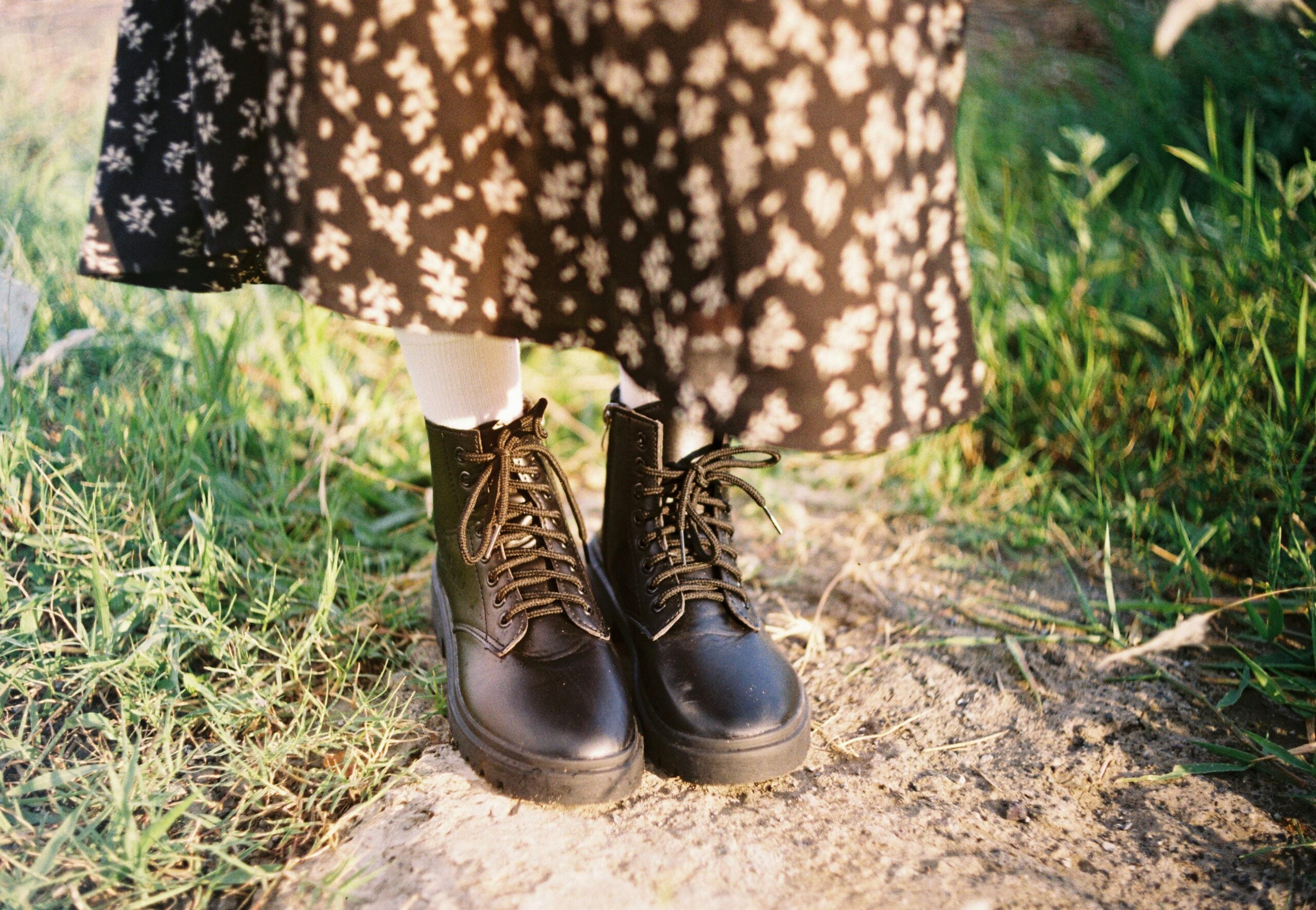
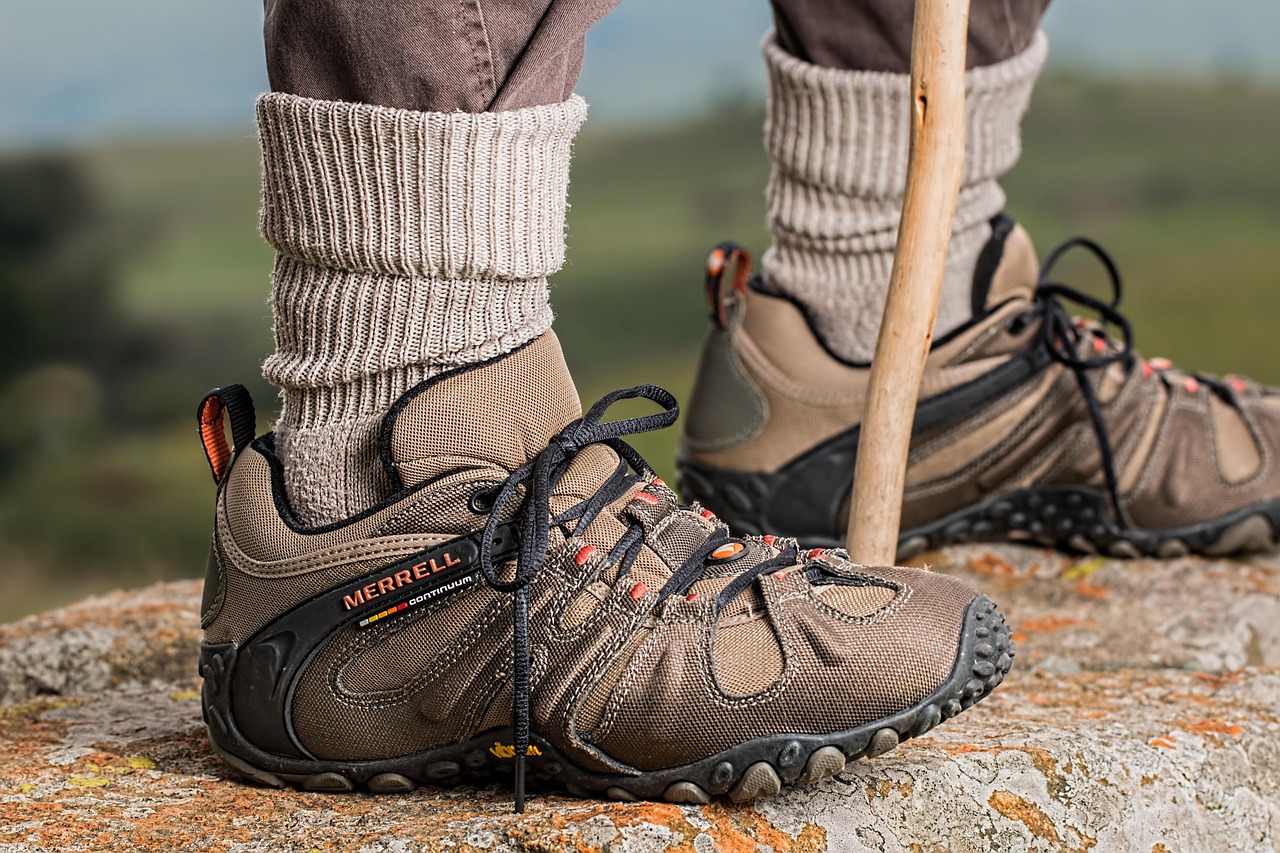
Dress code concerns prevent many professionals from walking. Keep comfortable walking shoes at your desk and change footwear for movement breaks. Some offices now embrace “walking attire” policies recognizing the health benefits outweigh minor appearance concerns.
Weather and facility limitations pose legitimate challenges. Develop indoor walking routes through your building’s corridors, staircases, or parking structures. Map multiple loops of varying lengths to accommodate different break durations.
Social awkwardness around walking alone or being seen as “not working” requires cultural shift. Start a walking group with colleagues, propose walking meetings to managers, or simply own your health priorities confidently. As more coworkers witness your improved energy and focus, curiosity replaces judgment.
Technology Tools to Support Your Walking Journey
Fitness trackers and smartphone pedometers provide immediate feedback that reinforces behavior. Seeing real-time step counts gamifies the experience, turning movement into an engaging challenge rather than a chore. Many apps offer achievement badges and progress visualization that boost motivation.
Walking apps with interval timers help structure your graded progression. Set custom alerts for walking duration and rest periods, ensuring you maintain the appropriate intensity level. Some applications integrate with calendar systems, automatically suggesting optimal walking times based on your schedule.
Step tracking competitions with colleagues transform individual effort into social connection. Friendly rivalries increase adherence rates significantly compared to solo programs. Many corporate wellness platforms now include team challenges specifically designed around step goals.
🏃 Advancing Beyond Basic Walking: Progressive Techniques
Once your base walking habit solidifies, introduce intensity variations. Alternate between normal pace and brisk walking intervals during your sessions. This simple modification elevates cardiovascular benefits without requiring additional time investment.
Incorporate incline walking by deliberately choosing staircases or hilly outdoor routes. Grade variations engage different muscle groups and increase caloric expenditure. Even slight inclines significantly boost the metabolic impact of your walking sessions.
Practice mindful walking during one daily session. Focus entirely on physical sensations—breath rhythm, foot placement, muscle engagement. This meditation-in-motion reduces stress while maintaining physical activity benefits, addressing both mental and physical health simultaneously.
Add purposeful walks that serve dual functions. Walk to lunch destinations instead of ordering delivery, conduct one-on-one meetings while walking, or walk to brainstorm solutions for specific work challenges. This integration makes walking feel productive rather than time-consuming.
Measuring Progress Beyond Step Counts
While steps provide useful metrics, holistic progress includes multiple indicators. Monitor energy levels throughout your workday—many graded walkers report sustained afternoon alertness that previously required caffeine.
Track productivity metrics like tasks completed or deep focus duration. Most professionals discover that regular walking breaks enhance rather than diminish work output. This realization reinforces the habit more powerfully than health benefits alone.
Pay attention to physical changes: improved posture, reduced back pain, easier stair climbing, or looser clothing. These tangible results provide motivation during plateaus when step counts remain static.
Document mood and stress levels using simple daily ratings. The correlation between walking days and improved mental well-being often surprises people, revealing connections they hadn’t consciously recognized.
🌟 Integrating Walking into Company Culture
Individual transformation becomes exponentially more sustainable within supportive environments. Advocate for walking-friendly workplace policies: flexible break schedules, walking meeting guidelines, or designated walking paths with distance markers.
Propose walking challenges during company wellness months. Frame these initiatives around team building and productivity rather than weight loss to maximize participation across diverse employee populations.
Share your walking journey with colleagues through internal communications. Personal testimonials inspire others more effectively than corporate mandates. Describe specific benefits you’ve experienced—better sleep, reduced stress, improved focus—to make the practice relatable.
Suggest infrastructure improvements that facilitate movement: standing desks with walking pad options, shower facilities for longer walking sessions, or outdoor meeting spaces. When employees see management investing in movement-friendly design, participation increases dramatically.
Sustaining Your Walking Practice Long-Term
Habit maintenance requires ongoing attention even after initial enthusiasm fades. Schedule quarterly reassessments of your walking program, adjusting targets based on seasonal changes, project demands, or fitness improvements.
Prevent boredom by varying your routes, walking speeds, and companions. Monotony kills consistency, so treat your walking practice as an evolving experiment rather than a rigid prescription.
Prepare contingency plans for high-stress work periods. During crunch times, protect at least one daily walking session as non-negotiable. This minimum viable habit prevents complete abandonment during challenging phases.
Connect your walking practice to larger health goals and values. Regularly reflect on why movement matters to you—whether longevity for family, professional performance, or personal vitality. Purpose-driven habits withstand obstacles better than aesthetically motivated ones.

✨ Transforming Health One Step at a Time
Graded walking for desk workers isn’t a revolutionary concept—it’s a return to how humans naturally functioned before technology tethered us to chairs. The power lies in its accessibility and adaptability. You don’t need expensive equipment, extensive time blocks, or perfect conditions. You simply need commitment to incremental progress.
The transformation happens gradually. Initial benefits appear within weeks: improved energy, better mood, reduced stiffness. Months later, you’ll notice deeper changes: enhanced cardiovascular fitness, weight management, stronger mental resilience. Years of consistent practice compound into dramatically improved healthspan and quality of life.
Your workday doesn’t have to destroy your health. By implementing graded walking strategies, you reclaim control over your physical well-being without sacrificing professional success. Every step represents a choice to prioritize longevity, energy, and vitality.
Start tomorrow with a simple commitment: one additional walking break beyond your current routine. That single decision, repeated and gradually expanded, holds the power to transform not just your workday, but your entire relationship with movement, health, and what’s possible within the constraints of desk work. Your future self will thank you for every step you take today.