Walking is more than just putting one foot in front of the other—it’s a gateway to vibrant health, independence, and quality of life as we age.

Graded walking, a structured approach to increasing your walking intensity and duration progressively, offers a scientifically-backed pathway to enhanced wellness that adapts to your current fitness level. This method transforms a simple daily activity into a powerful tool for combating age-related decline, boosting cardiovascular health, and maintaining the vitality needed to enjoy your golden years to the fullest.
Understanding Graded Walking: The Foundation of Progressive Fitness 🚶♀️
Graded walking differs from casual strolling by incorporating intentional progression in either distance, speed, incline, or duration. This systematic approach allows your body to adapt gradually, building strength and endurance without overwhelming your system. The concept draws from exercise physiology principles that emphasize progressive overload—the gradual increase of stress placed upon the body during training.
For older adults and those focused on active aging, graded walking provides the perfect balance between challenge and accessibility. Unlike high-impact exercises that may strain joints or require specialized equipment, walking remains a natural movement pattern that most people can perform safely while still reaping significant health benefits.
The beauty of this approach lies in its adaptability. Whether you’re currently managing chronic conditions, recovering from injury, or simply looking to enhance your fitness, graded walking can be tailored to meet you exactly where you are. Starting with short, flat walks and gradually incorporating hills, increased pace, or longer distances allows your cardiovascular system, muscles, and bones to strengthen in harmony.
The Science Behind Walking for Active Aging
Research consistently demonstrates that regular walking provides remarkable benefits for aging populations. Studies published in journals like the Journal of the American Medical Association have shown that older adults who walk regularly experience reduced mortality rates, improved cognitive function, and better overall health outcomes compared to their sedentary peers.
Walking engages multiple body systems simultaneously. Your cardiovascular system works harder to pump oxygen-rich blood to working muscles. Your respiratory system increases its efficiency. Your musculoskeletal system strengthens bones and maintains muscle mass, combating the natural decline that typically accelerates after age 50.
Furthermore, walking produces beneficial biochemical changes. It stimulates the release of endorphins—natural mood elevators—while reducing cortisol, the stress hormone. Regular walkers show improved insulin sensitivity, better cholesterol profiles, and reduced inflammation markers throughout the body. These changes collectively contribute to disease prevention and enhanced longevity.
Neurological Benefits That Keep Your Mind Sharp 🧠
The cognitive benefits of walking deserve special attention. Aerobic exercise like walking increases blood flow to the brain, promoting the growth of new brain cells and strengthening connections between existing neurons. This process, known as neuroplasticity, helps maintain memory, processing speed, and executive function as we age.
Research from the University of British Columbia found that regular aerobic exercise appears to boost the size of the hippocampus, the brain region involved in verbal memory and learning. For older adults concerned about cognitive decline or dementia risk, establishing a consistent walking routine represents one of the most accessible preventive strategies available.
Designing Your Personalized Graded Walking Program
Creating an effective graded walking program begins with honest assessment of your current fitness level. Consider factors like how far you can currently walk comfortably, whether you experience shortness of breath during activity, and any mobility limitations or health conditions that might affect your exercise capacity.
For beginners or those with significant health concerns, consulting with a healthcare provider before starting is essential. Once cleared for activity, start conservatively. A reasonable beginning point might be 10-15 minutes of walking at a comfortable pace, three to four times per week.
The Four Pillars of Progression
Effective graded walking programs manipulate four key variables to create progressive challenge:
- Duration: Gradually extend your walking time by 5-10 minutes each week until reaching 30-60 minutes per session
- Frequency: Increase the number of weekly walking sessions, working toward 5-7 days of activity
- Intensity: Pick up your pace or incorporate intervals of faster walking interspersed with recovery periods
- Terrain: Add hills, stairs, or varied surfaces to challenge different muscle groups and increase cardiovascular demand
The key principle is changing only one variable at a time. If you increase duration one week, maintain your usual pace and frequency. This measured approach prevents overtraining and reduces injury risk while still providing adequate stimulus for adaptation.
Tracking Progress and Staying Motivated 📱
Modern technology offers unprecedented tools for monitoring your walking program and maintaining motivation. Smartphone applications can track your steps, distance, pace, and even map your routes while providing encouragement and celebrating milestones.
Beyond digital tracking, maintaining a simple walking journal can provide valuable insights. Record how you felt during each walk, any discomfort experienced, weather conditions, and notable achievements. Over time, this log becomes a powerful motivational tool, allowing you to look back and see how far you’ve progressed.
Setting meaningful goals enhances adherence to your walking program. Rather than vague intentions like “walk more,” establish specific, measurable objectives: “Walk 30 minutes five days this week” or “Complete the loop around the park without stopping by month’s end.” These concrete targets provide direction and satisfaction when achieved.
Overcoming Common Barriers to Consistent Walking
Even with the best intentions, obstacles can derail walking routines. Weather frequently tops the list of excuses. Combat this by having backup plans—mall walking, indoor tracks, or home treadmill sessions for inclement days. Appropriate clothing also makes outdoor walking feasible in most conditions; layering for cold weather and moisture-wicking fabrics for heat extend your walking season considerably.
Time constraints challenge many would-be walkers. Remember that walking sessions don’t require hour-long blocks. Breaking your daily goal into smaller chunks—perhaps three 10-minute walks—provides nearly identical benefits while fitting more easily into busy schedules. Consider walking during lunch breaks, taking phone calls while strolling, or parking farther from destinations to incorporate movement naturally throughout your day.
Making Walking Social and Enjoyable 👥
Social connection dramatically improves exercise adherence. Walking groups provide accountability, safety, companionship, and fun. Many communities offer organized walking clubs specifically for older adults, often meeting at consistent times and locations. These groups frequently accommodate various fitness levels, ensuring everyone can participate comfortably.
If formal groups don’t appeal to you, recruit friends, neighbors, or family members for regular walking dates. The conversation makes time pass quickly while the commitment to others helps ensure you follow through even when motivation wanes.
Alternatively, embrace solitude as an opportunity for reflection, meditation, or simply enjoying nature. Listening to music, podcasts, or audiobooks can make solo walks feel productive and entertaining rather than tedious.
Nutrition and Hydration Strategies for Optimal Performance 💧
While walking doesn’t require the intense fueling strategies of marathon running, proper nutrition and hydration support your efforts and recovery. Before morning walks, a light snack containing carbohydrates—perhaps fruit or toast—provides readily available energy without causing digestive discomfort.
Hydration needs depend on walk duration, intensity, and environmental conditions. For walks under 30 minutes in moderate weather, pre-hydrating adequately usually suffices. Longer or more intense sessions, especially in heat, require fluid intake during activity. Water generally meets hydration needs, though longer walks might benefit from beverages containing electrolytes.
Post-walk nutrition supports recovery and adaptation. A balanced meal or snack containing protein and carbohydrates within two hours of walking helps replenish energy stores and provides building blocks for strengthening muscles and tissues.
Preventing Injuries and Listening to Your Body
While walking is generally safe, injuries can occur, particularly when progression happens too rapidly or biomechanical issues go unaddressed. Common walking-related problems include plantar fasciitis, shin splints, knee pain, and hip discomfort.
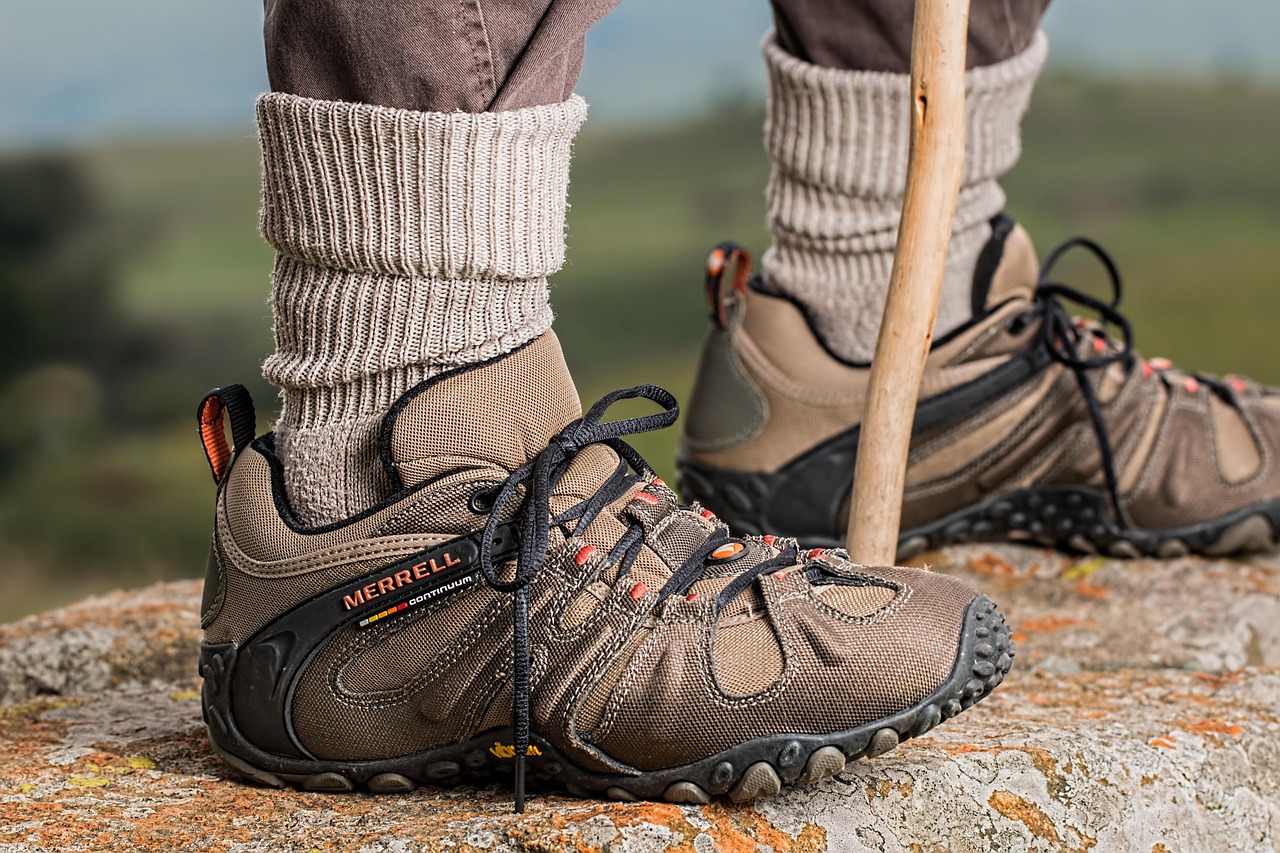
Prevention starts with appropriate footwear. Invest in quality walking shoes that provide adequate cushioning, arch support, and stability for your foot type. Replace shoes every 300-500 miles or when you notice decreased cushioning or tread wear. Visiting a specialty running or walking store for gait analysis can ensure you select shoes matching your biomechanics.
Warm-Up and Cool-Down Protocols
Beginning walks at a gentle pace allows muscles, tendons, and cardiovascular system to gradually adjust to increased demands. Spend the first 5-10 minutes walking slowly before reaching your target pace. This warm-up period significantly reduces injury risk while improving performance during the main workout.
Similarly, ending walks with 5-10 minutes of slower-paced walking allows your heart rate and blood pressure to gradually return to resting levels. Follow your cool-down with gentle stretching, focusing on calves, hamstrings, quadriceps, and hip flexors. Hold each stretch for 20-30 seconds without bouncing, breathing deeply and relaxing into the movement.
Enhancing Wellness Beyond Physical Fitness 🌟
The benefits of graded walking extend well beyond cardiovascular fitness and muscle strength. Regular walkers report improved sleep quality, with the physical fatigue and stress reduction from walking promoting deeper, more restorative rest. This improved sleep then enhances energy levels, mood, and cognitive function, creating a positive feedback loop.
Mental health improvements rank among walking’s most valuable benefits. The combination of physical activity, time outdoors, and rhythmic movement creates powerful anti-anxiety and antidepressant effects. Many walkers describe their routines as moving meditation, finding that the repetitive motion and focused breathing quiet mental chatter and provide clarity.
For older adults, maintaining walking ability directly correlates with independence and quality of life. The strength, balance, and endurance developed through regular walking reduce fall risk and ensure you can continue performing daily activities—grocery shopping, visiting friends, traveling—without assistance. This independence provides immeasurable psychological benefits, supporting dignity and self-efficacy throughout the aging process.
Adapting Walking for Specific Health Conditions
Many chronic health conditions benefit specifically from walking programs, though modifications may be necessary. Individuals with arthritis often find that gentle, regular walking reduces joint stiffness and pain more effectively than rest. The key lies in finding the sweet spot between adequate activity to maintain joint health and avoiding overuse that triggers inflammation.
Those managing diabetes discover that walking helps regulate blood sugar levels, both immediately and through long-term improvements in insulin sensitivity. Timing walks after meals provides the added benefit of blunting post-meal glucose spikes.
Heart disease patients, under medical supervision, use carefully graded walking programs as cardiac rehabilitation, gradually rebuilding cardiovascular capacity and confidence. The psychological reassurance of successfully completing progressively longer walks cannot be overstated for individuals recovering from cardiac events.
Walking with Balance or Mobility Challenges
Individuals with balance concerns or mobility limitations can still benefit from graded walking with appropriate modifications. Using walking poles or trekking sticks provides additional stability while engaging upper body muscles. Walking on level, even surfaces reduces fall risk while you build strength and confidence.
Indoor shopping malls offer ideal environments—flat, climate-controlled, with places to rest and support rails available. Some people benefit from walking alongside shopping carts for stability. The key is finding approaches that allow safe participation rather than avoiding activity altogether.
Creating Sustainable Habits for Lifelong Wellness 🌱
Transforming graded walking from a temporary program into a lifelong habit requires strategic habit formation. Link your walking routine to existing daily patterns—perhaps walking immediately after morning coffee or before dinner preparation. This context-dependent cueing makes the behavior more automatic over time.
Prepare for inevitable disruptions. Holidays, illness, travel, and life stress will occasionally interrupt your routine. Rather than viewing these breaks as failures, plan for them. Determine your minimum viable routine—perhaps 10 minutes three times weekly—that you can maintain during challenging periods. This flexibility prevents the all-or-nothing thinking that often derails health behaviors permanently.
Celebrate milestones and progress regularly. Whether treating yourself to new walking shoes after consistent months of activity or simply acknowledging how much easier a once-challenging route has become, recognition reinforces your commitment and provides motivation during plateaus.

Your Journey to Enhanced Wellness Starts with a Single Step
Graded walking represents one of the most accessible, affordable, and effective strategies for active aging and improved wellness. Unlike complex exercise programs requiring expensive equipment or specialized instruction, walking harnesses a fundamental human movement pattern that nearly everyone can perform and progressively improve.
The comprehensive benefits—cardiovascular health, cognitive function, mental wellbeing, strength, balance, and independence—make walking a remarkably efficient investment of your time and energy. By approaching walking systematically through graded progression, you ensure continuous adaptation and improvement rather than stagnation.
Beginning your graded walking journey requires no special preparation beyond comfortable shoes and the decision to start. Whether you’re currently walking 5 minutes or 50, the principle remains the same: consistent, gradual progression yields remarkable results over time. Your future self—healthier, stronger, more independent, and vibrant—will thank you for the steps you take today. The path to enhanced wellness literally begins with a single step. Take it today.