Finding the perfect pair of shoes can transform your daily comfort and confidence. Whether you’re shopping for sneakers, dress shoes, or casual footwear, understanding how to properly test fit and feel is essential before making a purchase.

The art of selecting shoes goes far beyond simply checking your size on a label. It involves a comprehensive evaluation of comfort, support, functionality, and how the shoe interacts with your unique foot structure. In this guide, we’ll explore the critical techniques and insider knowledge that will help you make informed decisions every time you shop for footwear.
👣 Understanding Your Foot’s Unique Architecture
Before you even step into a shoe store, it’s crucial to understand your own feet. Each person’s feet are as unique as fingerprints, with variations in width, arch height, toe length, and pressure points that significantly impact shoe comfort.
Your foot type plays a fundamental role in determining which shoes will provide optimal comfort. People with high arches need different support than those with flat feet. Similarly, if you have wide feet or narrow heels, standard shoe fits may not work for your anatomy.
Take time to examine your feet at home. Stand barefoot on a hard surface and observe your arch. Wet your foot and step on dark paper to see your footprint pattern. This simple test reveals whether you have high, normal, or low arches, information that becomes invaluable when selecting shoes.
The Golden Hour: Best Time to Test Shoe Fit
Timing matters significantly when testing shoes. Your feet naturally swell throughout the day due to gravity, activity, and fluid retention. Shopping for shoes at the wrong time can lead to purchasing footwear that feels comfortable in the store but becomes uncomfortably tight during regular wear.
The ideal time to shop for shoes is late afternoon or early evening, after you’ve been on your feet for several hours. At this point, your feet have expanded to their maximum daily size, ensuring that shoes fitting comfortably then will remain comfortable throughout your busiest days.
Avoid shopping for shoes first thing in the morning when your feet are at their smallest. A shoe that fits perfectly at 8 AM might feel restrictive and painful by 3 PM, leading to blisters, pressure points, and overall discomfort.
🔍 The Comprehensive Fitting Process: Step by Step
Professional shoe fitting follows a systematic approach that anyone can learn and apply. Start by having both feet measured every time you shop, as foot size can change over time due to age, weight fluctuations, pregnancy, or medical conditions.
Measuring Both Feet Properly
Always measure both feet while standing, as feet flatten and lengthen under your body weight. Many people have one foot slightly larger than the other, so fit shoes to your larger foot to prevent cramping and discomfort.
Use a Brannock device if available—this metal measuring tool found in most shoe stores provides accurate length, width, and arch measurements. Don’t rely solely on your previous shoe size, as sizing varies significantly between brands and even between different models from the same manufacturer.
The Thumb’s Width Rule
When standing in shoes, there should be approximately a thumb’s width of space between your longest toe and the shoe’s end. This space allows for natural foot expansion during walking and prevents toes from jamming forward, which can cause bruising, nail damage, and discomfort.
Press gently at the toe box while standing. If your thumb doesn’t fit comfortably or if there’s excessive space (more than an inch), the shoe is incorrectly sized. Remember that your longest toe isn’t always your big toe—for many people, the second toe extends further.
Evaluating Width and Arch Support 👟
Length is only one dimension of proper fit. Width is equally critical but often overlooked. Your foot should sit comfortably within the shoe without spilling over the insole or feeling compressed from the sides.
The widest part of your foot should align with the widest part of the shoe. When you feel pressure on the sides of your foot, or if the upper material appears stretched or distorted, you need a wider size or different shoe model altogether.
Arch support deserves special attention. The shoe’s arch should align with your foot’s natural arch position. Stand in the shoes and feel whether the support hits the right spot. Misaligned arch support causes fatigue, pain, and can lead to conditions like plantar fasciitis over time.
The Walk Test: Movement Reveals Truth
Standing in shoes provides initial information, but walking reveals the complete story. Never buy shoes without walking around the store for at least five to ten minutes, preferably on different surfaces if available.
Pay attention to heel slip during this walk test. A small amount of heel movement is normal, especially in new leather shoes that haven’t molded to your feet yet. However, excessive slipping indicates poor fit and will likely cause blisters and instability.
Walk on hard floors, carpets, and inclines if the store layout permits. Notice any rubbing, pinching, or pressure points. Quality shoes should feel comfortable immediately—the “break-in period” myth often masks fundamentally poor fit that won’t improve with time.
Testing Flexibility and Bend Points
Bend the shoe with your hands before wearing it. The shoe should flex at the ball of the foot, where your foot naturally bends during walking. Shoes that bend in the middle of the arch don’t align with your foot’s biomechanics and will cause fatigue and discomfort.
While wearing the shoes, rise onto your toes several times. The shoe should bend smoothly where your foot bends. Stiff or improperly flexing shoes restrict natural movement and can lead to foot and leg pain.
🧦 Don’t Forget the Socks Factor
Always bring or wear the type of socks you’ll use with the shoes you’re testing. Athletic shoes worn with thick performance socks fit differently than when tested with thin dress socks or barefoot.
The sock thickness affects the interior volume of the shoe significantly. Testing dress shoes with athletic socks or vice versa gives inaccurate fit information and may result in purchasing shoes that don’t work with your actual usage patterns.
For specialized footwear like hiking boots or running shoes, bring your custom orthotics or insoles if you use them. Remove the standard insole and replace it with yours during testing to ensure proper fit with your specific setup.
Material Matters: Understanding Stretch and Break-In
Different shoe materials behave differently over time. Leather typically stretches and molds to your feet, allowing for a slightly snugger initial fit. Synthetic materials generally maintain their original shape with minimal give.
Canvas and knit fabrics offer some flexibility and often feel comfortable immediately but may stretch more than expected with repeated wear. Understanding these material properties helps you make better sizing decisions in the store.
However, never buy shoes that feel uncomfortable expecting them to break in. While materials may soften slightly, shoes that pinch, rub, or cause pain initially will likely continue causing problems. Comfort should be immediate, with break-in simply enhancing an already good fit.
🏃 Activity-Specific Testing Techniques
Different shoe purposes require different testing approaches. Running shoes need evaluation through jogging in place or brief running if store policy permits. The shoe should feel secure without tightness, with no heel slippage during the toe-off phase.
Testing Athletic Footwear
For sports-specific shoes, simulate relevant movements. Basketball shoes should allow comfortable lateral movement. Test them by making side-to-side steps and quick direction changes. Your ankle should feel supported without restriction.
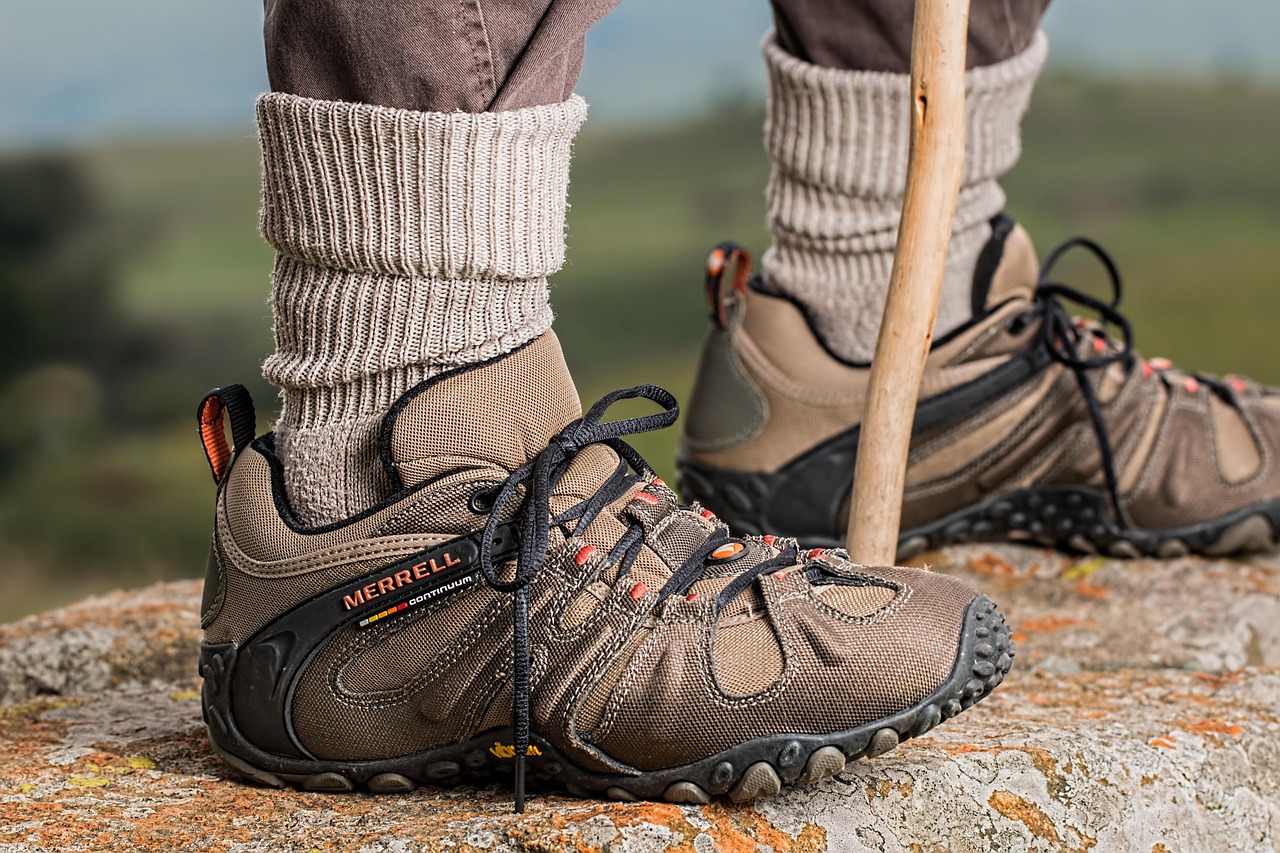
Hiking boots require special attention to ankle support and toe protection. Try walking downhill (even simulated on a declined surface) to ensure your toes don’t slide forward and hit the front of the boot, which causes bruising on actual trails.
Evaluating Dress and Casual Shoes
For dress shoes, test sitting and standing transitions. Shoes that feel fine standing may pinch when you sit and your feet shift position. Walk up and down stairs if possible to test whether your heel stays secure.
Casual shoes should feel comfortable for extended wear. Consider whether you’ll be walking, standing, or primarily sitting in these shoes, and test accordingly in the store environment.
Red Flags to Never Ignore ⚠️
Certain warning signs during fitting should immediately disqualify a shoe from consideration, regardless of how much you love its appearance or how good the price seems.
Pain, numbness, or tingling in any part of your foot indicates poor fit or inadequate support. These sensations won’t improve with time and signal that the shoe is fundamentally wrong for your feet.
Visible bulging of your foot over the shoe’s edges or excessive gaping indicates improper width sizing. The shoe’s structure should contain your foot comfortably without distortion of the upper materials.
If you feel unstable, wobbly, or uncertain in the shoes, trust that instinct. Proper footwear should inspire confidence in your movement, not create anxiety about tripping or rolling your ankle.
Understanding Size Variations Across Brands
Shoe sizing lacks universal standardization, making your “normal” size unreliable across different manufacturers. A size 9 in one brand might fit like an 8.5 or 9.5 in another brand, and this variation is completely normal.
European, UK, and US sizing systems differ significantly. When shopping internationally or from international brands, use length measurements in centimeters or inches rather than relying on size number conversions, which are often imprecise.
Even within the same brand, different shoe models fit differently. Athletic shoe companies often design different “lasts” (foot-shaped molds) for various shoe lines, meaning your size in one model doesn’t guarantee the same size will fit in another style.
📱 Technology Tools for Better Fitting
Modern technology offers helpful tools for determining shoe fit, particularly useful when shopping online. Foot scanning apps use your smartphone camera to measure foot dimensions accurately, providing data you can reference against brand-specific sizing charts.
Some advanced apps create 3D models of your feet and recommend specific shoes based on your foot shape and preferences. While these tools don’t replace physical try-ons, they significantly improve online shopping success rates and reduce returns.
Virtual try-on technology continues evolving, with augmented reality features allowing you to visualize shoes on your feet before purchase. Combined with accurate measurements, these tools bridge the gap between online convenience and in-store fitting confidence.
The Online Shopping Challenge: Adapting These Techniques
Online shoe shopping requires adapting traditional fitting wisdom to remote purchasing. Start by ordering your typical size plus one half size up and down if return policies permit, allowing you to test multiple sizes at home.
When shoes arrive, try them on the same way you would in stores—late in the day, with appropriate socks, walking on different surfaces. Keep tags intact and shoes on carpet or clean surfaces so you can return unworn pairs easily.
Read reviews specifically mentioning fit. Comments like “runs small” or “narrow toe box” from multiple reviewers provide valuable guidance. Pay particular attention to reviews from people describing foot characteristics similar to yours.
🛍️ Making the Final Decision with Confidence
After thorough testing, trust your assessment. If shoes feel uncomfortable in any way during store testing, they won’t magically become comfortable at home. Conversely, shoes that feel great immediately are likely excellent choices for your feet.
Consider your budget realistically alongside fit quality. Inexpensive shoes that don’t fit properly offer no value, while well-fitting shoes at higher price points provide cost-effectiveness through durability, comfort, and foot health protection.
Don’t let sales pressure or attractive discounts override your fit assessment. A bargain on shoes that hurt your feet is ultimately expensive when considering potential medical issues, reduced productivity, and the need to replace them quickly.
Maintaining Proper Fit Over Time
Even perfectly fitted shoes evolve with wear. Cushioning compresses, materials stretch, and support structures degrade. Monitor your shoes for signs they’ve exceeded their functional lifespan, typically 300-500 miles for athletic shoes or 1-2 years for daily wear shoes.
Your feet also change over time. Periodically reassess your foot size and shape, especially after significant life events like pregnancy, weight changes, or aging. What fit perfectly five years ago may no longer serve your current foot structure.
Replace shoes before they completely break down. Worn-out footwear provides inadequate support and can cause injuries or chronic pain conditions. Maintaining a rotation of properly fitted shoes extends their lifespan while protecting your foot health.
Building Your Shoe Fitting Expertise 💪
Mastering shoe fitting is a skill developed through practice and attention. Each fitting experience teaches you more about your feet and what works for your unique structure and lifestyle needs.
Keep notes about shoes that work particularly well for you, including brand, model, and size. This reference becomes invaluable for future purchases and helps you identify patterns in what your feet prefer.
Consider consulting a podiatrist if you consistently struggle with shoe fit or experience foot pain. Professional assessment can identify biomechanical issues, unusual foot shapes, or medical conditions affecting your footwear needs, providing guidance that transforms your shoe shopping success.
The comfort of well-fitted shoes extends beyond your feet, improving posture, reducing fatigue, and enhancing your overall quality of life. By investing time in proper fitting techniques, you’re investing in your health, comfort, and daily performance. Every step becomes easier, every day more comfortable, when your shoes truly fit the way they should.