Walking shoes are often surrounded by misconceptions that can lead people to make poor purchasing decisions, resulting in discomfort, pain, and wasted money. Understanding the truth behind these myths is essential for finding footwear that truly supports your lifestyle and foot health.

Whether you’re a casual stroller, a fitness walker, or someone who spends hours on their feet daily, the right walking shoes can make a significant difference in your comfort and overall well-being. Let’s explore the common myths and discover what really matters when selecting the perfect pair of walking shoes.
🚶♀️ The Myth of “One Perfect Shoe for Everyone”
One of the most damaging myths in the walking shoe industry is that there’s a single “perfect” shoe that works for everyone. This couldn’t be further from the truth. Each person has unique feet with different shapes, arch heights, pronation patterns, and individual needs.
Your foot structure is as unique as your fingerprint. Some people have high arches that require extra cushioning, while others have flat feet that need more stability features. The width of your foot, the shape of your toes, and even the way you walk all influence which shoe will work best for you.
The idea that expensive marketing campaigns or celebrity endorsements can determine the “best” shoe for your feet ignores the fundamental reality of biomechanical diversity. What works perfectly for your walking partner might cause you blisters, pain, or injury.
Understanding Your Foot Type
Before shopping for walking shoes, take time to understand your foot characteristics. You can perform a simple wet foot test at home by stepping on a piece of paper with wet feet to see your arch pattern. High arches leave a narrow connection between heel and forefoot, flat feet show nearly the entire sole, and neutral arches display a moderate curve.
Professional gait analysis at specialty running or walking stores can provide deeper insights into your walking pattern, including how your foot strikes the ground and rolls through each step. This information proves invaluable when selecting appropriate footwear.
💰 The Price Tag Doesn’t Guarantee Quality
Many consumers believe that higher prices automatically translate to better walking shoes. While quality materials and construction do cost money, the most expensive shoe isn’t necessarily the right choice for your feet.
Premium pricing often reflects brand positioning, marketing expenses, and trendy designs rather than superior functional benefits. Some moderately priced walking shoes from lesser-known brands offer excellent support, durability, and comfort that rival or exceed expensive alternatives.
The key is focusing on fit, function, and features rather than price alone. A $200 shoe that doesn’t match your foot type will perform worse than a $80 shoe designed for your specific needs. Smart shopping means evaluating construction quality, materials, support features, and how the shoe feels on your actual feet.
What Actually Justifies Higher Costs
Certain features do warrant higher prices in walking shoes. Advanced cushioning technologies, premium leather uppers, exceptional durability testing, and specialized biomechanical support systems represent genuine value. Shoes with removable insoles that accommodate custom orthotics may also cost more but provide essential customization options.
However, always test whether these premium features actually benefit your walking experience. Fancy technology that doesn’t address your specific needs offers no real value regardless of cost.
👟 Breaking In Shoes Is Not Always Necessary
The traditional wisdom that new shoes require a painful break-in period is largely outdated. Quality walking shoes should feel comfortable from the first wear, though they may improve slightly as materials soften and adapt to your foot shape.
If shoes cause pain, blisters, or significant discomfort during your first few walks, they likely don’t fit properly. The “break-in” myth has caused countless people to persist with ill-fitting footwear, leading to injuries and chronic foot problems.
Modern walking shoe construction uses materials designed to be flexible and comfortable immediately. While some stiffness in new shoes is normal, particularly in the sole, you shouldn’t experience rubbing, pinching, or pressure points that cause pain.
When Shoes Need Minimal Adjustment
Some slight adaptation is normal as materials settle and conform to your feet. Leather uppers may soften over the first week, and cushioning systems might compress slightly. This natural settling differs dramatically from forcing your feet into uncomfortable shoes hoping they’ll eventually feel better.
Give new walking shoes a test run around your home before committing to outdoor walks. This allows you to identify fit issues while you can still return or exchange them.
🏃♂️ Running Shoes and Walking Shoes Aren’t Interchangeable
Many people assume running shoes work perfectly fine for walking, and vice versa. While there’s some overlap in technology and design, these shoes are engineered for different biomechanical movements.
Walking involves a heel-to-toe roll with one foot always on the ground, creating different pressure patterns and support needs than running. Running shoes typically feature more cushioning in the forefoot to absorb impact from airborne landings, while walking shoes emphasize heel cushioning and facilitate smooth rolling motion.
The flexibility requirements also differ. Walking shoes generally provide more flexibility in the forefoot to support the natural push-off motion, while running shoes balance flexibility with stability to handle varied terrain and pace changes.
Cross-Training Options
If you engage in both walking and running, consider your primary activity when selecting shoes. Dedicated walkers benefit most from walking-specific shoes, while occasional walkers who primarily run might prefer running shoes. Those who do both equally might opt for cross-training shoes designed to accommodate multiple activities, though these represent a compromise rather than optimized performance for either activity.
📏 The Sizing Myth: Your Shoe Size Isn’t Fixed
Many people believe their shoe size remains constant throughout adulthood. This misconception leads to purchasing shoes based on past sizes rather than current fit, resulting in uncomfortable footwear.
Feet naturally change over time due to aging, weight fluctuations, pregnancy, injuries, and even daily swelling. The size you wore five years ago might not match your current needs. Additionally, shoe sizing varies significantly between brands and even between different models from the same manufacturer.
Always measure both feet when shopping for walking shoes, as many people have slightly different sized feet. Shop later in the day when feet are naturally more swollen to ensure adequate room. Leave approximately half an inch (thumb’s width) between your longest toe and the shoe’s end to accommodate foot expansion during walking.
Width Matters as Much as Length
Too many shoppers focus solely on length while ignoring width. Shoes that are too narrow cause bunions, blisters, and toe cramping, while excessively wide shoes create instability and friction. Many quality walking shoe brands offer multiple width options, allowing proper fit in both dimensions.
Signs of width issues include bulging sides, overlapping toes, or excessive space allowing your foot to slide within the shoe. Don’t hesitate to try different widths even if you’ve never needed them before.
🎨 Style Doesn’t Mean Sacrificing Comfort
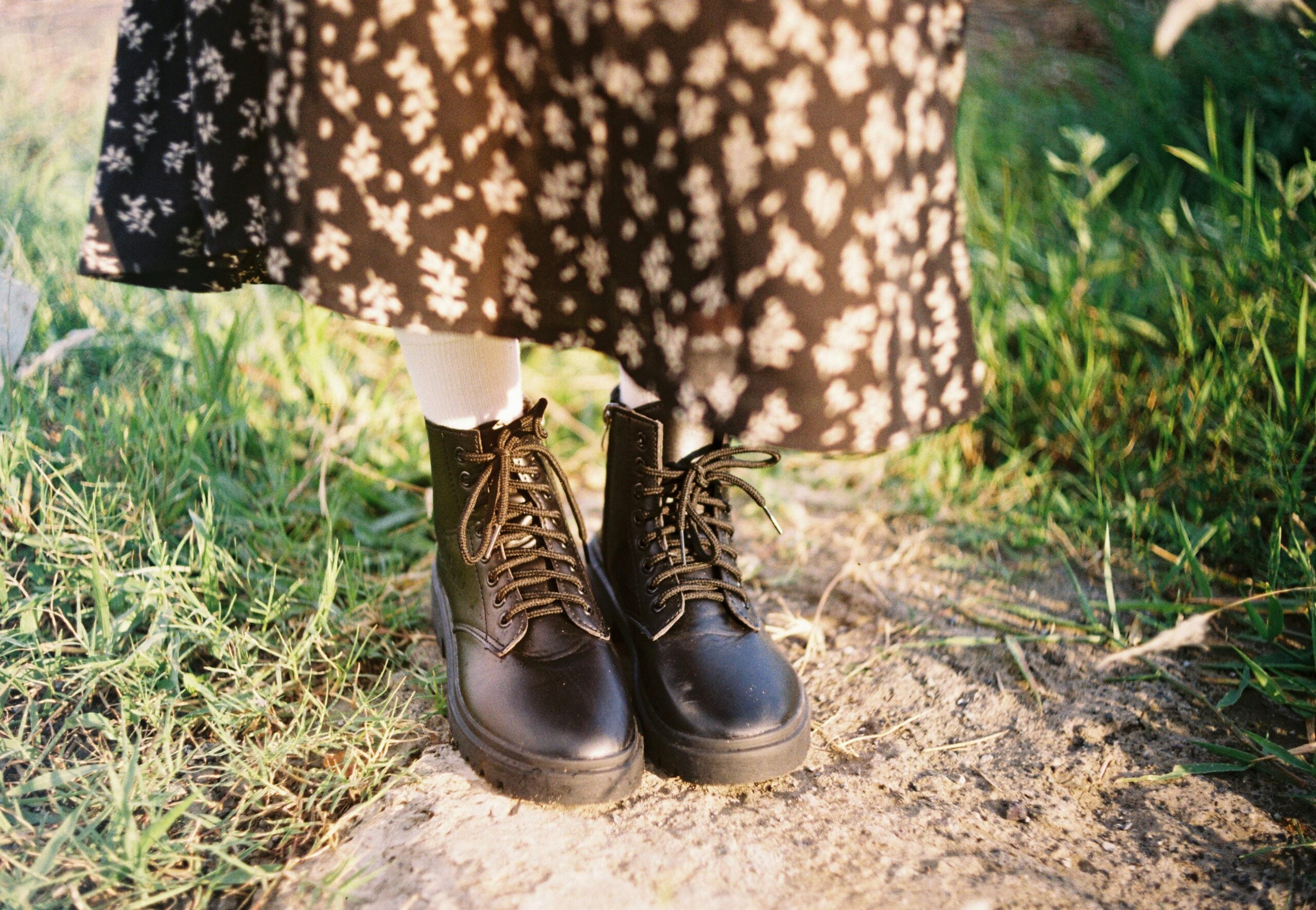
The myth that comfortable, supportive walking shoes must look clunky or unattractive has persisted for years. Modern footwear technology has advanced significantly, allowing manufacturers to combine excellent support with appealing aesthetics.
Many contemporary walking shoes feature streamlined designs, attractive color options, and stylish details that work with various outfits. You no longer need to choose between looking good and feeling good.
Casual walking shoes now incorporate athleisure styling that transitions seamlessly from exercise to everyday activities. For those seeking more formal options, several brands produce dress walking shoes and comfortable sneakers with business-appropriate appearances while maintaining essential support features.
Finding Your Style-Comfort Balance
Prioritize comfort and support first, then explore options within that category that match your aesthetic preferences. The walking shoe market offers tremendous variety, so you’re virtually guaranteed to find something that meets both functional and style requirements.
Remember that confidence in your appearance comes partly from moving comfortably without pain. Shoes that hurt ultimately undermine your style regardless of their initial visual appeal.
🔧 Cushioning Isn’t the Only Important Feature
While cushioning receives tremendous attention in walking shoe marketing, it’s just one component of proper footwear. Excessive cushioning can actually reduce stability and proprioception (your body’s awareness of foot position), potentially increasing injury risk.
Support, stability, flexibility in the right places, breathability, weight, and durability all contribute to walking shoe performance. The ideal balance depends on your individual needs, walking surfaces, distances, and any existing foot conditions.
Some walkers benefit from firmer shoes that provide ground feel and responsiveness, while others need maximum cushioning to protect sensitive joints. Neither approach is universally correct; the right choice depends on your specific situation.
Key Features Beyond Cushioning
Look for shoes with proper arch support matching your foot type, heel counters that secure your heel without rubbing, breathable upper materials that prevent overheating, appropriate traction for your typical walking surfaces, and adequate toe box room for natural toe splay.
The midsole should offer appropriate flexibility through the ball of the foot while maintaining structure through the arch and heel. Test this by holding the shoe at both ends and trying to bend it—it should flex at the ball, not in the middle.
⏰ When to Replace Your Walking Shoes
The myth that shoes last until they look worn ignores the reality of structural breakdown. Walking shoe cushioning and support systems deteriorate long before visible exterior damage appears.
Most walking shoes require replacement after 300-500 miles, depending on your weight, gait, walking surfaces, and shoe quality. For someone walking 30 minutes daily, this typically translates to 6-9 months. Keep a walking log or use fitness tracking apps to monitor mileage and remind yourself when replacement time approaches.
Signs your walking shoes need replacement include decreased cushioning, uneven sole wear, discomfort in previously comfortable shoes, increased fatigue during walks, or the development of new aches and pains.
Extending Shoe Lifespan
Proper care extends walking shoe life. Rotate between two pairs if you walk daily, allowing each pair to fully dry and recover between uses. Clean shoes regularly, remove insoles to air dry after walks, and store shoes in cool, dry places away from direct heat or sunlight.
Never put walking shoes in washing machines or dryers, as this breaks down adhesives and materials. Instead, spot clean with mild soap and water, using soft brushes for stubborn dirt.
🩺 Orthotics and Walking Shoes: The Truth
Some believe that custom orthotics eliminate the need for quality walking shoes, while others think good shoes make orthotics unnecessary. Both perspectives miss important nuances.
Orthotics and walking shoes work together as a system. Quality shoes provide the structural foundation and support framework, while orthotics fine-tune biomechanics for individual needs. Even with excellent custom orthotics, you still need shoes with adequate depth, removable insoles, supportive construction, and appropriate flexibility.
Conversely, great walking shoes can address many common foot issues without requiring custom orthotics. Many people find that properly fitted, high-quality walking shoes with appropriate support features resolve discomfort previously attributed to more serious problems.
When to Consider Orthotics
If quality walking shoes don’t resolve persistent pain, or if you have diagnosed structural foot issues like severe flat feet, high arches, or specific medical conditions affecting foot function, consult a podiatrist about custom orthotics. Over-the-counter orthotic inserts also provide valuable support for many people at lower costs than custom options.
🌍 Terrain-Specific Walking Shoes Matter
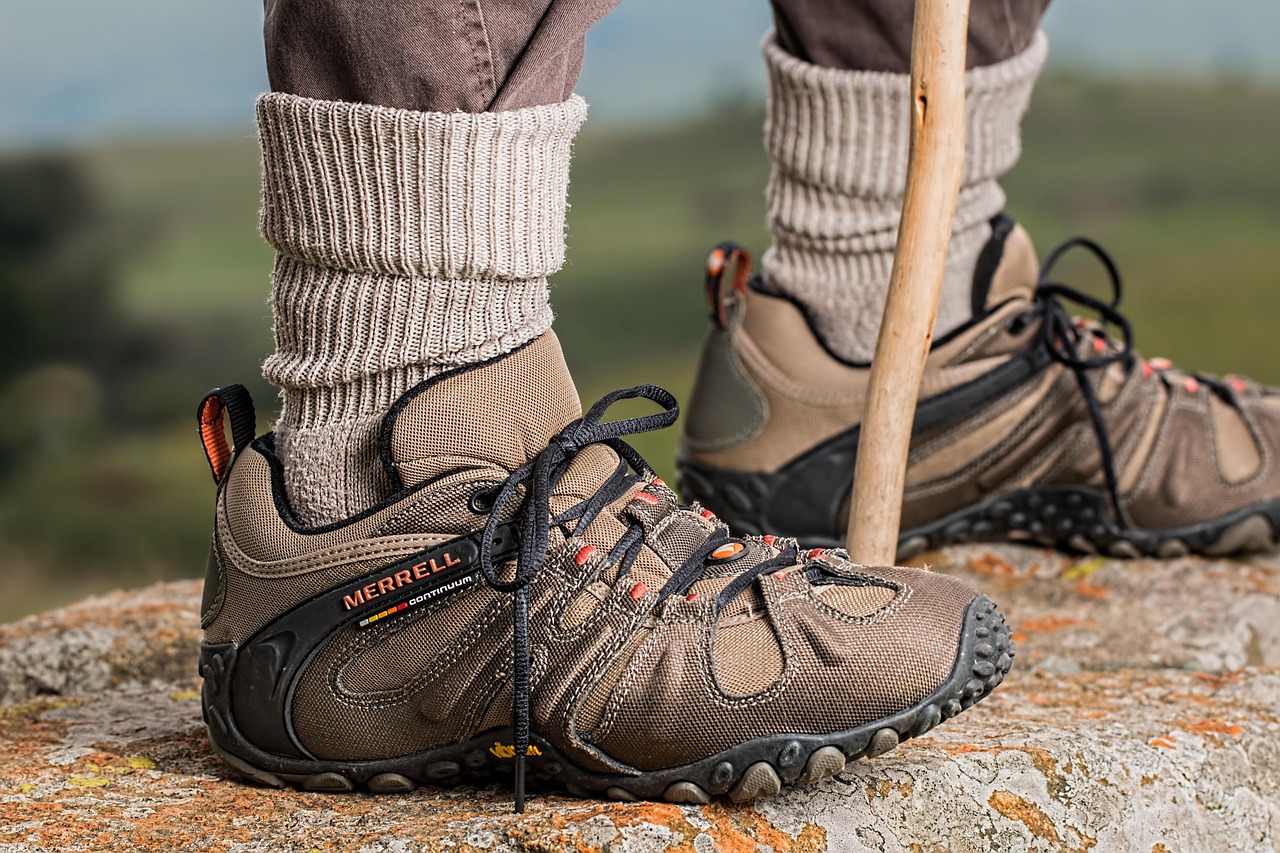
The myth that all walking shoes work equally well on any surface ignores the significant differences between urban sidewalks, hiking trails, and indoor tracks. Where you walk should influence your shoe selection.
Pavement walkers need excellent shock absorption and durable outsoles to handle hard, unforgiving surfaces. Trail walkers require aggressive tread patterns for traction, reinforced toe protection, and stability features to handle uneven terrain. Mall walkers or those primarily on indoor tracks might prioritize lightweight construction and flexibility over heavy-duty features.
Multi-surface walkers should consider their primary walking environment when selecting shoes, accepting some compromise for secondary activities.
✨ Making Your Final Decision
Finding the right walking shoes requires moving beyond myths to focus on individual fit, comfort, and function. Shop at stores with knowledgeable staff who measure your feet, analyze your gait, and help identify appropriate options.
Always try shoes on wearing the socks you’ll use for walking, and walk around the store extensively before deciding. Many specialty retailers allow you to test shoes outside or even return them after brief trial walks.
Trust your feet over marketing claims. The shoe that feels best during thorough testing will likely perform best during actual walks. Don’t let sales pressure, brand loyalty, or attractive discounts convince you to compromise on fit.
Remember that investing time in proper shoe selection pays dividends through comfortable walking, injury prevention, and enhanced enjoyment of this healthy activity. Your feet carry you through life—they deserve footwear chosen with care and based on facts rather than myths.
By understanding your unique needs, recognizing that comfort and support come in many forms and prices, and prioritizing proper fit above all else, you’ll find walking shoes that deliver the trifecta of comfort, support, and style. The perfect walking shoe isn’t a single model marketed to millions—it’s the shoe that works perfectly for your individual feet, walking style, and lifestyle needs. 👟