Choosing the right footwear tread can make the difference between an exhilarating outdoor adventure and a dangerous slip. Your safety and performance depend on it.

Every outdoor enthusiast knows that feeling of confidence when your boots grip perfectly on challenging terrain. Whether you’re scaling rocky mountain paths, trekking through muddy forest trails, or navigating icy winter landscapes, the pattern beneath your feet determines your connection to the ground. Understanding tread design isn’t just about preventing falls—it’s about unlocking your full potential in nature and exploring with confidence.
🥾 The Science Behind Footwear Traction
Tread patterns work through a combination of mechanical grip and surface contact. When your foot strikes the ground, the lugs—those protruding rubber pieces—dig into soft surfaces or create friction against hard ones. The depth, spacing, and shape of these lugs determine how effectively your footwear handles different conditions.
Modern tread technology has evolved significantly from simple flat soles. Engineers now design patterns based on biomechanics, terrain analysis, and material science. The rubber compound itself plays a crucial role, with softer compounds offering better grip on smooth surfaces while harder materials provide durability on abrasive terrain.
Temperature also affects traction performance. Cold weather hardens rubber, reducing flexibility and grip, while heat can make soles too soft. Quality outdoor footwear uses specialized rubber compounds that maintain optimal performance across temperature ranges.
Decoding Tread Patterns for Different Terrains
Not all treads are created equal, and matching your sole pattern to your intended terrain dramatically improves safety and comfort. Let’s explore the primary tread categories and their ideal applications.
Aggressive Lugs for Muddy and Loose Terrain
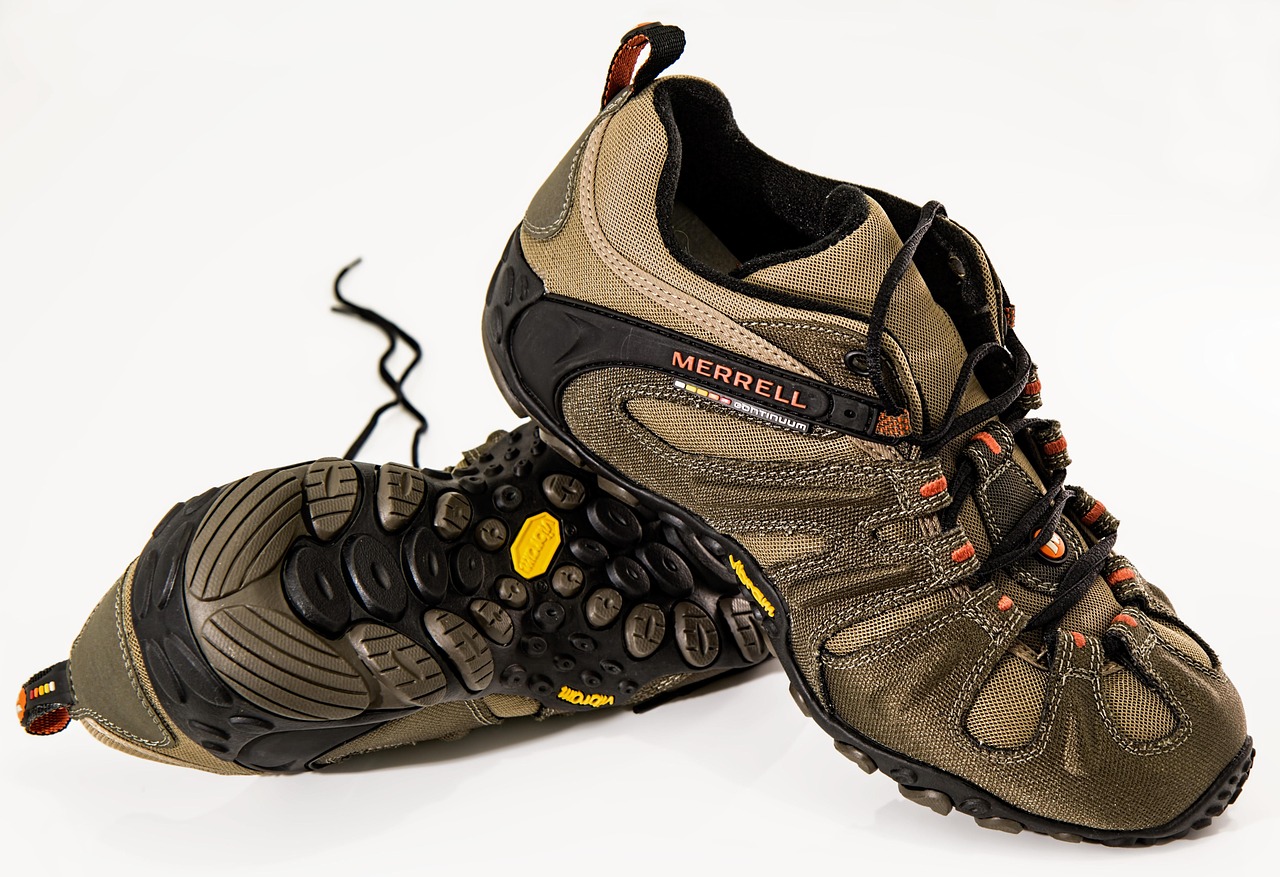
Deep, widely-spaced lugs excel in muddy conditions, soft soil, and loose gravel. These treads typically feature lugs between 5-7mm deep with significant spacing between them. The gaps allow mud and debris to release easily with each step, preventing the dreaded “mud pancake” effect where your sole becomes clogged and loses all traction.
Trail runners and hiking boots designed for wet forest environments often incorporate directional lugs that point slightly backward. This design enhances braking on descents while maintaining forward propulsion on climbs. The edges of these lugs should be sharp and well-defined to bite into soft surfaces effectively.
Moderate Tread for Mixed Conditions
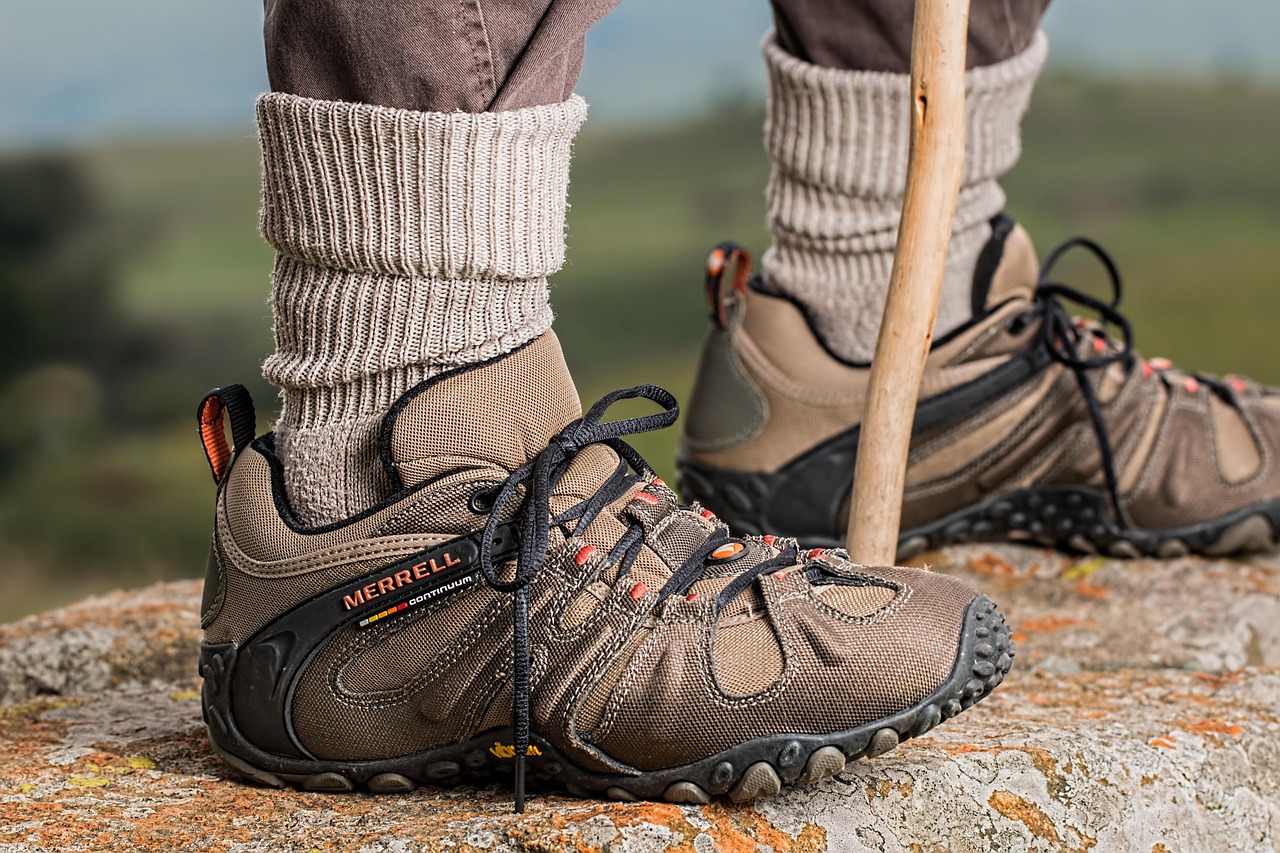
All-terrain footwear features medium-depth lugs (3-5mm) with moderate spacing. This versatile pattern handles transitions between hard-packed trails, occasional rocky sections, and light mud. The design balances traction with comfort for long-distance hiking where terrain varies.
These patterns often incorporate multi-directional lugs that provide grip regardless of foot angle. You’ll find them on day-hiking boots, approach shoes, and general-purpose trail runners. While they won’t match specialized treads in extreme conditions, they excel at versatility.
Low-Profile Patterns for Rock and Hard Surfaces
Climbing approaches, scrambling, and technical rock work require different traction strategies. Low-profile treads with shallow lugs (1-3mm) and minimal spacing maximize rubber contact with solid surfaces. These patterns prioritize friction over mechanical grip.
The rubber compound becomes paramount here—sticky rubber formulations create molecular-level adhesion to rock surfaces. The tread pattern focuses on edge stability, with reinforced heel and toe zones for precise foot placements on small holds.
⛰️ Specialized Tread Technologies for Extreme Conditions
Certain environments demand specialized tread innovations that go beyond traditional lug patterns. Understanding these technologies helps you choose footwear for challenging adventures.
Winter Ice and Snow Traction Systems
Winter hiking and mountaineering boots incorporate features specifically designed for frozen conditions. Multi-directional lugs with siping—small cuts in the rubber surface—create additional edges that grip ice. These micro-channels also help evacuate water on slushy surfaces.
Some winter boots feature carbide or tungsten spikes embedded in strategic locations. These metal inserts bite through ice without the need for external traction devices. For extreme ice, boots compatible with crampons feature specific toe and heel welts for secure attachment.
Water Sport Tread Designs
Footwear for kayaking, canyoneering, and water crossings uses specialized drainage systems integrated into the tread pattern. Channels and ports allow water to escape quickly while maintaining grip on wet rocks and submerged surfaces.
These treads often feature razor-siped lugs that conform to irregular underwater surfaces. The patterns maximize surface contact while channeling water away from the contact patch, reducing the hydroplaning effect that causes slips on wet rocks.
Desert and Sandy Terrain Considerations
Sand presents unique challenges—too aggressive a tread sinks deeper, while too smooth a pattern slides. Desert hiking footwear features wide, flat lugs with moderate depth that distribute weight across sand surfaces while still providing bite when needed.
These patterns often incorporate lateral stability features since sand shifts unpredictably. The treads wrap up the sides of the sole, providing grip when your foot rolls on unstable surfaces.
Matching Your Adventure Style to Tread Type
Your specific outdoor activities should guide your footwear selection. Here’s how to align tread patterns with common adventure pursuits.
Backpacking and Thru-Hiking
Long-distance hiking with a heavy pack requires durable, moderate treads that balance traction with longevity. Deep aggressive lugs wear quickly on mixed terrain, while shallow patterns lack necessary grip on steep sections. Look for 4-5mm lugs in a durable rubber compound.
Heel braking zones become crucial when descending with pack weight. Treads with pronounced heel lugs angled backward provide control on steep descents without jarring your knees. The forefoot should feature multidirectional lugs for varied terrain encounters.
Trail Running and Fast Packing
Speed-focused activities demand lightweight treads that don’t compromise grip. Trail running shoes use strategic lug placement—concentrated traction zones under the ball of the foot and heel with lower-profile sections for efficiency on smooth trail segments.
The spacing between lugs affects how dirt releases during dynamic movement. Trail runners need quick-shedding patterns that maintain consistent grip through rapid foot strikes. Softer rubber compounds enhance grip but require more frequent replacement.
Rock Scrambling and Peak Bagging
Technical approaches to summits require footwear that transitions from trails to rock. Approach shoes feature climbing-zone rubber at the toe for smearing on rock faces, transitional moderate treads in the midfoot, and aggressive heel lugs for descent control.
The toe area should be low-profile with sticky rubber extending around the front for toe hooking on steep sections. The rest of the sole provides hiking-appropriate traction for the approach and descent phases.
🔍 Evaluating Tread Wear and Replacement Timing
Even the best tread patterns lose effectiveness as they wear. Recognizing when your footwear no longer provides adequate traction prevents dangerous situations.
Inspect your soles regularly for wear indicators. Most quality outdoor footwear incorporates wear bars—small raised sections between lugs that become flush with the tread when replacement is necessary. If you can’t clearly distinguish individual lugs, traction has been compromised.
Uneven wear patterns reveal gait issues or terrain preferences. Excessive heel wear indicates aggressive descending technique, while worn forefoot sections suggest climbing or uphill-focused activities. Consider gait analysis if wear seems disproportionate.
Rubber hardening occurs over time, even with minimal use. Boots stored for years may appear intact but have lost the compound flexibility necessary for grip. If rubber feels brittle or shows surface cracking, replacement is warranted regardless of tread depth.
Maintaining Optimal Traction Performance
Proper care extends tread life and maintains grip characteristics throughout your footwear’s lifespan. Simple maintenance routines make significant differences in performance and longevity.
Cleaning and Debris Removal
Remove embedded rocks, twigs, and compacted mud after each adventure. Use a stiff brush or dull knife to clean between lugs thoroughly. Dried mud left in tread patterns reduces effective lug depth and prevents proper ground contact.
For stubborn debris, soak boots in water and scrub vigorously. Some outdoor enthusiasts use pressure washers on low settings, though this can potentially damage bonding between sole and upper if used too aggressively.
Storage Practices That Preserve Rubber
Store footwear away from direct sunlight and heat sources. UV radiation and temperature extremes degrade rubber compounds, causing premature hardening and cracking. Cool, dark storage areas with moderate humidity provide ideal conditions.
Avoid storing boots in compressed positions. Allow them to maintain natural shape to prevent rubber deformation. Stuffing with newspaper helps absorb moisture and maintain structure between adventures.
Rubber Conditioning and Treatment
Some manufacturers recommend occasional conditioning treatments that maintain rubber flexibility. These products penetrate the compound, restoring plasticizers lost through use and aging. Apply sparingly to avoid making soles too soft or slippery.
Never use petroleum-based products on rubber soles. These substances break down the rubber structure, accelerating deterioration rather than protecting it. Stick to manufacturer-recommended treatments or specialized rubber care products.
🌲 Advanced Considerations for Tread Selection
Beyond basic pattern matching, several factors influence how effectively a tread performs in real-world conditions.
Sole Flexibility and Ground Contact
A flexible sole conforms to irregular terrain, increasing the number of lugs simultaneously contacting the ground. This enhances grip on rocky trails and uneven surfaces. However, excessive flexibility reduces stability when carrying heavy loads or traversing steep terrain.
The ideal flexibility depends on your activity. Trail runners benefit from flexible soles that allow natural foot motion, while mountaineering boots require rigid platforms for crampon compatibility and load support.
Lug Orientation and Directional Traction
Forward-angled lugs enhance uphill propulsion by biting into the ground during push-off. Backward-angled lugs provide braking force on descents. Multi-directional patterns offer balanced performance but may not excel in specific situations.
Some high-performance footwear features different lug orientations in heel and forefoot zones, optimizing each area for its primary function. Consider your typical terrain—predominantly ascending, descending, or mixed—when evaluating lug directionality.
Edge Design and Lateral Stability
Treads that wrap up the sides of the sole provide grip during lateral movements and prevent ankle rolling on uneven terrain. This design element becomes crucial on rocky trails, during stream crossings, and when traversing slopes.
Examine how the tread pattern extends to the sole edges. Continuous lugs that flow onto the sidewall offer superior grip compared to patterns that terminate at the sole’s perimeter.
Environmental Impact and Sustainable Traction
Tread patterns affect more than just your safety—they impact trail surfaces and ecosystems. Responsible outdoor enthusiasts consider environmental factors when selecting footwear.
Aggressive treads cause more trail erosion, particularly in wet conditions and on steep sections. The deep lugs gouge soft trail surfaces, creating channels that concentrate water flow and accelerate degradation. When possible, choose the minimum tread aggressiveness necessary for conditions.
Some manufacturers now design treads that minimize environmental impact while maintaining performance. These patterns distribute weight more evenly and feature lug designs that compress rather than cut into soft surfaces.
Durable construction and resoleable designs reduce waste by extending footwear lifespan. While initially more expensive, quality boots with replaceable soles prove more economical and environmentally friendly over time. Several companies offer factory resoling services that install fresh treads on worn boots.
Making the Final Decision: Your Perfect Tread Match
Selecting optimal footwear tread involves balancing multiple factors specific to your adventures. Start by honestly assessing your primary outdoor activities and typical terrain. A backpacker who occasionally encounters mud needs different treads than a trail runner focusing on technical mountain routes.
Consider your local environment’s seasonal variations. If you adventure year-round in regions with significant seasonal changes, you might need multiple footwear options. Winter-specific boots with ice-gripping treads and summer hikers with moderate patterns ensure safe, enjoyable experiences regardless of conditions.
Test footwear on terrain similar to your planned adventures before committing to major expeditions. Break-in periods allow you to evaluate traction performance while the soles are still returnable if they don’t meet expectations. Pay attention to confidence-inspiring grip during descents—this feeling indicates proper tread matching.
Your skill level and experience also influence appropriate tread selection. Beginners benefit from more aggressive patterns that provide security while developing technique. Experienced adventurers might choose minimalist treads that reward precise foot placement and efficient movement.
Stepping Forward with Confidence 🎯
Mastering the relationship between tread patterns and terrain transforms outdoor experiences from anxious navigation to confident exploration. The ground beneath your feet becomes a reliable platform rather than a source of uncertainty when you understand tread technology and make informed choices.
Quality footwear with appropriate treads represents an investment in safety, performance, and enjoyment. While costs may seem significant, the confidence gained from proper traction enables you to tackle challenging adventures you might otherwise avoid. The memories created and personal growth achieved through expanded outdoor capabilities far exceed monetary considerations.
Start by evaluating your current footwear against the terrain you typically encounter. Identify gaps where tread performance limits your activities or compromises safety. Research options specifically designed for those conditions, consulting reviews from adventurers with similar needs.
Remember that even perfect treads require proper technique. Practice efficient foot placement, maintain awareness of changing surface conditions, and adjust your movement style to match terrain. The synergy between quality footwear and skilled technique creates optimal outdoor performance.
Your next adventure awaits, and now you possess the knowledge to step into it with perfect traction. Whether you’re planning a weekend trail run, a multi-day backpacking expedition, or technical alpine objectives, the right tread pattern awaits beneath your feet. Choose wisely, maintain diligently, and explore confidently—the trails are calling, and you’re ready to answer with sure-footed determination.