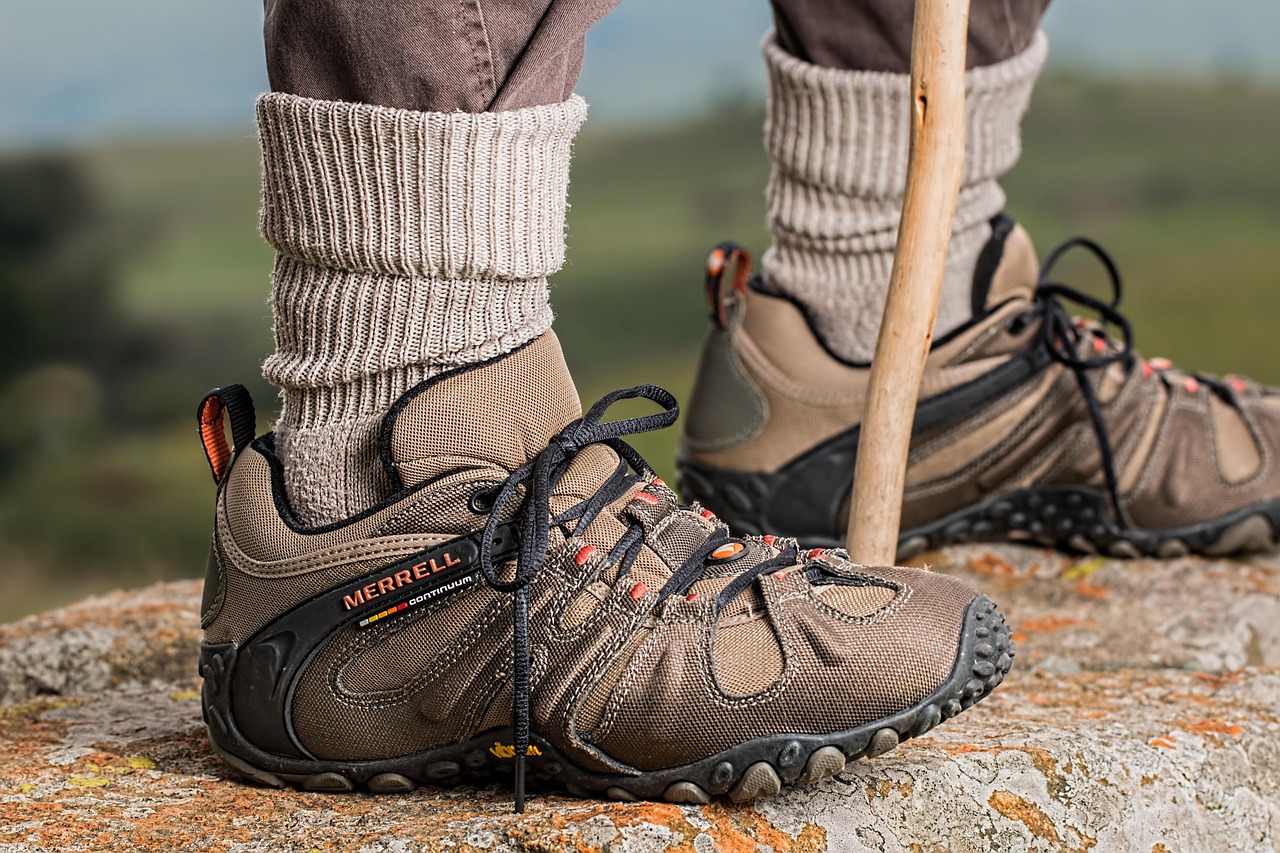
Running surfaces matter more than most athletes realize. Whether you’re training for a marathon or just starting your fitness journey, the ground beneath your feet influences your performance, injury risk, and overall running experience.

Each running surface presents unique characteristics that affect your body differently. Understanding these differences empowers you to make informed decisions about where to train, helping you achieve your fitness goals while minimizing injury risk and maximizing enjoyment.
🏃 The Science Behind Running Surfaces and Your Body
Every time your foot strikes the ground, forces equivalent to two to three times your body weight travel through your legs. The surface you run on determines how those forces are absorbed and distributed throughout your musculoskeletal system.
Different surfaces provide varying levels of shock absorption, stability, and energy return. Harder surfaces like pavement return more energy but offer less cushioning, while softer surfaces like grass absorb more impact but require greater muscular effort to maintain pace.
Your biomechanics, running style, fitness level, and injury history all factor into which surface works best for your individual needs. There’s no universally perfect surface—only the right surface for your specific goals and circumstances.
🌱 Grass: Nature’s Original Running Track
Grass surfaces have been supporting runners since humans first started moving at speed. Parks, fields, and trails offer accessible natural terrain that appeals to runners seeking a softer landing and connection with nature.
The Advantages of Grass Running
The primary benefit of grass is its superior shock absorption. The natural cushioning reduces impact forces on your joints, making it particularly attractive for runners recovering from injuries or those prone to shin splints, stress fractures, and knee problems.
Grass running engages stabilizing muscles more intensively than flat, predictable surfaces. The slight variations in terrain strengthen ankles, improve proprioception, and develop better overall balance. These adaptations can enhance your running economy across all surfaces.
The softer surface also offers psychological benefits. Many runners report feeling more relaxed and enjoying the sensory experience of running on natural terrain, which can improve training consistency and reduce mental fatigue.
The Drawbacks of Grass Surfaces
Grass quality varies dramatically. Uneven surfaces, hidden holes, and unexpected divots increase ankle sprain risk. Wet grass becomes slippery, and overgrown areas may conceal obstacles that could cause trips and falls.
The energy absorption that protects your joints also means you’ll work harder to maintain the same pace you’d achieve on firmer surfaces. This makes grass less ideal for speed work or when you’re trying to hit specific pace targets.
Seasonal factors limit grass availability in many regions. Winter frost, summer drought, and spring mud can render grass surfaces unsuitable for extended periods, forcing you to find alternatives.
🏁 Track: The Precision Training Environment
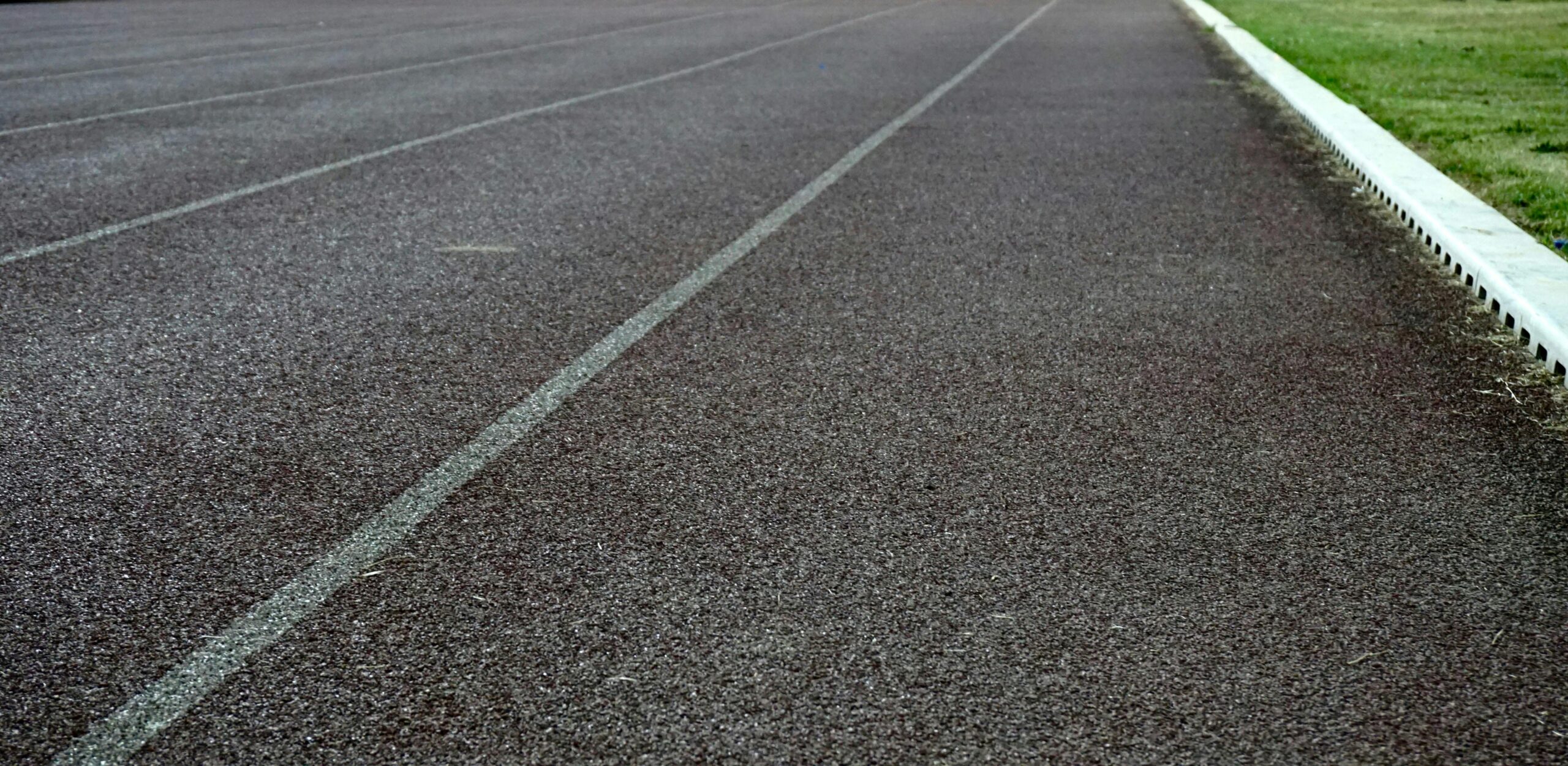
Running tracks provide a controlled environment specifically designed for runners. These oval surfaces, typically made from synthetic materials, offer consistency that’s difficult to find elsewhere.
Why Tracks Excel for Certain Training
The measured distance of tracks makes them perfect for interval training and speed work. You can execute precise workouts without guessing distances or constantly checking your GPS watch, allowing complete focus on effort and form.
Modern synthetic tracks provide excellent shock absorption while maintaining firmness for efficient energy return. This balance makes them suitable for high-intensity training without the joint stress of concrete or asphalt.
The flat, predictable surface eliminates variables that affect pace on roads or trails. This consistency helps you develop accurate pacing skills and benchmark your fitness improvements reliably over time.
Track Running Limitations
The repetitive circular motion places asymmetric stress on your body. Running counterclockwise for extended periods can create muscle imbalances and potentially contribute to injuries, particularly in the left leg and hip.
Tracks can feel monotonous mentally. The limited scenery and repetitive nature may reduce motivation during longer runs, making them less suitable for building aerobic base or enjoying the meditative aspects of running.
Access varies by location. While some tracks remain open to the public, others restrict usage to team practices or specific hours. Urban runners may need to travel considerable distances to reach suitable facilities.
🛣️ Pavement: The Urban Runner’s Reality
Concrete sidewalks and asphalt roads dominate the running landscape for most athletes. These hard surfaces offer convenience and accessibility but come with distinct biomechanical considerations.
The Benefits of Road Running
Convenience ranks as pavement’s primary advantage. You can literally step out your door and start running, with predictable surfaces extending for miles in most residential areas without requiring special access or travel.
The firm surface provides excellent feedback for developing efficient running form. Your body learns to maximize energy return with each stride, potentially improving running economy when you race on similar surfaces.
Pavement allows you to train specifically for road races. Since most organized running events take place on asphalt, training on similar surfaces prepares your body for the demands you’ll face on race day.
Pavement’s Potential Problems
The hardness that makes pavement efficient also increases impact forces. Runners accumulating high weekly mileage on concrete and asphalt face elevated risk of overuse injuries, including stress fractures, plantar fasciitis, and knee problems.
Concrete sidewalks are particularly unforgiving—approximately 10 times harder than asphalt. When choosing between the two, asphalt roads typically offer marginally better shock absorption, though both remain significantly harder than natural surfaces.
Road camber presents an often-overlooked challenge. Most roads slope toward edges for drainage, creating subtle lateral imbalances that can stress one leg more than the other, potentially contributing to IT band syndrome and hip problems.
⚙️ Treadmill: The Controlled Indoor Alternative
Treadmills transform running into an indoor activity, offering climate control and convenience at the cost of outdoor experience. These machines suit specific training needs while presenting unique biomechanical considerations.
Treadmill Training Advantages
Weather independence makes treadmills invaluable for consistent training. Extreme heat, cold, rain, snow, or air quality concerns never force you to skip workouts when you have indoor access available.
The cushioned belt reduces impact compared to pavement, potentially lowering injury risk while maintaining training volume. Many treadmills allow you to adjust cushioning levels to match your preferences and needs.
Precise control over pace, incline, and workout structure enables targeted training difficult to replicate outdoors. You can execute perfectly paced intervals or simulate specific race courses without interruption from traffic lights or terrain variations.
Safety represents another significant benefit, particularly for early morning or evening runners in urban environments. You avoid traffic, uneven surfaces, and personal security concerns that accompany outdoor running in certain areas.
The Treadmill Trade-Offs
Running biomechanics differ slightly on treadmills. The moving belt and lack of wind resistance reduce effort compared to outdoor running at the same pace. Research suggests setting treadmill incline to 1-2% better approximates outdoor running effort.
Mental challenges often accompany treadmill running. The static visual environment and repetitive nature can make workouts feel longer and more difficult psychologically, potentially reducing enjoyment and training consistency.
Treadmills don’t develop the stabilizing muscles activated when navigating outdoor terrain. Runners who train exclusively indoors may feel less prepared for the biomechanical demands of outdoor races and varied surfaces.
Cost and access present barriers for some runners. Quality home treadmills represent significant investments, while gym memberships add ongoing expenses that outdoor running avoids entirely.
📊 Comparing Running Surfaces: What Research Reveals
Scientific studies examining running surfaces provide valuable insights into how different terrains affect performance and injury risk. While individual responses vary, research identifies clear patterns worth considering.
Impact forces increase progressively from soft to hard surfaces. Studies measuring ground reaction forces show grass absorbs approximately 10% more shock than synthetic tracks, while concrete generates roughly 10% higher forces than asphalt.
Injury patterns vary by surface. Research links high pavement mileage with increased bone stress injuries, while softer surfaces show associations with higher rates of muscular strains as stabilizing muscles work harder on unstable terrain.
Running economy improves on firmer surfaces due to better energy return. However, this efficiency comes at the cost of increased joint loading, creating a trade-off between performance and injury risk over time.
🎯 Matching Surfaces to Your Training Goals
Strategic surface selection enhances specific aspects of your training while managing injury risk. Different workouts benefit from different terrains, suggesting a varied approach works best for most runners.
Speed Work and Intervals
Tracks and treadmills excel for high-intensity training. The controlled environment allows precise execution of demanding workouts without navigation distractions. The moderate firmness provides efficient energy return needed for fast running while offering reasonable impact protection.
Recovery and Easy Runs
Grass and soft trails provide ideal surfaces for recovery days. The reduced impact allows your body to adapt and repair while maintaining training consistency. The slower paces typical of easy runs make the efficiency loss on softer surfaces less relevant.
Long Runs and Aerobic Base
Mix surfaces during long runs to distribute stress differently across your musculoskeletal system. Combining pavement, grass sections, and occasional trail segments engages various muscle groups while preventing the repetitive stress of single-surface running.
Race Preparation
Train specifically for your goal race surface during the final preparation weeks. If racing on asphalt, gradually increase your pavement mileage to ensure your body adapts to the specific demands you’ll face on race day.
🔄 Creating a Balanced Surface Rotation
The most resilient runners strategically vary their training surfaces. This approach distributes mechanical stress differently across workouts, potentially reducing overuse injury risk while developing comprehensive fitness.
Consider dedicating specific workouts to particular surfaces based on training objectives. Schedule speed work on tracks, recovery runs on grass, easy runs on pavement for convenience, and use treadmills when weather or scheduling demands require.
Listen to your body’s responses to different surfaces. Some runners tolerate pavement well and thrive on its convenience, while others develop problems quickly without regular softer surface exposure. Individual biomechanics and injury history influence optimal surface distribution.
Transition gradually when incorporating new surfaces. Muscles and connective tissues need time to adapt to different demands. Suddenly increasing grass mileage after months of exclusively pavement running invites potential strain injuries from the unfamiliar stress patterns.
👟 Surface-Specific Footwear Considerations
Different surfaces may warrant different shoe approaches, though modern running shoes offer versatility across multiple terrains. Understanding these nuances helps optimize comfort and performance.
Softer surfaces like grass allow you to reduce shoe cushioning slightly, letting your foot work more naturally while the ground provides impact absorption. Some runners prefer minimal shoes or racing flats for grass training to enhance proprioceptive feedback.
Pavement demands adequate cushioning to protect against repetitive impact forces. Most runners benefit from well-cushioned trainers featuring durable outsoles designed for hard surface wear when accumulating significant road mileage.
Treadmill running may accelerate shoe wear despite reduced impact compared to pavement. The consistent surface contact pattern and controlled environment create uniform wear patterns that can degrade midsole cushioning predictably.
🌟 Making the Right Surface Choice for You
Your optimal running surface depends on multiple factors unique to your situation. Training goals, injury history, access to various surfaces, weather conditions, and personal preferences all influence what works best.
Beginners often benefit from softer surfaces initially while building foundational strength and adapting to running’s repetitive impact. As fitness improves and running economy develops, gradually introducing firmer surfaces prepares you for varied training and racing.
Injury-prone runners should prioritize softer surfaces and strategic variation. If you’ve struggled with bone stress injuries, emphasize grass and tracks while limiting pavement exposure. Those battling muscle strains might benefit from firmer surfaces requiring less stabilization effort.
Performance-focused runners training for specific races should progressively adapt to race surface conditions. If your goal marathon features asphalt roads, ensure adequate pavement exposure during preparation despite softer surfaces offering injury protection benefits.
The surface beneath your feet shapes your running experience more profoundly than many athletes recognize. Rather than seeking a single perfect surface, embrace variety strategically. Each terrain offers distinct benefits and challenges, and thoughtful rotation allows you to harvest advantages while mitigating limitations. Your body adapts to the stresses you impose, so intelligent surface selection becomes another training variable to manipulate for optimal results. Whether you prefer grass’s natural cushioning, track precision, pavement convenience, or treadmill control, understanding how each surface affects your body empowers better training decisions and ultimately helps you achieve your running goals more effectively.