Pain and recovery are universal experiences that affect everyone at some point in their lives. Whether you’re dealing with a sports injury, chronic pain, or post-workout soreness, choosing between hot and cold therapy can significantly impact your healing journey.

Understanding temperature therapy isn’t just about grabbing an ice pack or heating pad—it’s about knowing which treatment works best for your specific condition. The right choice can accelerate recovery, reduce inflammation, and provide much-needed relief, while the wrong one might delay healing or even worsen your symptoms.
🌡️ The Science Behind Temperature Therapy
Temperature therapy, also known as thermotherapy (heat) and cryotherapy (cold), works by influencing blood flow, cellular metabolism, and nerve signal transmission. These physiological changes create therapeutic effects that target pain and promote healing at different stages of injury or discomfort.
Cold therapy works by constricting blood vessels, a process called vasoconstriction. This reduces blood flow to the affected area, which helps minimize swelling, inflammation, and bruising. Cold also numbs nerve endings, providing immediate pain relief by slowing down the transmission of pain signals to your brain.
Heat therapy operates through the opposite mechanism—vasodilation. By expanding blood vessels, heat increases blood circulation to the targeted area. This enhanced blood flow delivers more oxygen and nutrients while removing metabolic waste products, which supports tissue repair and relaxation of tense muscles.
When Cold Therapy Becomes Your Best Friend ❄️
Cold therapy should be your go-to treatment for acute injuries—those that occur suddenly and are accompanied by visible swelling, redness, or bruising. The general rule is to apply cold therapy within the first 48 to 72 hours after an injury occurs.
Ideal Situations for Ice Application
Acute sprains and strains benefit tremendously from cold therapy. When you twist your ankle or pull a muscle during physical activity, applying ice immediately helps control the inflammatory response. This prevents excessive swelling that could impede your range of motion and prolong recovery time.
Sports-related injuries respond exceptionally well to cold treatment. Athletes commonly use ice baths or cold packs after intense training sessions to reduce muscle soreness and prevent delayed-onset muscle soreness (DOMS). This practice has become standard in professional sports for good reason—it works.
Post-surgical swelling can be effectively managed with cold therapy. After orthopedic procedures, dental work, or any surgery involving tissue trauma, controlled cold application helps minimize inflammation and provides analgesic effects without the need for additional medication.
Acute back pain episodes, particularly those involving inflammation around nerve roots, often respond better to cold than heat initially. The anti-inflammatory effect helps reduce pressure on compressed nerves, providing relief from radiating pain.
Proper Cold Therapy Technique
The effectiveness of cold therapy depends heavily on proper application. Never apply ice directly to skin, as this can cause ice burns or frostbite. Always use a thin towel or cloth as a barrier between the cold source and your skin.
Follow the 20-minute rule: apply cold therapy for 15 to 20 minutes at a time, then remove it for at least 40 minutes before reapplying. This on-off cycle prevents tissue damage while maximizing therapeutic benefits. During the initial 48 hours after injury, you can repeat this cycle every 2 to 3 hours while awake.
Different cold therapy methods offer varying levels of intensity. Ice packs are the most common and accessible option. Ice massage, where you freeze water in a paper cup and massage the injured area directly, provides targeted treatment. Cold compression wraps combine cooling with gentle pressure for enhanced effect. Ice baths offer whole-body or limb immersion for athletes dealing with multiple areas of soreness.
🔥 Heat Therapy: Warmth That Heals
Heat therapy shines when dealing with chronic conditions, muscle tension, and stiffness. Unlike cold therapy’s role in acute injuries, heat addresses long-standing issues by improving flexibility, reducing muscle spasms, and promoting relaxation.
Perfect Scenarios for Heat Application
Chronic pain conditions such as arthritis, fibromyalgia, and long-term back pain respond remarkably well to heat therapy. The warmth penetrates deep into tissues, soothing persistent aches and improving joint mobility. Many people with osteoarthritis find that morning heat application significantly improves their ability to move comfortably throughout the day.
Muscle tension and spasms benefit from heat’s relaxing properties. Whether caused by stress, poor posture, or overuse, tight muscles respond to increased circulation and the calming effect of warmth. Heat helps muscle fibers relax and lengthen, reducing the painful knots that develop in chronically tense areas.
Pre-exercise warm-up routines can incorporate heat therapy to prepare muscles for activity. Applying heat before stretching or working out increases tissue elasticity, making movements smoother and potentially reducing injury risk. This is particularly valuable for people with limited mobility or those recovering from previous injuries.
Menstrual cramps and abdominal discomfort respond well to heat application. The warmth relaxes uterine muscles and increases blood flow to the pelvic region, providing natural pain relief without pharmaceutical intervention.
Heat Therapy Methods and Best Practices
Heat therapy comes in two main forms: dry heat and moist heat. Dry heat includes heating pads, heat wraps, and infrared heat lamps. These methods are convenient and maintain consistent temperatures but can sometimes cause skin dehydration with prolonged use.
Moist heat involves warm baths, hot towels, moist heating pads, or steam treatments. Many people find moist heat more comfortable and penetrating than dry heat. The moisture helps heat penetrate deeper into tissues, and many physical therapists prefer this method for treating muscle-related issues.
Temperature matters when applying heat therapy. The ideal range is between 104°F and 113°F (40°C to 45°C). The heat should feel comfortably warm, never hot enough to cause discomfort or burn risk. If you have reduced sensation due to neuropathy or other conditions, use extra caution to prevent burns.
Duration and frequency differ from cold therapy. You can safely apply heat for 15 to 20 minutes at a time, and unlike cold therapy, you can repeat applications more frequently—every hour if needed. Some people benefit from longer sessions of 30 minutes, especially when using lower-temperature moist heat.
The Gray Zone: Situations Requiring Special Consideration 🤔
Not all pain situations fit neatly into the hot-or-cold categories. Some conditions require alternating therapies, while others need individualized approaches based on specific symptoms and responses.
Contrast Therapy: The Best of Both Worlds
Contrast therapy alternates between hot and cold applications, leveraging the benefits of both. This technique creates a “pumping” action in blood vessels—constriction from cold followed by dilation from heat—which some practitioners believe enhances circulation and waste removal more effectively than either therapy alone.
Athletes commonly use contrast therapy for recovery, alternating between cold and warm water immersion. A typical protocol involves 3 to 4 minutes in warm water followed by 30 to 60 seconds in cold water, repeated 3 to 5 times and always ending with cold.
Subacute injuries—those past the initial acute phase but not yet chronic—often benefit from contrast therapy. Once initial swelling has subsided (usually after 72 hours), alternating temperatures can help manage residual inflammation while promoting tissue repair.
Conditions Where Temperature Therapy Requires Caution
Certain medical conditions necessitate extra caution or complete avoidance of temperature therapy. People with diabetes often experience peripheral neuropathy, reducing their ability to sense temperature accurately. This creates burn risk from heat therapy and frostbite risk from cold therapy.
Circulatory disorders such as Raynaud’s disease, peripheral artery disease, or deep vein thrombosis require medical consultation before using temperature therapy. Altered blood flow patterns may create unexpected complications from treatments that would normally be safe.
Open wounds, infections, and skin conditions generally contraindicate temperature therapy. Heat can worsen infections by increasing bacterial growth and inflammation. Cold can impair wound healing by restricting blood flow to tissues that need enhanced circulation for repair.
Creating Your Personal Temperature Therapy Protocol 📋
Developing an effective temperature therapy routine requires understanding your specific condition, observing how your body responds, and adjusting accordingly. What works for one person might not work for another, even with similar conditions.
Assessment Steps Before Treatment
Start by identifying whether your pain is acute or chronic. Acute pain appears suddenly, often with a specific cause you can identify. It’s typically accompanied by visible signs like swelling, redness, or bruising. Chronic pain persists for weeks or months, often without obvious external signs of injury.
Consider the timing of your pain. Does it worsen with movement or improve with activity? Morning stiffness that improves throughout the day typically responds better to heat. Pain that increases with activity and improves with rest often benefits from cold therapy.
Observe inflammation markers. Visible swelling, warmth to the touch, and redness indicate active inflammation that generally responds better to cold. Absence of these signs, combined with tightness and restricted movement, suggests heat therapy might be more appropriate.
Tracking Your Response
Keep a simple log of your temperature therapy applications and their effects. Note the type of therapy used, duration, and your pain level before and after treatment using a 0-10 scale. This data helps identify patterns and optimize your approach over time.
Pay attention to immediate responses. If pain increases during or immediately after treatment, that’s a signal to switch approaches. Some mild discomfort during cold therapy is normal, but sharp pain or increased swelling indicates you should stop immediately.
Long-term improvements matter more than immediate sensations. Sometimes cold therapy feels less comfortable during application but provides better overall results for acute injuries. Conversely, heat might feel wonderful during application but could worsen certain conditions if used inappropriately.
Advanced Temperature Therapy Options 💡
Beyond basic ice packs and heating pads, several advanced options provide targeted, professional-grade temperature therapy for home use.
Cryotherapy chambers offer whole-body cold exposure at extremely low temperatures for short periods. While popular among athletes and celebrities, scientific evidence for superiority over traditional cold therapy remains mixed. These treatments are expensive and not accessible to most people.
Infrared heating devices penetrate deeper than traditional heat sources, targeting tissues several centimeters below the skin surface. Some research suggests infrared heat may provide benefits for chronic pain conditions, though more studies are needed to confirm optimal protocols.
Portable contrast therapy units designed for home use allow convenient alternation between hot and cold without the hassle of ice baths and heating equipment. These devices typically circulate temperature-controlled water through specialized wraps, making contrast therapy more accessible.
Gel packs that can be frozen or heated offer versatility for people who need both therapy options. These reusable packs conform to body contours better than traditional ice packs and maintain temperature longer than simple ice.
Integrating Temperature Therapy With Other Recovery Methods 🔄
Temperature therapy works best when combined with other evidence-based recovery strategies rather than used in isolation. This comprehensive approach addresses multiple aspects of healing and pain management simultaneously.
Rest and activity modification remain fundamental to recovery from acute injuries. Temperature therapy supports healing but cannot replace the body’s need for appropriate rest periods. However, complete immobilization is rarely recommended—gentle movement within pain-free ranges typically promotes better outcomes than total rest.
Proper nutrition supports tissue repair regardless of which temperature therapy you use. Adequate protein intake provides building blocks for tissue regeneration. Anti-inflammatory foods like fatty fish, berries, and leafy greens may complement the anti-inflammatory effects of cold therapy.
Stretching and mobility work pair excellently with heat therapy. Applying heat before stretching sessions increases tissue elasticity, allowing safer and more effective flexibility training. This combination is particularly valuable for people with chronic tightness or limited range of motion.
Professional treatments such as physical therapy, massage, or chiropractic care can be enhanced by strategic temperature therapy at home. Your healthcare provider can recommend specific protocols that complement their in-office treatments and accelerate your progress.
Common Temperature Therapy Mistakes to Avoid ⚠️
Even with good intentions, people frequently make errors that reduce effectiveness or potentially cause harm when using temperature therapy.
Applying heat to acute injuries is perhaps the most common mistake. The increased blood flow from heat application during the initial inflammatory phase can worsen swelling and potentially increase tissue damage. Always default to cold therapy for the first 48-72 hours after a new injury.
Using temperature therapy too long or too frequently can backfire. Excessive cold exposure can damage tissue and impair circulation. Prolonged heat application can cause burns, even at moderate temperatures, especially during sleep when you can’t monitor your response.
Ignoring contraindications puts people at risk for complications. Never apply temperature therapy over areas with reduced sensation, compromised circulation, or active infection. When in doubt, consult a healthcare provider before beginning treatment.
Expecting temperature therapy alone to solve complex pain problems leads to disappointment. While highly effective as part of a comprehensive approach, temperature therapy rarely provides complete solutions for significant injuries or chronic conditions without addressing underlying causes.
Making Temperature Therapy Work for Your Lifestyle 🏠
Successful long-term use of temperature therapy requires integration into your daily routine in practical, sustainable ways.
Keep supplies readily accessible. Store gel packs in your freezer and heating pads in convenient locations. The easier you make it to use these tools, the more consistently you’ll apply them when needed.
Create therapy stations in your home where you commonly experience pain. A heating pad near your desk for tension headaches, ice packs in the kitchen freezer for post-workout recovery, or a warm bath routine for evening pain management—these prepared setups encourage consistent use.
Set reminders for application timing. It’s easy to forget the recommended on-off cycles when distracted by work, entertainment, or daily activities. Phone alarms or timers help you adhere to safe, effective protocols.
Invest in quality supplies that will last. Cheap heating pads with unreliable temperature control or ice packs that leak create frustration and inconsistent results. Durable, well-designed temperature therapy tools pay for themselves through reliable long-term use.
Temperature Therapy Across Different Life Stages 👥
Age and life circumstances influence how you should approach temperature therapy, with different considerations for various populations.
Children require extra caution with temperature therapy due to thinner skin and less ability to communicate discomfort. Always use lower temperatures and shorter durations for pediatric applications. Supervise children during any temperature therapy session to ensure safety.
Pregnant women can generally use temperature therapy safely for musculoskeletal pain, but should avoid excessive heat exposure that raises core body temperature. Warm baths should remain below 100°F, and heating pads should not be applied directly to the abdomen, especially during early pregnancy.
Older adults often have thinner skin, reduced circulation, and decreased temperature sensitivity, all of which increase risk for temperature-related injuries. Lower temperatures, shorter durations, and careful monitoring become increasingly important with advancing age.
Athletes require more aggressive temperature therapy protocols due to higher tissue demands and recovery needs. Ice baths, contrast therapy, and strategic heat application before competition represent standard practices in sports medicine that may be excessive for non-athletic populations.
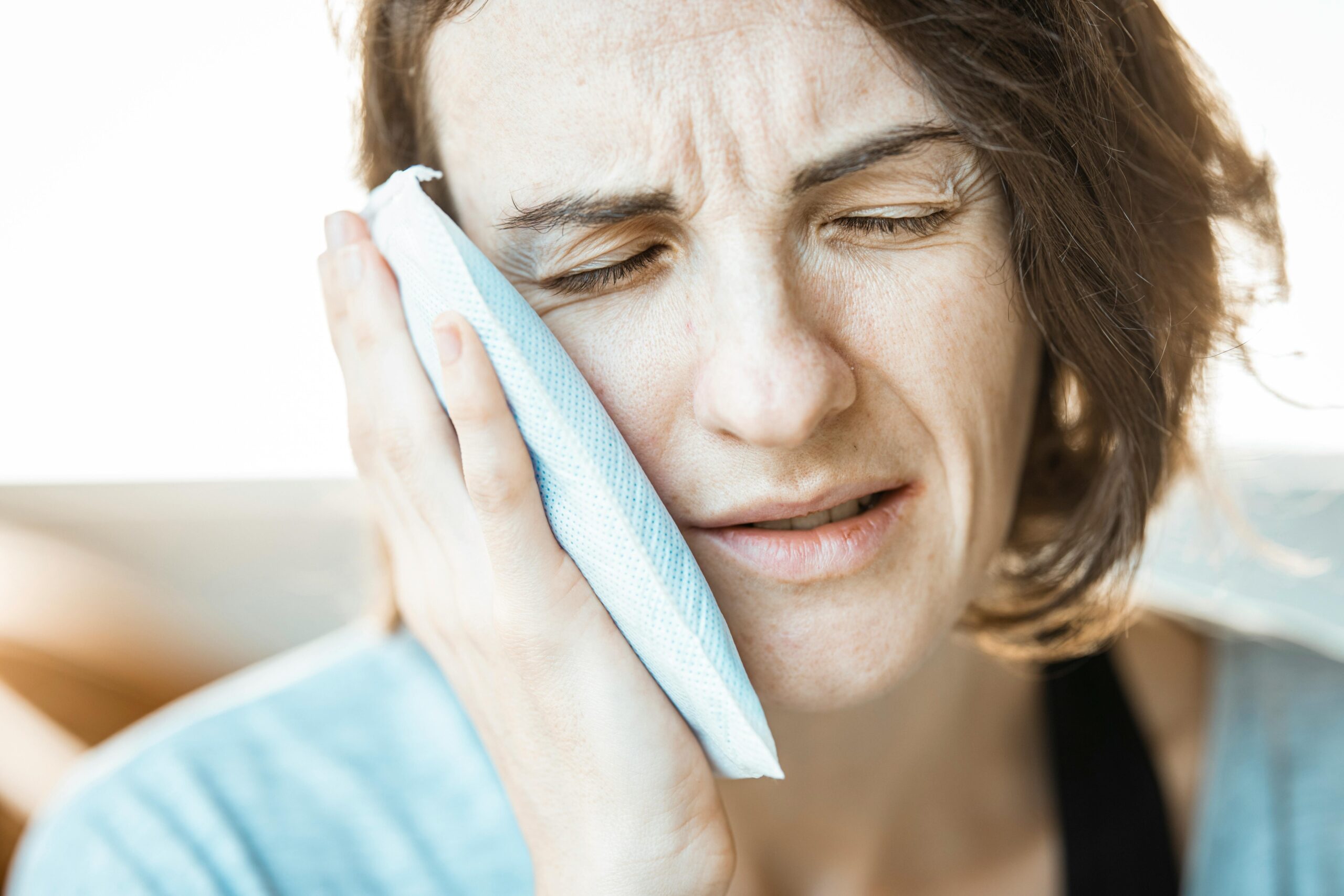
Your Path Forward With Temperature Therapy 🎯
Mastering temperature therapy transforms your ability to manage pain and optimize recovery. The key lies not in complex protocols or expensive equipment, but in understanding fundamental principles and applying them consistently to your specific situation.
Remember that cold therapy serves as your first response to acute injuries, controlling inflammation and providing immediate pain relief. Heat therapy addresses chronic conditions, muscle tension, and stiffness by promoting relaxation and circulation. When used appropriately, both modalities offer powerful, accessible tools for managing discomfort and supporting healing.
Start with conservative approaches—shorter durations, moderate temperatures, and careful observation of your body’s responses. As you gain experience with how your specific conditions respond, you can refine your protocols for optimal results. Don’t hesitate to consult healthcare professionals when dealing with significant injuries, persistent pain, or uncertain situations.
Temperature therapy represents just one component of comprehensive pain management and recovery strategies. Combined with appropriate rest, movement, nutrition, and professional care when needed, hot and cold treatments can significantly improve your quality of life and help you return to the activities you love with less discomfort and faster recovery times.