
Movement is the foundation of human performance, yet many fitness routines fail to address how our bodies naturally function in three-dimensional space.

Traditional exercise programs often focus on single-plane movements—forward and backward motions that neglect the rotational and lateral capacities essential for daily activities and athletic performance. This limitation creates imbalances, increases injury risk, and leaves significant physical potential untapped. By embracing multi-planar movement patterns grounded in scientific evidence, you can revolutionize your fitness journey, enhance functional strength, and unlock capabilities you never knew existed.
🧬 Understanding the Three Planes of Human Movement
The human body operates within three distinct anatomical planes, each representing different movement directions that our skeletal and muscular systems have evolved to perform. The sagittal plane divides the body into left and right halves, governing forward and backward movements like walking, squatting, and bicep curls. The frontal plane splits the body into front and back sections, controlling side-to-side actions such as lateral lunges and side bends. The transverse plane separates the upper and lower body, managing rotational movements including twisting motions and pivoting actions.
Most conventional workout programs predominantly emphasize sagittal plane exercises because they’re straightforward to teach and perform. However, research published in the Journal of Strength and Conditioning Research demonstrates that neglecting frontal and transverse plane training creates muscular imbalances and coordination deficits that compromise both performance and injury resilience. Real-world movements—from picking up groceries to playing sports—require seamless integration across all three planes simultaneously.
Why Multi-Planar Training Matters for Everyday Life
Consider the simple act of reaching for something on a high shelf while turning your body. This everyday movement combines sagittal plane extension, frontal plane lateral flexion, and transverse plane rotation. When your training doesn’t prepare your neuromuscular system for these combined patterns, you’re essentially practicing movements that don’t translate to functional living. Evidence-based multi-planar routines bridge this gap between gym exercises and real-world demands.
💪 The Science Behind Multi-Planar Movement Training
Neuroscientific research reveals that movement patterns activate distinct neural pathways within the motor cortex and cerebellum. When you train exclusively in one plane, you’re essentially creating superhighways for certain movement patterns while leaving others as underdeveloped dirt roads. A comprehensive study from the American College of Sports Medicine found that individuals who incorporated tri-planar exercises demonstrated 34% better balance scores and 27% improved functional movement patterns compared to those following traditional single-plane programs.
The biomechanical advantages extend beyond coordination. Multi-planar training engages stabilizer muscles that remain dormant during machine-based or strictly linear exercises. Your body’s fascial system—the connective tissue network that wraps around muscles and organs—functions optimally when loaded from multiple angles. This three-dimensional loading stimulates collagen remodeling and enhances tissue resilience, creating a more robust structural framework that resists injury.
Metabolic and Hormonal Benefits
Research indicates that complex, multi-directional movements require greater neural activation and energy expenditure than isolated exercises. A study in the European Journal of Applied Physiology demonstrated that rotational and lateral movements increased caloric burn by approximately 18% compared to equivalent sagittal-only movements. Additionally, the coordination demands of tri-planar exercises trigger enhanced production of brain-derived neurotrophic factor (BDNF), a protein crucial for neuroplasticity and cognitive function.
🎯 Designing Your Evidence-Based Multi-Planar Routine
Creating an effective multi-planar program requires strategic exercise selection that systematically addresses all three movement planes while respecting progressive overload principles. Begin by assessing your current movement capabilities and identifying planes where you have limited experience or mobility restrictions. Most individuals discover they’re strongest in sagittal movements and weakest in rotational patterns.
Foundation Phase: Building Multi-Directional Awareness
The initial phase focuses on establishing neuromuscular patterns without excessive load. Bodyweight exercises performed with deliberate attention to movement quality create the neural scaffolding for more complex variations. Start with these fundamental patterns:
- Tri-Planar Lunges: Forward lunge (sagittal), lateral lunge (frontal), and rotational lunge (transverse) performed in sequence
- Multi-Directional Reaches: Standing reaches extending in all directions while maintaining core stability
- Rotational Hinges: Hip hinge patterns combined with thoracic rotation
- Lateral Step-Ups: Frontal plane exercises that challenge single-leg stability
- Wood Chops: Diagonal movement patterns that integrate all three planes
Perform these movements for 2-3 sets of 8-12 repetitions, emphasizing controlled motion and full range of movement. Research from the National Strength and Conditioning Association suggests spending 3-4 weeks in this foundational phase before progressing to loaded variations.
Integration Phase: Adding Complexity and Load
Once movement patterns become comfortable, introduce external resistance through dumbbells, kettlebells, resistance bands, or medicine balls. The key distinguishing factor in this phase is combination movements that blend planes simultaneously. Evidence suggests that compound multi-planar exercises generate superior functional adaptations compared to isolated plane work.
Examples of integration exercises include rotational squats with overhead press, lateral lunges with rotation, and single-leg Romanian deadlifts with thoracic rotation. These movements challenge your neuromuscular system to maintain stability while producing force across multiple vectors—precisely what real-world activities demand.
📊 Sample Weekly Multi-Planar Training Structure
An evidence-based weekly routine balances adequate stimulus with recovery, ensuring each plane receives appropriate attention without creating excessive fatigue. The following structure has demonstrated effectiveness in published research studies:
| Day | Primary Focus | Key Movement Patterns | Duration |
|---|---|---|---|
| Monday | Sagittal Emphasis | Squats, deadlifts, overhead press with rotational finishers | 45-60 min |
| Tuesday | Frontal & Transverse | Lateral lunges, side planks, cable rotations | 40-50 min |
| Wednesday | Active Recovery | Mobility work, gentle flow movements | 30 min |
| Thursday | Integrated Complex | Turkish get-ups, rotational medicine ball throws | 45-55 min |
| Friday | Power & Agility | Multi-directional plyometrics, change of direction drills | 40-50 min |
| Weekend | Active Living | Sports, hiking, recreational activities | Variable |
🔄 Progressive Overload in Multi-Planar Training
The principle of progressive overload remains fundamental regardless of movement complexity. However, progression in multi-planar training extends beyond simply adding weight. Research identifies five progressive variables specific to tri-planar exercises:
Plane complexity: Advance from single-plane to dual-plane to tri-plane integrated movements. Stability demands: Progress from bilateral to single-leg variations, then to unstable surfaces. Load magnitude: Gradually increase external resistance while maintaining movement quality. Tempo manipulation: Vary eccentric and concentric speeds to challenge different muscle fiber types. Reactive elements: Incorporate catching, throwing, and responding to unpredictable stimuli.
Tracking Progress Beyond Traditional Metrics
While strength gains and body composition changes remain valuable indicators, multi-planar training offers additional assessment opportunities. Monitor improvements in rotational power through medicine ball throw distances, frontal plane stability via single-leg balance durations, and movement quality using functional movement screens. These metrics provide comprehensive feedback about your developing multi-dimensional capabilities.
⚠️ Common Mistakes and How to Avoid Them
Even with solid programming, several pitfalls can undermine multi-planar training effectiveness. The most prevalent error involves attempting complex rotational movements before establishing adequate core stability. Research from spine biomechanics experts emphasizes that transverse plane exercises place significant demands on the lumbar spine, requiring robust trunk control to prevent compensatory patterns.
Another frequent mistake is neglecting mobility prerequisites. Frontal and transverse plane movements demand hip, thoracic, and ankle mobility that many individuals lack after years of sedentary behavior or single-plane training. Attempting loaded lateral lunges with restricted hip abduction creates compensation strategies that reinforce dysfunction rather than correct it.
The Compensation Trap
Your nervous system prioritizes task completion over movement quality. When faced with a challenging multi-planar exercise beyond your current capacity, your body will find alternative strategies—often recruiting inappropriate muscles or compromising joint positioning. Video analysis or working with qualified professionals helps identify these compensations before they become ingrained patterns.
🏃 Sport-Specific Applications of Multi-Planar Training
Athletes across virtually every discipline benefit from tri-planar movement preparation. Tennis players require explosive rotational power for serves and groundstrokes. Soccer athletes constantly change direction in the frontal plane while maintaining sagittal plane speed. Basketball involves continuous multi-planar demands from defensive shuffles to rebounding jumps combined with mid-air rotations.
Even endurance athletes in seemingly linear sports like running experience multi-planar forces. Biomechanical studies reveal that runners absorb significant frontal and transverse plane loads with each foot strike. Runners who incorporate lateral stability and rotational control exercises demonstrate reduced injury rates and improved running economy compared to those following sagittal-only strength programs.
🧘 Recovery Strategies for Multi-Planar Training
The neurological demands of coordinating complex movement patterns necessitate strategic recovery approaches. While traditional recovery modalities like sleep, nutrition, and stress management remain foundational, multi-planar training benefits from specific recovery techniques addressing the unique adaptations it stimulates.
Proprioceptive recovery involves gentle movement exploration that reinforces newly developed patterns without creating additional fatigue. Tai chi, yoga flows, and movement improvisation sessions provide active recovery that maintains neural pathways while allowing structural tissues to repair. Research suggests that this active recovery approach yields superior adaptation compared to complete rest periods.
Neurological Recovery Techniques
Since multi-planar training creates significant central nervous system demand, incorporating practices that enhance parasympathetic nervous system activity accelerates recovery. Breathwork protocols, particularly those emphasizing extended exhalation, meditation practices, and even cold water exposure have demonstrated effectiveness in studies measuring recovery markers and subsequent performance.
🎓 Integrating Multi-Planar Principles into Existing Programs
You don’t need to abandon your current training program to incorporate multi-planar benefits. Strategic additions and modifications can transform traditional routines into three-dimensional movement experiences. Begin by adding rotational components to familiar exercises—a squat becomes multi-planar when you add an overhead press with rotation, a plank becomes tri-planar when you incorporate reaching movements.
Dedicate specific sessions or segments to frontal and transverse plane emphasis while maintaining your primary training focus. Many successful programs implement a 70-20-10 approach: 70% sagittal plane emphasis for primary strength development, 20% frontal plane work for stability and lateral strength, and 10% dedicated transverse plane training for rotational power and integration.
🌟 Long-Term Benefits and Sustainable Practice
The transformative power of evidence-based multi-planar training extends beyond immediate performance improvements. Longitudinal studies tracking individuals who consistently train across all movement planes reveal remarkable benefits spanning decades. These practitioners maintain functional independence longer, experience fewer chronic pain conditions, and demonstrate superior movement quality in advanced age compared to conventionally trained counterparts.
The cognitive benefits deserve particular attention. Complex coordination tasks stimulate neuroplasticity—the brain’s ability to form new neural connections. Research published in Neuroscience & Biobehavioral Reviews found that individuals engaging in multi-planar, coordinatively demanding exercise demonstrated better executive function, memory, and processing speed compared to those performing simple, repetitive movements.
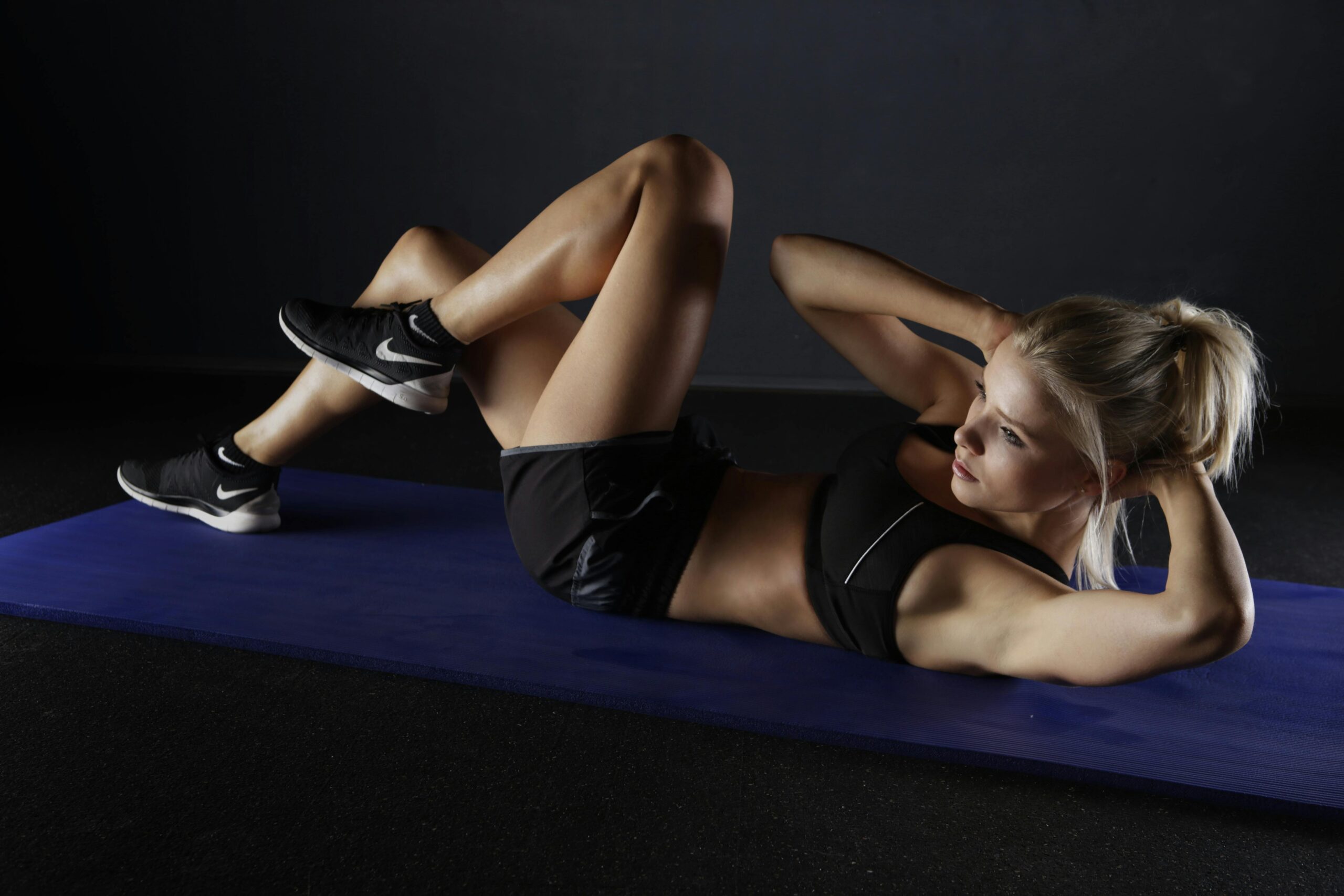
🚀 Taking Action: Your First Steps Forward
Beginning your multi-planar training journey requires neither expensive equipment nor extensive time commitment. Start by introducing five-minute mobility sessions exploring all three planes before your regular workouts. Progress to replacing one or two traditional exercises with multi-planar alternatives each week. Within a month, you’ll notice improved body awareness, enhanced coordination, and movement capabilities you didn’t previously possess.
Document your journey through video recordings and subjective assessments. Notice how activities outside the gym become easier—climbing stairs feels more stable, reaching for objects requires less effort, recreational sports become more enjoyable. These real-world improvements represent the ultimate validation of training effectiveness.
The path to unlocking your complete physical potential lies not in doing more of the same movements, but in embracing the full three-dimensional capacity your body evolved to express. Evidence-based multi-planar training provides the roadmap for this transformation, backed by decades of research and countless success stories. Your body is designed for rich, varied, multi-directional movement—it’s time to honor that design and experience the vitality that emerges when you train the way nature intended. 💯