
Your posture speaks volumes before you say a word. Poor alignment doesn’t just affect how others perceive you—it directly impacts your physical health, energy levels, and self-confidence in ways most people never realize.

Modern lifestyles have created an epidemic of forward head posture, rounded shoulders, and restricted upper-body mobility. Hours spent hunched over screens, driving, or performing repetitive tasks create muscular imbalances that compress your spine, limit breathing capacity, and trigger chronic pain. The good news? Targeted mobility work can reverse these patterns and transform how you move, feel, and present yourself to the world.
🔍 Understanding the Mechanics Behind Poor Posture
Before diving into solutions, it’s essential to understand what’s actually happening in your body when posture deteriorates. Your neck and upper body function as an interconnected system where weakness or tightness in one area creates compensatory problems elsewhere.
The average human head weighs about 10-12 pounds in neutral position. For every inch your head moves forward from proper alignment, the effective weight on your cervical spine increases by approximately 10 pounds. This means a typical “tech neck” position can place 40-50 pounds of stress on structures designed to support much less.
This forward head posture triggers a cascade of compensations. Your upper trapezius and levator scapulae muscles become chronically tight and overworked. Meanwhile, your deep neck flexors—the stabilizing muscles at the front of your neck—become weak and inhibited. Your shoulder blades protract forward, stretching the rhomboids and mid-trapezius while shortening the pectoral muscles.
The Real Cost of Restricted Mobility
Limited neck and upper-body mobility doesn’t just create aesthetic concerns. Research consistently shows connections between poor posture and decreased lung capacity, increased risk of cardiovascular disease, reduced cognitive function, heightened anxiety levels, and chronic pain syndromes including tension headaches and temporomandibular joint dysfunction.
Your thoracic spine—the mid-back region—requires adequate rotation and extension mobility for optimal shoulder function. When this area becomes stiff from prolonged sitting, your shoulders compensate by moving in mechanically disadvantaged positions, increasing injury risk during both daily activities and exercise.
💪 The Foundation: Breathing and Core Connection
Most mobility routines ignore the single most important factor in sustainable postural change: proper breathing mechanics. Your diaphragm, deep core muscles, and postural stabilizers work together to create intra-abdominal pressure that supports your spine from the inside out.
Paradoxically, people with poor posture often develop dysfunctional breathing patterns that reinforce their alignment problems. Shallow chest breathing recruits the accessory respiratory muscles in your neck and shoulders, keeping them in constant tension while failing to engage your core stabilizers effectively.
Diaphragmatic Breathing Reset
Begin every mobility session with 2-3 minutes of focused breathing practice. Lie on your back with knees bent and feet flat. Place one hand on your chest and one on your abdomen. Inhale slowly through your nose for 4 counts, allowing your belly to rise while keeping your chest relatively still. Exhale for 6 counts, feeling your abdominal wall gently draw inward.
This simple practice accomplishes multiple goals simultaneously: it downregulates your nervous system for better movement quality, activates your deep core stabilizers, and establishes the breathing pattern you’ll maintain throughout your routine.
🎯 The Transformative Neck Mobility Sequence
Your cervical spine is capable of movement in six directions: flexion, extension, lateral flexion (both sides), and rotation (both sides). Most people develop significant restrictions in extension and rotation—the exact movements needed for proper posture and confident head positioning.
Gentle Neck Retractions
This foundational exercise strengthens your deep neck flexors while stretching tissues at the back of your neck. Sit or stand with neutral spine alignment. Without tilting your chin up or down, glide your head straight backward, creating a “double chin” appearance. Hold for 5 seconds, then return to start. Perform 10-15 repetitions.
The key is maintaining a level gaze throughout the movement—imagine sliding your head along a horizontal plane. This exercise directly counters forward head posture patterns and can be performed multiple times daily, even at your desk.
Controlled Cervical Rotations
Begin with your head in neutral alignment. Slowly rotate your head to look over your right shoulder, moving only as far as comfortable without forcing. At your end range, perform 5 small pulsing movements, breathing deeply. Return to center and repeat on the left side. Complete 3-4 sets per side.
These controlled rotations with end-range pulsing stimulate mechanoreceptors that help your nervous system recalibrate safe movement ranges. The breathing component prevents muscular guarding that typically limits mobility.
🌟 Upper Trapezius and Levator Scapulae Release
These muscles become notoriously tight in people with postural dysfunction, creating the characteristic “hunched” appearance and contributing to tension headaches. Direct stretching alone rarely provides lasting relief—you need to address both the tightness and the underlying weakness causing overwork.
Active Neck Side Bends
Sit tall with your right hand gently holding the bottom of your chair seat. Tilt your head toward your left shoulder while simultaneously reaching your left hand overhead and toward the right. Rather than passively stretching, create light activation by imagining you’re pushing your left ear toward your left shoulder against gentle resistance. Hold for 30 seconds with steady breathing, then switch sides.
This active approach creates reciprocal inhibition—when you contract muscles on one side, the nervous system signals the opposite muscles to relax more effectively than passive stretching alone.
🔄 Thoracic Spine Mobility: The Game-Changer
Improving mid-back mobility often produces more dramatic posture improvements than neck work alone. Your thoracic spine should be capable of extension (arching backward) and rotation—movements that become severely limited from sitting.
Quadruped Thoracic Rotations
Position yourself on hands and knees with neutral spine alignment. Place your right hand behind your head. Rotate your torso to bring your right elbow toward your left hand, then reverse the movement, opening your chest toward the ceiling while following your elbow with your eyes. Perform 8-10 slow, controlled rotations per side.
This exercise isolates thoracic rotation while your lumbar spine remains stable. The head-following-hand component integrates eye movement with spinal rotation, enhancing the neurological repatterning effect.
Sphinx to Extended Puppy Pose Flow
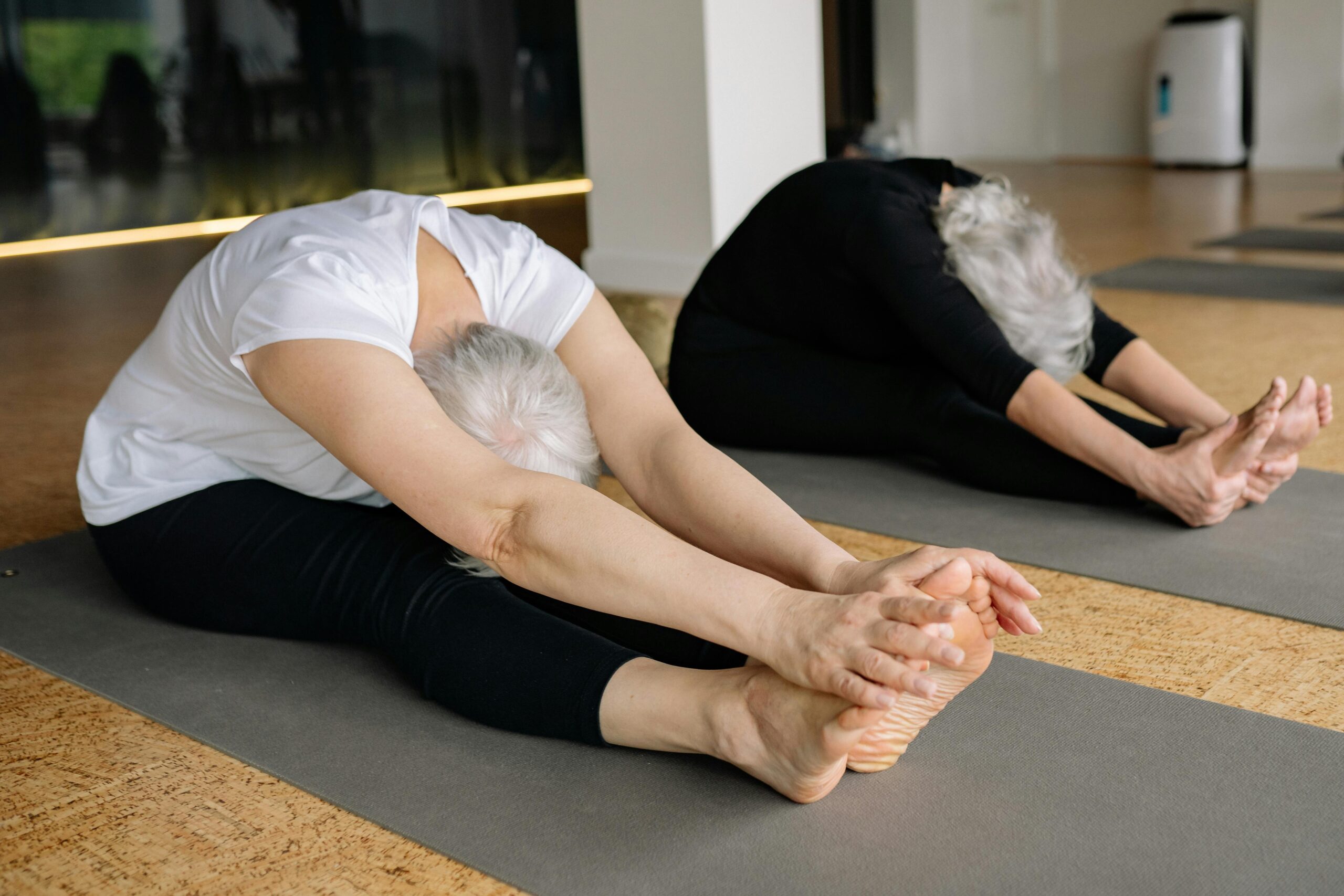
Start lying face-down with forearms on the ground, elbows under shoulders. Press into your forearms to lift your chest, creating gentle thoracic extension. Hold for 5 breaths. Then push back into a modified child’s pose with arms extended, letting your chest sink toward the floor. Hold for 5 breaths. Flow between these positions 5-6 times.
This flowing sequence addresses thoracic extension from two different angles while incorporating a breathing rhythm that enhances the mobility-building effect.
💎 Shoulder Blade Stability and Control
Your scapulae (shoulder blades) should glide smoothly across your rib cage, capable of protraction, retraction, elevation, depression, and rotation. Postural dysfunction typically involves chronically protracted (forward) and elevated (shrugged) shoulder blades with poor control.
Scapular Wall Slides
Stand with your back against a wall, feet about 6 inches away. Press your lower back, upper back, head, and arms against the wall with elbows bent at 90 degrees. Slowly slide your arms upward while maintaining wall contact. Only go as high as you can while keeping everything pressed to the wall. Lower back down with control. Perform 10-12 repetitions.
This deceptively challenging exercise reveals mobility restrictions while strengthening the mid-trapezius and serratus anterior muscles responsible for proper shoulder blade positioning.
Prone Y-T-W Sequence
Lie face-down with forehead resting on a folded towel. For Y: extend arms overhead at 45-degree angles, thumbs up, and lift them slightly off the ground. Hold 3 seconds. For T: position arms straight out to sides, thumbs up, and lift. Hold 3 seconds. For W: bend elbows and pull shoulder blades together as if squeezing a pencil between them. Hold 3 seconds. Perform 8-10 complete sequences.
This progression strengthens the entire posterior shoulder girdle in multiple positions, building the endurance necessary to maintain improved posture throughout the day.
⚡ Pectoral and Anterior Shoulder Opening
While strengthening your back is essential, you must also address the adaptive shortening in chest and anterior shoulder muscles that pull you into forward posture patterns.
Doorway Pectoral Stretch Variations
Stand in a doorway with your forearm against the frame, elbow at shoulder height. Step forward with the opposite leg until you feel a comfortable stretch across your chest and front shoulder. Hold for 45-60 seconds. Repeat with your forearm positioned higher (targeting lower pec fibers) and lower (targeting upper fibers).
These static stretches are most effective after movement-based work when your nervous system is primed for range-of-motion changes. Focus on steady breathing rather than forcing deeper stretches.
📱 Technology-Assisted Posture Transformation
Modern problems sometimes benefit from modern solutions. Several evidence-based applications can enhance your mobility routine by providing guided programs, posture tracking, and movement reminders.
Consistency remains the determining factor in transformative results. Using structured programs helps maintain the regular practice necessary for neurological and structural adaptation.
🎯 Creating Your Personalized Routine
The exercises described above form a comprehensive toolkit, but you don’t need to perform everything in every session. Effective routines balance thoroughness with sustainability—better to do 15 minutes daily than plan an hour-long session you’ll avoid.
The Daily Minimum Effective Dose
For maintaining improvements and preventing postural deterioration, commit to this 10-minute sequence every morning:
- Diaphragmatic breathing: 2 minutes
- Neck retractions: 15 repetitions
- Cervical rotations with pulses: 3 sets each side
- Quadruped thoracic rotations: 10 each side
- Wall slides: 12 repetitions
- Doorway pec stretch: 60 seconds each arm position
The Deep-Work Session
Three times weekly, dedicate 25-30 minutes to a more comprehensive practice including all exercises with additional sets and longer holds. This provides the stimulus necessary for significant structural adaptations.
🚀 Beyond Mobility: Integrating Strength and Movement Quality
Mobility work creates potential—the ability to access better positions. Strength training in those new ranges solidifies improvements by building structural capacity to maintain improved alignment under load and fatigue.
As your mobility improves, incorporate exercises like face pulls, band pull-aparts, overhead pressing with proper mechanics, and loaded carries. These build the strength and endurance to support your new postural baseline during real-world activities.
🌈 The Confidence Connection: How Posture Transforms Self-Perception
Research in embodied cognition demonstrates bidirectional relationships between body positioning and psychological states. Adopting expansive, upright postures increases testosterone, decreases cortisol, enhances feelings of power and confidence, and improves performance under stress.
Your improved physical alignment creates a positive feedback loop: better posture leads to increased confidence, which naturally maintains better posture. You’ll notice differences in how people respond to you, how you feel in professional settings, and your overall energy levels throughout the day.
⏱️ Timeline and Realistic Expectations
Honest expectations prevent discouragement. You may feel immediate improvements in comfort and range of motion after your first session. However, sustainable structural changes require consistent practice over weeks and months.
Most people notice visible postural improvements within 4-6 weeks of daily practice. Deeper adaptations in fascial tissue, muscular recruitment patterns, and nervous system control continue developing for 6-12 months. The investment pays exponential dividends in long-term health, pain prevention, and quality of life.
🔑 Key Success Factors for Long-Term Transformation
Movement quality always supersedes quantity. Ten mindful, controlled repetitions with proper breathing create more adaptation than thirty rushed, distracted repetitions. Focus on the internal experience—what you feel in target tissues—rather than external achievement metrics.
Environmental design supports consistency. Keep a yoga mat in visible location, set phone reminders for movement breaks, and pair your routine with existing habits like morning coffee. These strategic triggers dramatically increase adherence rates.
Progress tracking provides motivation during plateaus. Take photos from front, side, and back views every two weeks. Note subjective measures like pain levels, energy, and confidence. These tangible records remind you of improvements when day-to-day changes feel subtle.
💫 Your Posture, Your Power
The relationship between your physical alignment and every aspect of your life—from professional opportunities to personal relationships—cannot be overstated. Your neck and upper-body mobility directly influences your breathing capacity, pain levels, cognitive function, emotional state, and the first impression you make in every interaction.
This transformative routine provides the tools for genuine, sustainable change. The exercises address root causes rather than symptoms, creating structural improvements that compound over time. Your commitment to this practice is an investment in your health, confidence, and potential that continues paying returns for decades.
Begin today with just the breathing exercise and neck retractions. Build gradually. Trust the process. Your best posture—and the strength and confidence that accompany it—await on the other side of consistent, mindful practice.