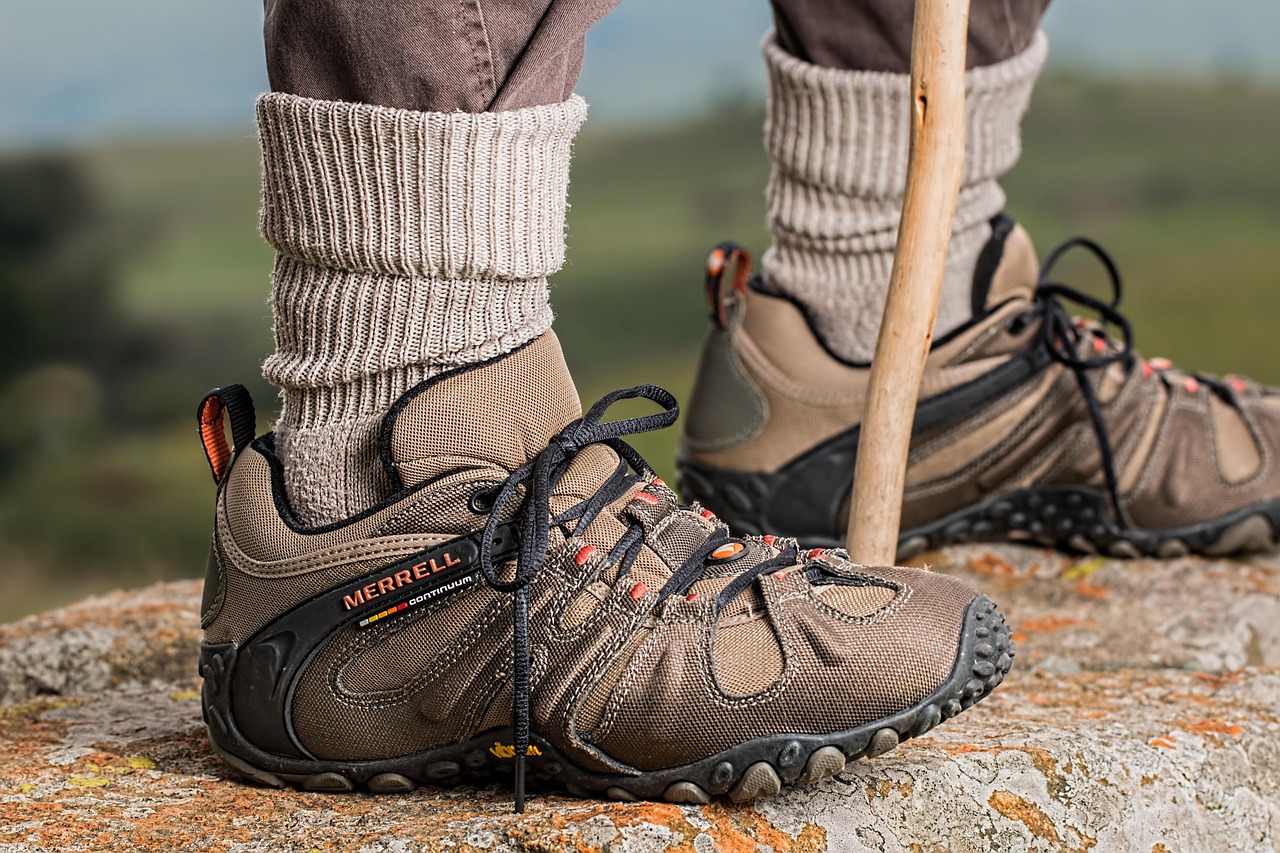
Walking may seem simple, but maximizing your endurance requires more than just putting one foot in front of the other. The secret to sustained, powerful strides lies in your core—the foundation that keeps you upright, balanced, and energized throughout every mile.

Whether you’re a casual walker aiming to increase your daily steps or a dedicated fitness enthusiast training for long-distance treks, developing core stability can transform your walking experience. A strong core doesn’t just prevent fatigue; it enhances your posture, reduces injury risk, and allows you to walk farther with less effort. Let’s explore how integrating a targeted core stability routine can revolutionize your walking endurance and overall fitness journey.
🎯 Why Core Stability Is Your Walking Superpower
Your core muscles form the central powerhouse of your body, connecting your upper and lower halves. This muscular network includes your abdominals, obliques, lower back muscles, pelvic floor, and hip stabilizers. When these muscles work harmoniously, they create a stable platform that supports every movement pattern, especially the repetitive motion of walking.
During walking, your core constantly adjusts to maintain balance as your weight shifts from one leg to the other. Without adequate core strength, your body compensates by placing excessive strain on your legs, hips, and lower back. This inefficiency not only drains your energy faster but also increases your susceptibility to common walking-related discomfort and injuries.
Research consistently demonstrates that individuals with stronger core muscles exhibit better walking economy—meaning they expend less energy to cover the same distance. This enhanced efficiency translates directly into improved endurance, allowing you to walk longer distances while maintaining proper form and feeling less fatigued.
🔍 The Connection Between Core Strength and Walking Performance
Understanding the biomechanics of walking reveals why core stability matters so profoundly. Each stride involves a complex sequence of muscle activations that begin at your core and radiate outward to your limbs. Your core initiates rotational forces, stabilizes your spine, and transfers energy efficiently between your upper and lower body.
When your core muscles are weak or uncoordinated, several problematic compensations occur. Your pelvis may tilt excessively, your shoulders might hunch forward, and your gait pattern becomes asymmetrical. These deviations create friction in your movement, wasting precious energy that could otherwise propel you forward.
Energy Conservation Through Stability
A stable core acts like a shock absorber, minimizing unnecessary movements that don’t contribute to forward propulsion. Instead of your torso swaying side to side or rotating excessively, a strong core keeps your body aligned and focused on efficient forward motion. This conservation of energy becomes increasingly important as walking duration extends.
Additionally, core stability directly influences your breathing efficiency. When your torso remains stable and upright, your diaphragm functions optimally, allowing deeper, more effective breaths. Better oxygen delivery to your working muscles means enhanced endurance and delayed fatigue during long walks.
💪 Essential Core Exercises for Walking Endurance
Building core stability for walking requires targeting specific muscle groups with functional exercises that mimic the demands of walking. The following routine combines static holds, dynamic movements, and rotational exercises to develop comprehensive core strength.
Plank Variations for Foundational Strength
The plank and its variations form the cornerstone of core stability training. Start with a basic forearm plank, maintaining a straight line from head to heels for 30-60 seconds. As you progress, incorporate side planks to strengthen your obliques and improve lateral stability—crucial for maintaining balance during walking.
To make planks more walking-specific, try plank shoulder taps. From a high plank position, alternately lift one hand to tap the opposite shoulder while minimizing hip rotation. This exercise trains the anti-rotation strength your core needs to keep your torso stable while your limbs move independently during walking.
Bird Dogs for Balance and Coordination
The bird dog exercise excellently replicates the reciprocal movement pattern of walking. Begin on hands and knees, then simultaneously extend your right arm forward and left leg backward, maintaining a neutral spine. Hold for a few seconds before switching sides. This exercise develops the cross-body coordination essential for efficient walking mechanics.
Perform 10-15 repetitions per side, focusing on keeping your hips level and preventing your torso from rotating. As this becomes easier, slow down the movement or add a brief pause at full extension to increase the stability challenge.
Dead Bugs for Anti-Extension Control
Dead bugs strengthen your core’s ability to resist excessive lower back arching—a common compensation when core muscles fatigue during long walks. Lie on your back with arms extended toward the ceiling and knees bent at 90 degrees. Slowly lower opposite arm and leg toward the floor while keeping your lower back pressed against the ground.
This exercise teaches your core to maintain spinal stability while your limbs move independently, directly transferring to better walking form. Aim for 10-12 controlled repetitions per side, breathing steadily throughout the movement.
Pallof Press for Anti-Rotation Strength
The Pallof press develops the anti-rotation strength that prevents excessive twisting during walking. Attach a resistance band to a stable anchor at chest height. Stand perpendicular to the anchor, holding the band with both hands at your sternum. Press your hands straight out while resisting the band’s pull to rotate your torso.
This exercise strengthens the exact core function needed to keep your shoulders and hips properly aligned during walking. Perform 12-15 repetitions per side, focusing on maintaining an upright posture throughout.
🏃♀️ Integrating Core Work with Your Walking Routine
Strategically timing your core exercises relative to your walking sessions maximizes their effectiveness. Consider performing a brief core activation routine before walking to “wake up” these muscles and prepare them for the stabilization demands ahead.
A pre-walk core warmup might include 10 bird dogs per side, a 30-second plank, and 10 standing marches with exaggerated core engagement. This five-minute investment primes your nervous system to recruit core muscles more effectively throughout your walk.
Creating a Weekly Training Schedule
For optimal results, dedicate 2-3 sessions per week to comprehensive core strengthening, separate from your walks. These 20-30 minute workouts should include a variety of exercises targeting different core functions: anti-extension, anti-rotation, and lateral stability.
On alternate days, perform your regular walks, applying the strength and stability you’ve developed. Notice how your posture feels more effortless and your energy remains more consistent throughout longer distances. This alternating pattern allows adequate recovery while building progressive strength adaptations.
⚖️ Balance Training: The Missing Link in Walking Endurance
Balance and core stability are inseparably connected—each enhances the other. Incorporating specific balance exercises into your routine further boosts walking endurance by improving proprioception (your body’s spatial awareness) and neuromuscular coordination.
Single-leg balance exercises deserve particular attention. Simply standing on one foot for 30-60 seconds challenges your core stabilizers to maintain alignment while your base of support narrows. Progress this by closing your eyes, standing on an unstable surface, or adding small arm movements to increase difficulty.
Dynamic Balance Drills
Walking itself is essentially a series of controlled single-leg balances. Training dynamic balance through exercises like single-leg Romanian deadlifts or walking lunges develops the stability you need to maintain efficient form when fatigue sets in during long walks.
Try heel-to-toe walking along a straight line, which challenges your balance while mimicking walking mechanics. This simple drill enhances the coordination between your core stabilizers and lower body muscles, directly transferring to improved walking endurance.
🔋 Breathing Techniques for Core Engagement and Endurance
Proper breathing patterns reinforce core stability while optimizing oxygen delivery—a double benefit for walking endurance. Diaphragmatic breathing, where your belly expands on inhalation rather than your chest rising, naturally engages your deep core muscles and promotes efficient respiration.
Practice this technique while performing core exercises: inhale deeply through your nose, feeling your abdomen expand, then exhale completely through your mouth while gently drawing your navel toward your spine. This breathing pattern maintains intra-abdominal pressure that supports your spine and enhances core stability.
Rhythmic Breathing During Walking
Establishing a breathing rhythm synchronized with your steps conserves energy and maintains core engagement. A common pattern is inhaling for three steps and exhaling for three steps, though you should adjust this based on your pace and fitness level. This rhythmic approach prevents breath-holding and keeps your core muscles actively supporting your movement.
📊 Tracking Your Progress and Adjusting Your Routine
Measuring improvements in walking endurance and core strength helps maintain motivation and guides program adjustments. Consider tracking several metrics to gain a comprehensive picture of your progress.
Monitor the distance you can walk comfortably before experiencing fatigue or form breakdown. As your core strength improves, you’ll notice you can maintain proper posture for longer durations. Similarly, track your perceived exertion—walking the same distance should feel progressively easier as your core stability enhances efficiency.
For core-specific progress, record how long you can hold various plank positions or how many repetitions of exercises like bird dogs you can perform with perfect form. These benchmarks provide concrete evidence of strength gains that support your walking endurance improvements.
🍎 Nutrition and Recovery: Supporting Your Core and Walking Goals
Physical training represents only one component of enhancing walking endurance. Proper nutrition fuels your workouts and walking sessions while supporting muscle recovery and adaptation. Ensure adequate protein intake to repair and build muscle tissue, and consume sufficient carbohydrates to maintain energy stores for longer walks.
Hydration plays a particularly crucial role in both core muscle function and walking performance. Even mild dehydration impairs muscle contractility and increases perceived exertion. Aim to drink water consistently throughout the day, not just during exercise sessions.
Recovery Strategies for Consistency
Quality recovery allows your body to adapt to training stimuli, making you stronger and more capable. Prioritize 7-9 hours of sleep nightly, as this is when most muscle repair and neurological adaptation occurs. Consider incorporating gentle stretching or foam rolling to address muscle tension that might compromise core function or walking mechanics.
Active recovery walks at a very easy pace on rest days can enhance circulation and promote recovery without adding significant training stress. These gentle sessions maintain movement patterns while allowing your muscles to recuperate.
🎖️ Real-World Application: Putting It All Together
The ultimate goal of developing core stability is enhancing your real-world walking capacity—whether that means completing a charity walk, exploring new hiking trails, or simply enjoying longer neighborhood strolls without discomfort or exhaustion.
Start conservatively, perhaps adding just 10 minutes of core work three times weekly alongside your current walking routine. Within 2-4 weeks, you’ll likely notice improvements in how your body feels during walks—better posture, less lower back fatigue, and more sustained energy.
As these benefits become apparent, progressively increase your core workout duration or exercise difficulty, and gradually extend your walking distances. This gradual progression prevents overtraining while building robust, lasting improvements in both strength and endurance.
🌟 Advanced Strategies for Continued Improvement
Once you’ve established a solid foundation of core stability and walking endurance, consider incorporating advanced training methods to continue progressing. Interval walking—alternating between easy and brisk paces—challenges your core to maintain stability across varying speeds while building cardiovascular endurance.
Hill walking adds another dimension to both core engagement and endurance development. Ascending inclines requires your core to work harder to maintain upright posture against gravity’s pull, while descending demands eccentric control from your core and leg muscles. This varied terrain provides comprehensive conditioning that transfers excellently to flat-ground endurance.
Loaded Carries for Functional Core Strength
Exercises like farmer’s carries—walking while holding weights at your sides—build tremendous functional core strength. Your core muscles must work intensely to prevent the weights from pulling you off balance, developing the exact stabilization capacity needed for effortless, enduring walking.
Start with light weights and short distances, focusing on maintaining perfect posture. As you adapt, gradually increase either the weight or distance. This progressive overload builds core strength that makes unloaded walking feel remarkably easier and more sustainable.
💡 Common Mistakes and How to Avoid Them
Many enthusiastic walkers undermine their progress through several common errors. Perhaps the most frequent mistake is neglecting core training entirely, assuming that walking alone will develop sufficient core strength. While walking does engage core muscles, it provides insufficient overload for significant strength gains.
Another pitfall is performing core exercises with poor form, which reduces effectiveness and increases injury risk. Quality always trumps quantity—10 perfectly executed planks build more functional strength than 50 sloppy repetitions. Focus on proper alignment and controlled movements rather than rushing through high repetition counts.
Finally, many people train their core in isolation without connecting this work to their walking practice. Consciously apply the stability you develop during exercise sessions to your walks. Periodically check your posture during walks, ensuring you’re maintaining the neutral spine and engaged core you practice during training.

🚀 Your Path to Unstoppable Walking Endurance
Transforming your walking endurance through core stability training represents a journey, not a destination. The consistent application of targeted core exercises, combined with progressive walking challenges, creates a positive feedback loop where each element enhances the other.
Remember that individual progress varies based on starting fitness levels, training consistency, and lifestyle factors. Some people notice dramatic improvements within weeks, while others require months of dedicated work. Regardless of your timeline, the investment in core stability pays exponential dividends—not just in walking endurance, but in overall functional fitness, injury prevention, and quality of life.
Begin today with a simple commitment: add two core stability sessions to your weekly routine and bring conscious awareness to your core engagement during every walk. Track your progress, celebrate small victories, and trust the process. Before long, you’ll discover that walking farther, faster, and with more energy becomes not just possible, but effortless—powered by the solid, stable foundation you’ve built from your core outward. Your strongest, most enduring walks await! 🏆