Breaking in new footwear doesn’t have to be a painful experience. If you have sensitive feet, finding the right approach to comfort can transform your entire walking experience.

Whether you’re dealing with leather boots, canvas sneakers, or formal dress shoes, understanding the science behind proper break-in techniques will save your feet from blisters, discomfort, and unnecessary pain. The journey to perfectly fitted footwear begins with patience, the right methods, and knowing your feet’s unique needs.
🦶 Understanding Sensitive Feet and Why Break-In Matters
Sensitive feet require special attention when introducing new footwear into your wardrobe. The skin on your feet may be more prone to friction, pressure points can develop more quickly, and what others consider a minor discomfort can become genuinely painful for you.
The break-in period exists because new shoes are manufactured with materials that need time to conform to your unique foot shape. Leather needs to stretch and soften, synthetic materials must flex, and structural components like arch supports need to adjust to your walking pattern.
For those with sensitive feet, this transition period becomes even more critical. Rushing the process can lead to blisters, calluses, inflammation, and even long-term foot problems. The good news is that with the right approach, you can significantly reduce discomfort while achieving that perfect fit.
The Science Behind Footwear Materials and Your Feet
Different materials respond differently to the break-in process, and understanding these characteristics helps you set realistic expectations and choose appropriate methods.
Leather Footwear Considerations
Genuine leather is one of the most forgiving materials for sensitive feet once properly broken in. Leather has natural flexibility and breathability, molding to your foot shape over time. Full-grain leather requires the longest break-in period but offers the most durability and custom fit.
Suede and nubuck leather are softer initially but still need time to stretch and conform. These materials are generally more forgiving for sensitive feet from the start but may require protective treatments to maintain their appearance.
Synthetic and Canvas Materials
Synthetic materials like polyester, nylon, and engineered mesh typically require less break-in time. However, they don’t mold to your feet as naturally as leather does. Canvas shoes are comfortable but may create friction points until the fabric softens through wear.
Modern athletic shoes often combine multiple materials, each with different flexibility and break-in requirements. The uppers might be ready immediately, while the midsole cushioning needs several walks to compress to optimal comfort levels.
✨ The Progressive Wear Method for Sensitive Feet
The most effective break-in strategy for sensitive feet involves gradual, controlled exposure to new footwear. This method minimizes damage while allowing materials to adapt naturally.
Week One: Indoor Familiarization
Start by wearing your new shoes around the house for 20-30 minutes daily. This controlled environment lets you monitor comfort levels without the commitment of being out in public. Walk on different surfaces—carpet, tile, hardwood—to help the shoes flex naturally in all directions.
During this phase, pay close attention to pressure points. Your feet will tell you exactly where the shoe needs additional stretching or padding. Take notes on these areas, as they’ll guide your later interventions.
Week Two: Short Outdoor Sessions
Gradually increase wearing time to 45-60 minutes, incorporating short outdoor walks. Choose flat, predictable terrain for these initial outings. Always carry backup footwear during this phase—if discomfort becomes pain, you need the option to switch immediately.
This is when your shoes begin developing their walking pattern. The sole starts flexing where your foot naturally bends, and the upper materials begin conforming to your foot’s contours.
Week Three and Beyond: Extended Wear
By week three, you should be comfortable wearing your shoes for several hours. Continue building up duration until you can wear them for a full day without issues. Remember that some premium leather footwear may require a month or longer to fully break in.
🛠️ Professional and At-Home Stretching Techniques
Sometimes progressive wear alone isn’t enough, especially for particularly stiff materials or shoes with problematic fit in specific areas. Strategic stretching can accelerate the break-in process while targeting trouble spots.
Mechanical Stretching Tools
Shoe stretchers are invaluable investments for anyone with sensitive feet. These adjustable devices apply controlled pressure to expand shoes both lengthwise and widthwise. Quality stretchers include additional bunion plugs and corn pads to address specific pressure points.
Use stretchers overnight or for 24-48 hours for best results. For leather shoes, combine mechanical stretching with leather conditioning spray for enhanced effectiveness. The moisture helps leather fibers relax and expand more readily.
The Freezer Method for Targeted Expansion
This clever technique uses water’s expansion properties to stretch tight spots. Fill heavy-duty freezer bags about one-third full with water, place them inside your shoes in problem areas, and freeze overnight. As water freezes and expands, it gently stretches the shoe material.
This method works particularly well for leather and synthetic materials but should be used cautiously with delicate fabrics. Always test on an inconspicuous area first to ensure the material can handle moisture and cold temperatures.
Heat Application for Flexible Materials
Controlled heat can soften materials for easier stretching. Wear thick socks, put on your shoes, and use a hairdryer on medium heat to warm tight areas while flexing your feet. The combination of heat, moisture from your feet, and mechanical pressure encourages materials to stretch and mold.
This technique is especially effective for synthetic athletic shoes and leather footwear. Never use high heat or apply heat for extended periods, as this can damage adhesives and weaken materials.
💡 Protective Measures for Sensitive Skin
Even with perfect break-in techniques, sensitive feet benefit from additional protective measures that create barriers between skin and potentially abrasive materials.
Strategic Padding and Cushioning
Moleskin patches are the gold standard for blister prevention. Apply them to areas of your feet that experience friction before problems develop. Gel pads and cushion inserts redistribute pressure and provide shock absorption, particularly valuable for ball-of-foot and heel sensitivity.
Tongue pads prevent lace pressure on the top of your foot, while heel grips keep your foot from sliding, which causes friction blisters. Building your padding toolkit allows you to customize protection for each pair of shoes and your foot’s changing needs.
Sock Selection Strategy
The right socks can make or break your break-in experience. Look for moisture-wicking fabrics that keep feet dry, as wet skin is more susceptible to blistering. Seamless or flat-seam construction eliminates potential irritation points for sensitive skin.
During initial wear periods, consider wearing two layers—a thin moisture-wicking liner sock under a cushioned outer sock. This double-layer system reduces friction by allowing the sock layers to move against each other rather than against your skin.
🎯 Material-Specific Break-In Strategies
Different shoe types require tailored approaches for optimal results with sensitive feet. Understanding these nuances helps you set appropriate expectations and choose effective methods.
Leather Dress Shoes and Boots
Premium leather footwear demands patience but rewards you with decades of comfortable wear. Apply quality leather conditioner before beginning the break-in process—this softens fibers and makes them more pliable. Focus particularly on flex points where the shoe bends during walking.
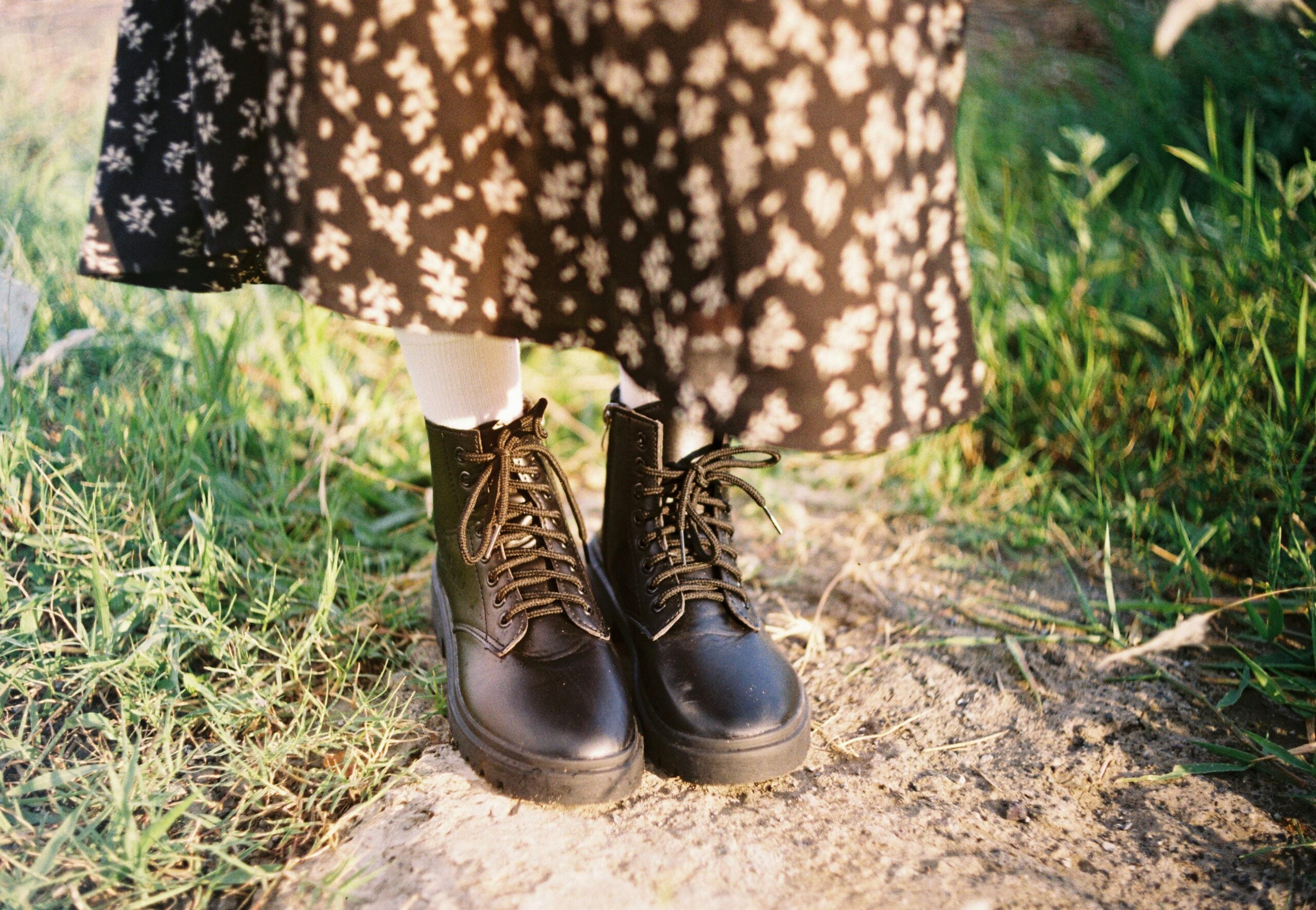
For stiff leather boots, wear them with thick socks while performing gentle stretching exercises. Flex your ankles, rise on your toes, and squat to encourage the leather to move naturally. Professional cobbler stretching is worthwhile for expensive leather footwear or particularly stubborn fits.
Athletic and Running Shoes
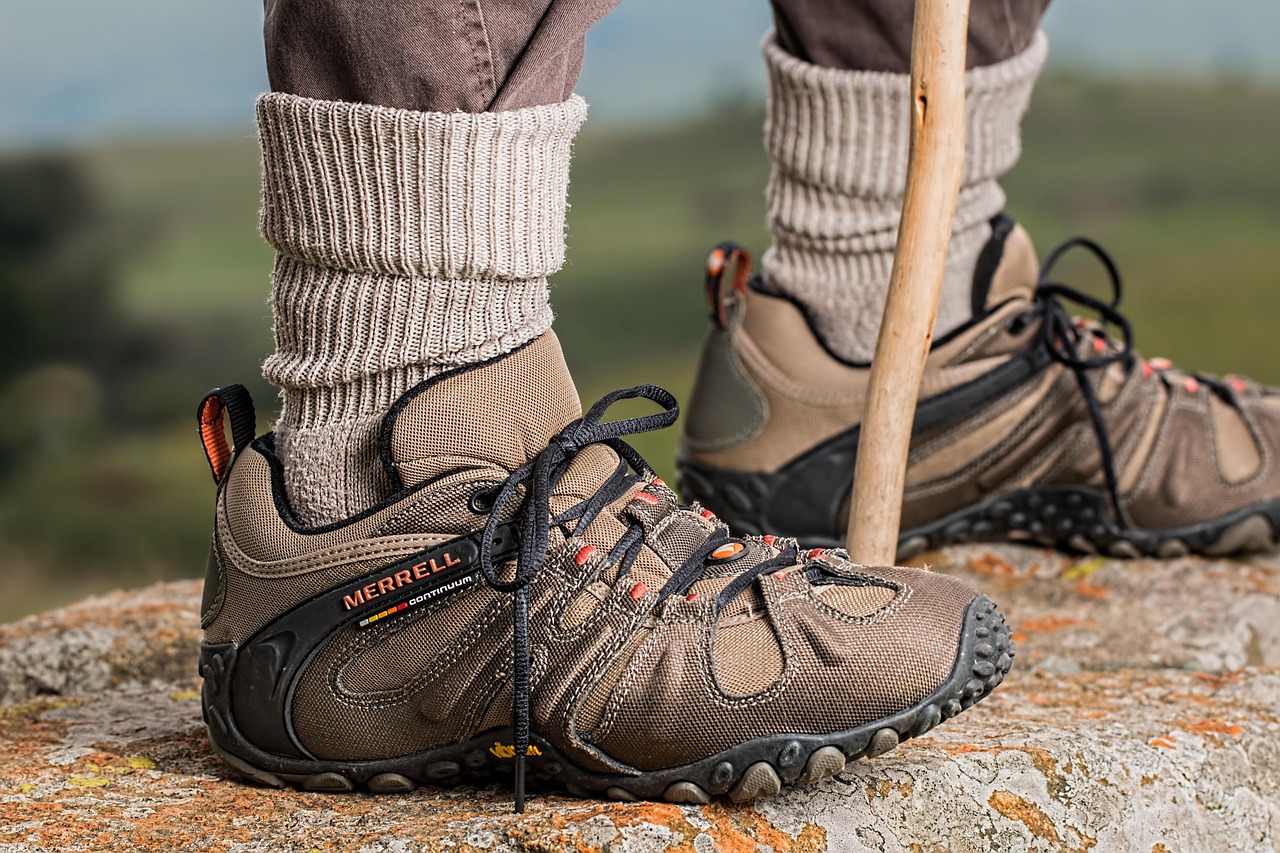
Modern athletic footwear typically requires minimal break-in, but the midsole cushioning needs compression cycles to reach optimal performance. Wear new athletic shoes for progressively longer walks before running in them. This allows the foam to compress evenly and your foot to adapt to the shoe’s specific cushioning characteristics.
Pay special attention to the heel counter and any structured support elements. These may feel stiff initially but should soften quickly with proper gradual wear.
Canvas and Casual Footwear
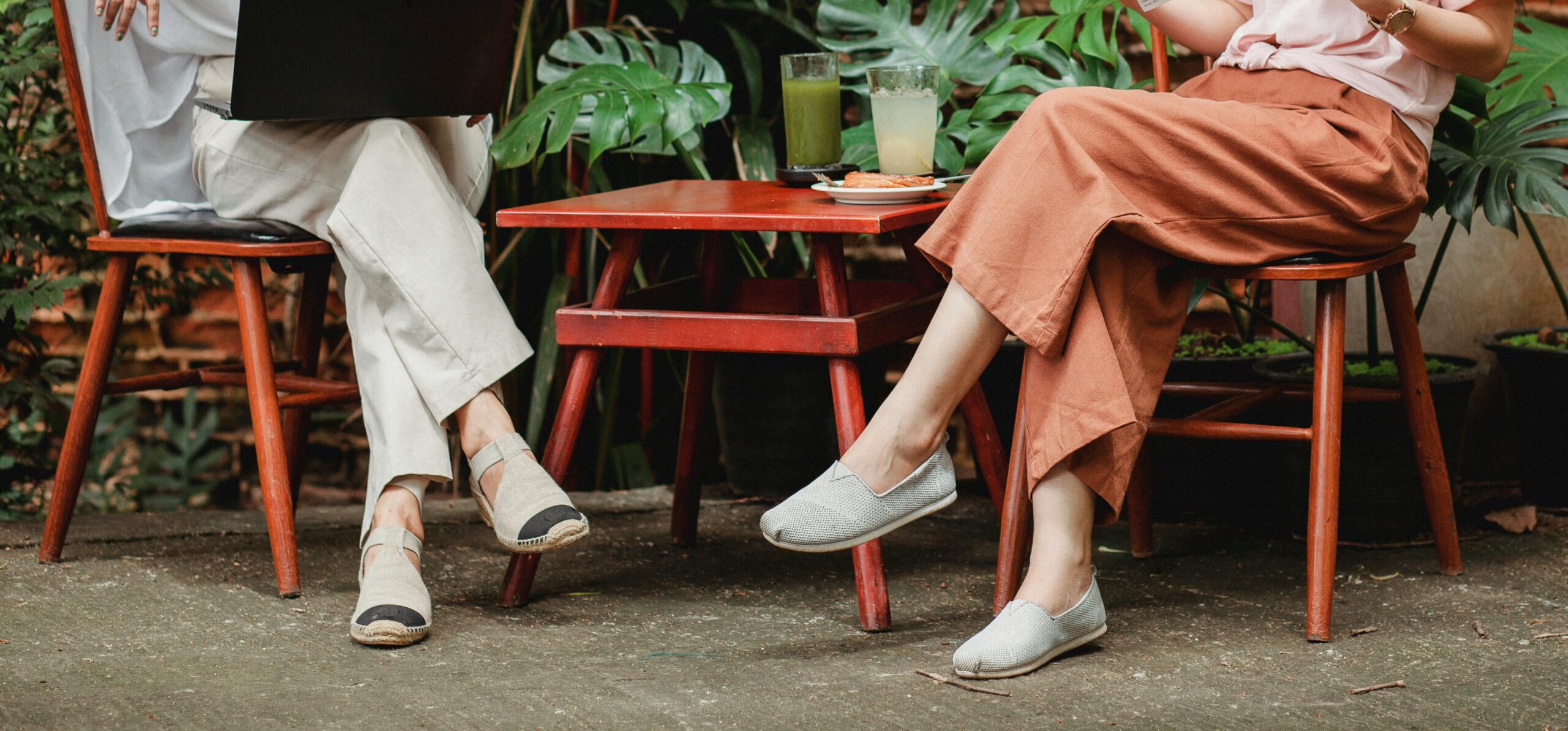
Canvas shoes like sneakers and espadrilles break in relatively quickly but can create friction during the initial wearing period. Washing canvas shoes before wearing them softens the fabric significantly. Air dry completely, and they’ll be noticeably more comfortable from the first wear.
For canvas shoes with rubber toe caps or rigid structural elements, focus your break-in efforts on these specific areas using targeted stretching and protective padding where they contact your feet.
🩹 Addressing Common Break-In Problems
Even with careful techniques, you may encounter specific challenges. Recognizing these issues early and applying targeted solutions prevents minor discomfort from becoming serious problems.
Heel Slippage and Blisters
New shoes often allow some heel movement until materials conform to your foot shape. Heel grips or tongue pads can eliminate this movement immediately. Alternatively, experiment with different lacing techniques—the heel lock or runner’s loop provides additional ankle security without tightening the entire shoe.
If blisters do develop, treat them immediately with hydrocolloid bandages that cushion the area while promoting healing. Never pop blisters unless medically necessary, as this increases infection risk.
Pinching and Pressure Points
Specific tight spots require targeted stretching. Mark problem areas from inside the shoe with chalk or tape, then use a shoe stretcher with appropriate plugs to address exactly those locations. For immediate relief, apply thick padding to your foot in those areas during continued break-in.
Persistent pressure points that don’t improve with stretching may indicate fundamental fit issues. Sometimes no amount of break-in can compensate for shoes that simply don’t match your foot shape.
Arch and Width Concerns
Shoes that feel too narrow require width stretching rather than length adjustment. Use a two-way shoe stretcher or take them to a professional cobbler with specialized equipment. Width stretching is particularly important for sensitive feet, as constant compression causes pain and circulatory issues.
Arch discomfort sometimes resolves as insoles compress and conform to your foot, but persistent arch pain may require custom orthotic inserts. These provide personalized support that mass-produced shoes cannot offer.
📅 Knowing When to Seek Professional Help
While many break-in challenges can be resolved at home, certain situations warrant professional intervention from cobblers or podiatrists.
Professional shoe stretching uses specialized equipment that applies precise, controlled pressure impossible to achieve with home methods. Cobblers can also add elastic gussets, adjust heel heights, or make structural modifications that dramatically improve fit.
If you experience persistent pain, numbness, or any symptoms beyond typical break-in discomfort, consult a podiatrist. These symptoms may indicate underlying foot conditions that require medical attention, or they may suggest that specific shoe features are incompatible with your foot structure.
Custom orthotics prescribed by foot specialists can transform uncomfortable shoes into comfortable ones by correcting biomechanical issues and redistributing pressure. While not inexpensive, quality orthotics are worthwhile investments for people with sensitive feet who struggle with standard footwear.
🌟 Long-Term Foot Health and Comfort Maintenance
Successfully breaking in shoes is just the beginning of a comfortable relationship with your footwear. Ongoing care extends shoe life and maintains optimal fit.
Rotate your shoes regularly rather than wearing the same pair daily. This allows materials to decompress and moisture to evaporate fully between wearings, extending shoe life while maintaining comfort. Aim to rest shoes for at least 24 hours between wears.
Clean and condition leather regularly to maintain its flexibility and prevent cracking. Store shoes with cedar shoe trees that absorb moisture, maintain shape, and prevent creasing that can create new pressure points. These simple maintenance habits preserve the custom fit you worked so hard to achieve.
Replace insoles periodically, as they compress over time and lose cushioning effectiveness. Quality replacement insoles can revitalize older shoes and provide enhanced comfort for sensitive feet. Consider upgrading to premium insoles with better arch support and cushioning than standard factory inserts.
💪 Building Your Footwear Confidence
With these comprehensive strategies, breaking in new footwear becomes a manageable process rather than something to dread. Sensitive feet don’t mean you must sacrifice style or settle for limited options—they simply require more thoughtful approaches.
Start each new shoe purchase with realistic expectations about break-in time. Plan to begin the process well before you need to wear the shoes for extended periods or important events. This removes pressure and allows you to proceed at a pace that prioritizes your comfort.
Keep a footwear journal noting what techniques work best for different shoe types and materials. This personal reference becomes increasingly valuable as you identify patterns in your preferences and responses. Over time, you’ll develop intuitive understanding of what strategies will work for new purchases.
Remember that comfort is not negotiable—life is too short for painful shoes. If after thorough break-in efforts a pair still causes significant discomfort, consider returning them or donating them to someone with different foot characteristics. Your feet deserve footwear that supports your lifestyle without causing pain.
Embrace the journey toward comfortable footwear with patience and persistence. Each successfully broken-in pair teaches you more about your feet’s needs and refines your technique. Soon you’ll approach new shoe purchases with confidence, knowing you have the knowledge and tools to achieve perfect comfort every time. Your happy feet will thank you with every comfortable step you take.