Choosing the right surface for your outdoor space transforms how you experience every season. Whether you’re designing a patio, driveway, pool deck, or sports facility, understanding how materials perform under varying weather conditions ensures longevity, safety, and aesthetic appeal.

The relationship between surface materials and environmental conditions goes beyond simple aesthetics. Temperature fluctuations, precipitation patterns, humidity levels, and UV exposure all significantly impact material performance, maintenance requirements, and overall usability. Making informed decisions about surface selection requires a comprehensive understanding of both your local climate and the unique properties of available materials.
🌡️ Understanding Climate Impact on Surface Materials
Every geographic region presents distinct challenges for outdoor surfaces. Coastal areas battle salt corrosion and high humidity, while desert climates contend with extreme temperature swings and intense UV radiation. Northern regions face freeze-thaw cycles that can crack poorly chosen materials, and tropical zones must address constant moisture and rapid organic growth.
Temperature extremes cause materials to expand and contract repeatedly. This thermal movement creates stress within the material structure, potentially leading to cracking, warping, or separation from underlying substrates. Materials with high thermal mass absorb and retain heat differently than those with low thermal mass, affecting both performance and user comfort.
Moisture penetration remains one of the most destructive forces acting on outdoor surfaces. Water that seeps into porous materials can freeze during cold snaps, expanding and creating internal pressure that fractures the material from within. This freeze-thaw cycle accelerates deterioration in climates with temperature fluctuations around the freezing point.
UV Degradation and Material Longevity
Ultraviolet radiation from sunlight breaks down chemical bonds in many surface materials over time. This photodegradation causes fading, brittleness, and surface chalking. Materials containing organic compounds or certain pigments prove particularly vulnerable to UV damage, requiring specialized formulations or protective coatings to maintain their appearance and structural integrity.
Concrete Surfaces: Versatility Meets Durability
Concrete remains one of the most popular choices for outdoor surfaces due to its adaptability and strength. Standard concrete performs adequately in moderate climates but requires specific modifications for extreme conditions. Air-entrainment additives create microscopic bubbles within the concrete matrix, providing space for water expansion during freezing and significantly improving freeze-thaw resistance.
In hot climates, light-colored concrete or specialized reflective coatings reduce heat absorption, keeping surfaces cooler underfoot. Stamped and decorative concrete options provide aesthetic versatility while maintaining concrete’s fundamental durability. However, these finishes may require more maintenance and periodic resealing to preserve their appearance.
Properly installed concrete with adequate drainage, appropriate thickness, and control joints to manage cracking can last decades across various climates. The key lies in matching the concrete mix design to environmental conditions and ensuring proper curing during installation.
Permeable Concrete Solutions
Pervious concrete addresses stormwater management concerns while providing a stable surface. This specialized concrete allows water to percolate through, reducing runoff and recharging groundwater. It performs exceptionally well in rainy climates and areas with strict stormwater regulations, though it requires specific installation techniques and maintenance to prevent clogging.
Natural Stone: Timeless Beauty with Climate Considerations
Natural stone surfaces offer unmatched aesthetic appeal and inherent durability, but not all stone types suit every climate. Granite and basalt exhibit exceptional weather resistance across virtually all conditions, with minimal porosity and high strength making them ideal for both freezing winters and scorching summers.
Limestone and sandstone, while beautiful, present challenges in harsh climates. Their higher porosity makes them susceptible to moisture absorption and freeze-thaw damage. In coastal environments, salt spray can accelerate deterioration of susceptible stone types. These materials perform best in moderate climates or when properly sealed and maintained.
Slate provides an excellent middle ground, offering good weather resistance with distinctive natural beauty. Its layered structure does make it prone to flaking in extreme conditions, but proper selection of higher-grade slate minimizes this concern. The natural texture also provides excellent slip resistance, making it ideal for pool decks and wet areas.
Sealing and Maintenance Requirements
Most natural stone benefits from periodic sealing to enhance weather resistance and reduce staining. The sealing frequency depends on stone porosity, climate conditions, and surface usage. High-traffic areas in harsh climates may require annual sealing, while protected surfaces with dense stone might only need treatment every few years.
🌧️ Pavers: Flexibility for Changing Conditions
Interlocking pavers excel in diverse climates due to their inherent flexibility and drainage properties. Unlike monolithic surfaces, individual pavers can shift slightly without cracking, accommodating ground movement from freeze-thaw cycles or soil settling. The joints between pavers allow water infiltration, reducing standing water and ice formation.
Concrete pavers offer the most affordable option with good performance across various climates. Clay brick pavers provide superior freeze-thaw resistance and color retention but at a higher cost. Porcelain pavers represent the premium end, with exceptional durability, minimal water absorption, and resistance to both extreme cold and heat.
Installation quality dramatically impacts paver performance. A properly prepared base with adequate drainage, edge restraints, and correctly sized joint sand ensures long-term stability. In cold climates, polymeric sand in joints resists washout and prevents weed growth better than traditional sand.
Permeable Paver Systems
Permeable pavers designed specifically for water infiltration combine structural strength with environmental benefits. These systems feature wider joints filled with permeable aggregate, allowing rapid water drainage. They’re particularly valuable in areas prone to flooding or with limited drainage infrastructure, performing well across temperature ranges while managing stormwater effectively.
Wood Decking: Natural Warmth with Weather Challenges
Wood creates inviting outdoor spaces with natural beauty and comfortable surface temperatures. However, wood’s organic nature makes it vulnerable to moisture, insects, UV damage, and dimensional changes with humidity fluctuations. Success with wood surfaces requires careful species selection and committed maintenance.
Tropical hardwoods like ipe, cumaru, and tigerwood offer exceptional weather resistance and longevity, often lasting 25-50 years with proper care. Their dense cellular structure resists moisture penetration, insect damage, and decay. These premium options work well across virtually all climates, though they require significant initial investment.
Pressure-treated softwoods provide more affordable options suitable for many climates when regularly maintained. Modern treatment processes improve resistance to rot and insects, but these woods still require periodic sealing or staining to prevent weathering and maintain appearance. In extremely wet or humid climates, even treated softwoods may deteriorate faster than hardwood alternatives.
Composite Decking Advantages
Composite materials combining wood fibers with plastic polymers offer low-maintenance alternatives to natural wood. Modern composites resist fading, staining, and moisture damage while eliminating concerns about splinters and rot. They perform consistently across temperature ranges, though darker colors can become hot in direct sunlight. Quality varies significantly between manufacturers, making brand selection critical for long-term satisfaction.
Asphalt: Cost-Effective Durability with Limitations
Asphalt paving provides economical surfacing for driveways, pathways, and recreational areas. It performs well in moderate to cold climates, actually becoming more pliable in warmth, which helps it resist cracking during freeze-thaw cycles. The dark color absorbs heat, which can be advantageous for melting snow in winter but creates uncomfortably hot surfaces in summer.
In extremely hot climates, asphalt can soften, leading to rutting under heavy loads and tire marks from parked vehicles. Special heat-resistant asphalt formulations address these concerns but increase costs. Regular maintenance including crack sealing and periodic sealcoating extends asphalt lifespan significantly, typically requiring attention every 2-3 years.
Drainage design proves critical for asphalt longevity. Standing water accelerates deterioration, making proper grading and drainage infrastructure essential. In areas with heavy rainfall, permeable asphalt options allow water infiltration while maintaining structural integrity.
🏐 Specialized Surfaces for Sports and Recreation
Athletic surfaces demand specific performance characteristics beyond typical aesthetic and durability concerns. Shock absorption, traction, consistent ball bounce, and year-round usability all factor into surface selection for sports applications.
Synthetic turf has evolved dramatically, now providing realistic appearance and performance for various sports. Modern systems include drainage layers, shock-absorbing pads, and specialized infill materials that function across wide temperature ranges. They eliminate mud and maintenance while providing consistent playing conditions regardless of weather, though extreme heat can make surfaces uncomfortable without cooling infill technologies.
Acrylic sport surfaces for tennis, basketball, and multipurpose courts offer excellent year-round performance. Multiple layer systems provide cushioning, drainage, and appropriate texture for specific sports. These surfaces withstand freeze-thaw cycles when properly installed and require periodic resurfacing to maintain optimal playing characteristics.
Rubberized Athletic Surfaces
Poured-in-place rubber and rubber tiles provide superior impact absorption for playgrounds, running tracks, and fitness areas. These surfaces perform exceptionally well across temperature extremes, remaining resilient in both heat and cold. Proper drainage design prevents ice formation and water pooling, ensuring safety and longevity.
Maintaining Surfaces Across Seasons
Even the best surface materials require appropriate care to maximize lifespan and performance. Seasonal maintenance strategies address the specific challenges each period brings. Understanding these requirements helps establish realistic expectations and budgets for surface ownership.
Spring maintenance focuses on cleaning winter debris, assessing damage from freeze-thaw cycles, and making necessary repairs before heavy use seasons. Pressure washing removes accumulated grime, organic growth, and salt residues. This timing allows repairs to cure properly before summer heat or additional winter weather.
Summer care emphasizes protecting surfaces from UV damage and heat stress. Sealing permeable materials, applying protective coatings, and ensuring adequate drainage all contribute to summer surface health. Regular cleaning prevents staining and organic growth, particularly in humid climates or shaded areas.
Winter Protection Strategies
Winter presents the harshest conditions for most surfaces. Proactive measures like applying sealers before freezing weather, using appropriate de-icing products, and promptly removing snow accumulation all protect surface integrity. Avoid metal shovels on decorative surfaces, using plastic alternatives instead to prevent scratching and surface damage.
Chemical de-icers vary significantly in their impact on different materials. Calcium chloride works at lower temperatures than rock salt but can damage concrete. Magnesium chloride offers a middle ground, while sand provides traction without chemical concerns but requires spring cleanup. Understanding material compatibility with de-icing products prevents unnecessary damage.
🌍 Sustainable Surface Considerations
Environmental consciousness increasingly influences surface selection decisions. Beyond initial material sourcing, factors like heat island effect, stormwater management, longevity, and end-of-life disposal all contribute to a surface’s environmental footprint.
Light-colored surfaces reflect more solar radiation than dark materials, reducing ambient temperatures and cooling demands for nearby buildings. This heat island mitigation proves particularly important in urban settings where large surface areas significantly impact local climate.
Permeable surfaces contribute to sustainable water management by reducing runoff, filtering pollutants, and recharging groundwater. These systems work across various climates, though cold regions require deeper aggregate bases to prevent frost heaving and maintain permeability through freeze-thaw cycles.
Material longevity represents perhaps the most significant sustainability factor. A surface requiring replacement every five years creates far more environmental impact than one lasting fifty years, regardless of the materials’ initial environmental credentials. Investing in durable, appropriate materials for your specific climate reduces long-term environmental consequences.
Making Your Final Surface Selection
Successful surface selection balances multiple factors: climate suitability, intended use, aesthetic preferences, budget constraints, and maintenance commitment. No single material excels in every category, making prioritization essential. Begin by honestly assessing your climate’s most challenging characteristics and your tolerance for ongoing maintenance.
Budget considerations should encompass both initial installation and long-term maintenance costs. A cheaper material requiring frequent repairs and replacement may ultimately cost more than premium options with minimal upkeep. Calculate total cost of ownership over expected lifespan for accurate comparisons.
Consult local contractors familiar with your climate’s specific challenges. Their experience with material performance in your region provides invaluable insights beyond general recommendations. Request references and examine completed projects several years after installation to assess real-world performance.
Consider future flexibility in your decision. Modular systems like pavers allow easier repairs and modifications than monolithic surfaces like poured concrete. If your needs might change or you’re uncertain about long-term plans, materials offering easier adaptation provide added value despite potentially higher initial costs.
Climate-Specific Surface Recommendations
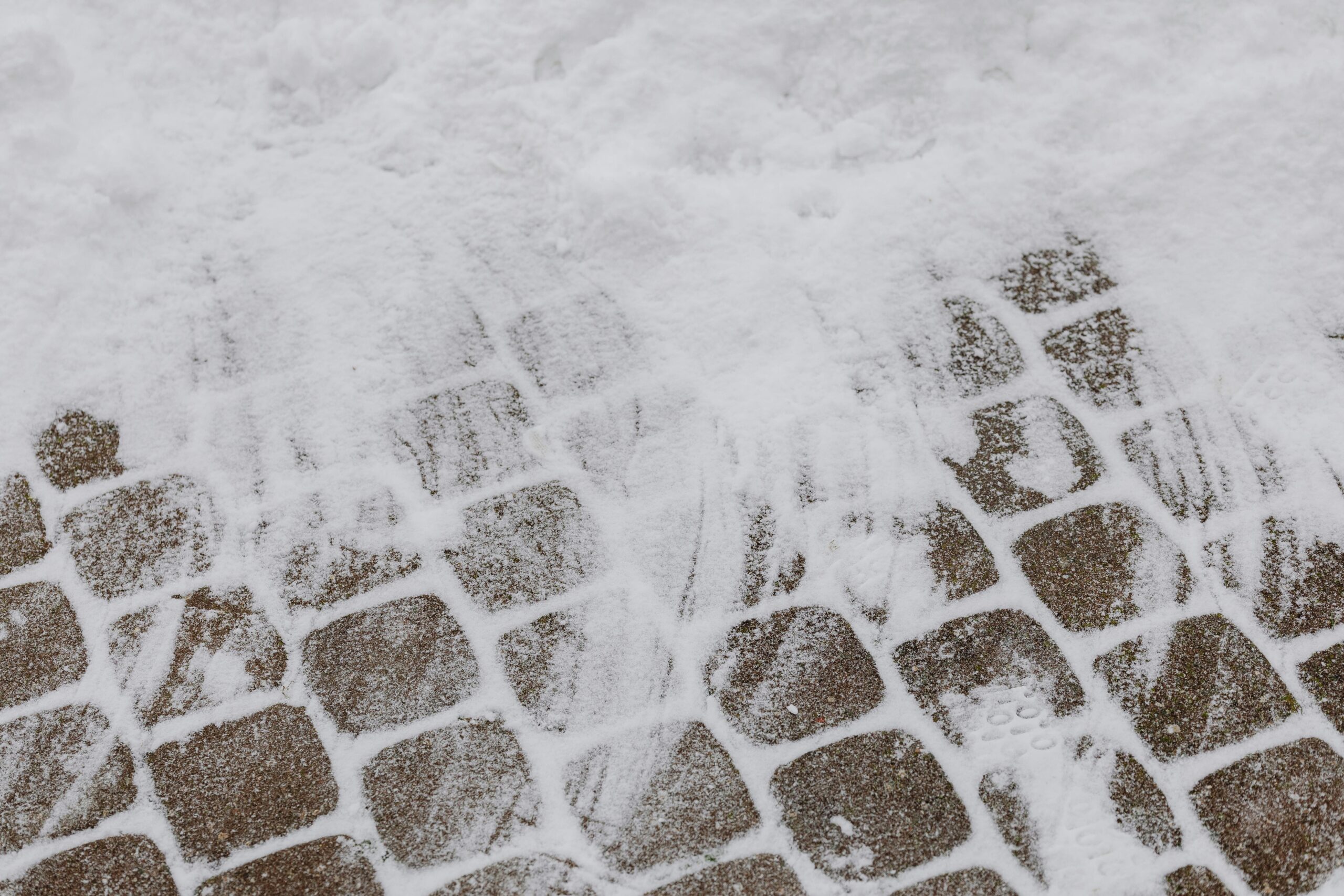
For cold climates with harsh winters and freeze-thaw cycles, prioritize concrete with air entrainment, granite or basalt natural stone, high-quality pavers with proper base installation, or premium composite decking. These materials withstand temperature extremes and moisture cycling with minimal maintenance.
Hot, arid climates benefit from light-colored surfaces that reflect heat, such as light concrete, travertine, or specially coated pavers. Ensure materials resist UV degradation and won’t become uncomfortably hot underfoot. Consider shading structures to reduce surface temperatures in primary use areas.
Humid, wet climates require materials resistant to organic growth, moisture damage, and slippery conditions when wet. Textured surfaces, proper drainage design, and materials like composite decking, sealed natural stone, or permeable pavers perform well. Plan for regular cleaning to prevent mildew and algae accumulation.
Coastal environments demand corrosion-resistant materials and finishes. Stainless steel fasteners, sealed concrete, composite materials, and dense natural stones withstand salt spray exposure. Avoid metals prone to corrosion and materials with high porosity that salt can penetrate and damage.
Mastering surface selection for diverse weather conditions ensures your outdoor spaces remain beautiful, functional, and safe regardless of environmental challenges. By understanding material properties, climate impacts, and maintenance requirements, you can confidently choose surfaces that perform excellently for decades, enhancing your property’s value and your enjoyment of outdoor living spaces across all seasons.