Slips, trips, and falls remain among the leading causes of injuries worldwide, affecting millions annually across homes, workplaces, and public spaces. Understanding slip-resistance and traction isn’t just about choosing the right footwear—it’s about creating a comprehensive safety strategy that protects you everywhere you go.

Whether you’re navigating icy sidewalks, slippery restaurant floors, or wet bathroom tiles, the science behind grip and stability can mean the difference between confidence and catastrophe. This comprehensive guide explores everything you need to know about slip-resistance, from footwear selection to environmental awareness, ensuring your every step is secure.
🔬 The Science Behind Slip-Resistance: Understanding Friction and Traction
Slip-resistance fundamentally relies on the coefficient of friction (COF) between two surfaces—typically your footwear and the ground. When the COF is high, traction increases, reducing the likelihood of slipping. Conversely, low COF situations, such as oil on tile or ice on pavement, create hazardous conditions.
The dynamic between these surfaces involves multiple factors including material composition, surface texture, contamination levels, and environmental conditions. Rubber soles, for instance, typically offer superior grip compared to leather or plastic because rubber compounds create molecular adhesion with floor surfaces.
Temperature also plays a crucial role in traction performance. Cold weather hardens many rubber compounds, reducing their effectiveness, while extreme heat can make some materials too soft, compromising stability. Understanding these variables helps you make informed decisions about when and where specific footwear or safety measures are appropriate.
👟 Choosing the Right Footwear for Maximum Slip-Resistance
Your footwear serves as your first line of defense against slips and falls. Quality slip-resistant shoes incorporate specialized tread patterns, material compositions, and design features specifically engineered to maximize traction across various surfaces.
Essential Features of Slip-Resistant Shoes
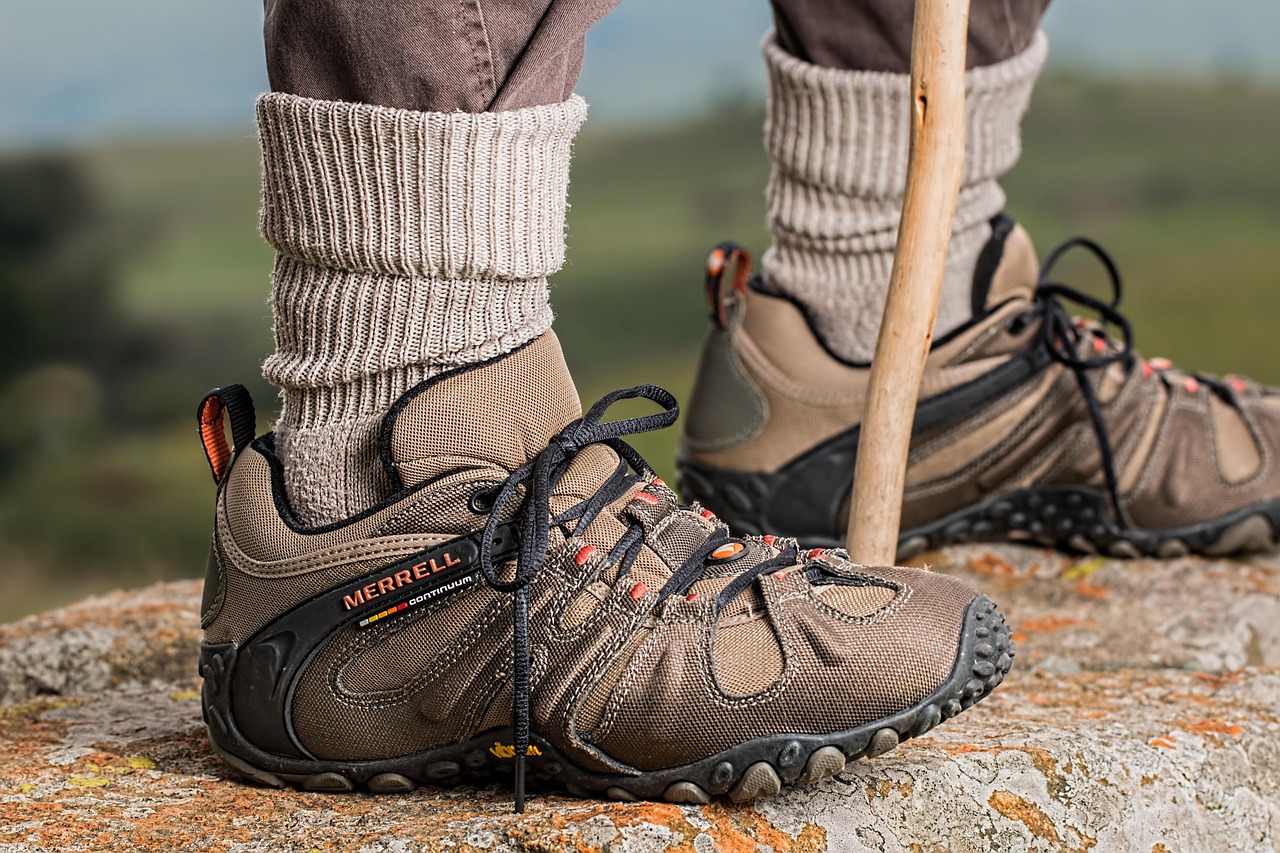
Look for shoes with deep, multidirectional tread patterns that channel liquids away from the contact surface. The best slip-resistant footwear features lugs or grooves that create multiple points of contact, enhancing grip in wet conditions. Soft rubber compounds with high COF ratings (ideally 0.5 or higher) provide optimal performance.
Many professional-grade slip-resistant shoes undergo rigorous testing according to ASTM (American Society for Testing and Materials) standards. ASTM F2913-19 specifically measures wet slip-resistance, providing consumers with reliable performance data. When shopping, seek out certifications from recognized testing organizations.
Industry-Specific Footwear Recommendations
- Healthcare Workers: Closed-toe shoes with fluid-resistant uppers and slip-resistant outsoles rated for wet environments
- Restaurant Staff: Oil-resistant soles with deep treads designed specifically for kitchen environments
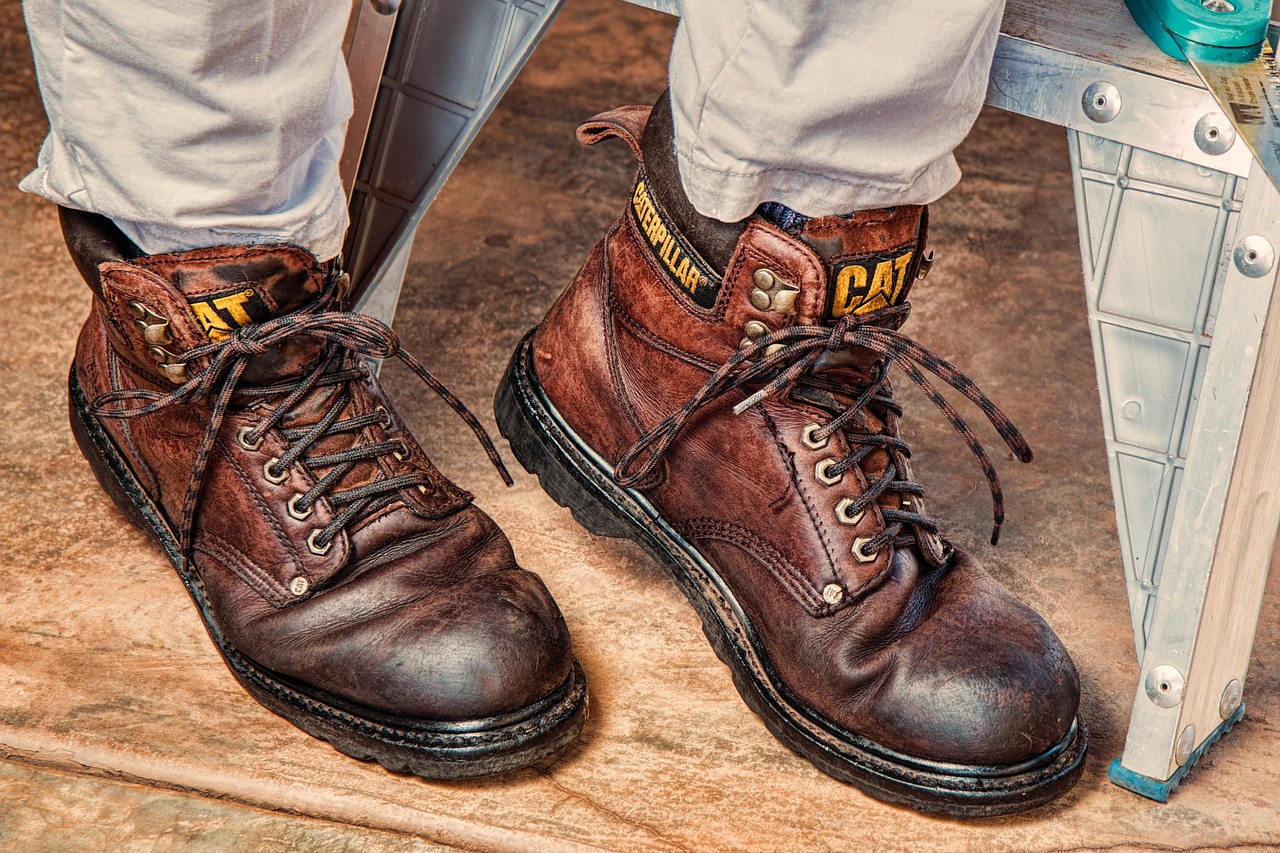
- Construction Workers: Steel-toe boots with aggressive tread patterns for uneven terrain and debris
- Outdoor Enthusiasts: Trail shoes with multidirectional lugs and weather-adaptive rubber compounds
- Office Professionals: Business-appropriate footwear with hidden slip-resistant technology in the outsole
🏠 Creating Slip-Resistant Environments at Home
Home accidents account for a significant percentage of slip-and-fall injuries, particularly among children and elderly individuals. Implementing strategic slip-resistance measures throughout your living space dramatically reduces these risks.
High-Risk Areas Requiring Special Attention
Bathrooms present the highest slip-fall risk due to constant moisture exposure. Install textured non-slip mats both inside and outside showers and tubs. Consider applying adhesive grip strips to smooth tub bottoms and shower floors. Ensure bath mats have rubber backing that prevents the mat itself from sliding.
Kitchen floors become treacherous when wet from spills or tracked-in water. Use anti-fatigue mats with slip-resistant backing near sinks and cooking areas. Clean spills immediately and consider flooring materials with inherent texture, such as textured tile or slip-resistant vinyl.
Entryways and hallways accumulate moisture from weather conditions. Place absorbent, slip-resistant mats at all exterior doors, ensuring they’re large enough to accommodate several steps. This allows visitors to dry footwear before entering main living areas.
🏢 Workplace Slip-Resistance Standards and Best Practices
Employers bear legal and ethical responsibility for maintaining safe working environments. OSHA (Occupational Safety and Health Administration) provides comprehensive guidelines regarding slip, trip, and fall prevention in workplace settings.
Regular floor maintenance proves critical for commercial spaces. Cleaning schedules should account for high-traffic periods, with protocols for immediate spill response. Warning signage must be prominently displayed during and after wet cleaning until floors completely dry.
Flooring Solutions for Commercial Environments
| Flooring Type | COF Rating | Best Applications | Maintenance Level |
|---|---|---|---|
| Textured Vinyl | 0.6-0.8 | Healthcare, retail, offices | Low to moderate |
| Epoxy with Grit | 0.7-0.9 | Industrial, warehouses | Low |
| Rubber Flooring | 0.8-1.0 | Gyms, playgrounds, kitchens | Moderate |
| Quarry Tile | 0.5-0.7 | Restaurants, commercial kitchens | Moderate to high |
| Anti-Slip Coating | 0.6-0.9 | Applied to existing surfaces | Varies |
❄️ Navigating Seasonal Challenges: Ice, Snow, and Wet Weather
Winter conditions create some of the most dangerous slip hazards. Ice reduces the coefficient of friction to near zero, making even short walks potentially hazardous. Preparation and awareness become essential for safe navigation during challenging weather.
Winter Walking Techniques for Enhanced Safety
Modify your gait when walking on ice or snow by taking shorter steps and keeping your center of gravity over your front leg. Walk flat-footed when possible, allowing your entire foot to make contact simultaneously rather than heel-to-toe. This distributes weight more evenly and increases surface contact area.
Invest in quality ice cleats or traction devices that attach to your footwear. These accessories feature metal spikes or aggressive rubber treads that penetrate ice surfaces, providing mechanical grip that standard footwear cannot achieve. Always remove these devices before entering buildings to prevent floor damage and indoor slipping.
Property Maintenance for Winter Safety
Property owners must implement proactive ice management strategies. Apply ice melt products before snowfall when possible, as prevention proves more effective than treatment. Use sand or kitty litter on walkways to increase traction without relying solely on chemical deicers.
Clear snow promptly after accumulation, paying special attention to high-traffic areas like entrances, ramps, and parking lots. Ensure proper drainage to prevent refreezing of melted snow, which creates dangerous black ice conditions.
🔍 Testing and Measuring Slip-Resistance: Standards and Certifications
Multiple organizations worldwide establish slip-resistance standards, though testing methodologies vary by region and industry. Understanding these standards helps consumers and businesses make informed purchasing decisions.
The ASTM F2913 test method measures the wet dynamic coefficient of friction using a mechanical device on various flooring surfaces. Results classify surfaces as “high traction” (COF ≥ 0.42) or provide specific numerical values. The British Pendulum test, common in Europe, uses a swinging pendulum to measure slip resistance, with results expressed as Pendulum Test Values (PTV).
Certification Labels to Look For
Reputable slip-resistant products display certification marks from recognized testing laboratories. The National Floor Safety Institute (NFSI) certifies both footwear and flooring that meets specific slip-resistance criteria. The Mark of the Sole program identifies footwear meeting stringent slip-resistance standards across multiple surface types.
When purchasing flooring materials, request COF test results specific to your intended use environment. Manufacturers should provide data for both dry and wet conditions, as performance varies significantly with moisture presence.
👴 Special Considerations for Vulnerable Populations
Children, elderly individuals, and people with mobility challenges face elevated slip-fall risks due to factors including reduced balance, slower reaction times, and potential medication side effects that affect coordination.
Elder Safety Modifications
Install grab bars in bathrooms, positioned strategically near toilets, showers, and tubs. These should support at least 250 pounds and be securely anchored to wall studs rather than drywall alone. Ensure adequate lighting throughout the home, with particular attention to nighttime navigation routes.
Consider flooring transitions carefully, as even small height differences create tripping hazards. Use beveled transition strips between rooms with different flooring types. Remove or secure area rugs, which pose significant slip risks, or use double-sided tape and non-slip padding.
Child Safety Considerations
Children’s developing coordination and tendency toward rapid movement create unique safety challenges. Apply non-slip treatments to bathtubs and choose footwear with appropriate traction for their activity levels. Teach children to recognize slippery conditions and adjust their behavior accordingly.
🏃 Athletic and Recreational Slip-Resistance
Sports and recreational activities demand specialized traction solutions tailored to specific environments. Basketball requires different grip patterns than trail running, while rock climbing necessitates entirely unique friction characteristics.
Athletic footwear incorporates sport-specific tread designs optimized for particular playing surfaces. Indoor court shoes feature flat, herringbone patterns that grip smooth floors without leaving marks. Trail runners use aggressive, widely-spaced lugs that shed mud while providing grip on loose terrain.
Maintaining Athletic Footwear Performance
Regular cleaning preserves traction performance by removing debris that fills tread grooves. Brush athletic shoes after each use, particularly for outdoor activities. Replace worn footwear promptly, as smoothed treads dramatically reduce effectiveness even if the shoe appears otherwise functional.
Rotate between multiple pairs of athletic shoes to extend lifespan and maintain optimal performance. This allows compression-set materials to recover between uses, preserving cushioning and traction properties.
🛠️ DIY Slip-Resistance Improvements and Solutions
Numerous affordable options exist for improving traction on existing surfaces without complete replacement. Anti-slip tapes provide immediate traction enhancement for stairs, ramps, and other smooth surfaces. These pressure-sensitive products feature aggressive mineral coatings that increase COF substantially.
Slip-resistant coatings offer more permanent solutions for concrete, wood, and tile surfaces. These liquid applications cure to create textured finishes that enhance grip while maintaining appearance. Proper surface preparation ensures adhesion and longevity, making professional application worthwhile for critical areas.
Temporary Traction Solutions
Removable stair treads provide seasonal solutions for exterior steps exposed to weather. These rubber or composite products attach via adhesive backing or mechanical fasteners, offering winter protection without permanent modification. Similarly, roll-out runners protect hallways and entryways during wet seasons.
⚖️ Legal Implications and Liability Considerations
Property owners face potential liability for slip-and-fall accidents occurring on their premises. Premises liability law requires reasonable efforts to maintain safe conditions and warn visitors of known hazards. Documentation of maintenance activities, inspection schedules, and corrective actions provides crucial legal protection.
Businesses should implement comprehensive slip-fall prevention programs including employee training, regular inspections, and incident reporting procedures. Maintaining detailed records demonstrates due diligence in the event of litigation.
🌍 Environmental Impact of Slip-Resistance Solutions
Sustainable slip-resistance solutions balance safety requirements with environmental responsibility. Recycled rubber products offer excellent traction while diverting waste from landfills. Water-based anti-slip coatings minimize VOC emissions compared to solvent-based alternatives.
Consider longevity when evaluating environmental impact. Durable solutions requiring infrequent replacement ultimately generate less waste than cheaper alternatives needing regular renewal. Life-cycle assessment provides comprehensive environmental impact evaluation beyond initial material considerations.
🎯 Creating Your Personal Slip-Resistance Safety Plan
Developing a comprehensive safety strategy requires assessing your specific risk factors, environments, and activities. Conduct a home safety audit identifying high-risk areas requiring intervention. Evaluate your footwear collection, ensuring appropriate options for various conditions and activities.
Build awareness of environmental conditions that compromise traction. Adjust behavior during rain, snow, or when encountering wet floors. Slow down, increase attention, and use available handrails. Simple behavioral modifications significantly reduce accident risk.
Invest in quality slip-resistant products appropriate for your needs. While premium footwear and safety equipment cost more initially, the investment pays dividends through injury prevention and long-term durability. Remember that medical expenses and lost productivity from slip-fall injuries far exceed preventive measure costs.
Stay informed about emerging technologies and solutions in slip-resistance. Material science advances continually improve available options, from self-cleaning surfaces that maintain traction to smart footwear that adapts to changing conditions. Regular review and updates to your safety strategy ensure optimal protection.
Ultimately, slip-resistance and traction represent critical safety considerations affecting everyone daily. By understanding the science, implementing appropriate solutions, and maintaining awareness, you can step confidently knowing you’ve taken comprehensive measures to protect yourself and those around you. Safety doesn’t happen by accident—it results from knowledge, preparation, and consistent attention to the environments we navigate. Make slip-resistance a priority, and enjoy the peace of mind that comes with secure footing wherever life takes you. 🛡️