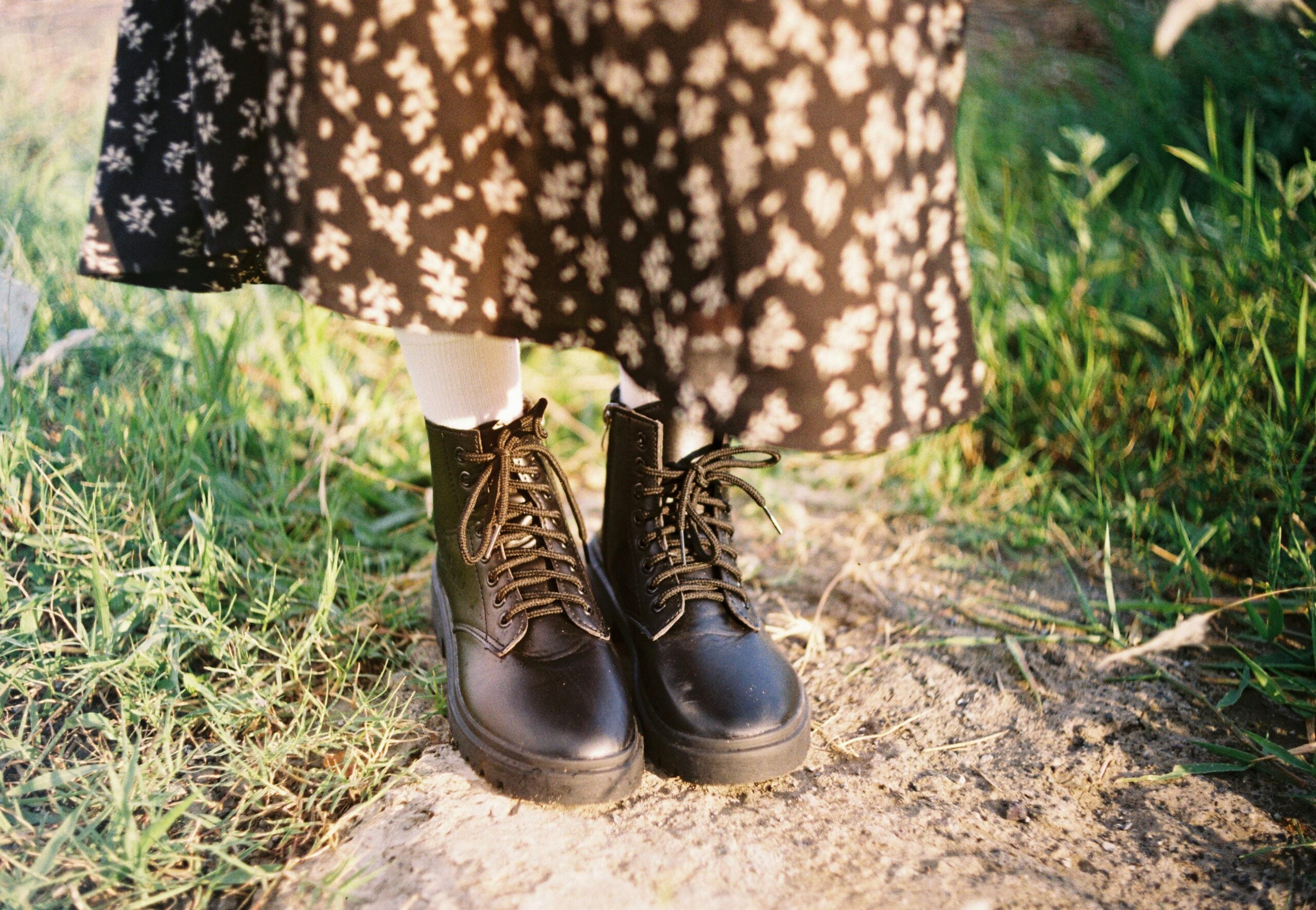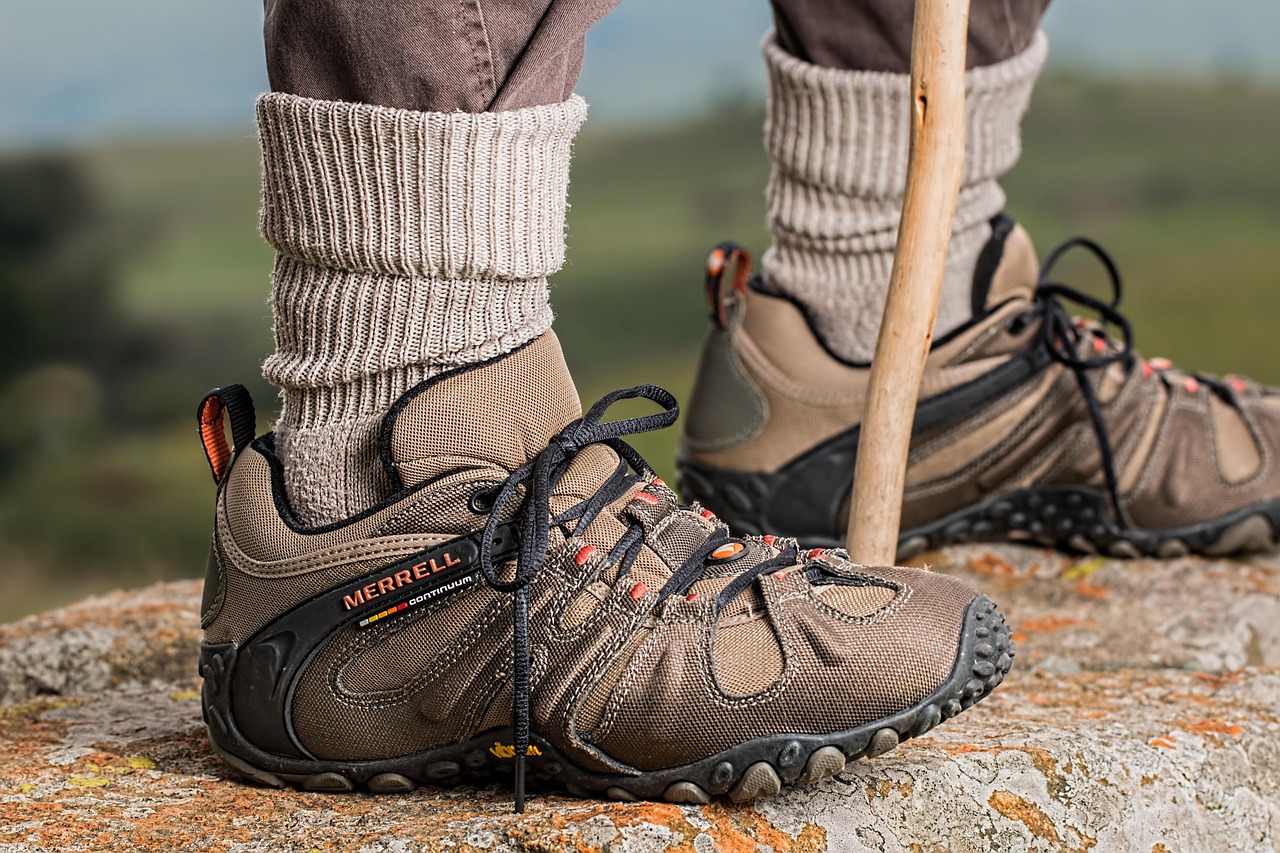
Your shoes are more than just a fashion statement—they’re the foundation of your daily comfort and physical health. Knowing when to replace them can prevent pain, injury, and style mishaps.

Every step you take places significant stress on your footwear, gradually wearing down the materials that provide cushioning, support, and stability. Over time, even the highest-quality shoes lose their ability to protect your feet, ankles, knees, and back from the impact of walking and standing. Understanding the signs of worn-out shoes and recognizing when it’s time for a replacement can dramatically improve your comfort, prevent injuries, and keep you looking sharp.
👟 The Hidden Dangers of Wearing Worn-Out Shoes
Many people continue wearing their favorite shoes long after they’ve lost their supportive qualities. This common habit can lead to a cascade of physical problems that extend far beyond sore feet. Worn-out shoes fail to provide adequate shock absorption, forcing your body to compensate in ways that strain muscles, joints, and ligaments.
The biomechanical changes that occur when wearing deteriorated footwear can lead to plantar fasciitis, shin splints, knee pain, hip discomfort, and even lower back problems. Your gait pattern changes subtly as shoes wear unevenly, creating imbalances that your body struggles to correct. These compensatory movements can become habitual, leading to chronic pain conditions that persist even after you finally replace your shoes.
Beyond physical health concerns, worn-out shoes simply don’t look good. Scuffed leather, separated soles, faded colors, and misshapen uppers send a message of neglect that can undermine your professional image and personal confidence. In many social and professional situations, people notice shoes more than you might think, making them a critical component of your overall appearance.
Understanding the Lifespan of Different Shoe Types
Not all shoes are created equal, and different styles have vastly different lifespans depending on their construction, materials, and intended use. Understanding these differences helps you set realistic expectations and budget appropriately for footwear replacement.
Athletic and Running Shoes 🏃
Running shoes typically need replacement after 300-500 miles of use, which translates to approximately every 3-6 months for regular runners. The midsole foam compresses with repeated impact, losing its shock-absorbing properties long before visible wear appears. If you run 20 miles per week, you should plan to replace your running shoes every four to five months.
Cross-training shoes and gym sneakers follow similar guidelines, though they may last slightly longer if used exclusively for lower-impact activities like weight training or casual wear. The key factor is compression of the cushioning materials rather than visible exterior damage.
Everyday Casual Shoes and Sneakers
Casual sneakers and everyday walking shoes typically last 8-12 months with regular use. These shoes experience less intense impact than running shoes but accumulate wear from daily activities. The outsole rubber wears down from contact with pavement, while the insole flattens from constant pressure.
Quality matters significantly in this category—well-constructed shoes with premium materials can easily last toward the upper end of this range, while budget options may show significant wear after just a few months.
Dress Shoes and Formal Footwear 👔
Leather dress shoes can last several years with proper care, rotation, and occasional resoling. High-quality leather uppers develop character with age, but the soles, heels, and internal support structures still deteriorate. Professional resoling can extend the life of quality dress shoes significantly, making them a worthwhile investment.
Rotating between multiple pairs of dress shoes allows each pair to dry completely between wears, preventing moisture damage and extending overall lifespan. Using shoe trees helps maintain shape and prevents creasing that can crack leather prematurely.
Work Boots and Safety Shoes
Work boots designed for demanding environments typically last 6-12 months, depending on work conditions. Safety features like steel toes and puncture-resistant soles may remain intact, but cushioning and support deteriorate with heavy use. Don’t rely solely on exterior appearance—internal support degradation poses the greatest risk.
Seven Clear Signs Your Shoes Need Immediate Replacement
Recognizing the warning signs of shoe deterioration helps you replace footwear before it causes problems. Watch for these telltale indicators that your shoes have reached the end of their functional life.
1. The Tread Has Disappeared
Smooth, worn outsoles are the most obvious sign that replacement time has arrived. Tread patterns exist to provide traction and prevent slipping, especially in wet conditions. When the tread wears smooth, your risk of falls increases significantly. Check the high-wear areas—typically the heel and ball of the foot—for excessive smoothing.
2. Uneven Wear Patterns Emerge 📐
Shoes that wear more heavily on one side indicate biomechanical issues that the shoes can no longer correct. This uneven wear can exacerbate existing gait problems and create new ones. Place your shoes on a flat surface and view them from behind—if they lean noticeably to one side, they’re compromising your alignment with every step.
3. Persistent Foot Pain Develops
New or worsening foot pain, particularly in the arches, heels, or balls of your feet, often signals that your shoes have lost their supportive properties. If pain develops during or after activities that previously felt comfortable, your shoes may be the culprit. This is especially true if the pain resolves when you switch to newer shoes.
4. The Midsole Feels Flat and Unresponsive
Press your thumb into the midsole of your shoe—if it feels hard, unresponsive, or doesn’t bounce back, the cushioning foam has compressed beyond its functional capacity. This loss of resilience means shock absorption has failed, even if the shoe looks fine externally. Athletic shoes particularly suffer from this invisible deterioration.
5. Visible Structural Damage Appears
Holes, separated soles, torn uppers, or exposed internal materials are obvious signs that shoes have exceeded their useful life. These structural failures compromise both support and protection. Duct tape repairs might seem economical, but they cannot restore the biomechanical function your feet require.
6. The Shoe No Longer Holds Its Shape
Shoes that collapse inward, have crushed heel counters, or no longer maintain their original shape fail to provide proper support. The heel counter—the stiff cup around your heel—should be firm and structured. If you can easily compress it with your fingers, it’s no longer doing its job.
7. They’re Simply Old ⏰
Even with minimal use, shoe materials degrade over time. Foam oxidizes, glues dry out, and materials lose integrity. Shoes sitting unworn in your closet for 2-3 years may look perfect but have compromised structural properties. This is particularly true for athletic shoes with foam midsoles.
The Real Cost of Delaying Shoe Replacement
The reluctance to replace comfortable old shoes is understandable—breaking in new footwear takes time, and quality shoes represent a significant investment. However, the true cost of wearing worn-out shoes extends far beyond the price of a new pair.
Medical treatment for foot problems, physical therapy for compensatory injuries, and lost productivity due to pain can easily cost hundreds or thousands of dollars. A sports medicine visit might run $200-400, while physical therapy sessions add up quickly at $75-150 per appointment. Prescription orthotics to correct problems caused by poor footwear can cost $400-800.
Beyond direct medical costs, chronic pain affects quality of life, work performance, and participation in activities you enjoy. The investment in timely shoe replacement is minor compared to these potential consequences.
Making Smart Shoe Replacement Decisions 🛍️
Replacing shoes at the right time requires balancing multiple factors—your activity level, shoe quality, budget constraints, and physical needs. Developing a strategic approach helps you maintain foot health without unnecessary expense.
Track Your Shoe Mileage
For athletic shoes, tracking mileage helps you replace them before support fails. Many fitness apps and smartwatches include shoe tracking features that count miles and alert you when replacement time approaches. Write the purchase date inside the shoe tongue as a simple reminder, or keep a shoe log noting when you start wearing each pair.
Rotate Multiple Pairs
Alternating between two or more pairs of shoes extends the life of each pair while giving materials time to decompress and dry between wears. This strategy works particularly well for running shoes, work shoes, and any footwear worn regularly. Rotation can extend total shoe life by 30-40% compared to wearing the same pair daily.
Invest in Quality When It Matters
For shoes you wear frequently or during high-impact activities, quality construction pays dividends in comfort, support, and longevity. Premium materials, better cushioning systems, and superior construction methods justify higher upfront costs through extended wear and better performance. Budget-friendly options work fine for occasional use, but your daily footwear deserves investment.
Consider Resoling and Repair Options
High-quality leather shoes often benefit from professional resoling, which can cost $80-150 but extends the life of shoes that originally cost $200-400 or more. If the upper is in good condition and the shoe fits perfectly, resoling makes economic and environmental sense. Build relationships with skilled cobblers who can assess whether repair makes sense for your specific shoes.
Finding Your Perfect Replacement Shoes
Once you’ve determined replacement is necessary, finding the right new shoes requires consideration of your specific needs, activities, and foot characteristics. The perfect replacement depends on how you’ll use the shoes and any foot issues you’re managing.
Get Professionally Fitted
Foot dimensions change over time due to age, weight changes, pregnancy, and other factors. Having your feet measured and evaluated by trained shoe fitters ensures you’re buying the right size and style for your current needs. Many specialty running stores and orthopedic shoe shops offer free gait analysis and expert fitting advice.
Prioritize Support Features 🦶
Look for shoes with adequate arch support, cushioning in high-impact zones, firm heel counters, and appropriate flexibility. The specific features you need depend on your foot type—high arches require different support than flat feet. If you have existing foot problems, consider consulting a podiatrist for recommendations before purchasing.
Test Thoroughly Before Committing
Always try shoes on with the socks you’ll wear during use, and test them later in the day when feet are slightly swollen. Walk around the store for at least 10 minutes, and pay attention to any pressure points, rubbing, or discomfort. Reputable retailers offer generous return policies that allow you to test shoes for a few days before committing.
Extending the Life of Your New Shoes
Once you’ve invested in quality replacement shoes, proper care maximizes their functional lifespan. Simple maintenance habits dramatically extend wear life while keeping shoes looking and performing their best.
Clean shoes regularly using appropriate methods for their materials—leather requires different care than mesh or synthetic fabrics. Remove insoles to air out after wear, and stuff shoes with newspaper or use shoe trees to absorb moisture and maintain shape. Store shoes in a cool, dry place away from direct sunlight, which can degrade materials.
Apply protective treatments appropriate to the material—waterproofing sprays for leather and suede, and gentle cleaners for athletic shoes. Address minor repairs promptly before they become major problems—reglue separated seams immediately, and replace worn laces before they break at inconvenient moments.
Building a Sustainable Shoe Rotation Strategy ♻️
Creating a systematic approach to shoe ownership helps you maintain foot health, manage costs, and minimize environmental impact. A well-planned rotation ensures you always have appropriate, supportive footwear while avoiding unnecessary waste.
Establish a shoe budget that accounts for planned replacements throughout the year. If you run regularly, budget for two pairs of running shoes annually. Add dress shoes, casual shoes, and seasonal footwear based on your lifestyle needs. Spreading purchases throughout the year makes the cost more manageable than replacing everything simultaneously.
Consider donating gently worn shoes that no longer meet your needs but still have life remaining. Shoes with visible exterior wear but intact support structures work well for light-duty use by others. Several organizations accept shoe donations for redistribution to those in need.
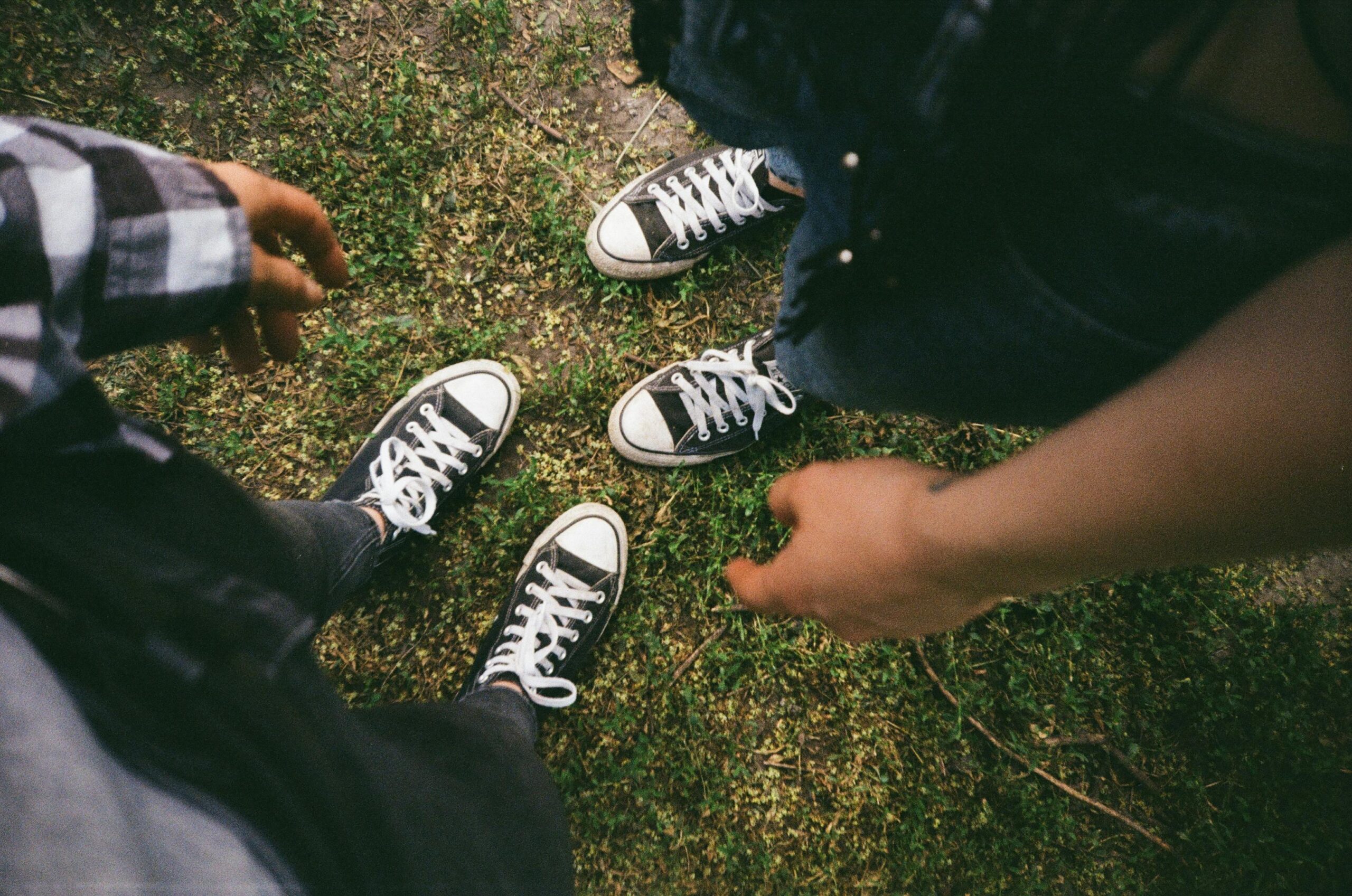
Your Feet Deserve Better
The relationship between your shoes and your overall well-being cannot be overstated. Your feet carry you through life, bearing the full weight of your activities and ambitions. Providing them with proper support through well-maintained, appropriately replaced footwear is an investment in your health, comfort, and confidence.
Don’t wait for pain to tell you it’s time for new shoes—by then, damage may already be occurring. Develop awareness of the warning signs, track your shoe usage, and replace footwear proactively rather than reactively. Your feet, joints, and back will thank you with years of pain-free movement.
Quality footwear paired with timely replacement creates a foundation for an active, comfortable lifestyle. Whether you’re running marathons, standing all day at work, or simply going about daily activities, the right shoes at the right time make every step more comfortable and every day more enjoyable. Step into comfort by knowing when to step into new shoes—your body will appreciate the difference. 👟✨