Walking, running, or simply standing—every step you take puts pressure on your feet, joints, and spine. Quality shock absorption in footwear isn’t just about comfort; it’s about protecting your body from repetitive impact stress that can lead to chronic pain and injuries.

Modern shoe technology has revolutionized how we experience cushioning and support. From athletic sneakers to dress shoes, understanding shock absorption principles helps you make informed decisions that benefit your long-term health. Whether you’re an athlete, a professional who stands all day, or someone seeking everyday comfort, the right cushioning can transform your daily experience.
🔬 Understanding the Science Behind Shock Absorption
Shock absorption in footwear works by dissipating the force generated when your foot strikes the ground. During normal walking, your body experiences forces up to 1.5 times your body weight with each step. During running, this increases to 2-3 times your body weight, and for high-impact activities like jumping, forces can reach 5-12 times your body weight.
The midsole is the primary shock-absorbing component in most shoes. Materials like EVA (ethylene-vinyl acetate), polyurethane, and advanced proprietary foams compress upon impact, converting kinetic energy into heat energy. This process reduces the stress transmitted to your feet, ankles, knees, hips, and lower back.
Different materials offer varying levels of cushioning, responsiveness, and durability. Understanding these differences helps you select shoes that match your specific activities and biomechanical needs. The ideal shock absorption system balances cushioning with stability, preventing both impact injuries and instability-related problems.
👟 Running Shoes: Maximum Impact Protection
Running shoes represent the pinnacle of shock absorption technology. With runners taking approximately 1,400 steps per mile, the cumulative impact requires sophisticated cushioning systems. Modern running shoes employ multiple layers and materials to manage these forces effectively.
Premium Cushioning Technologies
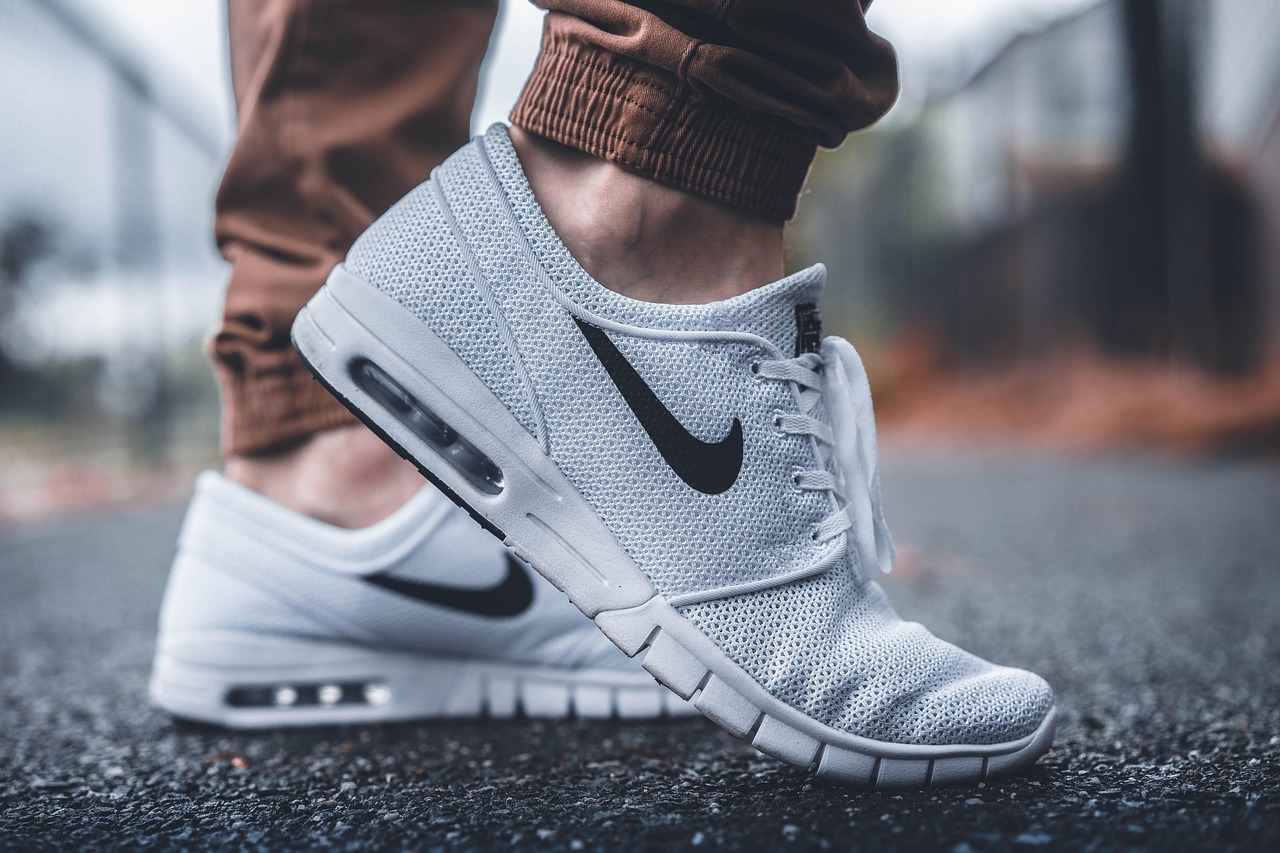
Leading running shoe brands have developed proprietary cushioning systems. Nike’s Air technology uses pressurized gas in flexible membranes, providing responsive cushioning that adapts to different impact forces. Adidas Boost foam utilizes thousands of energy-returning TPU capsules that compress and bounce back with each stride.
Brooks DNA cushioning adapts to your stride, weight, and pace, while ASICS GEL technology strategically positions silicone-based gel in high-impact zones. Hoka One One pioneered maximalist cushioning with oversized midsoles that provide exceptional shock absorption without significant weight penalties.
Choosing Based on Running Style
Heel strikers benefit from enhanced rearfoot cushioning, as 75-80% of runners land on their heels first. Midfoot and forefoot strikers require more evenly distributed cushioning or forefoot-specific padding. Trail runners need firmer cushioning that provides both protection and ground feel for technical terrain navigation.
Consider your weekly mileage when selecting cushioning levels. High-mileage runners (40+ miles weekly) typically benefit from maximum cushioning to reduce cumulative stress. Lower-mileage runners or those focused on speed work might prefer more responsive, minimally-cushioned options that enhance ground contact feedback.
🏀 Athletic and Sport-Specific Footwear
Different sports generate unique impact patterns requiring specialized shock absorption approaches. Basketball players need cushioning that handles multidirectional movements and repeated jumping. Soccer cleats prioritize ground feel while still protecting against repetitive running impacts on firm surfaces.
Court Sports Considerations
Basketball and volleyball shoes incorporate heel and forefoot cushioning to protect during jumping and landing. Lateral stability becomes equally important, so cushioning systems must not compromise side-to-side support. Many court shoes use firmer cushioning compounds than running shoes to maintain court feel and quick response times.
Tennis shoes balance cushioning with durability, as the sliding movements common in tennis generate unusual wear patterns. Strategic cushioning placement protects high-impact zones while maintaining the low profile needed for rapid directional changes.
Cross-Training and Gym Shoes
Cross-training footwear requires versatile cushioning that performs across multiple activities. These shoes typically feature moderate cushioning—enough protection for cardio work and light running, but stable enough for weightlifting and lateral movements. The heel-to-toe drop is usually lower than running shoes, promoting better lifting mechanics.
👔 Professional and Dress Shoes with Hidden Comfort
The professional footwear industry has made significant strides in incorporating shock absorption into dress shoes. Traditional leather-soled dress shoes offered minimal cushioning, but modern professional footwear combines classic aesthetics with advanced comfort technology.
Comfort Innovations in Formal Footwear
Brands like Rockport, ECCO, and Clarks integrate cushioned midsoles and supportive insoles into dress shoe designs. Memory foam footbeds, EVA midsoles, and shock-absorbing heel inserts now appear in oxfords, loafers, and dress boots. These features remain invisible, maintaining professional appearances while protecting feet during long workdays.
For professionals who stand or walk extensively, investing in quality dress shoes with proper cushioning prevents foot fatigue, plantar fasciitis, and lower back pain. Removable insoles allow customization with orthotic inserts for additional support and shock absorption.
Business Casual Options
The rise of business casual dress codes has expanded options for comfortable professional footwear. Hybrid dress sneakers combine athletic cushioning technology with refined leather uppers. These shoes offer superior shock absorption while maintaining workplace-appropriate aesthetics.
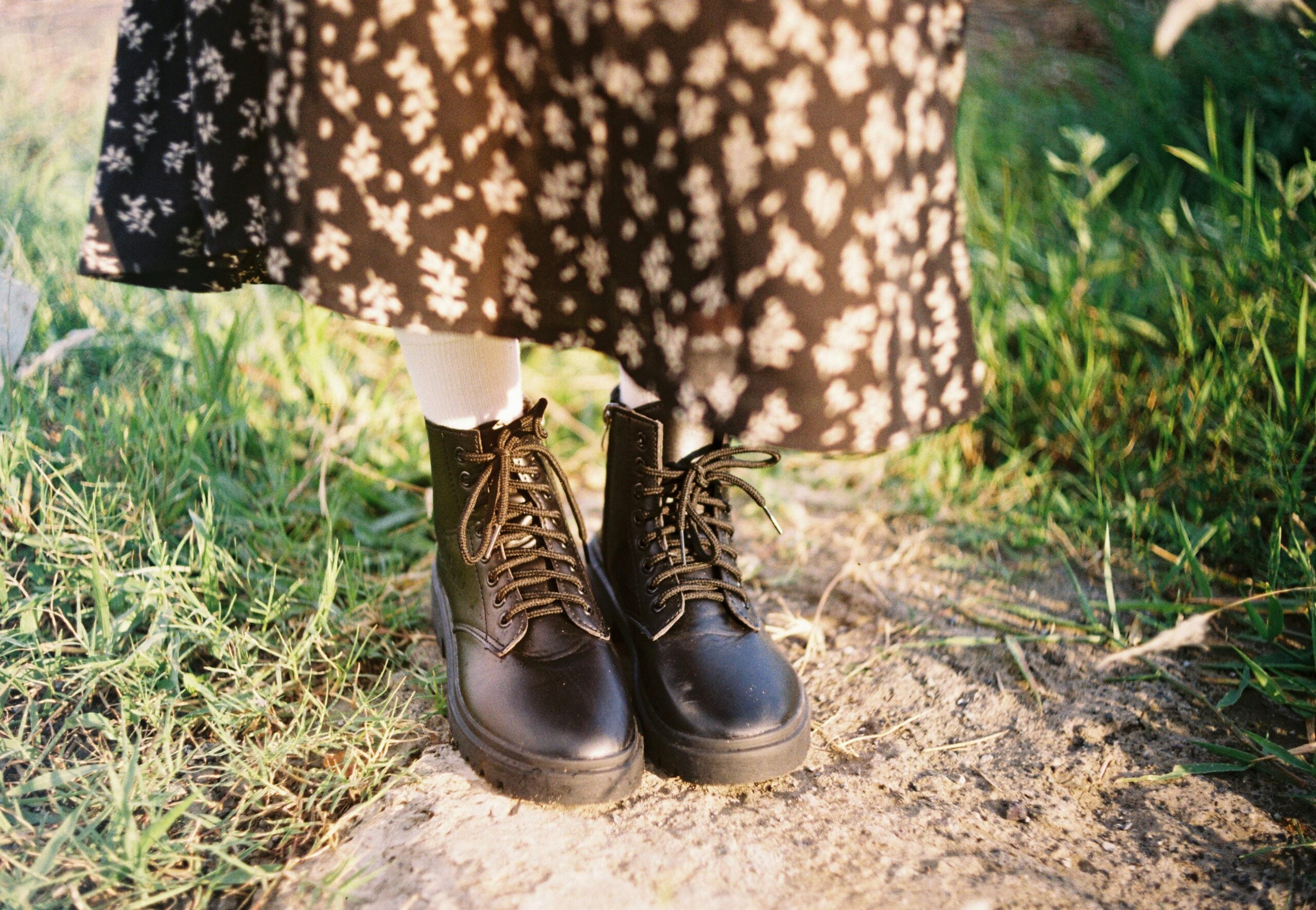
🥾 Work Boots and Safety Footwear
Industrial and construction workers face demanding conditions requiring both protection and comfort. Quality work boots now incorporate advanced cushioning systems alongside safety features like steel toes, puncture-resistant soles, and electrical hazard protection.
Standing on concrete for 8-12 hour shifts generates significant stress on feet and joints. Modern work boots use polyurethane or EVA midsoles with varying density layers—softer near the foot for comfort, firmer near the outsole for durability and support. Anti-fatigue technology in brands like Timberland PRO and Caterpillar specifically addresses the challenges of all-day standing on hard surfaces.
Slip-resistant outsoles with shock-absorbing properties use specialized rubber compounds that maintain grip while providing cushioning. Some work boots feature removable footbeds, allowing workers to customize their cushioning level or add prescribed orthotics as needed.
🚶♀️ Casual and Walking Shoes for Everyday Comfort
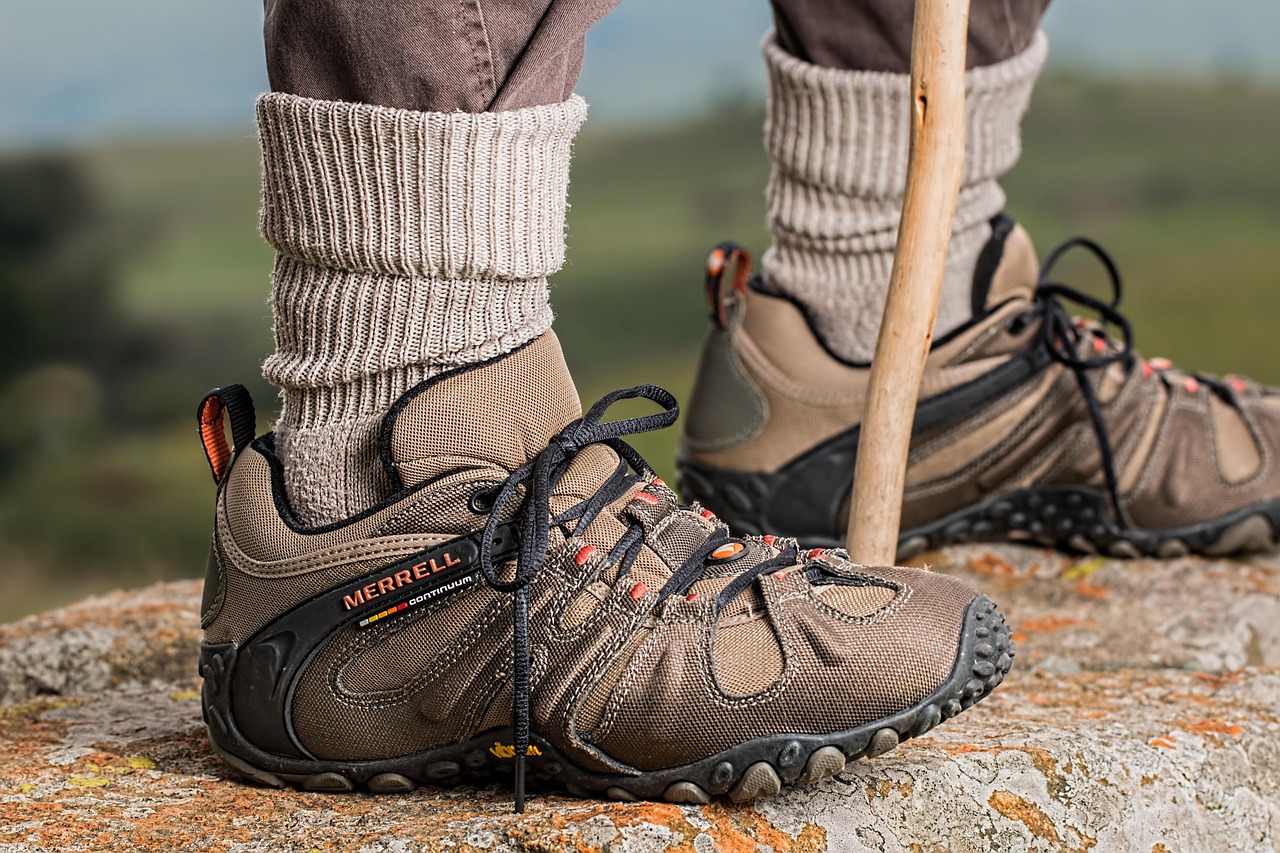
Daily walking shoes serve as workhorses for most people’s footwear rotation. These shoes need versatile cushioning that handles varied surfaces, extended wear periods, and diverse activities from grocery shopping to leisure walks.
Walking Shoe Technologies
Dedicated walking shoes feature cushioning optimized for the heel-to-toe roll pattern of walking gaits. The heel cushioning is typically more substantial than forefoot padding, matching the impact distribution in walking. Flexible forefoot sections facilitate natural foot flexion during push-off.
Brands like New Balance, Skechers, and ASICS offer walking-specific models with generous cushioning, supportive structures, and breathable materials. Many incorporate mesh uppers for ventilation during extended wear and seamless interior construction to prevent hotspots and blisters.
Lifestyle Sneakers
Fashion-forward sneakers increasingly incorporate performance cushioning technologies. Retro running shoes reissued with modern foam compounds provide nostalgic aesthetics with contemporary comfort. Ultra-lightweight lifestyle sneakers use innovative materials that deliver cushioning without bulk, appealing to minimalist preferences.
🏃♀️ Minimalist Versus Maximum Cushioning Debate
The footwear industry continues debating optimal cushioning levels. Minimalist advocates argue that excessive cushioning weakens foot muscles and alters natural biomechanics. Maximalist proponents counter that modern surfaces are harder than the natural terrain humans evolved to walk on, necessitating enhanced protection.
Research suggests both approaches have merit depending on individual factors. Runners with strong feet, proper biomechanics, and gradual adaptation can benefit from minimalist shoes. However, most recreational athletes and those with existing joint issues benefit from moderate to maximal cushioning that reduces impact stress.
The key lies in matching cushioning to your specific needs, activity levels, and biomechanical characteristics. Gradual transitions between cushioning levels allow your body to adapt, reducing injury risk from sudden changes in footwear support.
🔧 Customizing Your Shock Absorption
Beyond selecting appropriate footwear, you can enhance shock absorption through aftermarket insoles and orthotics. These inserts provide customized support, cushioning, and biomechanical correction that generic shoe insoles cannot match.
Over-the-Counter Insole Options
Brands like Superfeet, Powerstep, and Spenco offer specialized insoles for different activities and foot types. Gel insoles provide targeted cushioning in high-impact zones. Memory foam insoles mold to individual foot shapes, distributing pressure evenly. Arch support insoles combine cushioning with structural support, addressing both comfort and biomechanical efficiency.
Consider replacing stock insoles in new shoes with quality aftermarket options. Many factory insoles prioritize cost savings over performance, and upgrading them significantly improves comfort and shock absorption.
Custom Orthotics
For individuals with specific biomechanical issues, prescription orthotics from podiatrists or pedorthists provide tailored solutions. These custom devices correct alignment problems while incorporating appropriate cushioning for individual needs. Though more expensive, they address root causes of discomfort and prevent chronic injuries.
📊 Measuring and Testing Shock Absorption
Understanding how manufacturers test shock absorption helps you interpret marketing claims. Impact attenuation tests measure how much force shoes absorb when struck with standardized impacts. Energy return testing evaluates how much energy cushioning systems return to your stride versus absorbing as waste heat.
| Cushioning Material | Shock Absorption | Energy Return | Durability |
|---|---|---|---|
| EVA Foam | Good | Moderate | 300-500 miles |
| Polyurethane | Excellent | Low | 600-800 miles |
| TPU (Boost-style) | Very Good | Excellent | 500-700 miles |
| Air/Gas Chambers | Excellent | Good | 800-1000 miles |
| Gel Inserts | Excellent | Low | Variable |
When testing shoes personally, walk and perform relevant activities in-store. Notice whether cushioning feels responsive or dead, supportive or unstable. Your perception of comfort during initial wear reliably predicts satisfaction during extended use.
⏰ When to Replace Your Cushioned Shoes
Cushioning materials degrade with use, reducing shock absorption effectiveness over time. Most athletic shoes lose significant cushioning properties after 300-500 miles, though this varies by shoe construction, user weight, and surface types.
Visual inspection reveals compression in midsole areas, creasing, and breakdown of cushioning materials. If you notice increased foot fatigue, joint discomfort, or reduced responsiveness, your shoes likely need replacement. Many runners maintain multiple pairs in rotation, extending each pair’s lifespan while ensuring consistent cushioning performance.
Professional and casual shoes also require periodic replacement. Leather dress shoes can be resoled, but midsole cushioning still degrades. Plan to replace heavily-worn professional shoes every 12-18 months to maintain adequate shock absorption.
🌍 Environmental Considerations in Cushioning Technology
The footwear industry increasingly addresses environmental impacts of cushioning materials. Traditional EVA foam and synthetic cushioning systems present recycling challenges. Some brands now use bio-based foams derived from renewable resources like algae or castor beans.
Recycling programs from companies like Nike and Adidas collect worn shoes, grinding them into materials for athletic surfaces and new products. Biodegradable cushioning materials that break down naturally after disposal represent another sustainability approach, though performance trade-offs still exist.
Consumers can support sustainability by purchasing durable, long-lasting shoes rather than frequently replacing cheaper options. Quality cushioning that maintains performance for 600-800 miles reduces overall environmental impact compared to shoes requiring replacement after 200-300 miles.
💡 Maximizing Shock Absorption Benefits
Proper footwear selection represents just one component of impact management. Your walking and running technique significantly influences shock absorption effectiveness. Landing softly with slightly bent knees reduces peak impact forces regardless of cushioning technology.
Maintaining appropriate flexibility and strength in feet, ankles, and legs enhances your body’s natural shock absorption capabilities. Simple exercises like calf raises, toe spreads, and ankle circles strengthen supporting structures that work alongside shoe cushioning.
Surface selection matters too. When possible, choose softer surfaces like rubber tracks, grass, or trails over concrete and asphalt. Your joints will appreciate the reduced cumulative stress, and your cushioned shoes will last longer.
🎯 Finding Your Perfect Cushioning Match
The ideal shock absorption system differs for everyone based on weight, biomechanics, activity type, and personal preferences. Heavier individuals typically benefit from firmer, more supportive cushioning that maintains structure under greater forces. Lighter individuals can utilize softer cushioning without bottoming out the midsole.
Your arch type influences optimal cushioning selection. High arches require more cushioning as they absorb less impact naturally. Flat feet benefit from supportive cushioning that prevents overpronation while still providing impact protection. Normal arches accommodate the widest range of cushioning options.
Visit specialty footwear retailers that offer gait analysis and expert fitting services. These assessments identify your biomechanical characteristics and match them with appropriate cushioning technologies. The investment in proper fitting pays dividends in comfort, performance, and injury prevention.
🚀 Future Innovations in Shock Absorption
Emerging technologies promise even more sophisticated shock absorption solutions. Smart shoes with electronic cushioning systems adjust firmness in real-time based on impact forces and terrain. 3D-printed midsoles create customized cushioning structures tailored to individual foot shapes and pressure patterns.
Nano-engineered materials offer unprecedented combinations of lightness, durability, and shock absorption. Self-healing cushioning compounds repair minor compression damage during rest periods between wears. Connected footwear analyzes your gait patterns, recommending optimal cushioning adjustments through smartphone applications.
As materials science advances, expect increasingly personalized cushioning solutions that adapt to your specific needs while minimizing environmental impact. The future of shock absorption lies in smart, sustainable technologies that protect your body without compromising performance or planet.
✨ Your Journey to Superior Comfort Starts Now
Understanding shock absorption transforms how you evaluate and select footwear. Rather than choosing shoes based solely on appearance or price, you now recognize the critical importance of cushioning technology in protecting your body from repetitive stress.
Whether you’re running marathons, standing through 12-hour shifts, or simply seeking everyday comfort, appropriate shock absorption enhances your quality of life. Invest in quality footwear designed for your specific activities, replace shoes when cushioning degrades, and consider customizing with aftermarket insoles when needed.
Your feet carry you through life—treat them well with proper cushioning, and they’ll continue supporting your adventures for years to come. Step into comfort, embrace the technology designed to protect your body, and experience the difference that quality shock absorption makes in every step you take.