Your feet carry you through life, and giving them the support they deserve can transform your daily comfort and long-term health. Finding the right insoles or orthotics isn’t just about comfort—it’s an investment in your overall well-being.

Whether you’re an athlete pushing your limits, a professional standing all day, or someone dealing with foot pain, the right footwear support can make all the difference. Understanding how to choose the perfect insoles and orthotics will help you step confidently into a more comfortable future.
Understanding the Difference Between Insoles and Orthotics 👟
Before diving into selection criteria, it’s essential to understand what distinguishes insoles from orthotics. While many people use these terms interchangeably, they serve different purposes and offer varying levels of support.
Insoles, also known as shoe inserts or footbeds, are generally over-the-counter products designed to provide cushioning, shock absorption, and basic arch support. They’re typically made from foam, gel, or other cushioning materials and can be purchased at retail stores without a prescription.
Orthotics, on the other hand, are specifically designed medical devices that correct foot mechanics and address specific biomechanical issues. Custom orthotics are prescribed by podiatrists or orthopedic specialists and are molded to your unique foot structure. They’re engineered to redistribute pressure, correct alignment problems, and treat various foot conditions.
When Do You Need Basic Insoles?
Basic insoles work well for people who want enhanced comfort, additional cushioning, or mild support. They’re ideal if you spend long hours on your feet, want to extend the life of your shoes, or need to reduce general foot fatigue without specific medical concerns.
When Are Orthotics Necessary?
Orthotics become necessary when you’re dealing with specific conditions such as plantar fasciitis, flat feet, high arches, bunions, heel spurs, or diabetes-related foot problems. They’re also beneficial for addressing knee, hip, or back pain that originates from poor foot mechanics.
Identifying Your Foot Type and Arch Structure 🦶
Understanding your foot type is the foundation of choosing appropriate insoles or orthotics. Your arch structure significantly influences how your feet absorb shock and distribute weight during movement.
There’s a simple “wet test” you can perform at home: wet your feet and step onto a piece of paper or cardboard. The imprint you leave reveals your arch type. A complete footprint indicates flat feet, a narrow connection between heel and forefoot suggests normal arches, and minimal connection shows high arches.
Flat Feet (Low Arches)
If you have flat feet, your entire sole touches the ground when standing. This condition often leads to overpronation, where your feet roll inward excessively while walking. You’ll need insoles or orthotics with firm arch support and motion control features to prevent excessive rolling and provide stability.
Normal Arches
Normal arches show a distinct curve along the inside of the foot with moderate pronation. People with normal arches have the most flexibility in choosing insoles, though moderate arch support with balanced cushioning typically works best for maintaining natural foot mechanics.
High Arches
High arches create a pronounced curve with minimal foot-to-ground contact. This structure often causes supination (underpronation), where feet roll outward. High-arched feet require extra cushioning and flexibility to absorb shock since they don’t naturally compress much during walking.
Common Foot Conditions and Targeted Solutions 💡
Different foot conditions require specific support features. Matching your insoles or orthotics to your particular concern ensures you get relief rather than creating new problems.
Plantar Fasciitis
This painful inflammation of the tissue running along the bottom of your foot requires insoles with excellent arch support and deep heel cups. Look for options with heel cushioning and features that cradle the heel while supporting the arch to reduce tension on the plantar fascia.
Heel Spurs and Heel Pain
Heel-focused conditions benefit from insoles with gel or foam heel pads that provide extra cushioning. Cup-shaped heel designs help stabilize the heel bone and absorb impact forces that exacerbate pain.
Metatarsalgia (Ball-of-Foot Pain)
When the ball of your foot aches, you need insoles with metatarsal pads or domes that redistribute pressure away from sensitive areas. These features offload stress from the forefoot and provide cushioning where you need it most.
Bunions and Hammertoes
These structural deformities require insoles that provide proper arch support while offering enough room to accommodate the affected areas. Look for wider toe boxes and designs that reduce pressure on problem spots while correcting alignment issues.
Material Matters: Choosing the Right Construction ✨
The materials used in insoles and orthotics dramatically affect their performance, durability, and suitability for different activities and conditions.
Foam Materials
EVA (ethylene-vinyl acetate) foam is lightweight, affordable, and provides decent cushioning for everyday use. Memory foam molds to your foot shape, offering customized comfort but may compress over time. Polyurethane foam offers firmer support with better durability than standard foam options.
Gel Insoles
Gel materials excel at shock absorption, making them ideal for high-impact activities or hard surfaces. They’re particularly effective in the heel area but can feel less stable for people needing firm arch support. Combination gel-and-foam designs often provide the best of both worlds.
Cork and Leather
Natural materials like cork offer semi-rigid support while molding gradually to your foot over time. Leather top covers provide breathability and moisture management, preventing odor and keeping feet comfortable during extended wear.
Rigid and Semi-Rigid Materials
Custom orthotics often incorporate carbon fiber, plastic, or composite materials that provide firm, corrective support. These materials don’t compress significantly and maintain their shape, making them ideal for serious biomechanical corrections.
Activity-Specific Insole Selection 🏃
Your activities should heavily influence your insole choice. Different pursuits place unique demands on your feet, requiring specialized support characteristics.
Running and Athletic Activities
Athletic insoles need excellent shock absorption, moisture-wicking properties, and lightweight construction. Running insoles should provide dynamic support that moves with your foot through the gait cycle while offering sufficient cushioning for repetitive impact.
Work and Standing Professions
If you stand all day on hard surfaces, prioritize insoles with maximum cushioning and fatigue-fighting features. Anti-fatigue insoles with deep heel cups and full-length support help prevent the aching tiredness that comes from prolonged standing.
Casual and Everyday Wear
Daily comfort insoles should balance support and cushioning without adding too much bulk to your shoes. Slim-profile designs work well in dress shoes and casual footwear while still providing meaningful support improvements.
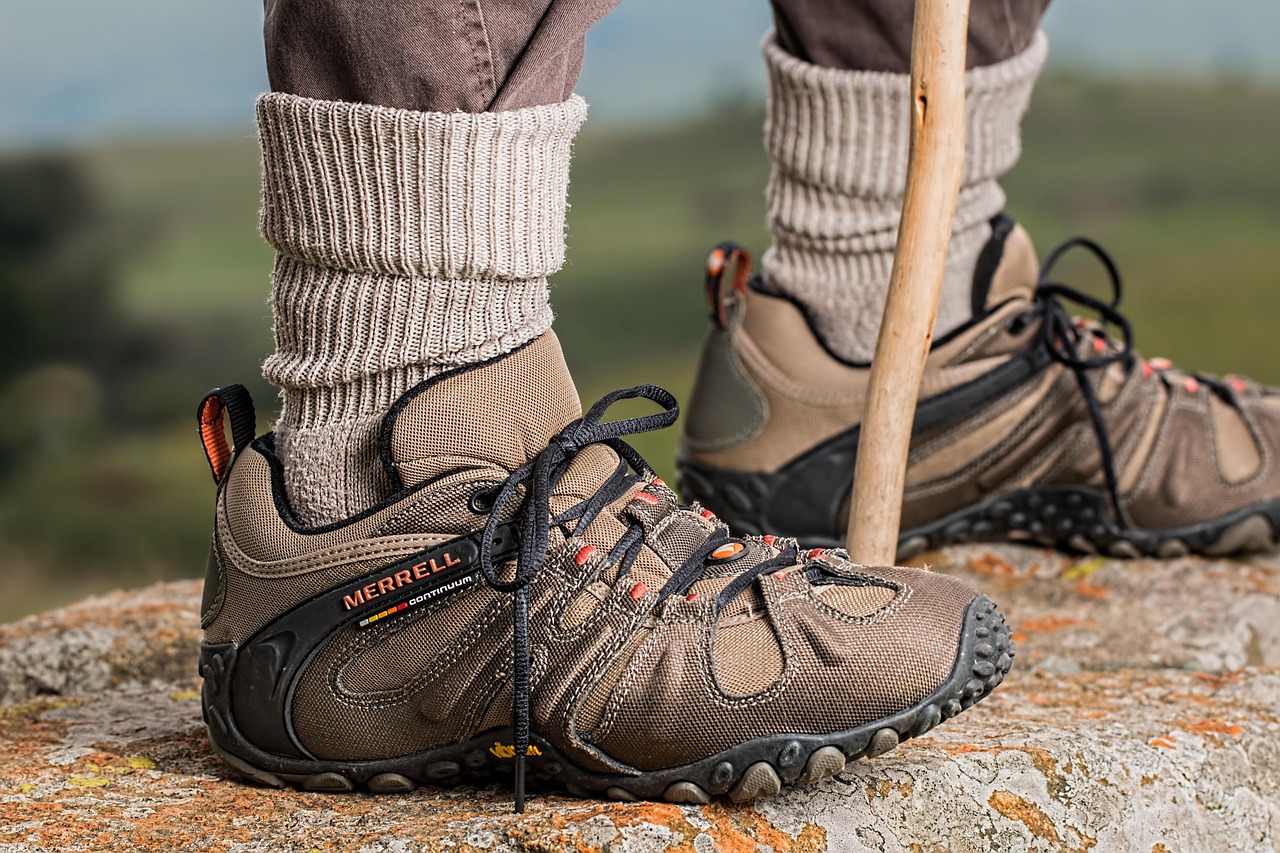
Hiking and Outdoor Activities
Trail activities demand rugged insoles with excellent arch support, heel stability, and moisture management. Look for options with antimicrobial treatments and materials that won’t break down quickly in challenging outdoor conditions.
The Custom vs. Over-the-Counter Decision 🤔
Deciding between custom orthotics and over-the-counter insoles depends on your specific needs, budget, and the severity of any foot problems you’re experiencing.
Over-the-counter insoles cost significantly less, ranging from $15 to $60 for quality options. They’re immediately available, easy to try, and work well for general comfort enhancement and mild support needs. Many premium OTC insoles now offer heat-molding capabilities that provide semi-custom fit.
Custom orthotics typically cost between $200 and $800 and require professional evaluation and fitting. They’re prescribed when you have specific medical conditions, structural abnormalities, or when over-the-counter options haven’t provided adequate relief. Insurance may cover custom orthotics when medically necessary.
Trying Premium OTC Options First
For most people without severe conditions, starting with high-quality over-the-counter insoles makes sense. If premium OTC options don’t provide adequate relief after several weeks of consistent use, that’s when consulting a podiatrist about custom orthotics becomes appropriate.
Proper Fitting and Break-In Period ⏰
Even perfect insoles require proper fitting and gradual adaptation. Rushing this process can cause discomfort and lead to abandoning potentially beneficial support.
New insoles may feel strange initially, especially if you’ve never used arch support before. Your feet, legs, and even your back need time to adjust to the changed biomechanics. Start by wearing new insoles for just 2-3 hours daily, gradually increasing duration over 1-2 weeks.
Ensuring Proper Fit
Insoles should fit your shoes without bunching, curling, or excessive movement. Most insoles can be trimmed to size—follow the manufacturer’s guidelines and trim conservatively. The arch support should align with your natural arch location; misaligned support creates more problems than it solves.
Your toes should have adequate wiggle room with the insoles in place. If the added volume makes shoes too tight, you may need to size up or choose lower-profile insoles for that particular footwear.
Signs of Improper Fit
Watch for blisters, numbness, increased pain, or new discomfort in different areas. These symptoms suggest the insoles aren’t right for your feet. Don’t push through genuine pain—adjustment discomfort differs from actual problems that indicate incompatibility.
Maintenance and Replacement Guidelines 🔄
Insoles and orthotics don’t last forever. Proper maintenance extends their life, but knowing when to replace them ensures continued benefit.
Most over-the-counter insoles last 6-12 months with regular use, depending on your activity level and body weight. Athletic insoles used for running may need replacement every 300-500 miles. Custom orthotics typically last 2-5 years but should be evaluated annually by your podiatrist.
Maintenance Tips
Remove insoles from shoes when not wearing them to allow complete drying. Wipe them down regularly with mild soap and water, avoiding harsh chemicals that degrade materials. Air-dry completely before reinserting—never use direct heat sources that can warp materials.
Signs You Need Replacement
Replace insoles when you notice visible wear patterns, compressed cushioning that doesn’t bounce back, or a return of foot pain that was previously controlled. Cracking, tearing, or permanent deformation also indicate it’s time for new insoles.
Making Your Final Selection: A Practical Checklist ✅
When you’re ready to purchase, use this comprehensive checklist to ensure you’re making an informed decision:
- Identify your arch type and specific foot concerns or conditions
- Consider your primary activities and where you’ll use the insoles
- Determine your budget and whether insurance might cover custom options
- Research brands with strong reputations for your specific needs
- Check return policies—quality retailers offer satisfaction guarantees
- Read reviews from people with similar foot types and concerns
- Verify the insoles will fit your shoe types (athletic, dress, casual)
- Look for appropriate cushioning and support features for your requirements
- Consider antimicrobial treatments if foot odor is a concern
- Plan for a proper break-in period rather than expecting immediate perfection
Beyond Insoles: Complementary Foot Health Practices 🌟
While quality insoles and orthotics provide essential support, they work best as part of a comprehensive foot health approach.
Choose shoes with adequate room, proper support, and construction quality that complements your insoles. Cheap shoes undermine even the best insoles. Maintain healthy body weight to reduce stress on your feet and extend the life of your support products.
Regular stretching exercises for your feet, ankles, and calves improve flexibility and reduce injury risk. Simple exercises like toe curls, marble pickups, and calf stretches take just minutes but significantly benefit foot health.
Stay attentive to changes in your feet, gait, or comfort levels. Early intervention prevents minor issues from becoming chronic problems. Schedule regular foot evaluations with a podiatrist if you have diabetes, circulation problems, or ongoing foot concerns.

Stepping Forward with Confidence 🚶
Choosing the perfect insoles or orthotics transforms how you move through your day. The right support reduces pain, prevents injuries, improves posture, and helps you stay active doing what you love.
Start by understanding your unique foot structure and specific needs. Research quality options appropriate for your activities and concerns. Don’t hesitate to try different products—what works for others may not work for you, and finding your perfect match sometimes requires experimentation.
Remember that premium support doesn’t always mean the most expensive option. Many excellent over-the-counter insoles provide remarkable benefits at reasonable prices. However, don’t compromise on quality for significant savings—your feet deserve proper investment.
Listen to your body during the adjustment period and make changes if something doesn’t feel right. With patience and the right approach, you’ll discover the support solution that keeps your feet happy, healthy, and ready for whatever life brings. Your journey to superior foot comfort starts with a single informed step—make it count.