Walking should be one of life’s simplest pleasures, yet for millions of people, every step brings discomfort, pain, and frustration that can turn a casual stroll into an ordeal.

Whether you’re dealing with plantar fasciitis, flat feet, high arches, or general foot fatigue, proper arch support isn’t just a luxury—it’s a necessity for maintaining mobility, preventing injury, and enjoying an active lifestyle. The good news is that with the right knowledge and tools, you can transform your walking experience from painful to pleasurable, allowing you to move through your day with confidence and comfort.
🦶 Understanding Why Arch Support Matters for Every Walker
Your foot’s arch isn’t just an anatomical curiosity—it’s a sophisticated shock-absorption system that distributes your body weight across your foot with each step. When this natural support system fails or becomes compromised, the ripple effects extend far beyond your feet, potentially causing knee pain, hip discomfort, and even lower back problems.
The arch of your foot functions like a spring, storing and releasing energy as you walk. Without adequate support, this mechanism becomes inefficient, forcing other parts of your body to compensate. This compensation pattern leads to fatigue, inflammation, and chronic pain that can sideline even the most enthusiastic walkers.
Pain-prone walkers often share common characteristics: collapsed arches, overpronation, supination, or simply wearing inappropriate footwear that fails to provide the structural support their feet desperately need. Recognizing these issues is the first step toward finding effective solutions.
Identifying Your Arch Type and Support Needs
Before investing in arch support solutions, you need to understand your unique foot structure. The three primary arch types—low (flat feet), normal, and high—each require different support strategies to maintain optimal foot health and comfort during walking.
The Wet Foot Test: Your Simple Home Assessment
One of the easiest ways to determine your arch type is the wet foot test. Simply wet the bottom of your foot, step onto a piece of dark paper or cardboard, and examine the footprint you leave behind. A complete footprint indicates flat feet, a moderate curve suggests normal arches, and a very narrow connection between heel and forefoot reveals high arches.
Understanding your arch type helps you select the appropriate level of support. Flat feet typically require motion control and stability features, normal arches benefit from moderate cushioning and support, while high arches need extra cushioning to compensate for reduced natural shock absorption.
Common Walking-Related Foot Problems and Their Arch Support Solutions
Different foot conditions require targeted approaches to arch support. Let’s explore the most common issues pain-prone walkers face and the specific support strategies that address each problem effectively.
Plantar Fasciitis: The Morning Pain Nightmare
Plantar fasciitis affects the thick band of tissue running across the bottom of your foot, connecting your heel bone to your toes. This condition typically causes stabbing pain with your first steps in the morning, improving somewhat as you move around but often worsening after prolonged standing or walking.
For plantar fasciitis sufferers, arch support should focus on maintaining the foot’s natural arch shape while reducing tension on the plantar fascia. Look for insoles or orthotics with deep heel cups, firm arch support, and some degree of flexibility that allows natural foot movement without excessive strain.
Flat Feet: When Your Arches Collapse
Flat feet occur when the arches collapse, causing the entire sole to contact the ground. This condition often leads to overpronation—excessive inward rolling of the foot during walking—which can trigger a cascade of alignment issues throughout the lower body.
Supporting flat feet requires structured arch support that literally lifts the collapsed arch while providing stability to prevent excessive pronation. Motion control features in both footwear and insoles help guide the foot through a more natural gait cycle, reducing stress on joints and soft tissues.
High Arches: The Cushioning Challenge
High arches create the opposite problem from flat feet. With less surface area contacting the ground, pressure concentrates on the heel and ball of the foot, often causing pain in these areas along with reduced shock absorption throughout the foot and leg.
High-arched walkers benefit most from cushioned arch support that fills the gap beneath the arch while providing generous padding in pressure zones. Flexibility is also important, as rigid support can actually worsen discomfort for those with naturally high arches.
🥾 Choosing the Right Footwear: Your Foundation for Pain-Free Walking
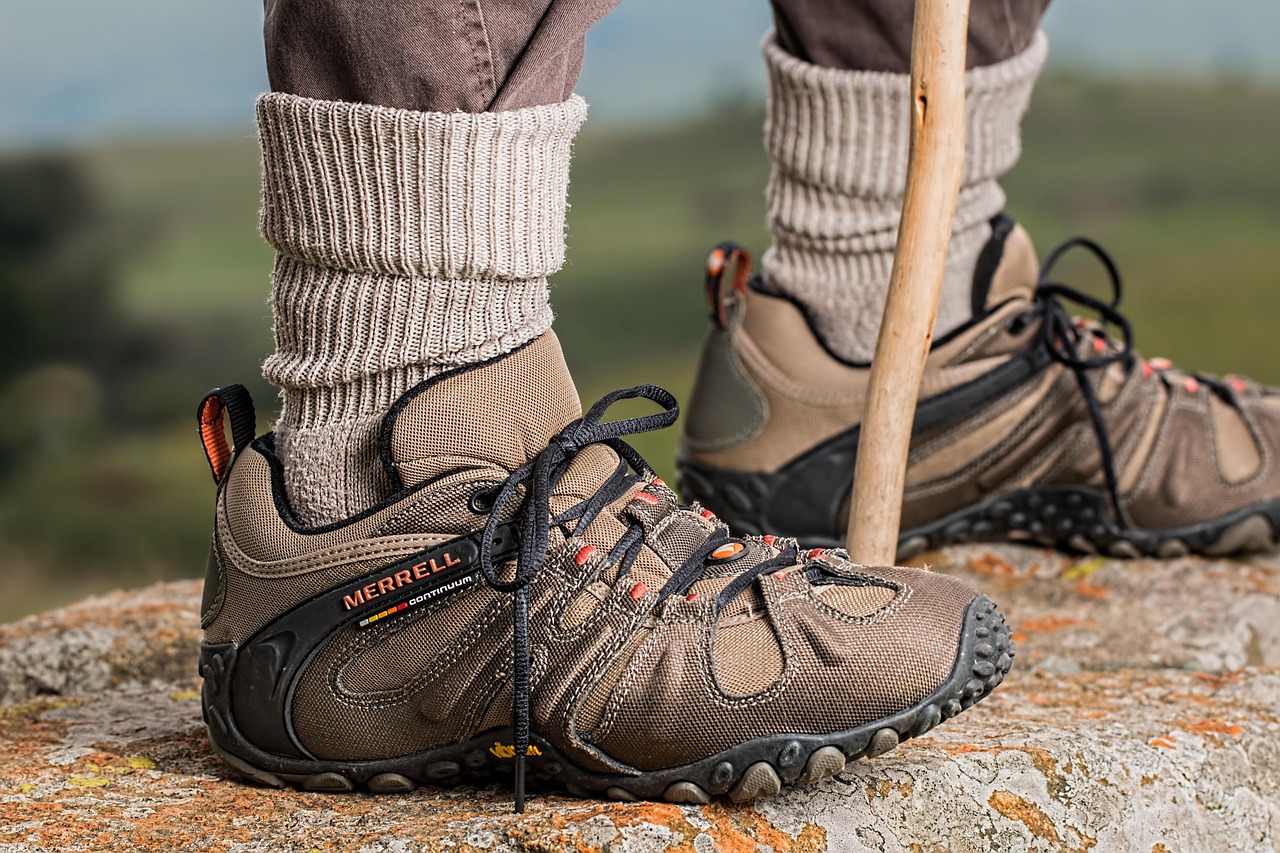
Even the best arch support insoles can’t compensate for poorly designed shoes. Your footwear serves as the foundation for comfortable walking, and selecting shoes with appropriate arch support features is essential for pain-prone walkers.
Quality walking shoes should feature a supportive midsole, adequate arch contour, proper heel counter stability, appropriate toe box room, and quality materials that maintain their supportive properties over time. Avoid shoes with completely flat insoles, excessively worn-out cushioning, or designs that prioritize fashion over function.
When to Replace Your Walking Shoes
Most walking shoes lose their supportive properties after 300-500 miles of use, though this varies based on your weight, gait pattern, and walking surfaces. Visual signs like worn tread, compressed midsoles, or shoes that lean to one side indicate it’s time for replacement, even if the uppers still look presentable.
Don’t wait until your shoes are completely destroyed. Worn-out shoes not only fail to provide adequate arch support but can actually contribute to new foot problems or exacerbate existing conditions.
Orthotic Insoles: Customizable Support for Every Walker
Orthotic insoles bridge the gap between your feet and your footwear, providing customized arch support that addresses your specific needs. These supportive inserts range from over-the-counter options to custom-molded orthotics prescribed by podiatrists.
Over-the-counter insoles offer an affordable starting point for most pain-prone walkers. Look for products specifically designed for your arch type and primary foot concern. Many quality brands offer different models for low, medium, and high arches, along with specialized versions for specific conditions like plantar fasciitis or metatarsalgia.
Custom Orthotics: When Standard Support Isn’t Enough
For walkers with severe pain, significant structural abnormalities, or multiple foot issues, custom orthotics may provide the precise support needed for comfortable mobility. These prescription devices are created from molds or scans of your feet, designed specifically for your unique anatomy and walking pattern.
While custom orthotics require a larger investment than over-the-counter options, they often prove worthwhile for people who haven’t found relief through standard interventions. Work with a qualified podiatrist or pedorthist to determine whether custom orthotics are appropriate for your situation.
💪 Strengthening Exercises to Support Your Arches Naturally
External arch support is important, but developing the intrinsic strength of your feet creates a foundation for long-term comfort and injury prevention. These exercises target the small muscles that support your arches, improving their natural function over time.
- Toe Curls: Place a small towel on the floor and use your toes to scrunch it toward you, working the muscles that support your arch.
- Arch Lifts: While standing, try to lift your arch without curling your toes, holding for 5-10 seconds. This isolates the intrinsic foot muscles.
- Marble Pickup: Use your toes to pick up marbles or small objects, transferring them to a bowl. This improves dexterity and strengthens arch-supporting muscles.
- Calf Stretches: Tight calf muscles contribute to arch strain. Regular stretching reduces this tension and improves overall foot mechanics.
- Heel Raises: Standing heel raises strengthen your calves and the muscles supporting your arches, improving stability during walking.
Consistency matters more than intensity with foot exercises. Just five to ten minutes daily can produce noticeable improvements in arch strength and comfort within a few weeks.
Strategic Walking Techniques for Pain-Prone Feet
How you walk matters just as much as what you wear. Developing proper walking mechanics reduces unnecessary stress on your arches and helps you move more efficiently with less discomfort.
Focus on landing on your heel with each step, rolling smoothly through your midfoot, and pushing off from your toes. Avoid heavy heel striking or shuffling, both of which create excessive impact and strain. Keep your steps moderate in length—overstriding forces your feet to work harder and increases injury risk.
Surface Matters: Choose Your Walking Terrain Wisely
Hard, unyielding surfaces like concrete create more impact stress than softer alternatives. When possible, choose grass, dirt trails, or rubberized tracks for your walks. If you must walk on hard surfaces, ensure your footwear provides adequate cushioning and arch support to compensate.
Uneven terrain challenges your feet differently than flat surfaces. While occasional variation strengthens stabilizing muscles, pain-prone walkers should avoid consistently walking on extremely uneven ground until their feet grow stronger and more resilient.
📊 Daily Habits That Preserve Arch Health and Prevent Pain
Beyond dedicated exercises and proper footwear, several everyday habits significantly impact your arch health and walking comfort. Incorporating these practices into your routine creates a supportive environment for pain-free mobility.
| Habit | Benefit | Implementation Tip |
|---|---|---|
| Morning Foot Stretches | Reduces morning stiffness and plantar fasciitis pain | Stretch before getting out of bed, especially your calves and foot arches |
| Ice After Long Walks | Reduces inflammation and prevents next-day soreness | Roll your foot over a frozen water bottle for 10-15 minutes |
| Gradual Distance Increases | Prevents overuse injuries from doing too much too soon | Increase walking distance by no more than 10% weekly |
| Foot Massage | Improves circulation and releases muscle tension | Spend 5 minutes massaging your arches each evening |
| Proper Hydration | Maintains tissue elasticity and reduces cramp risk | Drink water consistently throughout the day, not just during walks |
Weight management also plays a crucial role in arch health. Every extra pound creates additional stress on your feet, particularly on your arches and heels. Even modest weight loss can produce significant improvements in walking comfort for many pain-prone individuals.
Night Splints and Recovery Tools for Persistent Pain
For walkers dealing with stubborn foot pain that doesn’t fully resolve with daytime interventions, nighttime support tools can accelerate healing and reduce morning discomfort.
Night splints hold your foot in a gently stretched position while you sleep, preventing the plantar fascia from tightening overnight. This reduces the characteristic morning pain many people experience with plantar fasciitis and similar conditions. While initially uncomfortable, most users adapt within a few nights and experience noticeable improvements.
Compression Socks: Support While You Sleep
Compression socks designed for arch support provide gentle pressure that reduces inflammation and improves circulation during rest periods. These are particularly helpful for people who find traditional night splints too restrictive but still need overnight support.
Choose compression socks specifically designed for arch support rather than general circulation socks. The targeted compression around your arch provides the therapeutic benefit pain-prone walkers need.
🩺 When to Seek Professional Help for Your Foot Pain
While many arch-related walking problems improve with self-care measures, certain symptoms warrant professional evaluation. Don’t delay seeking help if you experience severe pain that prevents normal walking, visible deformity or swelling, pain that worsens despite conservative treatment, or symptoms that persist beyond several weeks of proper arch support and self-care.
A podiatrist can provide accurate diagnosis, prescribe custom orthotics if needed, recommend physical therapy, or discuss advanced treatments like corticosteroid injections or, in rare cases, surgical interventions for structural problems that don’t respond to conservative care.
Early professional intervention often prevents minor issues from developing into chronic conditions that require more intensive treatment. Don’t consider seeking help a sign of weakness—it’s a smart strategy for preserving your mobility and quality of life.
Building Your Complete Arch Support Strategy
Effective arch support for pain-prone walkers isn’t about finding a single magic solution—it’s about creating a comprehensive approach that addresses multiple factors contributing to your discomfort. The most successful strategies combine appropriate footwear, supportive insoles, strengthening exercises, proper walking mechanics, and smart recovery practices.
Start by addressing the most obvious issues first. If your shoes are worn out or inappropriate for your foot type, replace them before investing in expensive custom orthotics. If you’re not doing any foot-strengthening exercises, begin a simple routine before assuming you need more aggressive interventions.
Track your progress as you implement changes. Keep a simple walking journal noting distance, discomfort levels, and which interventions you’re using. This information helps you identify what’s working and what needs adjustment, allowing you to refine your approach over time.
🌟 Embracing the Journey to Pain-Free Walking
Transforming your walking experience from painful to pleasurable takes time, patience, and consistent effort, but the rewards are immeasurable. The ability to walk comfortably opens doors to improved fitness, better mental health, enhanced social connections, and greater independence as you age.
Remember that progress isn’t always linear. Some days will feel better than others, and setbacks are normal parts of the healing process. Don’t let occasional bad days discourage you from continuing your arch support strategies and self-care practices.
Celebrate small victories along the way—walking an extra block without pain, getting through a day without needing ice, or simply noticing that your morning stiffness has decreased. These incremental improvements accumulate into significant quality-of-life enhancements that make every step of your journey worthwhile.
By implementing the arch support strategies outlined in this guide, you’re not just addressing foot pain—you’re investing in your long-term mobility, health, and ability to live an active, fulfilling life. Your feet carry you through every experience, adventure, and moment of your life. They deserve the proper care, support, and attention that allows them to serve you well for decades to come. Step forward with confidence, knowing that comfortable, pain-free walking is within your reach.