Living with hypermobility presents unique challenges that extend far beyond flexibility. Finding the right footwear becomes essential for managing joint stability and preventing pain.

Whether you have Ehlers-Danlos Syndrome, joint hypermobility syndrome, or simply experience excessive flexibility in your joints, the shoes you wear can dramatically impact your daily comfort and long-term joint health. The wrong footwear can exacerbate instability, increase fatigue, and lead to chronic pain patterns that affect your entire kinetic chain from ankles to hips and beyond.
Understanding Hypermobility and Its Impact on Your Feet 🦶
Hypermobility occurs when joints move beyond their normal range of motion, creating instability that the surrounding muscles must constantly compensate for. This excess movement places extraordinary demands on your body’s structural support systems, particularly in weight-bearing joints like ankles, knees, and hips.
For individuals with hypermobile joints, the feet become both a foundation and a potential vulnerability. Without proper support, hypermobile feet can collapse inward (overpronation), lose their natural arch structure, and create a cascade of alignment issues throughout the body. This is why selecting appropriate footwear isn’t just about comfort—it’s a crucial component of joint protection and pain management.
The biomechanical reality of hypermobility means your feet work harder than typical feet just to maintain basic stability. Each step requires extra muscular effort to control joint movement, leading to faster fatigue and increased risk of injury. Quality footwear serves as an external support system that reduces this burden significantly.
Essential Features Your Hypermobility Footwear Must Have
Not all supportive shoes are created equal, especially when addressing the specific needs of hypermobile joints. Understanding which features provide genuine benefit versus marketing hype can save you money, pain, and frustration.
Firm Heel Counters for Ankle Stability
The heel counter—the rigid cup at the back of the shoe surrounding your heel—provides critical lateral stability. For hypermobile individuals, a firm, well-constructed heel counter prevents excessive side-to-side movement that can strain ankle ligaments and contribute to instability throughout your gait cycle.
Test this by squeezing the heel counter between your fingers. If it collapses easily, the shoe won’t provide adequate support. Quality heel counters should feel rigid and maintain their shape under pressure.
Structured Arch Support That Works With Your Feet
Arch support needs vary depending on your foot type, but hypermobile individuals typically benefit from moderate to firm arch support that prevents excessive flattening during weight-bearing. This support should feel comfortable immediately—if it creates pressure points, the arch placement doesn’t match your foot structure.
Custom orthotics often provide superior arch support compared to built-in shoe features, offering personalized correction that addresses your specific biomechanical patterns. Many people with hypermobility find that combining quality shoes with custom orthotics delivers optimal results.
Limited Flexibility in the Sole
While shoe flexibility sounds appealing, hypermobile feet already have excessive movement. Shoes with rigid or semi-rigid soles provide the external structure your joints need, preventing the midfoot from collapsing and maintaining proper alignment through your stride.
The bend test reveals sole rigidity: hold the shoe at both ends and try to fold it in half. Appropriate footwear for hypermobility should resist this bending motion, flexing only at the ball of the foot where natural movement occurs.
Adequate Cushioning Without Sacrificing Stability
Cushioning protects joints from impact forces, but excessive softness creates an unstable platform that forces your muscles to work harder. The ideal balance provides shock absorption while maintaining a firm, stable base that doesn’t compress unevenly under your weight.
Footwear Categories That Support Hypermobile Joints ✨
Different activities and environments require specific footwear solutions. Understanding which shoe types best support hypermobile joints in various situations helps you build a functional footwear wardrobe.
Athletic Shoes: Motion Control and Stability Options
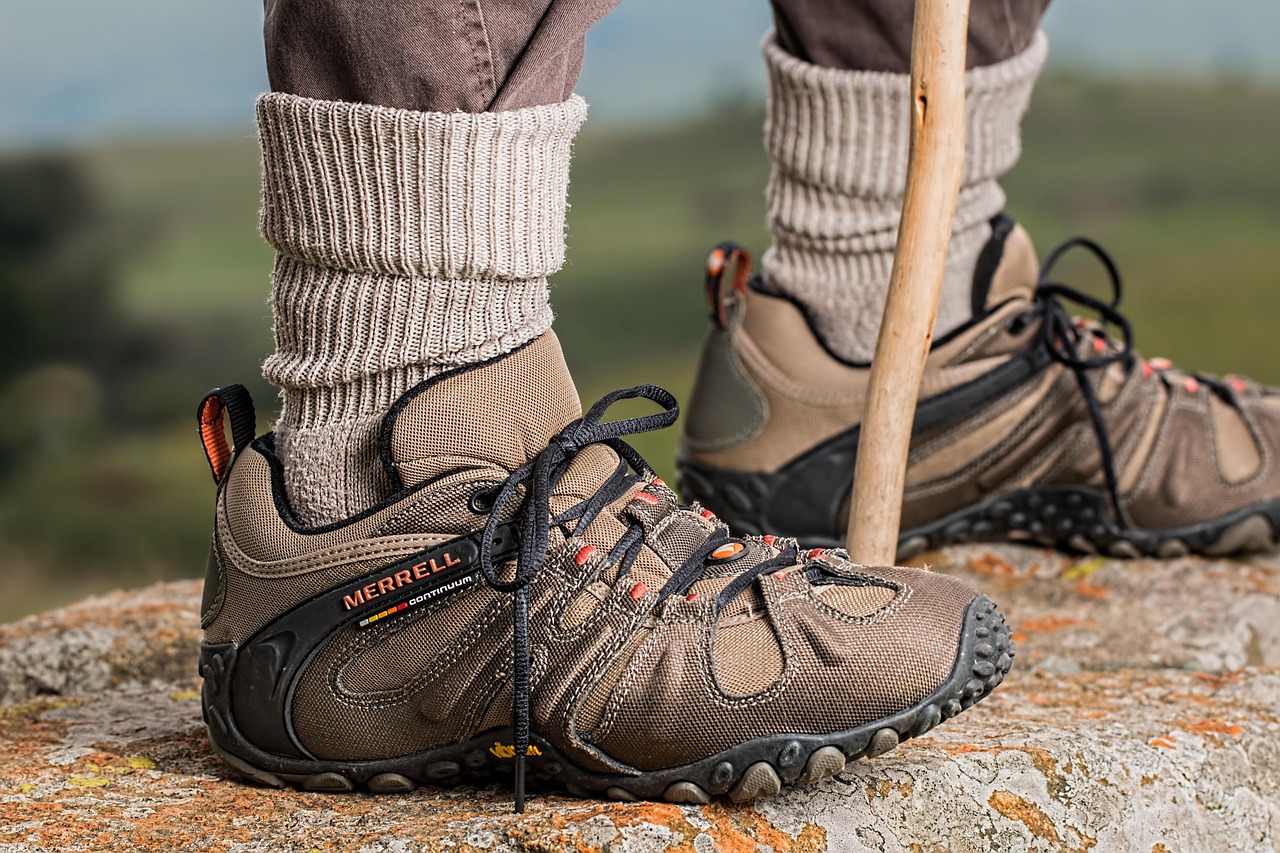
For exercise and daily wear, motion control running shoes or stability trainers offer excellent support. These categories specifically address overpronation and provide firm midsoles, substantial heel counters, and supportive upper construction.
Brands like Brooks, ASICS, New Balance, and Saucony offer extensive motion control lines. Models such as the Brooks Beast or Ariel, ASICS Gel-Kayano, and New Balance 860 series have established reputations among people managing joint hypermobility.
Cross-training shoes also work well for general wear, offering multidirectional stability that supports varied movement patterns throughout your day.
Casual and Everyday Footwear Solutions
Daily shoes present challenges since fashion often conflicts with function. However, several brands prioritize both aesthetics and orthopedic principles, creating options that support joint health without sacrificing style.
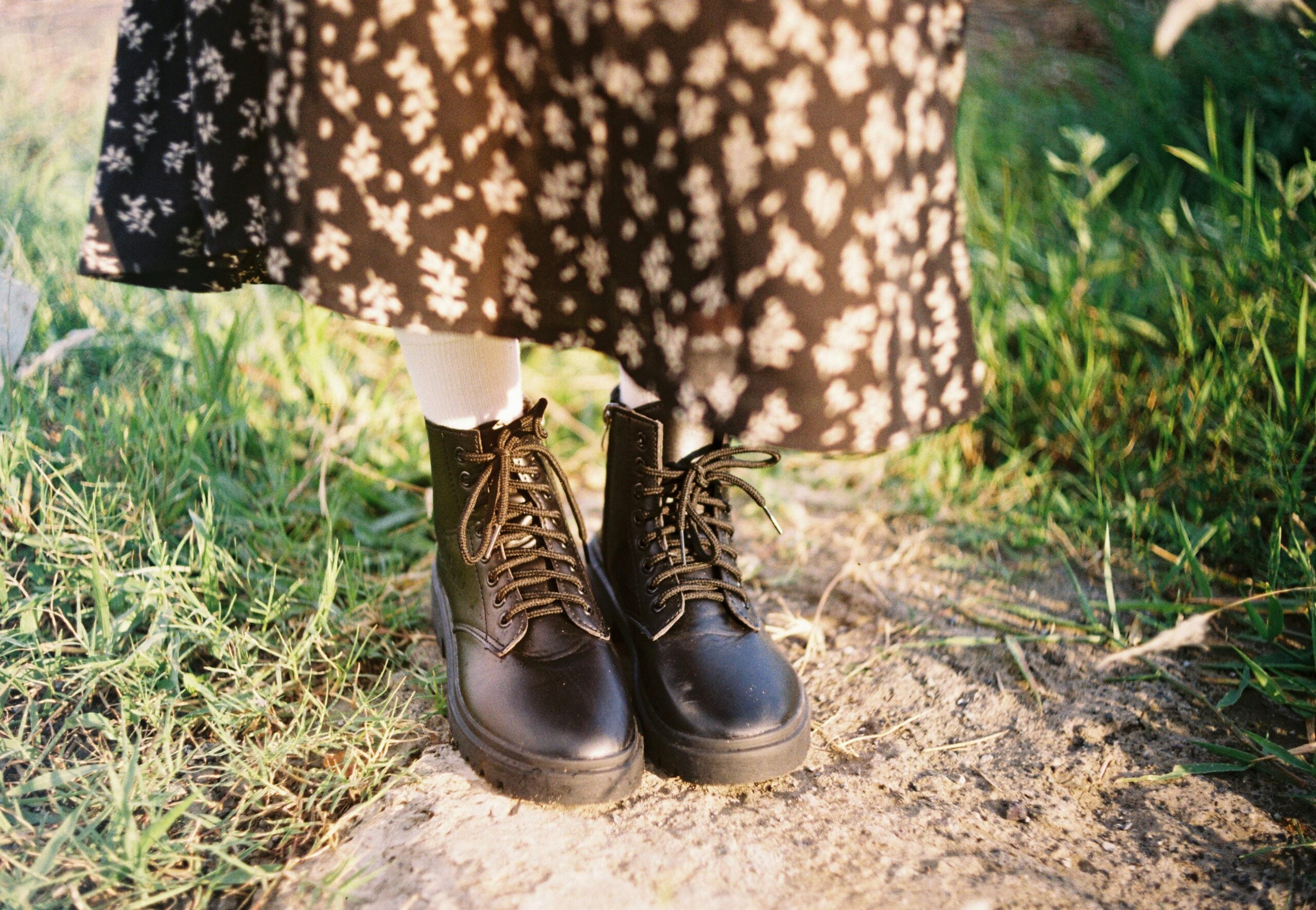
Look for leather or structured fabric uppers that provide lateral support, avoid completely flat soles, and choose styles with laces or adjustable straps that secure your foot properly. Slip-on shoes typically lack adequate support unless specifically designed with orthopedic features.
Brands specializing in supportive casual footwear include Vionic, Orthofeet, Dansko, Taos, and Naot. These manufacturers incorporate orthopedic principles into fashionable designs suitable for work and social settings.
Sandals That Don’t Compromise Support
Traditional flip-flops and unsupportive sandals are particularly problematic for hypermobile joints, offering no structural support and requiring toe-gripping that creates additional strain. Supportive sandal alternatives provide warm-weather comfort without sacrificing joint protection.
Quality orthopedic sandals feature contoured footbeds, adjustable straps that secure the heel and midfoot, and substantial sole construction. Brands like Birkenstock, Vionic, Chaco, and Teva offer sandal options with genuine support features appropriate for hypermobile feet.
Work Footwear for Various Professional Settings
Professional environments often have footwear expectations that conflict with supportive shoe features. Finding work-appropriate options that provide necessary support requires strategic shopping.
For standing professions, clogs from Dansko or Alegria provide excellent support with professional appearance. Business casual settings accommodate oxford-style shoes, supportive loafers, and Mary Jane styles from orthopedic-focused brands. Even formal situations have options—dress shoes with removable insoles allow custom orthotic use.
Custom Orthotics: When Standard Support Isn’t Enough
Many people with significant hypermobility find that even the best supportive shoes don’t fully address their biomechanical needs. Custom orthotics provide personalized correction that can dramatically improve comfort and function.
Prescription orthotics created by podiatrists or pedorthists after thorough biomechanical assessment offer precise corrections for your specific movement patterns. These devices control pronation, support arches, redistribute pressure, and improve overall alignment in ways generic insoles cannot achieve.
The investment in custom orthotics—typically ranging from $300 to $600—pays dividends through reduced pain, decreased injury risk, and improved activity tolerance. Insurance often covers a portion of this cost when prescribed for medical conditions like hypermobility spectrum disorders.
When using custom orthotics, select shoes with removable insoles and adequate depth to accommodate the orthotic without creating pressure points. Many athletic and orthopedic shoe brands design their footwear specifically for orthotic compatibility.
Red Flags: Footwear to Avoid With Hypermobile Joints ⚠️
Certain shoe styles consistently cause problems for people managing joint hypermobility. Recognizing these problematic designs helps you avoid purchases that will gather dust in your closet while your joints suffer.
Minimalist and Barefoot-Style Shoes
The minimalist shoe movement promotes natural foot motion and strengthening, but this approach can be counterproductive for hypermobile joints that already have excessive movement. Without external support, minimalist shoes often exacerbate instability and increase pain.
Some individuals with hypermobility successfully transition to minimalist footwear after extensive strengthening programs and under professional guidance, but this represents the exception rather than the rule.
High Heels and Unsupportive Flats
High heels alter your center of gravity, place excessive pressure on the forefoot, and destabilize ankle joints—all particularly problematic with hypermobility. Ballet flats and other completely flat shoes without arch support or structure create different but equally significant problems.
If you must wear heels occasionally, choose wider, shorter heels (under two inches), platforms that reduce actual height differential, and styles with ankle straps for additional stability. Limit wearing time and bring supportive alternative shoes when possible.
Worn-Out Footwear
Shoes lose their supportive properties over time, with cushioning compressing, heel counters breaking down, and sole materials deteriorating. Wearing shoes beyond their functional lifespan compromises joint support even if the shoes appear visually acceptable.
Replace athletic shoes every 300-500 miles of use or every 6-12 months depending on wear patterns. Casual and work shoes require replacement when you notice visible sole wear, decreased cushioning, or your feet feeling more tired after normal activities.
Building Your Supportive Footwear Wardrobe 👟
Managing hypermobility effectively requires having appropriate footwear for different activities and settings. Strategic planning helps you build a functional collection without unnecessary expense.
Start with the basics: one pair of high-quality athletic shoes for exercise and casual wear, one pair of supportive casual shoes for daily activities, and appropriate work footwear for your professional setting. This foundation addresses most daily needs while providing consistent joint support.
Expand your collection gradually, adding specialized options as needs and budget allow. Consider activity-specific shoes if you participate in particular sports, additional casual styles for variety, and seasonal options like supportive sandals and boots.
Budget considerations matter, but view supportive footwear as a health investment rather than discretionary spending. Quality shoes that properly support your joints reduce medical costs, prevent injury, and improve quality of life—benefits that far exceed the initial purchase price.
Maximizing Comfort and Function in Your Footwear
Even the most supportive shoes require proper fitting and wear strategies to deliver optimal results for hypermobile joints.
Professional Fitting Makes a Difference
Have your feet professionally measured at specialty running or orthopedic shoe stores where staff understand biomechanics and support needs. Foot size changes over time, and many people wear incorrect sizes for years without realizing it.
Shop later in the day when feet are slightly swollen to their largest size. Bring orthotics if you use them, wear typical socks, and plan to spend time trying multiple options. Quality shoe retailers encourage thorough testing and provide expertise that online shopping cannot replicate.
Breaking In New Footwear Gradually
Even perfect shoes require an adjustment period as your feet and body adapt to new support patterns. Wear new footwear for short periods initially, gradually increasing duration over one to two weeks.
Some temporary discomfort during break-in is normal as muscles adjust to different support, but pain signals a problem. If new shoes cause significant discomfort beyond mild adjustment sensations, they may not suit your biomechanics despite having appropriate support features.
Rotating Multiple Pairs
Rotating between two or three pairs of shoes extends their lifespan by allowing materials to decompress and dry between wears. This practice also provides subtle variation in support patterns that benefits your musculoskeletal system.
Complementary Strategies for Joint Support Beyond Footwear 💪
While appropriate shoes provide crucial support, comprehensive hypermobility management requires additional approaches that work synergistically with quality footwear.
Targeted strengthening exercises for feet, ankles, and lower legs improve your body’s intrinsic stability, reducing dependence on external support. Physical therapy specifically addressing hypermobility patterns teaches movement strategies that protect joints during daily activities.
Compression garments for ankles and knees provide additional proprioceptive feedback and mild support that complements footwear interventions. Many people find that combining supportive shoes with compression wear optimizes stability without excessive restriction.
Body awareness practices like Pilates, therapeutic yoga, and specialized movement therapies help develop better joint control and positioning. These modalities teach you to move in ways that minimize hypermobility-related strain while building sustainable strength.
Listening to Your Body’s Feedback
Your feet and joints provide valuable information about whether your footwear adequately supports your needs. Learning to interpret these signals helps you make informed decisions about shoe selection and replacement.
Increased fatigue, foot pain, ankle instability, or pain patterns in knees, hips, or lower back often indicate inadequate footwear support. Conversely, feeling more stable during walking, experiencing less end-of-day fatigue, and having reduced joint pain suggest your shoes are working effectively.
Keep notes about which shoes feel best for different activities and how your body responds to various footwear options. This personal data becomes invaluable when shopping for replacements or trying new styles.
Your Path Forward: Taking Action for Joint Health
Managing hypermobility through appropriate footwear represents an ongoing journey rather than a one-time solution. As your body changes, activity levels shift, and shoe technology evolves, your footwear needs will adapt accordingly.
Begin by evaluating your current shoe collection honestly. Which pairs provide genuine support? Which should be relegated to very brief, occasional wear or replaced entirely? This assessment creates clarity about where to focus your efforts and budget.
Schedule a consultation with a podiatrist, physical therapist, or pedorthist who understands hypermobility. Professional guidance provides personalized recommendations that generic advice cannot match, potentially saving you from costly trial and error.
Research brands and models specifically designed for stability and motion control. Read reviews from other people managing hypermobility, and don’t hesitate to return shoes that don’t meet your needs. Quality retailers understand that proper fit and function matter more than quick sales.
Remember that footwear represents just one component of comprehensive hypermobility management, but it’s a foundation that influences everything else. Shoes that properly support your joints enable you to exercise more effectively, participate in activities you enjoy, and move through daily life with less pain and greater confidence.
Your hypermobile joints deserve the best support you can provide. Each step you take in properly supportive footwear is an investment in your long-term joint health, mobility, and quality of life. Start today by committing to footwear choices that honor your body’s unique needs rather than compromising for fashion or convenience.
The right shoes won’t cure hypermobility, but they absolutely can transform how you experience it. With knowledge, intentionality, and quality footwear supporting your journey, you can step confidently forward into greater comfort and capability. 🌟