Living with chronic foot pain transforms every step into a challenge, affecting mobility, independence, and overall quality of life. The surface you walk on plays a crucial role in either alleviating or exacerbating your discomfort.

Understanding how different walking surfaces interact with your feet can be the key to managing pain effectively and maintaining an active lifestyle. Whether you’re dealing with plantar fasciitis, arthritis, neuropathy, or other chronic conditions, the terrain beneath your feet matters more than you might realize.
🦶 Why Walking Surfaces Matter for Chronic Foot Pain
The relationship between walking surfaces and foot pain is rooted in biomechanics. Each surface type delivers different levels of impact absorption, stability, and feedback to your feet. Hard surfaces like concrete transmit shock directly through your feet, ankles, and knees, while softer surfaces provide cushioning that can reduce stress on painful joints and tissues.
Your feet contain 26 bones, 33 joints, and over 100 muscles, tendons, and ligaments. When chronic pain affects this complex structure, the surface you walk on becomes a critical factor in pain management. The wrong surface can trigger inflammation, worsen existing conditions, and create compensatory movement patterns that lead to additional problems throughout your body.
Understanding Impact Forces and Your Feet
Every time your foot strikes the ground, impact forces travel upward through your skeletal system. Studies show that walking generates forces approximately 1.2 times your body weight with each step. For someone weighing 150 pounds, that’s 180 pounds of force transmitted through the feet thousands of times daily.
Hard surfaces reflect nearly all this energy back into your body, creating repetitive stress that accumulates over time. Softer, more forgiving surfaces absorb some of this impact, reducing the load on painful feet and potentially slowing the progression of degenerative conditions.
🏃♀️ Evaluating Different Walking Surface Options
Natural Grass: Nature’s Cushion
Walking on natural grass offers moderate cushioning with variable terrain that engages foot muscles differently than flat surfaces. The softness reduces impact while the uneven ground provides proprioceptive feedback that can strengthen stabilizing muscles. However, grass surfaces present challenges including hidden holes, uneven patches, and moisture-related slipperiness.
For chronic foot pain sufferers, well-maintained, level grass can be therapeutic. The natural give reduces stress on inflamed tissues while the slight instability encourages balanced muscle engagement. Choose sports fields or manicured lawns over wild areas to minimize injury risk from hidden obstacles.
Dirt and Natural Trails
Packed dirt trails provide excellent shock absorption while offering a more consistent surface than grass. The natural flexibility of earth reduces impact forces significantly compared to pavement. Trail walking also connects you with nature, providing psychological benefits that can help you perceive pain differently.
The primary consideration with dirt trails is variability. Roots, rocks, and elevation changes require careful attention and good footwear. For those with balance issues or severe foot pain, smoother, well-maintained trails are preferable to rugged hiking paths.
Synthetic Running Tracks
Modern rubberized tracks offer consistent, predictable cushioning specifically engineered to reduce impact forces. These surfaces provide the shock absorption benefits of softer terrain while maintaining the evenness that promotes stable gait patterns. Many communities offer public access to school or park tracks.
The uniform surface eliminates surprises while the cushioning protects painful joints. Tracks typically feature measured distances, making it easy to gradually increase walking duration as your pain management improves. The slight spring in quality track surfaces can actually propel you forward, reducing the muscular effort required for walking.
Concrete and Asphalt: The Urban Reality
Concrete sidewalks and asphalt roads represent the hardest common walking surfaces. These materials absorb minimal impact, reflecting force directly back through your body. For chronic foot pain sufferers, prolonged walking on concrete should generally be minimized when alternatives exist.
However, urban environments often necessitate concrete walking. When unavoidable, focus on high-quality cushioned footwear, shorter walking sessions, and strategic rest breaks. Asphalt provides slightly more give than concrete, making roads marginally preferable to sidewalks from a biomechanical perspective.
Sand: A Double-Edged Surface
Walking on sand provides exceptional cushioning and requires increased muscular effort that can strengthen feet and calves. However, the instability and resistance make sand challenging for those with existing foot pain. Loose, dry sand forces your foot to work harder with each step, potentially aggravating inflamed tissues.
Firm, wet sand near the water’s edge offers a better compromise—providing some cushioning while maintaining enough stability for comfortable walking. If you choose sandy beaches, start with short distances and monitor your pain response carefully.
Indoor Surfaces: Carpet, Wood, and Tile
Indoor walking surfaces vary considerably in their impact on foot pain. Carpeted surfaces offer cushioning similar to grass, reducing impact forces and providing a forgiving base. Hardwood floors transmit more impact but remain more comfortable than tile or concrete.
Tile and stone floors rival concrete for hardness, offering virtually no shock absorption. Many people with chronic foot pain notice significant differences between walking on carpet versus hard indoor surfaces. Consider wearing supportive indoor shoes rather than going barefoot on hard floors.
🔍 Matching Surfaces to Specific Foot Conditions
Plantar Fasciitis Relief Strategies
Plantar fasciitis, characterized by inflammation of the tissue connecting heel to toes, responds well to cushioned surfaces that reduce heel strike impact. Softer surfaces like grass, dirt trails, and synthetic tracks minimize stress on the plantar fascia during the loading phase of gait.
Avoid extended walking on concrete or tile, which can trigger painful flare-ups. The shock absorption provided by natural and synthetic cushioned surfaces allows the plantar fascia to heal while maintaining activity levels.
Arthritis-Friendly Walking Environments
Arthritic joints benefit from even, predictable surfaces that don’t require constant balance adjustments. While cushioning helps, stability becomes equally important to prevent joint stress from unstable footing. Synthetic tracks and well-maintained paved paths with slight cushioning offer ideal conditions.
Extremely soft or uneven surfaces may actually increase joint stress as muscles work harder to stabilize. Finding the balance between cushioning and stability is key for arthritis management through walking.
Neuropathy and Surface Selection
Diabetic neuropathy and other nerve-related foot pain conditions require special surface considerations. Reduced sensation means you’re less likely to notice small injuries from uneven terrain. Smooth, even surfaces minimize risk while cushioned options reduce repetitive stress on feet with compromised healing capacity.
Avoid surfaces with hidden hazards like loose rocks or holes. Indoor tracks, smooth paved paths, and level grass areas provide the safest options. Regular foot inspections after walking remain essential regardless of surface choice.
💡 Practical Tips for Surface Transition and Variety
Progressive Adaptation Protocol
When transitioning to a new walking surface, implement gradual adaptation to avoid overuse injuries. Start with just 5-10 minutes on the new surface, maintaining your usual routine on familiar terrain for the remainder. Increase time on the new surface by 10-15% weekly if pain levels remain stable.
This progressive approach allows your musculoskeletal system to adapt to different impact forces and stability requirements without triggering pain flare-ups. Document your response in a walking journal to identify patterns and optimal surfaces for your specific condition.
Surface Rotation Strategy
Rather than committing to a single surface type, consider rotating between complementary options throughout the week. This variation prevents repetitive stress patterns while providing diverse stimulation to foot muscles and connective tissues. A sample rotation might include:
- Monday and Thursday: Synthetic track walking for cushioned consistency
- Tuesday and Friday: Smooth paved path for moderate-impact conditioning
- Wednesday: Grass or dirt trail for natural surface benefits
- Weekend: Indoor walking on carpeted surfaces or rest days
Weather and Seasonal Considerations
Surface conditions change dramatically with weather. Rain makes smooth surfaces slippery while softening dirt and grass. Ice transforms any outdoor surface into a hazard. Heat can make synthetic surfaces uncomfortable and asphalt sticky.
Develop alternative walking plans for various weather conditions. Indoor options like shopping malls, community centers, or home walking provide climate-controlled surfaces when outdoor conditions become problematic. Always prioritize safety over maintaining outdoor routines during adverse weather.
🥾 Footwear Considerations Across Different Surfaces
The surface-footwear combination determines your actual impact experience more than either factor alone. Highly cushioned shoes on soft surfaces may provide excessive instability, while minimal footwear on concrete amplifies impact forces. Understanding these interactions optimizes comfort and pain management.
Cushioned Footwear for Hard Surfaces
When walking on concrete or asphalt proves unavoidable, maximize cushioning through quality footwear. Look for shoes with substantial midsole cushioning, particularly in the heel area where impact forces concentrate. Running shoes often provide superior cushioning compared to casual walking shoes.
Replace cushioned shoes regularly—typically every 300-500 miles—as midsole materials compress and lose shock-absorbing properties over time. Worn shoes on hard surfaces significantly increase foot pain risk.
Stability Features for Uneven Terrain
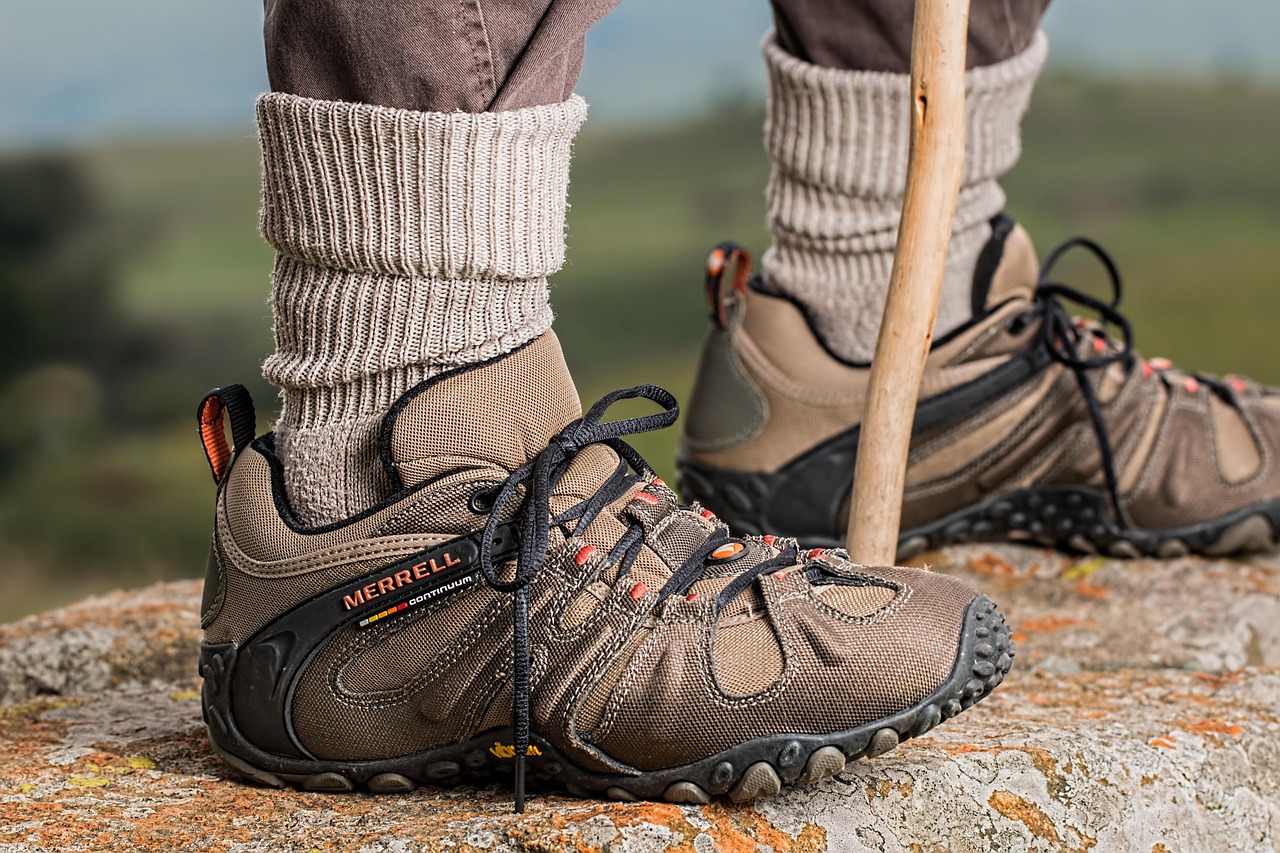
Trail walking on natural surfaces requires footwear emphasizing stability and protection over maximum cushioning. Look for shoes with wider bases, supportive midsoles, and protective toe boxes. Tread patterns should provide traction without collecting excessive dirt or debris.
Ankle support becomes more important on uneven surfaces, particularly if you have balance concerns or weakened stabilizing muscles. Some people benefit from trail shoes with higher ankle collars or light hiking boots for natural terrain walking.
📊 Tracking Your Response to Different Surfaces
Systematic tracking helps identify which surfaces work best for your specific condition. Create a simple log documenting walking surface, duration, footwear, and pain levels before and after each session. Over several weeks, patterns emerge that guide optimal surface selection.
| Surface Type | Impact Level | Stability | Best For | Considerations |
|---|---|---|---|---|
| Synthetic Track | Low | High | Most conditions | May have limited access |
| Natural Grass | Low-Moderate | Moderate | General pain relief | Uneven patches possible |
| Dirt Trails | Low-Moderate | Moderate-Low | Varied terrain tolerance | Requires attention |
| Asphalt | High | High | Controlled environments | Minimize duration |
| Concrete | Very High | High | Short distances only | Use maximum cushioning |
| Sand (firm) | Low | Moderate | Strengthening | Start very gradually |
🏥 When to Seek Professional Guidance
While surface selection significantly impacts foot pain management, persistent or worsening symptoms warrant professional evaluation. Physical therapists, podiatrists, and sports medicine specialists can assess your gait patterns, identify biomechanical issues, and provide personalized recommendations.
Seek professional help if you experience sharp pain during walking, pain that worsens over time despite surface modifications, swelling that doesn’t resolve with rest, or pain that disrupts sleep. These symptoms may indicate conditions requiring medical intervention beyond surface selection strategies.
Creating Your Personal Walking Surface Strategy
Developing an effective surface strategy requires experimentation, patience, and attention to your body’s feedback. Begin by identifying accessible surface options in your area. Map out walking routes featuring different surfaces, noting distances and terrain characteristics.
Start with surfaces offering maximum cushioning and stability—synthetic tracks or level grass areas typically work well. Once you establish a baseline comfort level, gradually introduce variety to prevent adaptation plateaus and maintain engagement with your walking routine.

🌟 Long-Term Success Through Surface Awareness
Managing chronic foot pain through strategic surface selection represents a sustainable, low-cost intervention that complements other treatment approaches. Unlike medications or invasive procedures, surface choice empowers you with immediate control over a significant pain management variable.
The key to long-term success lies in viewing surface selection as an ongoing optimization process rather than a one-time decision. Your optimal surfaces may change as your condition evolves, fitness improves, or seasonal factors shift. Maintain flexibility and willingness to adjust your approach based on current pain levels and functional goals.
Remember that perfect surfaces don’t exist—each option presents trade-offs between cushioning, stability, accessibility, and enjoyment. The best surface is ultimately the one that allows you to maintain regular walking activity with manageable pain levels. By understanding how different surfaces affect your feet and making informed choices, you can keep moving comfortably despite chronic foot pain, preserving mobility and independence for years to come.
Implementing these surface selection strategies doesn’t mean abandoning other pain management approaches. Continue working with healthcare providers, maintaining proper footwear, performing strengthening exercises, and using prescribed treatments. Surface awareness simply adds another powerful tool to your pain management toolkit, helping you step smart and move comfortably through daily life.