Early-stage graded walking represents a critical phase in rehabilitation, athletic training, and general mobility improvement. Choosing the right surface can dramatically impact both comfort levels and safety outcomes for individuals embarking on this journey.

Whether recovering from injury, managing chronic conditions, or simply building foundational strength, the ground beneath your feet matters more than most people realize. Different surfaces offer unique benefits and challenges that can either accelerate progress or create unnecessary obstacles during this vulnerable developmental stage.
🚶 Understanding Early-Stage Graded Walking and Its Challenges
Early-stage graded walking involves progressively increasing walking intensity, duration, or difficulty under controlled conditions. This approach is fundamental for physical therapy patients, post-surgical recovery, elderly individuals working on balance, and athletes returning to training after injury.
During this critical period, individuals often experience reduced stability, compromised proprioception, decreased muscle strength, and heightened risk of re-injury. The surface underfoot directly influences joint loading, muscle activation patterns, energy expenditure, and confidence levels—all essential factors for successful rehabilitation and progression.
Medical professionals consistently emphasize that surface selection should align with individual capabilities, specific rehabilitation goals, and current mobility status. What works exceptionally well for one person might pose unnecessary risks for another, making personalized assessment crucial.
🏥 Therapeutic Foam Mats: The Rehabilitation Standard
Therapeutic foam mats have become the gold standard in clinical rehabilitation settings for good reason. These specialized surfaces provide exceptional shock absorption, reducing impact forces on vulnerable joints by up to 40% compared to hard flooring.
The controlled instability of quality foam mats simultaneously challenges balance systems while offering forgiving support if stability falters. This dual benefit makes them ideal for early-stage walkers who need to rebuild proprioceptive awareness without excessive fall risk.
Key Advantages of Therapeutic Foam Surfaces
- Reduced joint stress particularly beneficial for hip, knee, and ankle rehabilitation
- Enhanced sensory feedback improving body awareness and coordination
- Fatigue reduction allowing longer practice sessions without overwhelming muscles
- Versatility suitable for various exercises beyond walking
- Temperature neutrality comfortable in various environmental conditions
Physical therapists often recommend starting with firmer foam densities and progressing to softer, more challenging surfaces as stability improves. This graduated approach systematically builds strength while maintaining safety parameters.
🌿 Natural Grass: Nature’s Perfect Balance
Well-maintained natural grass offers an outstanding surface for early-stage graded walking, combining moderate cushioning with sufficient stability. The slight irregularities in grass terrain provide valuable sensory input without creating dangerous obstacles.
Research indicates that walking on natural grass activates stabilizing muscles more effectively than completely flat surfaces, contributing to improved overall balance. The natural give of grass also reduces repetitive stress on weight-bearing joints, making it gentler than concrete or asphalt.
Morning grass provides optimal conditions—the surface is typically firmer after overnight settling, offering better stability for those still developing confidence. As comfort increases, slightly longer or damper grass introduces progressive challenges that continue building capability.
Considerations for Grass Walking
While grass offers numerous benefits, certain factors require attention. Uneven growth patterns, hidden holes or depressions, slippery conditions when wet, and potential allergen exposure all need consideration. Always inspect walking areas beforehand and choose well-maintained spaces free from hazards.
Parks, golf courses during off-hours, and residential lawns can provide excellent practice environments. The psychological benefits of outdoor natural settings also contribute positively to rehabilitation motivation and overall well-being.
🏃 Rubberized Track Surfaces: Consistency Meets Comfort
Rubberized athletic tracks represent an exceptional option for early-stage graded walking programs. These engineered surfaces provide consistent cushioning, predictable traction, and uniform terrain—eliminating variables that might challenge unstable walkers.
The measured distances marked on tracks offer built-in progression monitoring, helping individuals and therapists accurately track improvements. The psychological benefit of visible progress markers cannot be overstated for motivation maintenance during challenging rehabilitation periods.
Modern rubberized tracks feature advanced polymeric materials designed to return energy with each step, reducing fatigue compared to energy-absorbing surfaces. This property allows for longer practice sessions, accelerating skill development and endurance building.
Why Athletes and Rehabilitation Specialists Choose Track Surfaces
The flat, obstacle-free environment eliminates tripping hazards while the slightly elastic surface reduces impact forces by approximately 30-35% compared to concrete. Temperature stability keeps the surface comfortable across different weather conditions, and the open design allows for easy supervision and assistance if needed.
Many community tracks offer free public access during designated hours, making this high-quality surface option accessible regardless of economic circumstances. The social environment of shared spaces can also provide valuable peer support and motivation.
🏠 Indoor Carpet: The Accessible Home Solution
For individuals beginning walking programs at home, quality carpet represents an immediately accessible, safe option. The cushioned surface provides moderate shock absorption while the friction characteristics offer excellent slip resistance—crucial for fall prevention.
The familiarity of home environments reduces anxiety, allowing focus on technique rather than environmental concerns. This psychological comfort translates to better performance and faster skill acquisition during early vulnerable stages.
Medium-pile carpet strikes the ideal balance for most early-stage walkers. Thin carpet offers insufficient cushioning, while deep shag varieties create unnecessary instability challenges. Loop pile carpets generally provide more consistent surfaces than cut pile options.
Optimizing Your Home Environment
Create dedicated walking pathways clear of furniture, ensure adequate lighting to prevent missteps, consider installing handrails along practice routes, and remove throw rugs that create tripping hazards. These simple modifications transform ordinary home spaces into effective rehabilitation environments.
The convenience of home practice cannot be overstated—accessibility encourages frequent short sessions, often more beneficial than infrequent longer workouts during early-stage programs. Consistency drives improvement more effectively than intensity at this developmental phase.
🏖️ Sandy Beaches: Advanced Natural Challenge
Beach walking introduces significant challenges that typically suit intermediate rather than true early-stage walkers. However, for individuals progressing well and seeking graduated difficulty increases, firm wet sand near the waterline provides an excellent transitional surface.
The instability of sand dramatically increases muscle activation throughout the lower extremities and core. Research demonstrates up to 50% greater energy expenditure walking on sand versus firm surfaces—a factor requiring careful consideration for those with limited stamina reserves.
Starting with very short distances on packed wet sand allows safe introduction to this challenging terrain. The natural beauty and calming environment of beach settings provide substantial psychological benefits that support continued rehabilitation engagement.
Safety Protocols for Sand Walking
Always begin on the firmest available sand, walk during low-traffic periods to avoid collisions, carry supportive footwear for quick surface changes if needed, and never practice alone until confidence is well-established. The uneven nature of sand increases ankle rolling risk, making supervision valuable during initial attempts.
🏢 Specialized Balance Pathway Systems
Modern rehabilitation facilities increasingly feature specialized balance pathway systems—modular surfaces with varying textures, densities, and stability levels. These engineered solutions allow precise difficulty calibration matching individual capability levels.
These systems typically incorporate multiple surface types in sequential arrangements, allowing progressive challenges within single practice sessions. Users might transition from firm stable sections through moderate cushioning zones to mildly unstable areas, systematically building capability.
While primarily available in clinical settings, some community centers and senior facilities now offer access to these specialized surfaces. The controlled progressive challenge they provide accelerates rehabilitation timelines while maintaining safety standards.
📊 Comparing Surface Options: Making the Right Choice
| Surface Type | Cushioning Level | Stability Rating | Accessibility | Best For |
|---|---|---|---|---|
| Therapeutic Foam | High | Moderate | Clinical/Home | Very early stage, high fall risk |
| Natural Grass | Moderate | Good | Excellent | Early to intermediate stage |
| Rubberized Track | Moderate-High | Excellent | Good | All stages with progression needs |
| Indoor Carpet | Low-Moderate | Good | Excellent | Convenient home practice |
| Wet Sand | Variable | Challenging | Limited | Progressing intermediate stage |
👟 Footwear Considerations Across Different Surfaces
Surface selection interacts significantly with footwear choices. Therapeutic foam and carpet often work well with supportive athletic shoes or even specialized rehabilitation footwear. These options provide structure while the surface supplies cushioning.
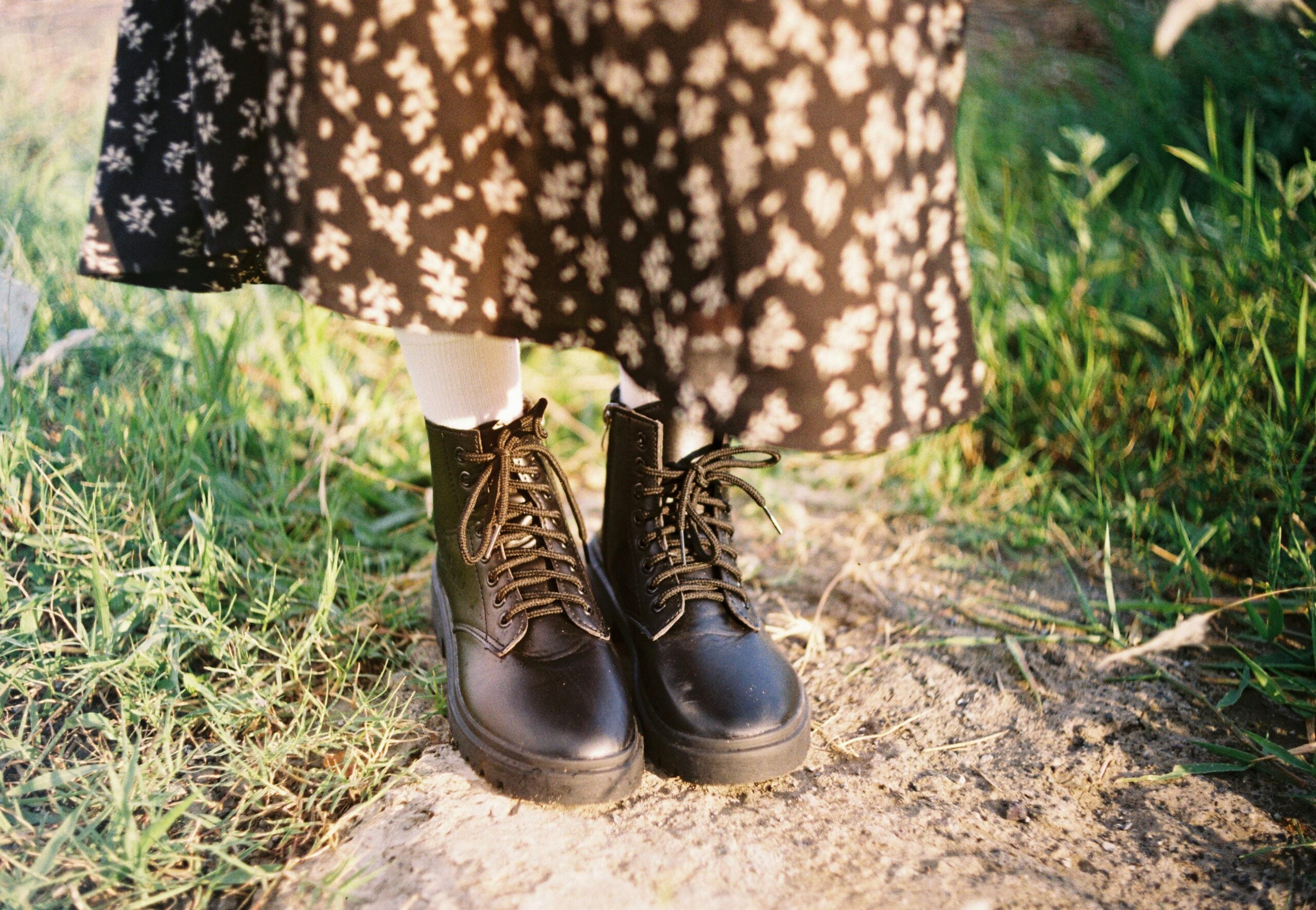
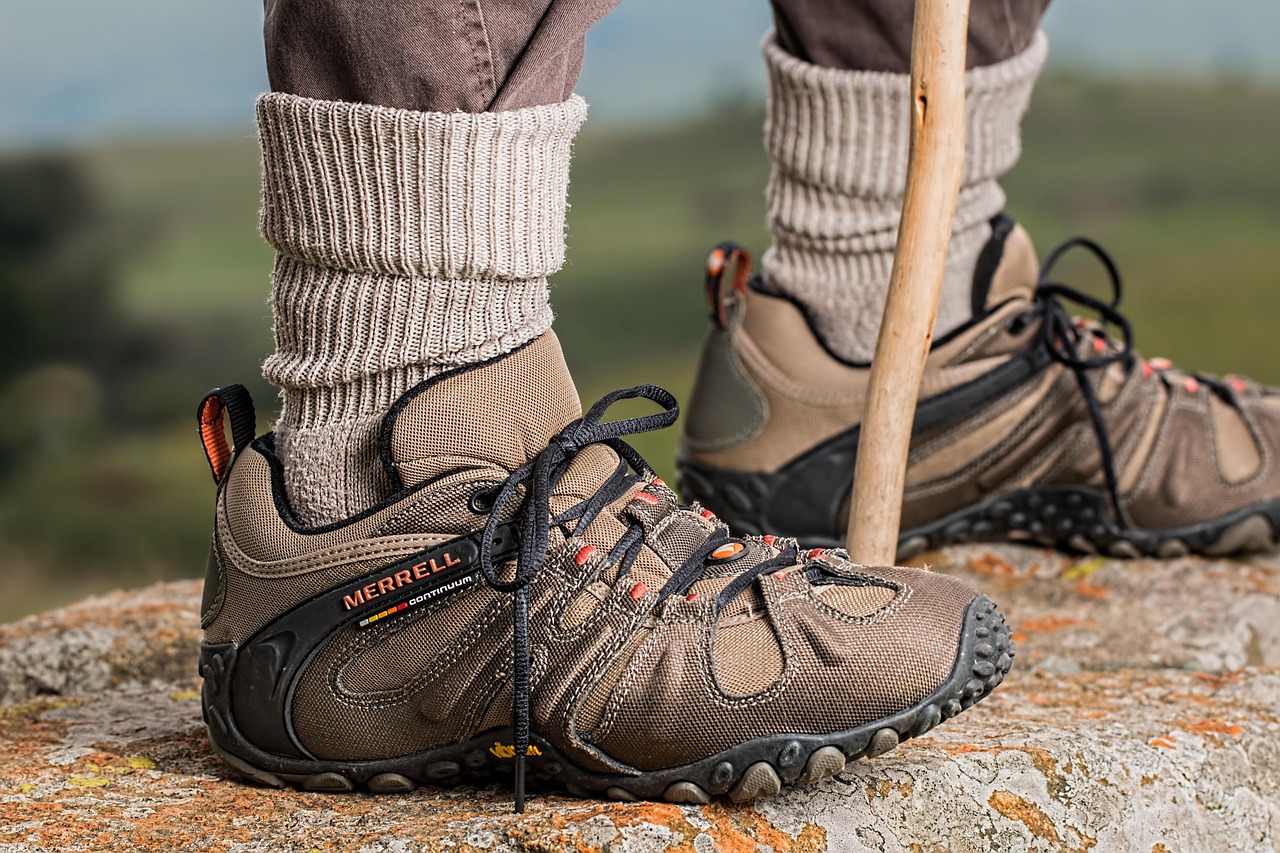
Natural grass typically demands shoes with good traction patterns to prevent slipping, particularly in damp conditions. Rubberized tracks accommodate various footwear types but perform optimally with running shoes featuring appropriate flexibility.
Some rehabilitation protocols specifically incorporate barefoot walking on appropriate surfaces to enhance proprioceptive feedback. This approach typically suits foam mats and clean indoor carpet rather than outdoor environments. Always consult with healthcare providers before attempting barefoot rehabilitation walking.
⏱️ Progression Strategies: When to Advance Surface Difficulty
Recognizing appropriate timing for surface progression requires attention to multiple indicators. Consistent balance maintenance without near-falls, reduced fatigue levels after standard session lengths, confident movement without excessive concentration, and healthcare provider approval all signal readiness for increased challenges.
Progression should occur gradually through small incremental changes rather than dramatic surface switches. Someone mastering firm foam might advance to short-pile carpet before attempting grass, rather than jumping directly to challenging terrains.
The concept of “graduated challenge” means systematically increasing difficulty while maintaining success rates above 80%. Excessive challenge leads to frustration, potential injury, and psychological setbacks that impede overall progress.
Monitoring Progress Indicators
- Walking duration increases without proportional fatigue
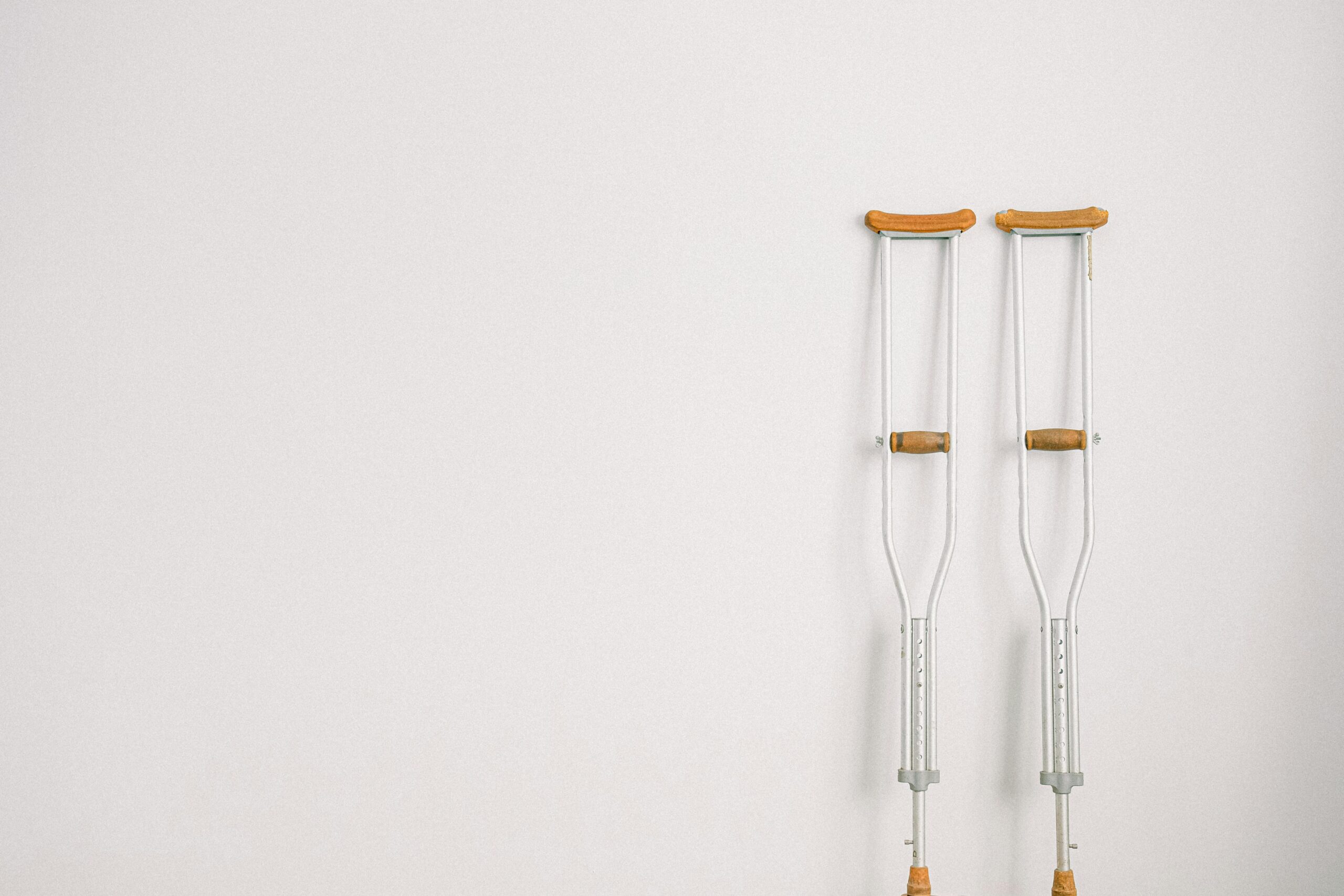
- Reduced need for assistive devices or support
- Improved posture and gait mechanics
- Decreased anxiety about walking activities
- Successful navigation of mild surface variations
🔄 Creating Comprehensive Surface Rotation Programs
Advanced rehabilitation programs often incorporate multiple surfaces throughout weekly schedules. This variety prevents adaptation plateaus while systematically developing diverse capabilities needed for real-world walking scenarios.
A typical progression might include therapeutic foam sessions focusing on balance challenges, rubberized track workouts building endurance, grass walking developing terrain adaptability, and home carpet practice ensuring skill transfer to daily environments.
This multi-surface approach prepares individuals for the varied terrains encountered in normal life—something single-surface programs cannot adequately address. The confidence gained from mastering diverse conditions translates directly to improved quality of life and independence.
💡 Safety Protocols Across All Surface Types
Regardless of surface selection, certain safety fundamentals apply universally. Always begin sessions with appropriate warm-up activities, maintain hydration throughout practice periods, never train to complete exhaustion during early stages, and keep emergency contact methods immediately accessible.
Environmental awareness remains crucial—adequate lighting, clear pathways, appropriate temperature conditions, and readily available assistance if needed. The best surface in the world becomes dangerous if surrounding conditions compromise safety.
Progressive difficulty increases should occur in controlled environments before attempting similar challenges in uncontrolled settings. Mastering slightly uneven carpet at home prepares for similar carpet elsewhere, just as track walking builds capacity for sidewalk navigation.
🎯 Personalizing Surface Selection for Individual Needs
Individual factors significantly influence optimal surface choices. Age-related considerations affect balance capabilities and recovery rates. Pre-existing conditions like arthritis, neuropathy, or cardiovascular limitations modify appropriate intensity levels and surface characteristics.
Prior fitness levels influence starting points—formerly active individuals often progress faster than those with sedentary histories. Psychological factors including confidence levels, anxiety tendencies, and motivation affect which surfaces feel most supportive versus overwhelming.
Healthcare providers specializing in physical therapy, sports medicine, or rehabilitation medicine offer invaluable guidance for personalized surface selection. These professionals assess individual capabilities and limitations, recommending specific options aligned with therapeutic goals.

🌟 Embracing the Journey Toward Walking Success
The pathway from early-stage graded walking to confident independent mobility requires patience, consistency, and appropriate environmental support. Surface selection represents just one element of comprehensive rehabilitation programs, yet its impact on comfort and safety cannot be overstated.
By thoughtfully choosing surfaces matching current capabilities while providing graduated challenges, individuals optimize their rehabilitation trajectories. The confidence gained from safe successful practice sessions creates positive momentum that accelerates overall progress.
Whether starting on therapeutic foam in clinical settings, practicing on home carpet, or advancing to natural grass and rubberized tracks, each step forward represents meaningful progress. The journey demands persistence and realistic expectations, but the destination—restored mobility and independence—makes every effort worthwhile.
Remember that setbacks occasionally occur and represent normal parts of rehabilitation processes rather than failures. Surface adjustments, temporary difficulty reductions, and professional consultation help navigate challenges while maintaining forward progress toward walking success.