Managing multiple medications can feel overwhelming, especially when each pill comes with its own schedule, dosage, and special instructions. Missing doses or taking medications at the wrong times can compromise your treatment effectiveness and overall health.

Whether you’re managing a chronic condition, recovering from surgery, or simply taking daily vitamins, keeping track of your medication routine doesn’t have to be complicated. With the right tools and templates, you can transform medication management from a stressful chore into a simple, organized habit that supports your wellness journey.
📋 Why Medication Tracking Matters More Than You Think
Medication adherence—taking your medicines exactly as prescribed—is crucial for treatment success. Studies show that nearly 50% of patients don’t take their medications as directed, leading to worsened health conditions, increased hospitalizations, and preventable complications.
The consequences of poor medication management extend beyond individual health. They create a ripple effect that impacts healthcare systems, increases medical costs, and can even affect your relationships and daily productivity. When you miss doses or take medications incorrectly, you’re not just risking your health—you’re potentially undermining months or years of medical treatment.
Common medication management challenges include forgetting doses, confusion about timing, difficulty coordinating multiple prescriptions, and lack of visibility into your medication history. These obstacles become even more significant for elderly patients, caregivers managing medications for family members, or anyone juggling complex treatment regimens.
🎯 The Power of Structured Medication Templates
Templates provide a framework that eliminates guesswork and creates consistency in your medication routine. Rather than relying on memory or scattered notes, a well-designed template gives you a clear visual reference that tracks everything in one place.
The beauty of medication templates lies in their simplicity. They transform complex schedules into easy-to-follow charts that anyone can understand at a glance. Whether you prefer digital solutions or paper-based systems, templates create accountability and make it immediately obvious when something has been missed.
Essential Elements Every Medication Template Should Include
An effective medication tracking template must capture several critical pieces of information to be truly useful:
- Medication name: Both generic and brand names to avoid confusion
- Dosage information: Exact amount to take each time
- Timing schedule: Specific times or frequency throughout the day
- Special instructions: Take with food, avoid certain substances, etc.
- Prescribing doctor: Contact information for questions
- Refill date: To ensure you never run out
- Purpose: What condition this medication treats
- Side effects to monitor: What to watch for and report
📱 Digital vs. Paper: Choosing Your Tracking Method
The debate between digital and paper tracking systems isn’t about which is objectively better—it’s about which works best for your lifestyle, preferences, and technical comfort level.
Paper-based templates offer tangible simplicity. You can post them on your refrigerator, keep them in a medication organizer, or carry them in your wallet. There’s no learning curve, no batteries to charge, and no concerns about privacy or technology failures. Many people, particularly older adults, find the physical act of checking off doses satisfying and memorable.
Digital templates and medication apps bring powerful features like automatic reminders, refill alerts, interaction warnings, and the ability to share information with healthcare providers or family members instantly. They’re particularly valuable for complex medication regimens or when multiple caregivers need access to the same information.
Top Features to Look for in Medication Tracking Apps
If you’re leaning toward a digital solution, prioritize apps that offer customizable reminder schedules, easy data entry, visual progress tracking, and the ability to generate reports for medical appointments. The best medication management apps also include drug interaction checkers, pill identification tools, and integration with pharmacy services.
⏰ Mastering Medication Timing for Maximum Effectiveness
Taking medications at the right time isn’t just about following rules—it’s about optimizing how your body absorbs and uses these substances. Medication timing can significantly impact effectiveness, side effects, and how well different drugs work together in your system.
Understanding pharmaceutical terminology helps clarify timing requirements. “Once daily” doesn’t necessarily mean “at breakfast”—it means every 24 hours at roughly the same time. “Twice daily” typically means every 12 hours, not just morning and evening. “Three times daily” should be spaced approximately 8 hours apart for consistent blood levels.
Creating a Realistic Medication Schedule
The most effective medication schedule is one you can actually follow consistently. Start by mapping your daily routine—wake time, meals, work schedule, bedtime—then fit medications around these anchors rather than trying to reshape your entire life around your pills.
If you need to take medication “with food,” align it with your regular meals. Morning medications can be paired with breakfast preparation or your coffee routine. Bedtime medications should sync with your actual sleep schedule, not some idealized version of when you think you should go to bed.
| Medication Timing | Best Practice | Common Mistakes |
|---|---|---|
| Morning doses | Take immediately after waking or with breakfast | Delaying until you “feel ready” creates inconsistency |
| With food | Take during or immediately after eating | Taking on an empty stomach can cause nausea |
| Before bed | Take 30 minutes before your actual sleep time | Taking too early reduces overnight effectiveness |
| Empty stomach | Take 1 hour before or 2 hours after eating | Food can interfere with absorption |
🗂️ Building Your Personal Medication Management System
A comprehensive medication management system extends beyond simple tracking. It encompasses organization, documentation, communication with healthcare providers, and contingency planning for travel or emergencies.
Start by creating a master medication list that lives in multiple places—one copy in your wallet, another on your phone, and a third with a trusted family member or friend. This list becomes invaluable during emergency situations, when visiting new doctors, or when traveling.
Setting Up Physical Organization
Physical organization prevents dangerous mix-ups and makes your routine effortless. Invest in a quality pill organizer with separate compartments for different times of day. Weekly organizers work well for simple regimens, while monthly systems suit more complex schedules.
Keep all your medications in one designated location, away from heat and humidity (which means not the bathroom medicine cabinet). Store them in their original containers with labels intact, and keep a small flashlight nearby so you can always read labels clearly, regardless of lighting conditions.
💡 Smart Strategies for Never Missing a Dose
Consistency is the cornerstone of effective medication management. Building habits and redundant reminder systems ensures that taking your medications becomes automatic rather than something you have to consciously remember.
Habit stacking—pairing medication taking with an existing habit—leverages your brain’s natural tendency to create routine patterns. Place your morning medications next to your coffee maker, keep vitamins by your toothbrush, or store bedtime pills on your nightstand where you charge your phone.
Creating Multiple Safety Nets
Relying on a single reminder method creates vulnerability. Use layered reminders: phone alarms, smart home assistants, medication app notifications, and visual cues all working together. If one system fails, others catch you.
Involve family members or roommates when appropriate. A quick “did you take your medications?” from someone who cares about you can prevent missed doses without feeling intrusive. For caregivers managing medications for others, establishing clear communication protocols prevents duplication or omissions.
🔄 Tracking Side Effects and Effectiveness
Medication tracking isn’t complete without monitoring how your body responds. Documenting side effects, effectiveness, and any unusual symptoms creates valuable data for your healthcare team and helps identify problems early.
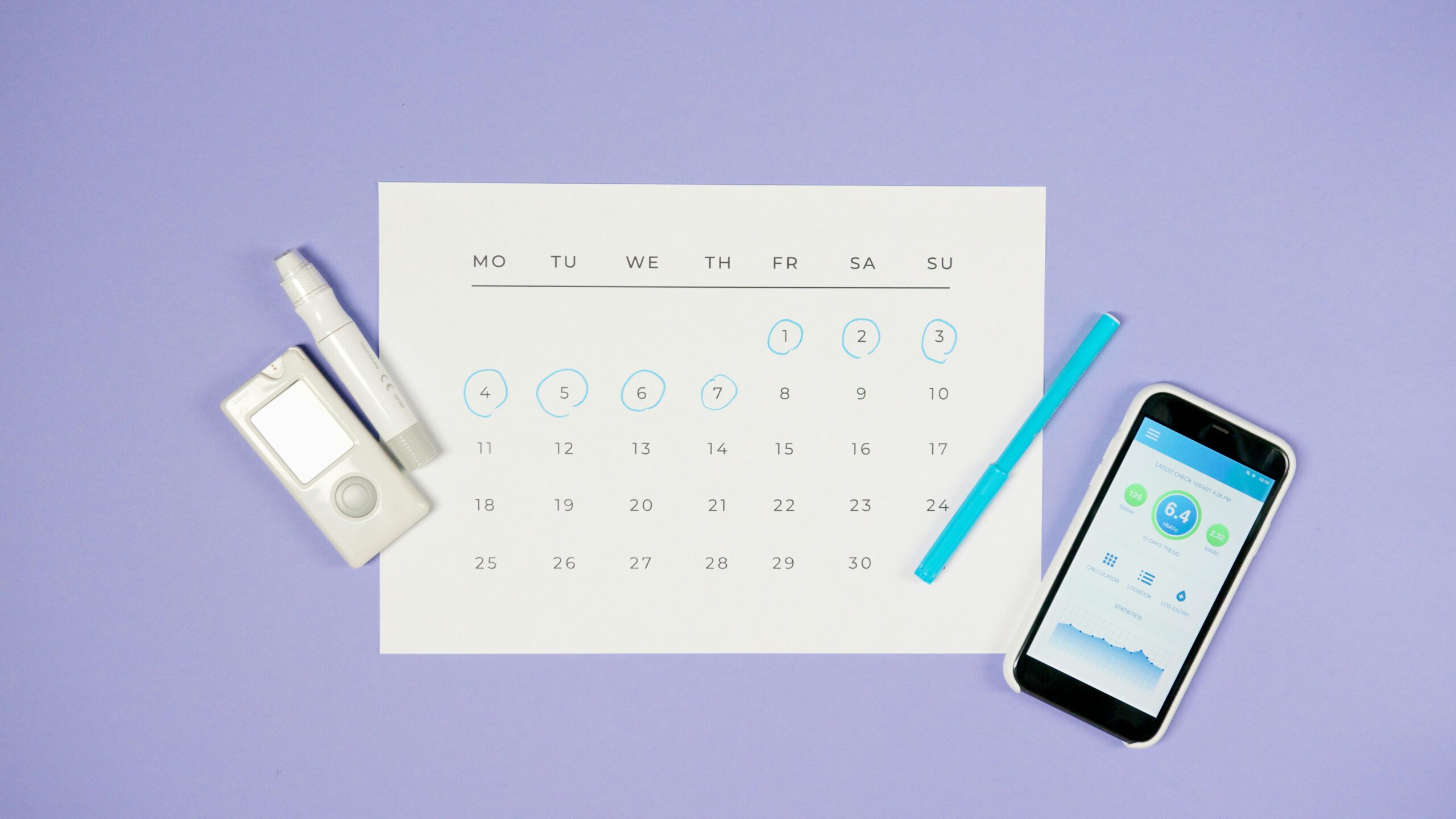
Create a simple notation system in your tracking template. A checkmark indicates you took the dose, but consider adding symbols for side effects (S), missed doses (M), or taken late (L). Some people use color coding—green for perfect adherence, yellow for late doses, red for missed doses.
Keep a separate notes section for recording how you feel each day. This doesn’t need to be elaborate—just a few words about energy levels, pain, mood, or specific symptoms you’re monitoring. Over time, patterns emerge that help your doctor optimize your treatment plan.
👨⚕️ Communicating Effectively with Healthcare Providers
Your medication tracking records become powerful communication tools during medical appointments. Instead of relying on memory about whether you’ve been taking medications consistently, you can show concrete data.
Before appointments, review your tracking records and prepare specific questions. Note any persistent side effects, times when you struggled with the regimen, or situations that made adherence difficult. This information helps your doctor make informed adjustments.
Ask your pharmacist to coordinate refill dates so multiple prescriptions run out simultaneously. This reduces pharmacy trips and makes it easier to remember when refills are needed. Many pharmacies offer automatic refill programs and home delivery services that further simplify management.
✈️ Managing Medications During Travel and Disruptions
Travel, schedule changes, and unexpected events challenge even the most organized medication routines. Preparing for disruptions ensures your health management continues smoothly regardless of circumstances.
When traveling, pack medications in carry-on luggage with a few extra days’ supply in case of delays. Bring your master medication list and pharmacy contact information. If crossing time zones, work with your doctor beforehand to adjust timing schedules appropriately.
Create an emergency medication kit that stays in your car or workplace. Include a few days’ worth of essential medications, your medication list, emergency contact numbers, and any medical information first responders might need. Update this kit regularly to prevent expired medications.
🎓 Teaching Others Your System
If you become incapacitated, someone else may need to manage your medications. Making your system understandable to others isn’t morbid—it’s responsible planning that protects your health.
Document your system clearly with written instructions that assume no prior knowledge. Explain where medications are stored, what each treats, timing requirements, and what to do if a dose is missed. Include pharmacy phone numbers, doctor contact information, and insurance details.
Walk a trusted person through your routine at least once. Let them observe where everything is, how you use your tracking system, and what your typical schedule looks like. This hands-on familiarity makes emergency situations less overwhelming.
🌟 Transforming Medication Management from Burden to Routine
The goal isn’t perfection—it’s sustainable consistency. Your medication management system should reduce stress, not create more. Start simple, then add complexity only if it genuinely helps rather than complicates.
Celebrate adherence milestones. Recognize when you’ve successfully followed your regimen for a week, a month, or longer. These small victories reinforce positive habits and remind you that you’re actively invested in your health.
Remember that your medication management system is personal. What works brilliantly for someone else might feel awkward for you. Experiment with different templates, tools, and strategies until you find the combination that fits seamlessly into your life. The best system is the one you’ll actually use consistently, day after day.
Taking control of your medication management empowers you to be an active participant in your healthcare rather than a passive recipient. With proper tracking, timing, and organization, medications become tools that support your life rather than complications that dominate it. Your health deserves this investment of time and attention—and your future self will thank you for the commitment you make today.