When pain strikes or injury occurs, one of the first questions you’ll face is whether to reach for an ice pack or a heating pad. This decision can significantly impact your recovery speed and comfort level.

Temperature therapy has been used for centuries to manage pain, reduce inflammation, and promote healing. Understanding when to use hot or cold treatments isn’t just about following tradition—it’s about applying science-based principles that can make a real difference in your recovery journey. Whether you’re dealing with a sports injury, chronic pain, or post-workout soreness, choosing the right temperature therapy can be the difference between prolonged discomfort and effective relief.
🧊 The Science Behind Cold Therapy: How Ice Works Its Magic
Cold therapy, also known as cryotherapy, works by constricting blood vessels in the affected area. This vasoconstriction reduces blood flow, which in turn decreases inflammation, swelling, and tissue damage. When you apply ice to an injury, you’re essentially slowing down the metabolic processes that contribute to secondary tissue damage.
The cooling effect also numbs nerve endings, providing immediate pain relief. This is particularly helpful in the first 48-72 hours after an acute injury when inflammation is at its peak. Cold therapy can reduce muscle spasms and limit the release of inflammatory chemicals that cause pain and swelling.
Research shows that applying cold therapy within the first few hours of an injury can significantly reduce recovery time. The optimal temperature for therapeutic cooling is between 50-60°F (10-15°C), cold enough to be effective but not so cold as to cause tissue damage.
When Cold Therapy Is Your Best Friend
Cold therapy shines in specific situations where inflammation and swelling are the primary concerns. Knowing when to apply ice can prevent further damage and accelerate your recovery process.
Acute Injuries and Trauma 🏥
Fresh injuries are prime candidates for cold therapy. Sprains, strains, bruises, and impact injuries all benefit from immediate cold application. When you twist your ankle, pull a muscle, or suffer a blow to any body part, ice should be your first response.
The golden rule is to follow the RICE protocol: Rest, Ice, Compression, and Elevation. Apply ice for 15-20 minutes every 2-3 hours during the first 48-72 hours after injury. This timing is crucial because it’s when inflammation peaks and when cold therapy is most effective.
Post-Surgical Recovery
After surgical procedures, cold therapy helps manage post-operative swelling and pain. Many surgeons recommend ice therapy as part of the recovery protocol, especially for orthopedic surgeries. The reduced swelling can also improve range of motion and allow for earlier mobilization.
Overuse Injuries and Tendinitis
Conditions like tennis elbow, runner’s knee, and Achilles tendinitis often respond well to cold therapy after activity. If you’ve been pushing your limits at the gym or on the track, applying ice afterward can reduce the inflammatory response and prevent chronic inflammation from developing.
🔥 Heat Therapy: Warming Up to Pain Relief
Heat therapy, or thermotherapy, takes the opposite approach to cold treatment. By dilating blood vessels, heat increases blood flow to the affected area. This enhanced circulation delivers oxygen and nutrients that promote healing while removing metabolic waste products from tissues.
Heat also relaxes muscles, reduces stiffness, and increases flexibility. The warmth stimulates sensory receptors in the skin, which can decrease the transmission of pain signals to the brain. This makes heat therapy particularly effective for chronic pain conditions and muscle tension.
The therapeutic temperature range for heat therapy is typically between 104-113°F (40-45°C). This is warm enough to penetrate deep into tissues without causing burns or discomfort.
When Heat Therapy Takes the Lead
Heat therapy excels in situations where muscle relaxation and increased blood flow are needed. Understanding these scenarios will help you maximize the benefits of warmth-based treatment.
Chronic Pain and Stiffness
If you’re dealing with ongoing pain that’s lasted more than a few weeks, heat is often the better choice. Conditions like chronic lower back pain, osteoarthritis, and fibromyalgia typically respond better to heat than cold. The warmth helps relax tight muscles and reduce the deep, aching pain characteristic of these conditions.
Muscle Tension and Spasms 💪
When muscles are tight, tense, or in spasm, heat therapy can provide immediate relief. The warmth helps muscles relax and reduces the painful contractions. This is why a warm bath or heating pad feels so good after a stressful day or when you wake up with a stiff neck.
Pre-Exercise Warm-Up
Before engaging in physical activity, heat therapy can prepare your muscles by increasing flexibility and range of motion. This is particularly beneficial if you have chronic stiffness or are exercising in cold weather. Heat increases tissue elasticity, making muscles more pliable and less prone to injury.
Menstrual Cramps and Abdominal Pain
Heat therapy is highly effective for menstrual cramps and other types of abdominal pain. The warmth relaxes smooth muscle tissue and can provide significant relief from cramping and discomfort.
The Critical Don’ts: When to Avoid Each Therapy
Using the wrong temperature therapy can actually worsen your condition. Understanding when NOT to use ice or heat is just as important as knowing when to apply them.
Never Use Cold Therapy When:
- You have circulatory problems or vascular diseases
- The affected area has poor sensation or numbness
- You have cold hypersensitivity or Raynaud’s disease
- Dealing with stiff muscles or joints that need loosening
- Treating chronic pain conditions that benefit from increased blood flow
Avoid Heat Therapy When:
- Dealing with acute injuries in the first 48-72 hours
- There’s active inflammation, redness, or swelling
- You have an infection or open wound
- The area is bruised or bleeding
- You have conditions like diabetes that affect sensation
- Dealing with dermatitis or skin conditions
Contrast Therapy: The Best of Both Worlds
Sometimes the most effective approach combines both hot and cold treatments. Contrast therapy alternates between heat and cold applications, creating a pumping action that can enhance circulation and reduce inflammation simultaneously.
This method is particularly effective for recovery from intense exercise, chronic injuries that are past the acute phase, and conditions where both inflammation and stiffness are present. A typical contrast therapy session involves alternating 3-4 minutes of heat with 30-60 seconds of cold, repeated 3-5 times.
Practical Application Methods for Maximum Benefit
The delivery method you choose for temperature therapy can significantly impact its effectiveness. Different methods penetrate to different depths and maintain therapeutic temperatures for varying durations.
Cold Therapy Options ❄️
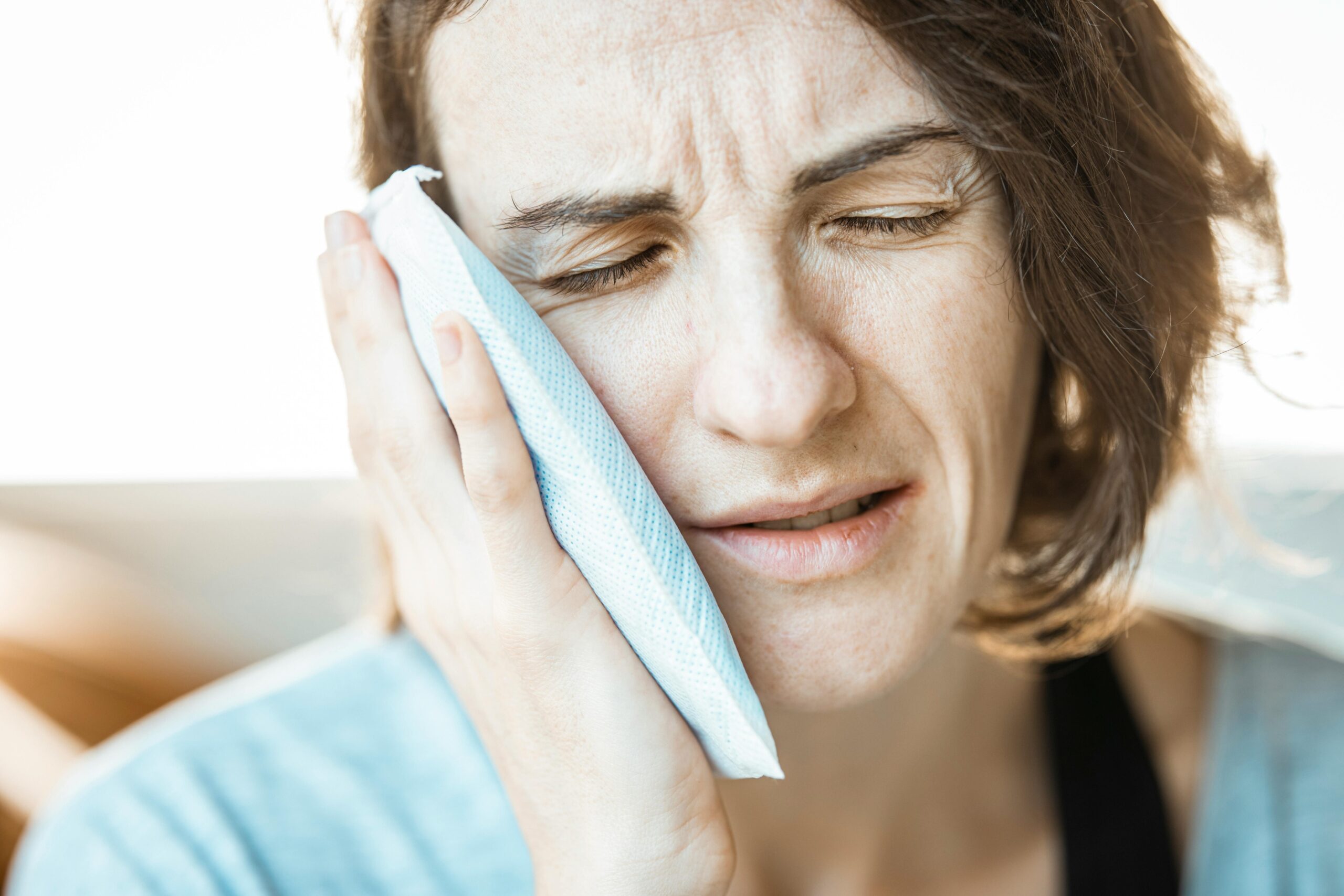
Ice packs are the most common method, but ice massage, cold water immersion, and cryotherapy chambers each offer unique benefits. Ice massage is excellent for small, specific areas like tendons. Cold water immersion works well for treating multiple areas simultaneously, such as after intense leg workouts.
For convenience, reusable gel packs that can be frozen offer consistent cold therapy. Always place a thin towel between the ice and your skin to prevent ice burns. Never apply ice directly to the skin or leave it on for more than 20 minutes at a time.
Heat Therapy Options
Heating pads, hot water bottles, warm baths, and heat wraps each serve different purposes. Moist heat penetrates deeper than dry heat, making warm, damp towels particularly effective for deep muscle pain. Heat wraps that maintain a constant low-level heat can be worn throughout the day for chronic conditions.
Warm baths with Epsom salts combine heat therapy with the muscle-relaxing benefits of magnesium. The full-body warmth is excellent for widespread pain or multiple sore areas.
Creating Your Personal Temperature Therapy Protocol
Developing an effective temperature therapy routine requires understanding your specific condition and monitoring your body’s response. Start by identifying whether your pain is acute or chronic, and whether inflammation is a primary factor.
Keep a simple pain journal noting when you apply temperature therapy, which type you use, and how you feel afterward. This data will help you identify patterns and optimize your approach. Remember that individual responses vary—what works for someone else may not work identically for you.
Duration and Frequency: Getting the Timing Right ⏰
For cold therapy, the standard recommendation is 15-20 minutes per application, with at least 45 minutes between sessions to allow tissues to return to normal temperature. In the acute phase of injury, you might apply cold every 2-3 hours while awake.
Heat therapy can typically be applied for 15-30 minutes at a time. For chronic conditions, you might use heat 2-3 times daily or before activities that tend to increase pain or stiffness. Longer heat application doesn’t necessarily mean better results—excessive heat can actually increase inflammation.
Special Considerations for Athletes and Active Individuals
If you’re an athlete or highly active person, your temperature therapy needs may differ from the general population. Post-workout recovery often benefits from cold therapy immediately after exercise to reduce inflammation, followed by heat therapy later to promote muscle relaxation and recovery.
Many athletes use ice baths after intense training sessions, typically spending 10-15 minutes in water around 50-59°F (10-15°C). This full-body cold exposure can reduce muscle soreness and speed recovery between training sessions.
Temperature Therapy for Common Conditions
Different conditions respond better to specific temperature therapies. Understanding these patterns can help you make better decisions about your treatment approach.
| Condition | Recommended Therapy | Timing |
|---|---|---|
| Acute sprain/strain | Cold | First 48-72 hours |
| Lower back pain (chronic) | Heat | Before activity, as needed |
| Arthritis flare-up | Cold | During inflammation |
| Arthritis stiffness | Heat | Morning or before movement |
| Tendinitis (active) | Cold | After activity |
| Muscle soreness (DOMS) | Contrast or heat | 24-48 hours post-exercise |
| Headache (tension) | Heat | At onset and as needed |
| Migraine | Cold | During episode |
Safety First: Preventing Temperature-Related Injuries
While temperature therapy is generally safe, improper use can lead to burns, frostbite, or worsened conditions. Never fall asleep with heating pads or ice packs in place. Set a timer to ensure you don’t exceed recommended application times.
Check your skin regularly during treatment. If you notice excessive redness, blistering, or numbness, remove the heat or cold source immediately. People with diabetes, peripheral neuropathy, or circulatory problems should consult healthcare providers before using temperature therapy, as reduced sensation can prevent them from detecting tissue damage.
Enhancing Results: Combining Temperature Therapy with Other Treatments
Temperature therapy works even better when combined with other recovery strategies. After applying ice to reduce inflammation, gentle stretching can maintain range of motion. Following heat therapy with massage can further relax muscles and enhance the benefits.
Anti-inflammatory medications can be used alongside cold therapy for acute injuries, while heat therapy pairs well with gentle movement and stretching exercises. Always ensure that one treatment doesn’t counteract the benefits of another—for example, avoid applying heat immediately after ice therapy during the acute injury phase.
Making the Final Decision: Your Temperature Therapy Action Plan 🎯
When facing pain or injury, ask yourself these key questions: Is this a new injury or chronic condition? Is there visible swelling or inflammation? Does the area feel hot to the touch? Is stiffness the primary problem, or is pain more prominent?
For new injuries with swelling and heat, start with cold therapy. For chronic conditions with stiffness and aching pain, heat is typically better. When in doubt, cold therapy is generally the safer initial choice for the first 48 hours, as it won’t worsen inflammation the way inappropriate heat application might.
Remember that temperature therapy is a tool, not a cure. If your pain persists beyond a few days, worsens despite treatment, or is accompanied by fever, numbness, or weakness, seek professional medical evaluation. Temperature therapy should support your recovery, but it doesn’t replace proper diagnosis and treatment of underlying conditions.
By understanding the science behind hot and cold therapy and applying these principles to your specific situation, you can make informed decisions that accelerate recovery and provide effective pain relief. Your body’s response will ultimately guide you toward the most effective approach—pay attention, adjust as needed, and give your body the temperature therapy support it needs to heal.