Walking is one of the simplest yet most powerful tools for managing blood sugar levels and transforming your overall health. This beginner-friendly plan will guide you step by step.

If you’ve been searching for a sustainable way to balance your glucose levels without complicated equipment or gym memberships, you’re in the right place. Walking offers a gentle, accessible entry point into fitness that delivers remarkable metabolic benefits. Whether you’re managing prediabetes, type 2 diabetes, or simply want to optimize your wellness, this comprehensive walking plan will provide the structure and knowledge you need to succeed.
🚶♀️ Why Walking Works Wonders for Glucose Control
The connection between walking and blood sugar regulation isn’t just anecdotal—it’s backed by solid science. When you walk, your muscles require energy, which they obtain by pulling glucose from your bloodstream. This natural process helps lower blood sugar levels without medication, making walking a form of “exercise therapy” that’s both free and effective.
Research consistently shows that even moderate walking can reduce blood glucose levels for up to 24 hours after activity. A study published in Diabetes Care found that just 15 minutes of walking after meals significantly improved glucose control in people with type 2 diabetes. The beauty of walking lies in its accessibility—you don’t need special skills, expensive equipment, or peak fitness to start reaping benefits today.
The Metabolic Magic Behind Each Step
Every step you take activates large muscle groups in your legs, glutes, and core. These muscles act like glucose sponges, absorbing sugar from your blood to fuel movement. This process increases insulin sensitivity, meaning your body becomes more efficient at using the insulin it produces. Over time, regular walking can reduce insulin resistance, a key factor in type 2 diabetes development.
Additionally, walking stimulates the production of proteins called glucose transporters (GLUT4), which help shuttle sugar into muscle cells. This mechanism works independently of insulin, providing an alternative pathway for glucose disposal that’s particularly valuable for people with insulin resistance.
🎯 Setting Realistic Goals for Your Walking Journey
Before lacing up your shoes, it’s essential to establish clear, achievable goals. The most common mistake beginners make is starting too aggressively, leading to burnout or injury. Your walking plan should feel challenging yet sustainable, progressing gradually as your fitness improves.
For glucose management specifically, consistency matters more than intensity. A moderate-paced 20-minute walk done daily will yield better results than an exhausting hour-long trek once a week. Your initial goal should focus on building the habit rather than hitting impressive distance or speed milestones.
Your First Month Blueprint
Week 1-2: Start with 10-15 minutes of walking after your largest meal of the day. This is when blood sugar typically spikes highest, making it the optimal time for glucose-lowering activity. Walk at a comfortable pace where you can still hold a conversation.
Week 3-4: Increase to 20 minutes and add a second daily walk after another meal. Focus on maintaining consistency rather than speed. If you miss a day, simply resume the next day without guilt or compensation attempts.
By the end of month one, you should have established a reliable routine of two 20-minute walks daily, ideally positioned after meals for maximum glucose control benefits.
📊 Understanding Your Glucose Response to Walking
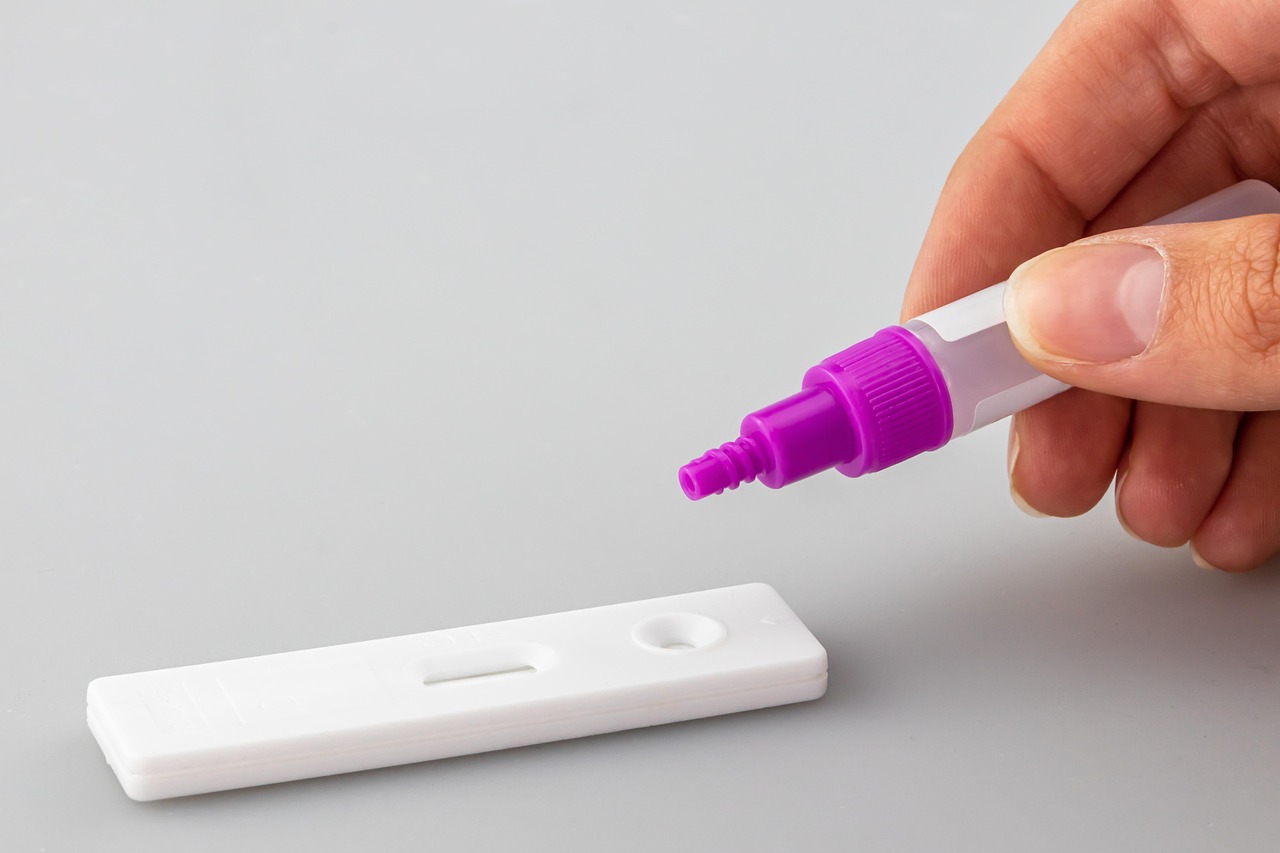
Monitoring how your body responds to walking can be incredibly motivating and informative. If you have access to a glucose meter or continuous glucose monitor (CGM), testing before and after walks reveals your personal glucose response patterns.
Typically, blood sugar begins dropping within 15-30 minutes of starting a walk, with effects lasting several hours. Some people notice their morning fasting glucose improves after establishing a regular evening walking routine, demonstrating the lasting metabolic benefits of consistent movement.
Tracking Progress Beyond the Numbers
While glucose readings provide objective data, pay attention to subjective improvements too. Many walkers report better sleep quality, improved mood, increased energy levels, and reduced sugar cravings within just a few weeks. These changes reflect the comprehensive health benefits walking provides beyond glucose control.
- Improved cardiovascular health and lower blood pressure
- Enhanced mental clarity and reduced stress
- Better weight management and body composition
- Stronger bones and reduced joint pain
- Improved digestion and gut motility
⏰ Timing Your Walks for Maximum Glucose Benefits
When you walk matters almost as much as how much you walk. Post-meal walking has been shown to be particularly effective for glucose control because it intercepts the blood sugar spike that typically occurs 30-90 minutes after eating.
The ideal timing is to begin walking within 15-30 minutes after finishing a meal. You don’t need to wait for complete digestion—a gentle walk actually aids the digestive process. This strategy is especially valuable after carbohydrate-rich meals, which generate the largest glucose responses.
Creating Your Daily Walking Schedule
Most people find success with this timing framework:
- Morning walk (optional): 10-15 minutes before or after breakfast to jumpstart metabolism
- Lunch walk: 15-20 minutes after eating, perfect for breaking up the workday
- Dinner walk: 20-30 minutes after your evening meal, the most important walk for glucose control
- Evening stroll (optional): A relaxing 10-minute walk before bed to promote better sleep
Remember, any walking is better than none. If post-meal timing isn’t feasible due to your schedule, walk whenever you can. The consistency of regular movement matters more than perfect timing.
👟 Essential Tips for Walking Success
The right approach to walking can make the difference between a sustainable lifelong habit and a short-lived attempt. These practical tips will help you avoid common pitfalls and maximize enjoyment.
Footwear and Form
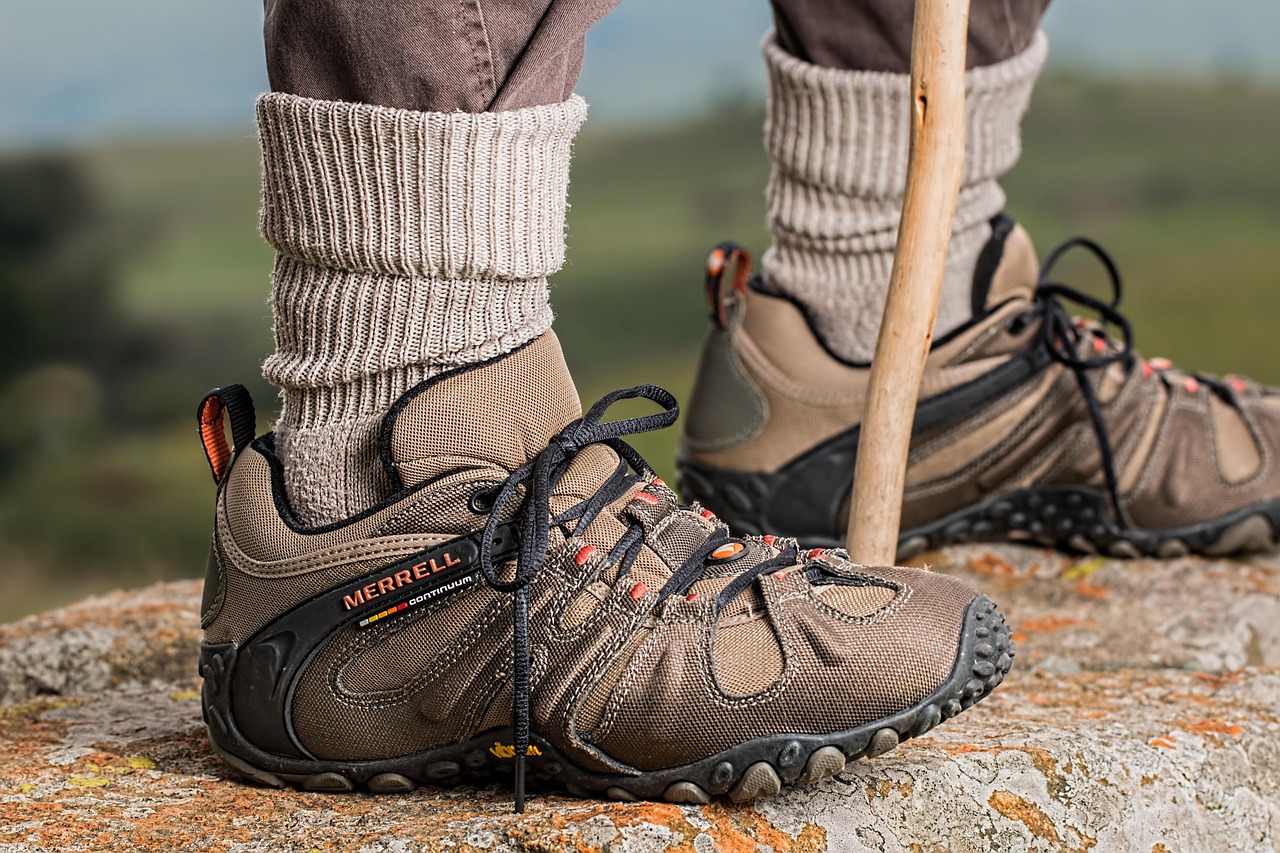
Invest in quality walking shoes with proper arch support and cushioning. Ill-fitting shoes can cause blisters, foot pain, and posture problems that derail your progress. Visit a specialty running or walking store for professional fitting if possible.
Maintain good walking posture: head up, shoulders back, arms swinging naturally at your sides, and core gently engaged. Your foot should strike heel-first, rolling through to push off with your toes. This natural gait pattern minimizes joint stress and maximizes efficiency.
Weather and Environmental Considerations
Don’t let weather become an excuse. Develop strategies for various conditions:
- Hot weather: Walk during cooler morning or evening hours, stay hydrated, wear light-colored clothing
- Cold weather: Dress in layers, protect extremities, warm up indoors before heading out
- Rain: Invest in a quality rain jacket or walk in covered areas like malls or parking garages
- Dark conditions: Wear reflective gear and choose well-lit, safe routes
🔄 Progressing Beyond the Basics
Once you’ve established a consistent walking routine for 4-6 weeks, your body adapts and may need additional challenges to continue improving glucose control and fitness. Progression doesn’t mean walking for hours—smart intensity adjustments yield better results.
Adding Interval Walking
Interval walking alternates between comfortable and brisk paces, creating a more dynamic workout that enhances glucose uptake. Try this simple pattern: walk at your normal pace for 3 minutes, then increase to a brisk pace (where talking becomes slightly difficult) for 1 minute. Repeat this cycle throughout your walk.
This variation improves cardiovascular fitness faster than steady-pace walking and may provide superior glucose-lowering effects. Research suggests that interval training enhances insulin sensitivity more effectively than continuous moderate exercise.
Incorporating Inclines and Terrain Variety
Walking uphill or on varied terrain engages more muscle groups and increases energy expenditure without requiring longer duration. If you have access to hills, incorporate them gradually. Even a gentle incline significantly boosts the metabolic challenge.
For those without hilly terrain, stairs offer an excellent alternative. Adding just 5 minutes of stair climbing to your walking routine can substantially increase glucose utilization and cardiovascular benefits.
🍽️ Nutrition Strategies to Complement Your Walking Plan
Walking and nutrition work synergistically for glucose control. While walking helps clear glucose from your bloodstream, smart eating choices prevent excessive glucose from entering in the first place.
Focus on balanced meals containing protein, healthy fats, and fiber alongside carbohydrates. This combination slows glucose absorption, creating a gentler blood sugar curve that’s easier for walking to manage. The post-meal walk then helps metabolize remaining glucose efficiently.
Pre-Walk Fueling
You don’t need special fueling for moderate walking, but avoid walking on a completely empty stomach if you take glucose-lowering medications, as this may cause hypoglycemia. A small snack combining protein and complex carbs—like apple slices with almond butter—provides sustained energy without spiking blood sugar.
Stay hydrated before, during, and after walks. Dehydration can affect both glucose readings and exercise performance. Carry water on walks longer than 30 minutes, especially in warm conditions.
💪 Overcoming Common Obstacles and Staying Motivated
Every walker faces motivation challenges. The difference between success and giving up often comes down to having strategies ready when obstacles arise.
Defeating the Motivation Monster
Schedule walks like non-negotiable appointments. Set phone reminders and treat them with the same importance as work meetings or doctor visits. Accountability partners—whether friends, family, or online communities—dramatically increase adherence rates.
Track your progress visually using a simple calendar where you mark each completed walk. This creates a chain you’ll be motivated not to break. Walking apps can automate this tracking while providing additional data on distance, pace, and routes.
Dealing with Physical Limitations
Joint pain, fatigue, or other physical issues shouldn’t completely derail your walking plan. Modify rather than abandon:
- Reduce duration but maintain frequency (three 10-minute walks instead of one 30-minute walk)
- Choose softer surfaces like grass or tracks instead of concrete
- Use walking poles to reduce lower body stress
- Consider water walking if available—it provides resistance while supporting joints
- Always consult healthcare providers about persistent pain or limitations
📱 Technology Tools to Enhance Your Walking Practice
While not necessary, certain apps and devices can provide valuable feedback and motivation. Fitness trackers count steps, monitor heart rate, and remind you to move throughout the day. Many people find the visual progress tracking highly motivating.
Walking apps offer route mapping, distance tracking, and social features connecting you with other walkers. Some apps specifically target health conditions like diabetes, offering tailored advice and glucose tracking integration.

🎉 Celebrating Milestones and Long-Term Success
Recognize and celebrate your achievements along the journey. Set milestone markers beyond just glucose numbers—total miles walked, consecutive days maintained, or completing your first 5K walk.
As weeks turn into months, walking transforms from a prescribed activity into a cherished daily ritual. Most successful long-term walkers report that they continue not just for health benefits but because walking becomes a valued part of their lifestyle—a time for reflection, stress relief, and connection with their environment.
Your Walking Journey Starts Now
The most important step in any walking plan is the first one. You now have the knowledge and framework to begin a walking practice that can genuinely transform your glucose control and overall health. Remember that progress isn’t always linear—some weeks will feel easier than others, and that’s completely normal.
Start where you are, use what you have, and do what you can. Every single step contributes to better health, improved glucose balance, and a stronger, more capable body. Your future self will thank you for the commitment you make today to step into stability, one walk at a time.
The path to better health doesn’t require perfection—it requires persistence, patience, and the willingness to show up for yourself day after day. Your walking journey represents an investment in your health that pays dividends for years to come. So take that first step today, and discover how something as simple as walking can create profound, lasting change in your life and health.