Getting back in shape after a period of inactivity doesn’t require expensive gym memberships or exhausting workouts. Walking offers a gentle, accessible entry point for deconditioned adults ready to reclaim their health and vitality.

Whether you’ve been sidelined by illness, injury, or simply life’s demands, rebuilding your fitness foundation can feel overwhelming. The good news? Your body remembers movement, and with a strategic walking plan, you can systematically restore endurance, strengthen your cardiovascular system, and rediscover the joy of physical activity without risking injury or burnout.
🚶♀️ Understanding Deconditioning and Why Walking Works
Deconditioning occurs when your body adapts to prolonged inactivity. Muscles weaken, cardiovascular efficiency declines, and even simple daily tasks become challenging. This physiological regression can happen surprisingly quickly—studies show measurable fitness losses begin after just two weeks of inactivity.
Walking stands out as the ideal rehabilitation exercise for several compelling reasons. It’s low-impact, reducing stress on joints while still providing cardiovascular benefits. Unlike running or high-intensity workouts, walking allows you to control intensity precisely, making it perfect for gradually increasing demands on your system.
The biomechanics of walking engage multiple muscle groups simultaneously, including your legs, core, and even upper body when you incorporate proper arm movement. This whole-body engagement improves functional fitness—the kind that translates directly to everyday activities like climbing stairs, carrying groceries, or playing with grandchildren.
Assessing Your Starting Point: Know Before You Go
Before embarking on any fitness program, understanding your current capabilities prevents frustration and injury. This self-assessment doesn’t require sophisticated equipment—just honesty and attention to your body’s signals.
Start with a simple baseline walk. Choose a safe, flat route and walk at a comfortable pace for 10 minutes. Pay attention to how you feel during and immediately after. Can you maintain a conversation while walking? Do you experience any pain, excessive breathlessness, or dizziness? These observations provide crucial data for tailoring your plan.
Consider these assessment questions:
- How many consecutive minutes can you walk comfortably?
- What’s your current average daily step count?
- Do you experience joint pain or discomfort during movement?
- How quickly does your heart rate return to baseline after activity?
- Are you currently managing any chronic conditions that affect mobility?
If you have cardiovascular disease, diabetes, severe obesity, or haven’t exercised in years, consulting your healthcare provider before starting is wise. They can identify potential limitations and may suggest modifications specific to your situation.
📅 The Progressive Walking Plan: Four Phases to Strength
This structured approach spans twelve weeks, divided into four distinct phases. Each builds systematically on the previous one, ensuring your body adapts safely while steadily increasing endurance and strength.
Phase 1: Foundation Building (Weeks 1-3)
Your initial goal is consistency, not intensity. This phase establishes the habit and allows your musculoskeletal system to adapt to regular movement.
| Week | Frequency | Duration | Intensity |
|---|---|---|---|
| 1 | 5 days | 10-15 minutes | Easy pace (can talk comfortably) |
| 2 | 5 days | 15-20 minutes | Easy pace |
| 3 | 5-6 days | 20-25 minutes | Easy to moderate pace |
Focus on proper posture: shoulders back, core engaged, eyes forward. Your arms should swing naturally, and your foot should roll smoothly from heel to toe with each step. Don’t worry about speed—establishing form and consistency matters most.
Phase 2: Endurance Extension (Weeks 4-6)
Now you’ll gradually increase walking duration while introducing variety. Your body has adapted to regular movement, so it’s ready for greater challenges.
| Week | Frequency | Duration | Intensity |
|---|---|---|---|
| 4 | 5-6 days | 25-30 minutes | Moderate pace |
| 5 | 6 days | 30-35 minutes | Moderate pace with 2-3 brief faster intervals |
| 6 | 6 days | 35-40 minutes | Varied pace |
During week 5, experiment with brief intensity increases—walk slightly faster for 1-2 minutes, then return to your comfortable pace. These mini-intervals begin training your cardiovascular system to handle varying demands.
Phase 3: Strength Integration (Weeks 7-9)
This phase introduces terrain variety and purposeful challenges that build muscular endurance alongside cardiovascular fitness.
Incorporate hills, stairs, or inclines if available. Uphill walking recruits different muscle fibers and significantly boosts calorie burn without requiring faster speeds. If you lack natural hills, consider parking garage ramps or adjusting treadmill incline.
| Week | Frequency | Duration | Special Focus |
|---|---|---|---|
| 7 | 6 days | 40 minutes | Include 2 days with gentle inclines |
| 8 | 6 days | 45 minutes | Add one longer walk on weekend |
| 9 | 6 days | 45-50 minutes | Two hill sessions weekly |
By week 9, you should notice significant improvements in how you feel during daily activities. Stairs that once left you breathless now feel manageable. This is your body becoming more efficient at using oxygen and generating energy.
Phase 4: Performance Optimization (Weeks 10-12)
The final phase consolidates your gains and establishes sustainable long-term habits. You’re no longer simply rebuilding—you’re actively improving fitness.
Continue with 50-60 minute walks most days, incorporating variety through pace changes, terrain, and even adding light intervals where you push slightly harder for 3-5 minutes before recovering. One or two walks per week should include meaningful hills or sustained faster pacing.
Consider adding a weekly “challenge walk” where you test yourself—maybe a longer distance, a new trail with elevation changes, or maintaining a brisk pace throughout. These benchmarks help you appreciate how far you’ve progressed.
🔧 Essential Tools and Technology for Success
While walking requires minimal equipment, certain tools enhance motivation, track progress, and provide valuable feedback.
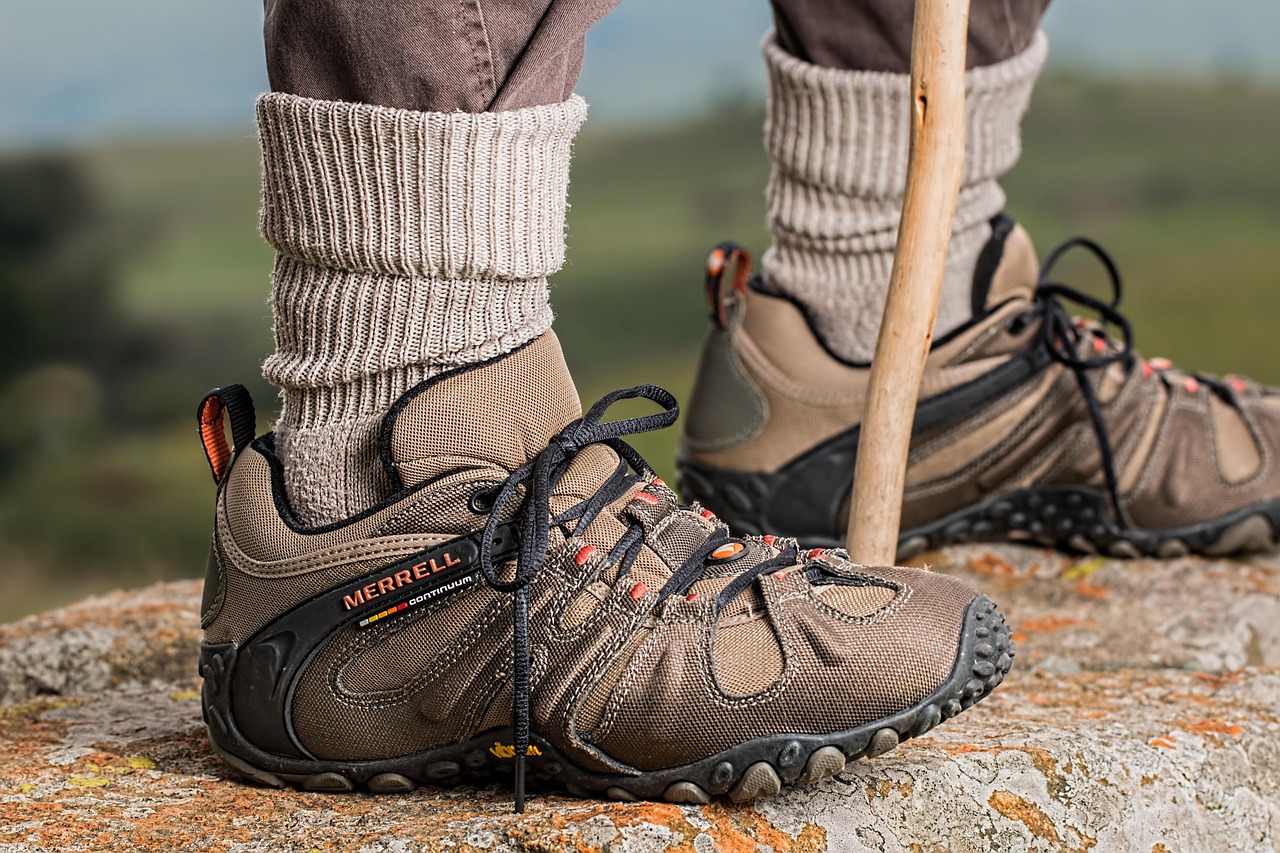
Proper footwear is non-negotiable. Visit a specialty running store where staff can analyze your gait and recommend shoes with appropriate cushioning and support. Replace walking shoes every 300-400 miles to maintain optimal shock absorption.
A fitness tracker or smartphone app helps monitor daily steps, distance, and pace. Seeing tangible progress motivates continued effort. Many apps also provide audio cues about pace and distance, eliminating the need to constantly check your phone.
Weather-appropriate clothing matters more than you might think. Moisture-wicking fabrics prevent chafing and temperature regulation issues. Layers allow adaptation to changing conditions during longer walks.
💪 Complementary Strategies to Maximize Results
Walking forms your foundation, but additional practices accelerate improvement and prevent common setbacks.
Flexibility and Mobility Work
Spend 5-10 minutes after each walk gently stretching major muscle groups. Focus on calves, hamstrings, quadriceps, and hip flexors. This flexibility work improves range of motion, reduces injury risk, and facilitates recovery.
Dynamic stretches before walking—leg swings, arm circles, gentle torso twists—prepare your body for movement by increasing blood flow and neural activation.
Strength Training Integration
After week 6, consider adding two brief strength sessions weekly. Bodyweight exercises like squats, lunges, planks, and push-ups (modified as needed) build muscle that supports walking efficiency and protects joints.
Stronger legs mean easier hills. A stronger core improves posture and reduces back fatigue during longer walks. You don’t need hours—15-20 minutes of focused strength work provides substantial benefits.
Nutrition and Hydration Fundamentals
Your rebuilding body requires adequate fuel. Prioritize protein for muscle repair, complex carbohydrates for sustained energy, and healthy fats for inflammation management. Don’t dramatically cut calories while increasing activity—this combination sabotages recovery and progress.
Hydration affects performance more than most people realize. Drink water consistently throughout the day, not just during walks. Dehydration reduces endurance, impairs temperature regulation, and increases perceived effort.
🎯 Overcoming Common Obstacles and Setbacks
Everyone encounters challenges when rebuilding fitness. Anticipating common problems helps you navigate them without derailing progress.
Managing Soreness and Minor Discomfort
Muscle soreness—that achy feeling a day or two after activity—is normal and actually indicates adaptation. However, sharp pain, joint swelling, or discomfort that worsens during activity signals a problem requiring attention.
The solution for typical soreness? Keep moving. Light activity increases blood flow, accelerating recovery. Complete rest often makes soreness last longer. If needed, reduce intensity or duration temporarily rather than stopping completely.
Motivation During Difficult Periods
Some days you won’t feel like walking. That’s human. Having strategies for these moments determines long-term success.
Commit to just 10 minutes on low-motivation days. Usually, once you start, continuing feels easier. If after 10 minutes you genuinely want to stop, that’s fine—you still maintained consistency.
Find an accountability partner or walking group. Social commitment dramatically increases adherence. Knowing someone expects to see you creates positive pressure to show up.
Weather and Schedule Challenges
Bad weather needn’t derail your plan. Indoor alternatives include shopping malls (many open early for walkers), indoor tracks, or treadmills. Home walking workouts using online videos provide options when leaving home isn’t feasible.
Schedule walks like important appointments. Morning sessions often work best—they’re completed before daily obligations interfere, and they energize you for the day ahead.
Recognizing Progress Beyond the Scale
Weight loss often motivates people to start exercising, but it’s an incomplete measure of success. Your body composition, energy levels, and functional capacity tell richer stories.
Notice non-scale victories: pants fitting more comfortably, completing daily tasks with less fatigue, improved sleep quality, better mood stability, reduced medication needs (with doctor supervision), and increased confidence in your physical capabilities.
Track fitness-specific improvements like faster pace at the same perceived effort, ability to walk longer distances, quicker recovery between sessions, and reduced resting heart rate. These metrics directly reflect your growing strength and endurance.
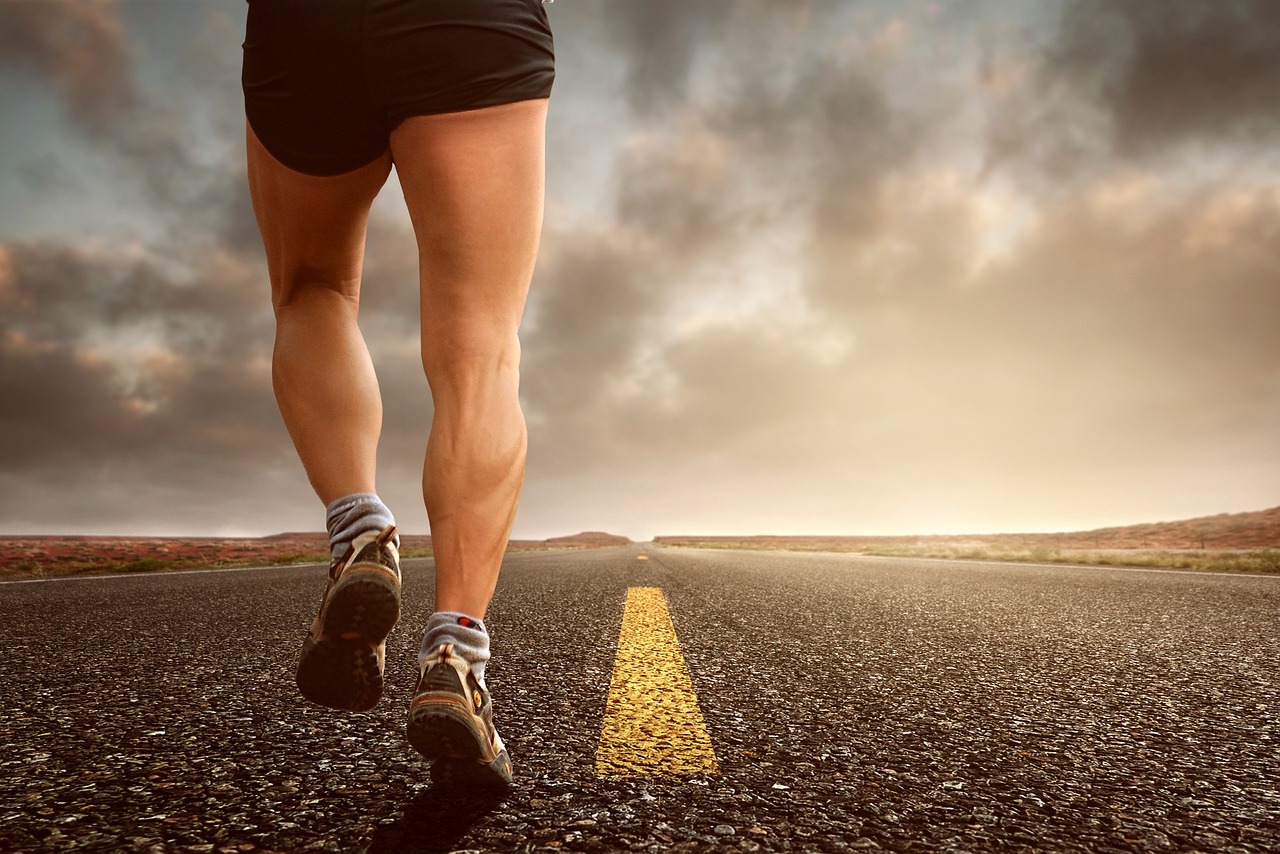
🌟 Building Your Sustainable Walking Future
Completing twelve weeks represents an achievement worth celebrating, but it’s really just the beginning. The habits you’ve established form the foundation for lifelong health.
Maintain your base by walking most days, varying routes and intensity to prevent boredom and continue challenging your body. Set new goals—perhaps a charity walk, hiking adventure, or distance milestone—to maintain motivation.
Many people discover that walking becomes genuinely enjoyable rather than obligatory. It provides stress relief, creative thinking time, nature connection, and social opportunities. This transformation from “should do” to “want to do” ensures lasting success.
Your journey from deconditioned to strong doesn’t follow a perfectly linear path. Some weeks feel easier, others harder. Progress sometimes stalls before suddenly accelerating. Trust the process, stay consistent, and remember that every step—literally—moves you toward better health.
The strength you’re rebuilding extends beyond physical capability. You’re developing mental resilience, self-efficacy, and proof that positive change is possible regardless of your starting point. These lessons influence every area of life, making the walking plan’s value impossible to fully measure.
Step forward with confidence. Your stronger, healthier future is being built one walk at a time. 🚶♂️💪