Walking is one of the most accessible forms of exercise, especially for those carrying extra weight who want to improve their health without risking injury or feeling overwhelmed.

Starting a fitness journey can feel intimidating, particularly when you’re overweight and unsure where to begin. The good news is that walking offers a gentle, effective way to build strength, burn calories, and develop lasting confidence. This comprehensive guide will walk you through everything you need to know about starting a low-impact walking routine that fits your current fitness level and helps you achieve your health goals safely and sustainably.
Why Walking Is Perfect for Overweight Beginners 🚶
Walking stands out as the ideal exercise for people carrying extra weight for several compelling reasons. Unlike high-impact activities like running or jumping, walking places minimal stress on your joints while still delivering significant cardiovascular benefits. Your body weight is distributed naturally with each step, reducing the risk of injury that often accompanies more intense workouts.
Research consistently shows that regular walking can help with weight management, improve heart health, reduce blood pressure, and enhance mental well-being. For someone just beginning their fitness journey, these benefits come without the need for expensive equipment, gym memberships, or specialized training. You simply need comfortable shoes and the willingness to take that first step.
The psychological advantages are equally important. Walking allows you to start exactly where you are, without comparison to others or pressure to perform at a certain level. Each walk is a personal achievement, building both physical stamina and mental resilience that translates into greater confidence in all areas of life.
Preparing for Your First Steps: What You Need to Know
Before lacing up your shoes, taking a few preparatory steps will set you up for long-term success. First, consider consulting with your healthcare provider, especially if you have existing health conditions, haven’t exercised in a while, or have concerns about starting a new physical activity program.
Choosing the Right Footwear 👟
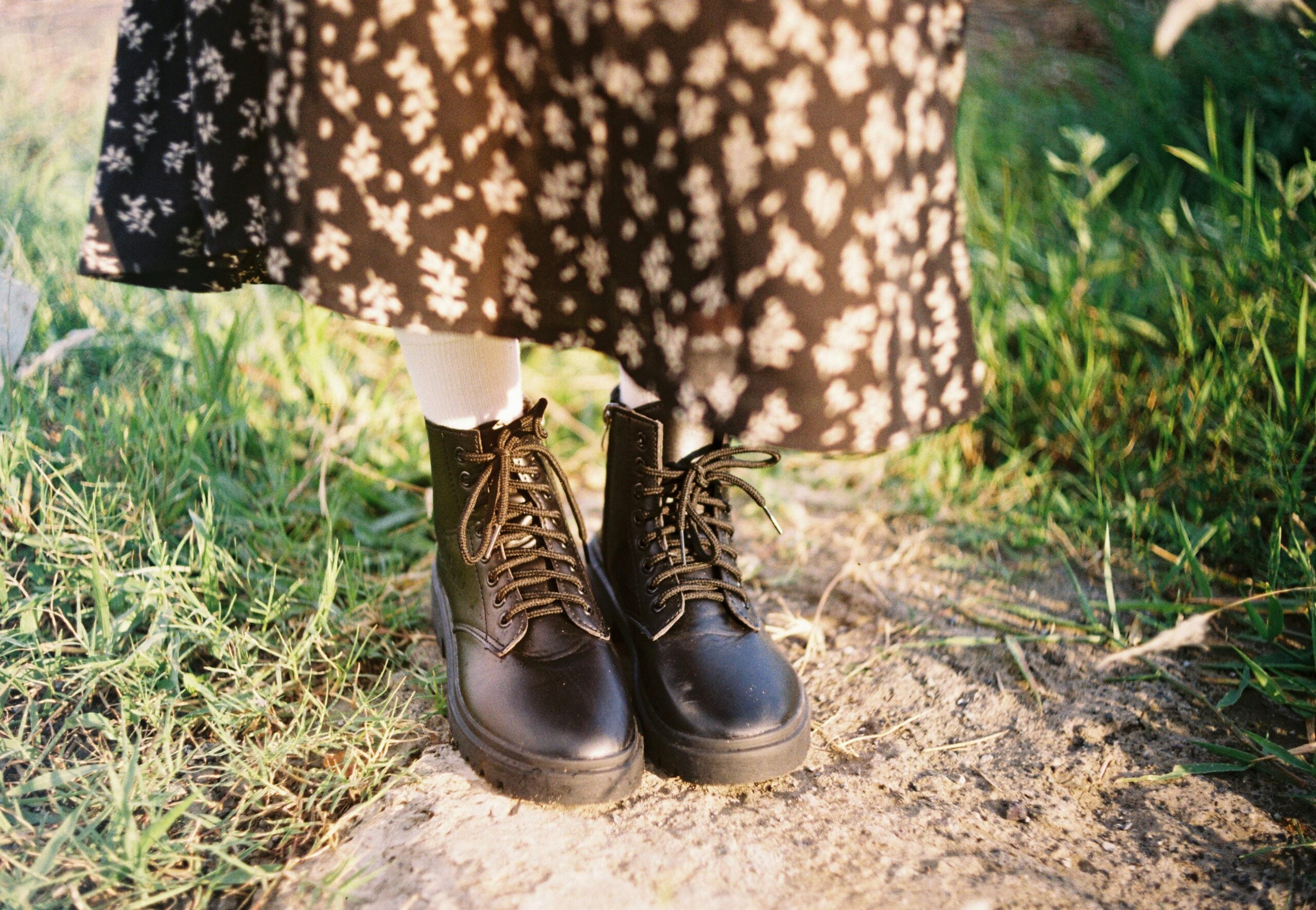
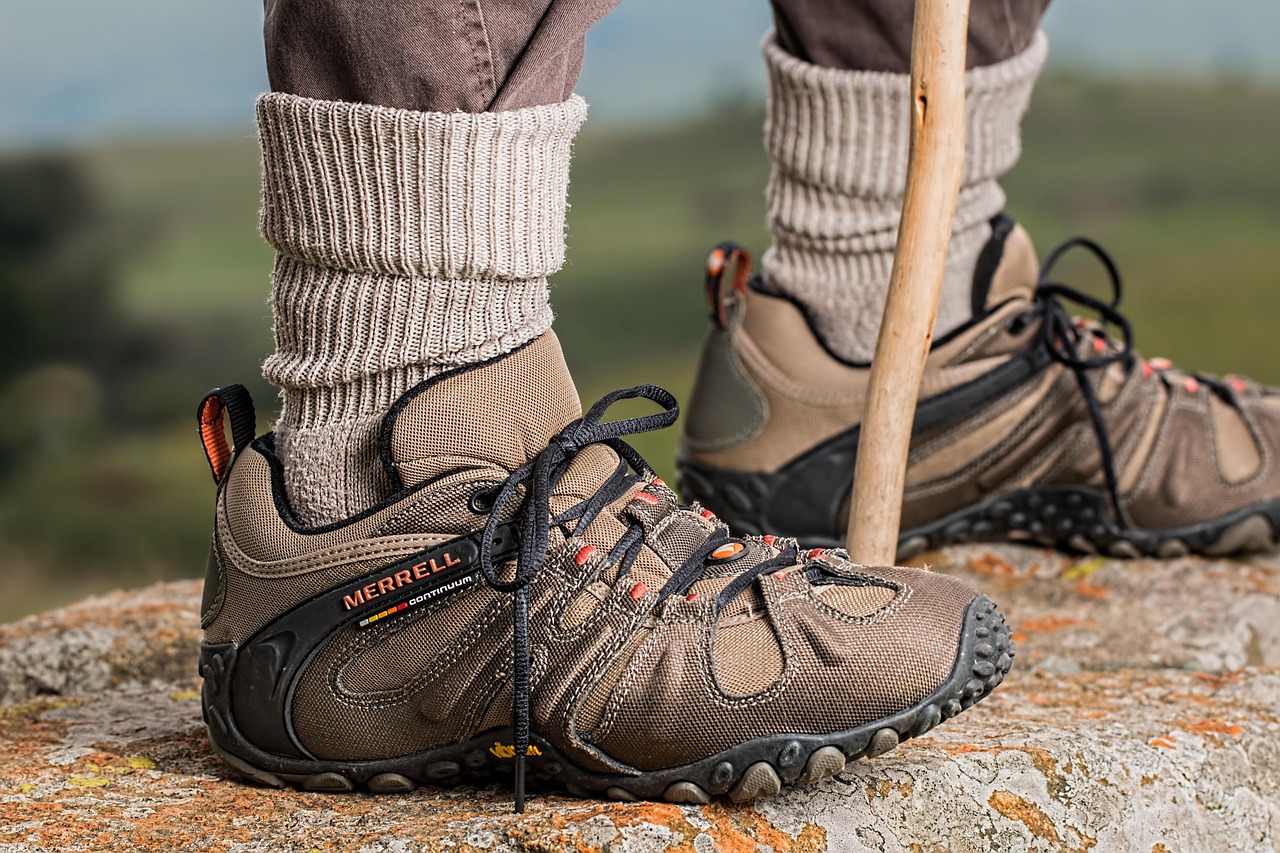
Proper footwear is your most important investment when starting a walking routine. Look for shoes specifically designed for walking rather than running, as they provide different support structures. Your shoes should have adequate cushioning, good arch support, and enough room in the toe box to prevent blisters and discomfort.
Visit a specialty shoe store where staff can analyze your gait and recommend shoes that match your foot type. Expect to replace your walking shoes every 300-500 miles or when you notice the cushioning breaking down. This typically means new shoes every 4-6 months for regular walkers.
Dressing for Comfort and Success
Wear breathable, moisture-wicking fabrics that keep you comfortable during your walks. Avoid cotton, which retains moisture and can cause chafing. Look for clothing designed for athletic activities that fits well without being restrictive. Layering allows you to adjust to changing temperatures during longer walks.
Consider investing in moisture-wicking socks to prevent blisters and keep your feet dry. For women, a supportive sports bra is essential for comfort. Don’t let concerns about appearance hold you back—your comfort and health are what matter most.
Starting Slow: Your First Week Walking Plan 📅
The biggest mistake beginners make is doing too much too soon, leading to burnout or injury. Your first week should focus on establishing the habit rather than hitting distance or time goals. Start with just 5-10 minutes of walking at a comfortable pace where you can still hold a conversation.
Walk three to four times during your first week, allowing rest days in between for your body to adapt. Pay attention to how you feel during and after each walk. Some muscle soreness is normal, but sharp pain or excessive fatigue signals you need to scale back.
Track your progress using a simple notebook or your smartphone. Recording your walks helps you see improvement over time and provides motivation when enthusiasm wanes. Note the duration, how you felt, and any observations about the route or experience.
Building Your Walking Stamina Gradually 💪
After your initial week, gradually increase either your walking duration or frequency—but not both at the same time. A safe rule is the 10% principle: don’t increase your total weekly walking time by more than 10% each week. This allows your body to adapt without becoming overwhelmed.
For example, if you walked a total of 30 minutes in week one (three 10-minute walks), aim for about 33 minutes total in week two. This might mean adding a few minutes to each walk or adding a fourth short walk during the week.
Progressive Walking Schedule for Eight Weeks
| Week | Frequency | Duration | Total Weekly Minutes |
|---|---|---|---|
| 1-2 | 3-4 times | 5-10 minutes | 20-40 minutes |
| 3-4 | 4-5 times | 10-15 minutes | 40-75 minutes |
| 5-6 | 5 times | 15-20 minutes | 75-100 minutes |
| 7-8 | 5-6 times | 20-30 minutes | 100-180 minutes |
Listen to your body throughout this progression. Some weeks you may need to maintain the same level rather than increasing, and that’s perfectly acceptable. Consistency matters more than aggressive advancement.
Perfecting Your Walking Technique 🎯
While walking seems natural, proper form enhances efficiency and reduces strain on your body. Stand tall with your shoulders back and down, avoiding the temptation to look at the ground constantly. Your gaze should be forward, about 10-20 feet ahead.
Keep your arms bent at approximately 90 degrees, swinging naturally from your shoulders in opposition to your legs. This arm movement helps propel you forward and burns additional calories. Your hands should be loosely cupped, not clenched into fists.
Strike the ground with your heel first, rolling through to push off with your toes. Take natural strides—overstriding can cause hip and back pain, while steps that are too short make your walk less efficient. Your stride will naturally lengthen as you become fitter.
Breathing Properly While Walking
Breathe rhythmically and deeply from your diaphragm rather than taking shallow chest breaths. A common pattern is inhaling for three steps and exhaling for three steps, though you should find a rhythm that feels natural. If you’re too breathless to speak comfortably, slow your pace.
Choosing Your Walking Environment Wisely 🌳
Where you walk significantly impacts your experience and likelihood of sticking with your routine. For beginners, flat, even surfaces provide the safest starting point. Parks with paved trails, school tracks, shopping malls (before opening hours), or quiet neighborhood streets all work well.
Avoid uneven terrain, steep hills, or areas with heavy traffic until you’ve built a solid fitness foundation. Safety should always be your priority, so choose well-lit areas and let someone know your route if walking alone.
Weather considerations matter too. Walking in extreme heat or cold adds unnecessary stress for beginners. During hot weather, walk early morning or evening, wear sunscreen, and carry water. In colder months, dress in layers you can remove as you warm up.
Overcoming Common Challenges and Obstacles 🛡️
Every beginner faces obstacles that threaten to derail their walking routine. Anticipating these challenges and having strategies ready makes all the difference between temporary setbacks and permanent progress.
Dealing with Physical Discomfort
Mild muscle soreness is normal when starting any exercise program, but persistent pain requires attention. If you experience joint pain, sharp pains, or discomfort that doesn’t improve with rest, consult a healthcare provider. Don’t try to “push through” genuine pain—it’s your body’s warning system.
Blisters can sideline even the most motivated walkers. Prevent them by wearing properly fitted shoes and moisture-wicking socks. If you develop a blister, protect it with a specialized bandage and avoid walking until it heals sufficiently.
Managing Time Constraints
Lack of time is the most common excuse for skipping exercise. Remember that three 10-minute walks throughout the day provide the same benefits as one 30-minute walk. Walk during your lunch break, park farther from store entrances, or take walking meetings when possible.
Schedule your walks like important appointments. Morning walks are less likely to be pushed aside by daily demands, but the best time is whenever you’ll actually do it consistently.
Staying Motivated When Progress Seems Slow
Weight loss and fitness improvements don’t happen overnight, which can be discouraging. Focus on non-scale victories: improved energy levels, better sleep, enhanced mood, clothes fitting more comfortably, or the ability to walk longer without fatigue.
Find a walking buddy for accountability and social connection. Many communities have walking groups specifically for beginners. If in-person groups aren’t accessible, online communities provide support and encouragement.
Adding Variety to Keep Things Interesting 🎨
Walking the same route at the same pace every day can become monotonous. Introducing variety keeps your mind engaged and challenges your body in new ways, promoting continued progress.
Explore different routes in your neighborhood or nearby parks. Changing scenery makes walks feel fresh and exciting. Create a playlist of energizing music or listen to podcasts and audiobooks that you only enjoy during walks, creating positive associations with your routine.
As your fitness improves, incorporate gentle challenges. Add a slight incline, increase your pace for short intervals, or extend one walk per week by five minutes. These progressive challenges signal your body to continue adapting and strengthening.
Nutrition and Hydration for Walking Success 💧
While walking doesn’t require the same nutritional strategies as intense workouts, proper fueling supports your efforts. Stay hydrated by drinking water throughout the day, not just during walks. For walks under 30 minutes, pre-walk hydration is usually sufficient. Longer walks may require bringing water, especially in warm weather.
Avoid eating large meals immediately before walking, which can cause discomfort. If you walk first thing in the morning and feel you need something, try a small snack like half a banana or a few crackers 15-30 minutes beforehand.
Walking burns calories and supports weight management, but don’t use it as an excuse to significantly increase food intake. Many people overestimate calories burned through exercise and underestimate calories consumed, which can sabotage weight loss goals.
Tracking Progress Beyond the Scale 📊
The scale tells only part of your story. Comprehensive progress tracking reveals improvements you might otherwise miss, providing motivation during plateaus.
Monitor these important metrics:
- Distance walked and time taken—watch these improve over weeks
- Resting heart rate—should decrease as cardiovascular fitness improves
- How you feel during and after walks—energy levels, mood, confidence
- Sleep quality—often improves with regular physical activity
- Measurements of waist, hips, and other areas—may change even when weight doesn’t
- Everyday activities becoming easier—climbing stairs, playing with children, standing for longer periods
Take progress photos monthly. Visual evidence of change provides powerful motivation and helps you appreciate how far you’ve come.
Transforming Walking Into a Lifelong Habit ✨
The ultimate goal isn’t just starting a walking routine but making it a permanent part of your lifestyle. Habits form through consistent repetition and positive reinforcement, typically taking 2-3 months to become automatic.
Connect walking to existing daily routines. Walking after breakfast, before work, or immediately after dinner leverages habit stacking, making the new behavior easier to maintain. Soon, it will feel strange not to walk at these times.
Celebrate milestones along your journey. When you complete your first full month of consistent walking, acknowledge this achievement. Reward yourself with new walking shoes, workout clothes, or another non-food reward that supports your health goals.
Remember that setbacks happen to everyone. Missing a few days or even a week doesn’t erase your progress or mean you’ve failed. Simply resume your walking routine at a comfortable level and move forward without self-judgment.

Your Journey Continues: Next Steps for Growing Walkers 🌟
After establishing a solid walking foundation over 8-12 weeks, you might wonder what comes next. Many options exist for continued progression while maintaining the low-impact nature that makes walking so sustainable.
Consider increasing intensity rather than just duration by incorporating interval walking. Alternate between your normal pace and a brisker pace for 30-60 seconds. These intervals challenge your cardiovascular system more effectively than steady-state walking alone.
Adding light hand weights (1-2 pounds maximum) or a weighted vest can increase calorie burn, though wait until you’ve established solid technique and consistency. Poor form with added weight causes more harm than benefit.
Explore different walking styles like Nordic walking with poles, which engages upper body muscles and can burn up to 20% more calories than regular walking. Many communities offer Nordic walking classes for beginners.
Whatever direction your walking journey takes, the confidence, strength, and resilience you’ve built become foundations for all future fitness endeavors. You’ve proven to yourself that you can set a goal and achieve it through consistent effort—a lesson that extends far beyond exercise into every area of life.
Walking transformed from a simple activity into your personal pathway to health, confidence, and self-discovery. Every step forward is a victory, and your journey has only just begun.